






Hours after US President Donald Trump declared a breakthrough trade agreement with India, attention has shifted from tariff relief to a much larger and controversial claim—that India has committed to buying more than $500 billion worth of US goods. Trump announced that reciprocal tariffs on Indian exports to the US would be reduced from 25% to 18%, calling the deal an outcome of direct diplomacy with Prime Minister Narendra Modi.
However, while Trump publicly detailed the figure and sectors involved—ranging from energy and technology to agriculture and coal—the Indian government has not confirmed any such commitment. Prime Minister Modi welcomed the tariff reduction but made no reference to the $500 billion purchase claim or any timeline.
The magnitude of the figure has sparked debate, as $500 billion translates to nearly Rs 45.5 lakh crore—close to 85% of the total expenditure outlined in Union Budget 2026. Notably, the Budget contains no allocation, fiscal roadmap, or import strategy that would support such spending.
Economists see the tariff reduction as a clear positive, particularly for export-oriented sectors like textiles, gems and jewellery, automobiles, and machinery. Yet, until New Delhi clarifies whether Trump’s claim refers to cumulative trade over several years, private-sector imports, or a non-binding estimate, the $500 billion figure remains uncertain—more a political headline than a confirmed economic commitment.
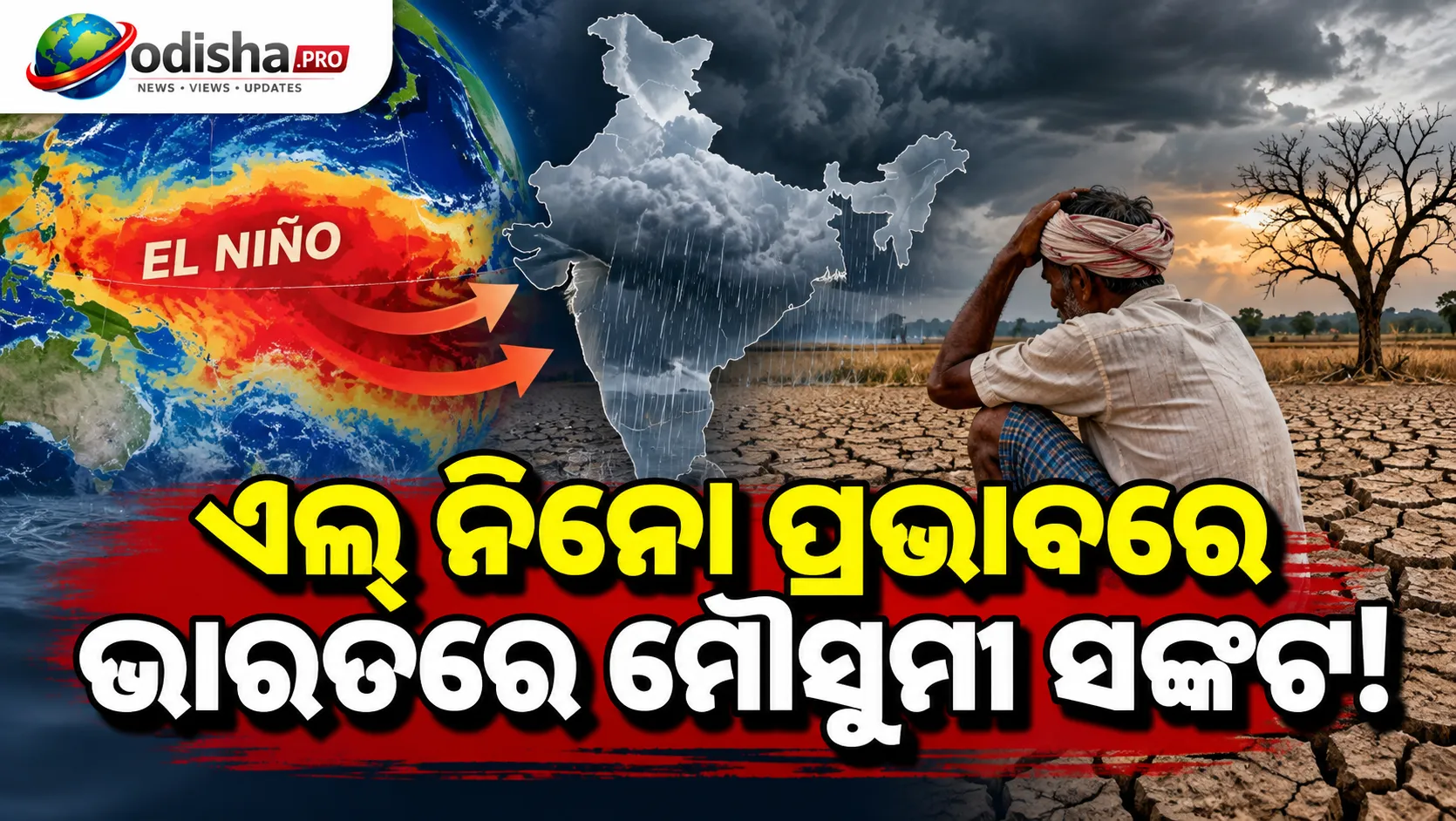
ଭାରତ ଏଥର ଦୀର୍ଘ ସମୟ ପରେ ଏକ ଦୁର୍ବଳ ମୌସୁମୀ ଋତୁର ସାମ୍ନ...
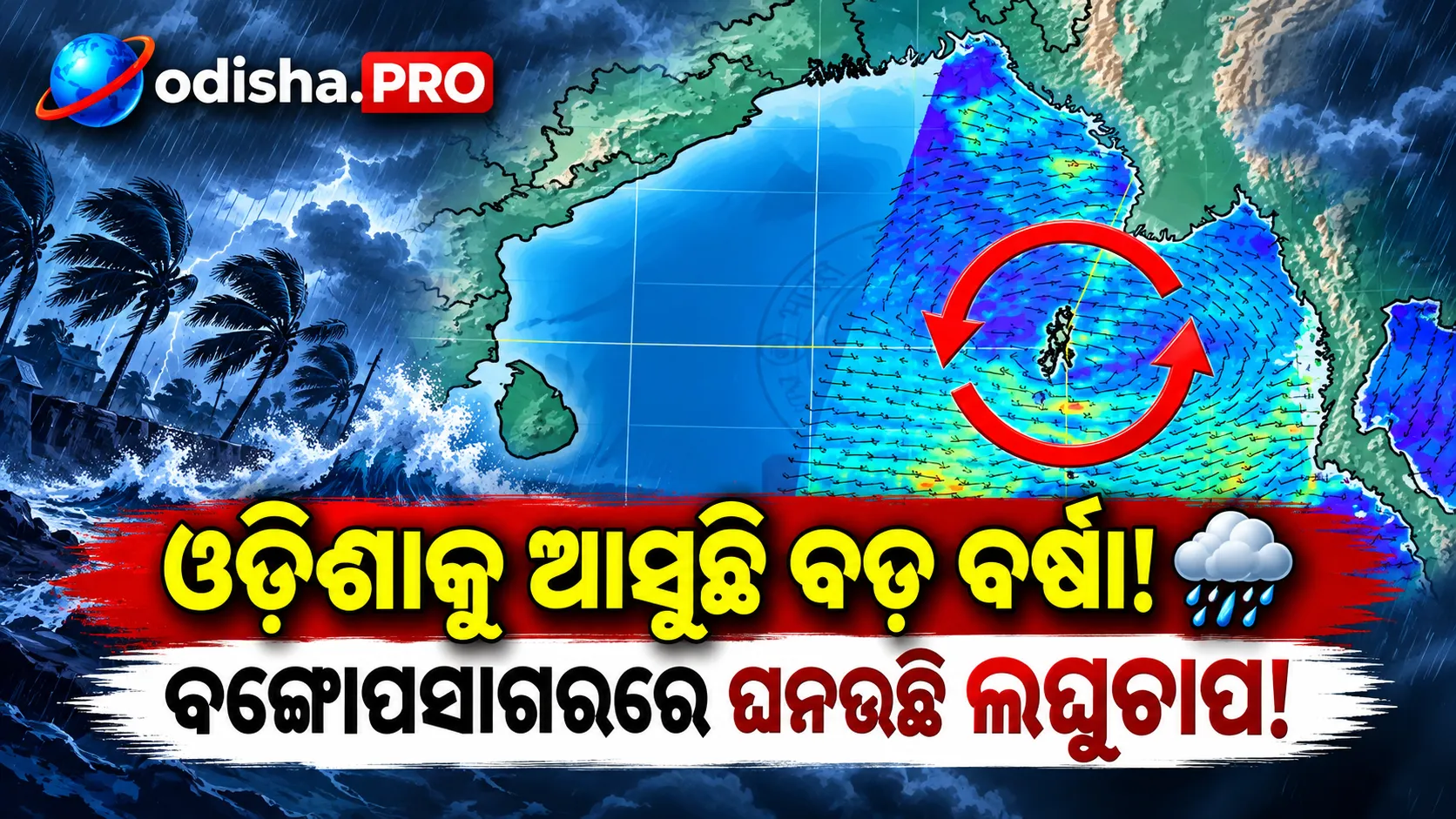
ବଙ୍ଗୋପସାଗରରେ ପାଣିପାଗର ପରିବର୍ତ୍ତନ ମଧ୍ୟରେ ଓଡ଼ିଶା ଉପକ...
ନିଜକୁ IAS ଅଧିକାରୀ ପରିଚୟ ଦେଇ ଲୋକଙ୍କୁ ଠକୁଥିବା ଅଭିଯୋଗ...
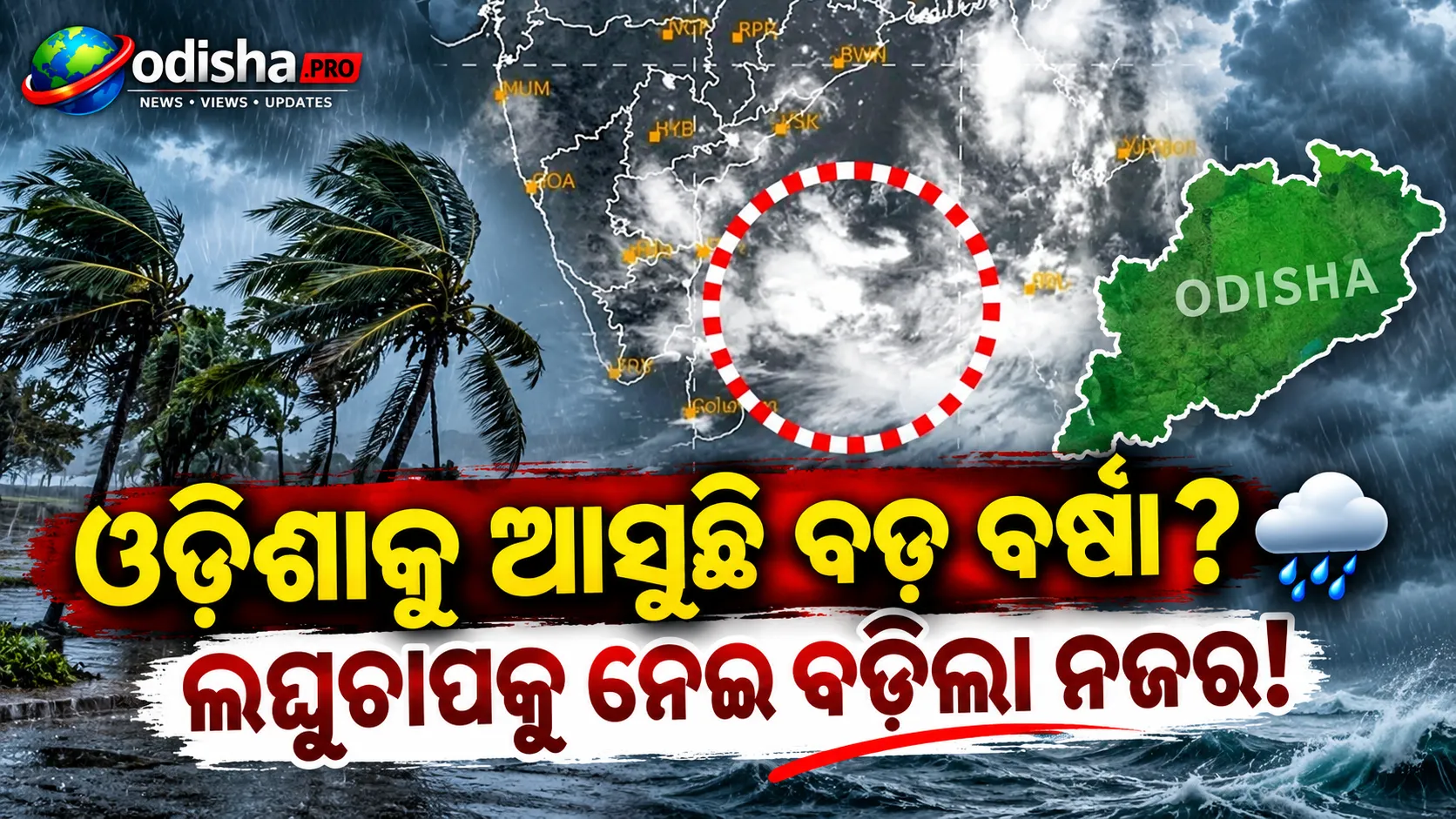
ଓଡ଼ିଶାର ପାଣିପାଗକୁ ନେଇ ପୁଣି ବଢ଼ିଛି ଚିନ୍ତା। ଉତ୍ତର ଆଣ...

ଭୁବନେଶ୍ୱର: ବଙ୍ଗୋପସାଗରରେ ପାଣିପାଗକୁ ନେଇ ପୁଣି ବଢ଼ିଛି...
ଜାପାନର ନାଗୋୟାରେ ଆୟୋଜିତ ୨୦୨୬ ଏସିଆନ୍ ଗେମ୍ସକୁ ନେଇ ରାଜ...
ହାଇୱେ କଡ଼ରୁ ଜଣେ ଅଜଣା ବ୍ୟକ୍ତିଙ୍କ ମୃତଦେହ ମିଳିବା ପରେ...
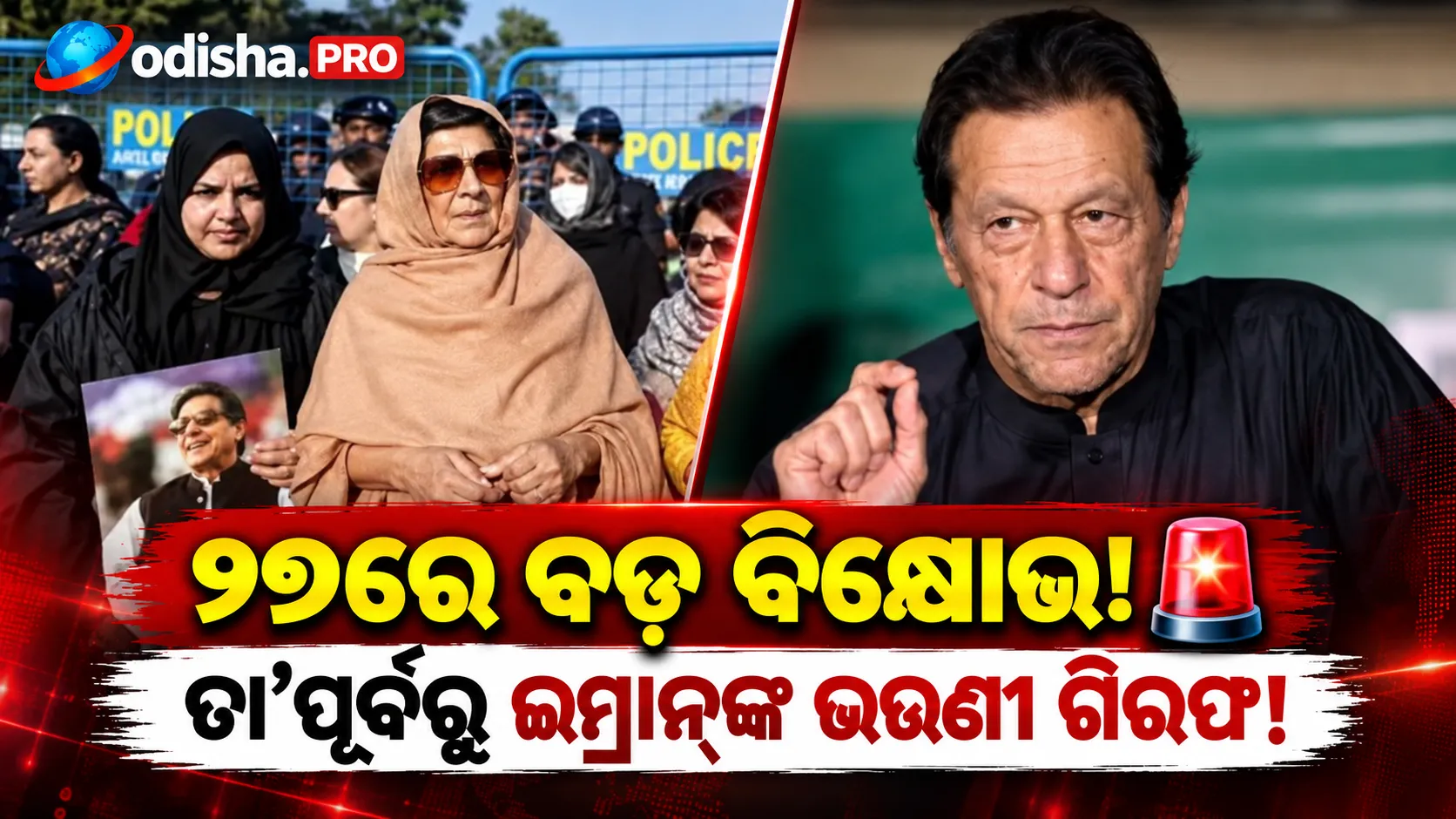
ପାକିସ୍ତାନରେ ଇମ୍ରାନ୍ ଖାନଙ୍କୁ ନେଇ ରାଜନୈତିକ ତଣାପୋଡ଼ ମ...
କେନ୍ଦ୍ରାପଡ଼ା ଜିଲ୍ଲା କୋରୁଆ ବଜାରରେ ଅବସରପ୍ରାପ୍ତ ଜଣେ ବ...
ଭଦ୍ରକ ଜିଲ୍ଲା ଚାନ୍ଦବାଲି ଥାନା ଅଧୀନ ପାଇକିରାପୁର ଗାଁରେ...
ନୂଆଦିଲ୍ଲୀର India Islamic Cultural Centreରେ ସେପ୍ଟେମ...
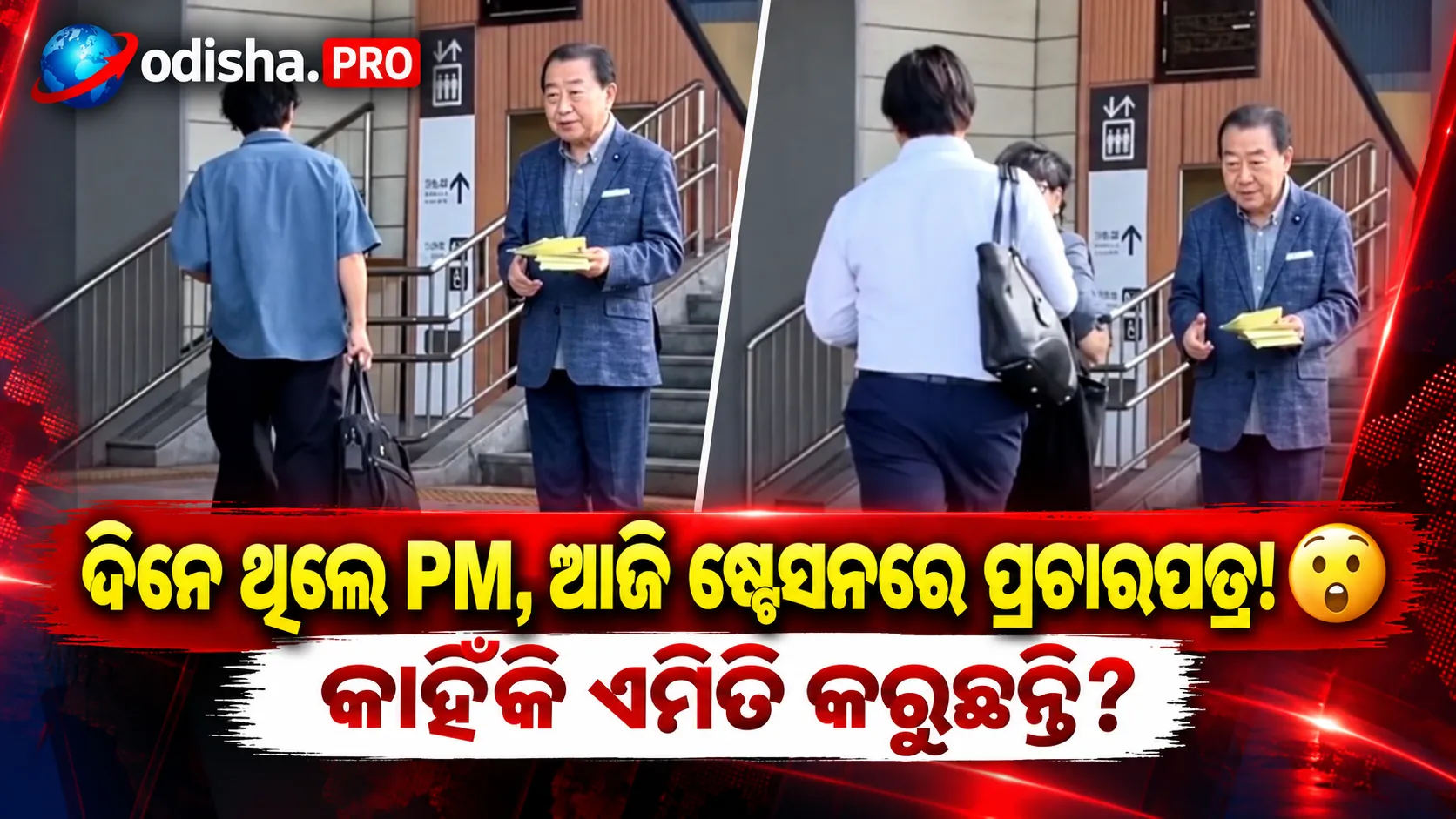
ଜାପାନର ପୂର୍ବତନ ପ୍ରଧାନମନ୍ତ୍ରୀୟୋଶିହିକୋ ନୋଡାଙ୍କ ଏକ ଭି...
