







Jitendra Chouksey, founder of fitness and nutrition platform Fittr, has criticized the wearable deviceTemple, endorsed by Zomato CEO Deepinder Goyal, calling its longevity claims both scientifically unsubstantiated and ethically questionable.
Goyal made headlines wearing the metallic clip-like device on a podcast, claiming it could track brain blood flow and influence ageing. Chouksey clarified that Temple is simply a monitoring tool, similar to existing wearables like the Fittr HART Ring, and doesnotimprove lifespan. He called out the device’s “brain flow” metric as a pseudo-measure, unvalidated by decades of established scientific research on indicators like HRV, resting heart rate, and VO2 max.
Chouksey also challenged the broader longevity narrative, calling promises of living past 150 or 200 “snake oil” and emphasizing that true longevity relies on basic health factors like clean air, nutrition, and lifestyle. He compared the hype around Temple and other wellness startups to high-profile anti-ageing projects abroad, like Bryan Johnson’s, and described many claims as misleading marketing rather than evidence-based science.
Beyond the device itself, Chouksey raised ethical concerns about Zomato’s business practices, highlighting the contradiction between promoting longevity while sending late-night notifications encouraging consumption of junk food. He argued that wellness initiatives by companies profiting from unhealthy food can shift responsibility onto individuals, creating a dangerous precedent.
Chouksey stressed that science requires measurable, repeatable, and validated outcomes, and cautioned against using anecdotes, cultural practices, or pseudo-metrics to support bold health claims. His critique underscores the importance of separating genuine innovation from marketing narratives in the rapidly expanding wellness industry.

ବାଲେଶ୍ୱରରେ ସାମାନ୍ୟ କଥାକୁ ନେଇ ହୋଇଥିବା ବିବାଦ ଶେଷରେ ମ...

ସୁନ୍ଦରଗଡ଼ ଜିଲ୍ଲା ବଣାଇରେ ଶନିବାର ସକାଳେ ପାଣିପାଗର ଏକ ଅ...

ଓଡ଼ିଶାର ବିଭିନ୍ନ ଅଞ୍ଚଳରୁ ନାବାଳିକାଙ୍କୁ ନେଇ ୩ଟି ଦୁଷ୍କ...
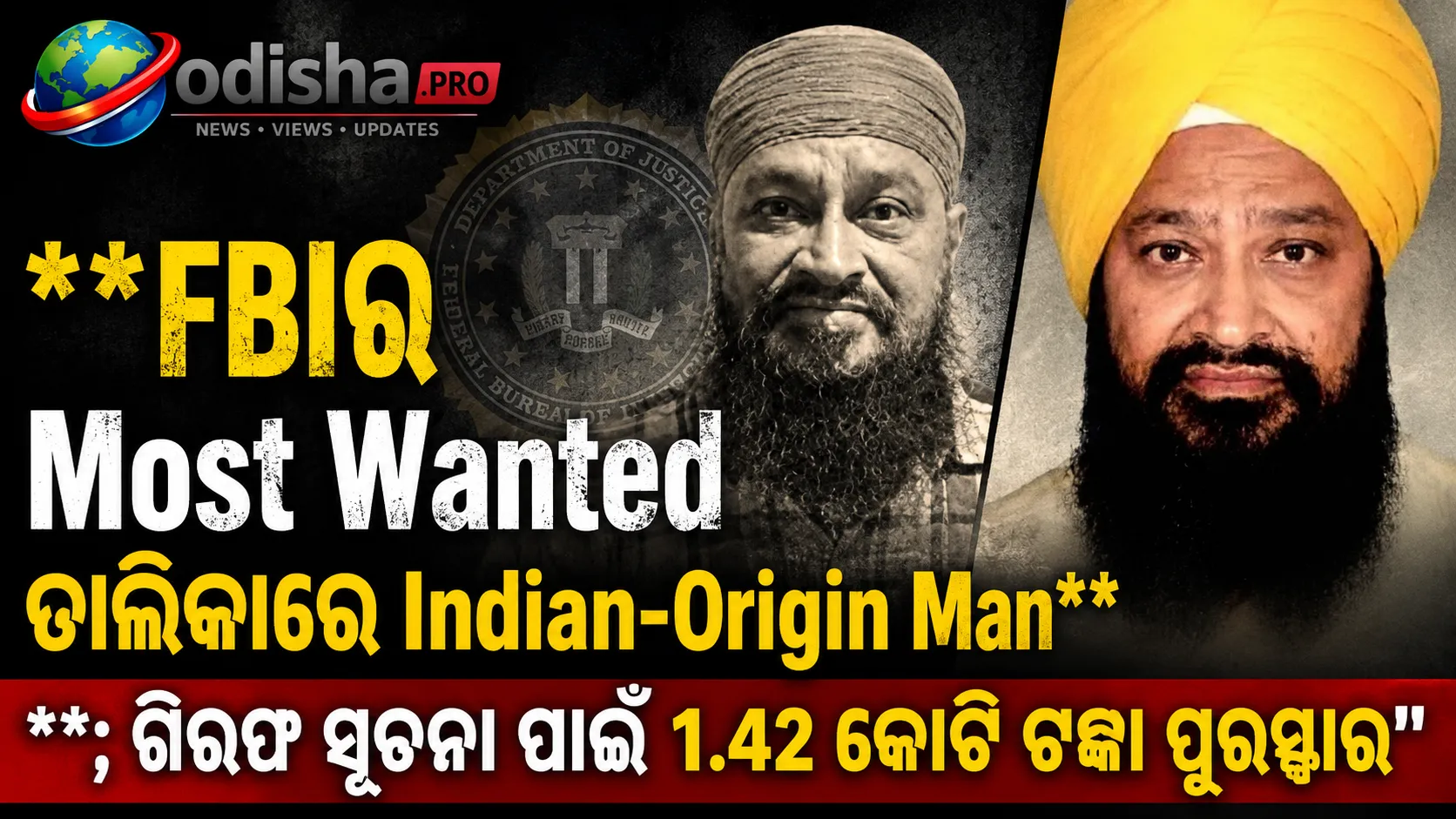
ଆମେରିକାର Federal Bureau of Investigation (FBI) ମଞ୍...

ଓଡ଼ିଶାରେ ମନ୍ଦିରଗୁଡ଼ିକୁ ଟାର୍ଗେଟ୍ କରି ଚୋରି ଘଟଣା ଥମିବ...
ଦିଲ୍ଲୀର ସତ୍ୟ ନିକେତନରେ ‘Hostel Daze’ ନା...
ଦକ୍ଷିଣ ଦିଲ୍ଲୀର ସତ୍ୟ ନିକେତନରେ ଭୁଶୁଡ଼ି ପଡ଼ିଥିବା ଏକ P...
ମହାରାଷ୍ଟ୍ରର ପୁଣେ ଓ ପିମ୍ପ୍ରି-ଚିଞ୍ଚୱାଡ ଅଞ୍ଚଳରେ ରବିବା...
ଉତ୍ତରପ୍ରଦେଶରେ ଶ୍ରମିକ ଓ ଅନ୍ୟାନ୍ୟ ଦୁର୍ବଳ ପରିବାରର ପିଲ...