




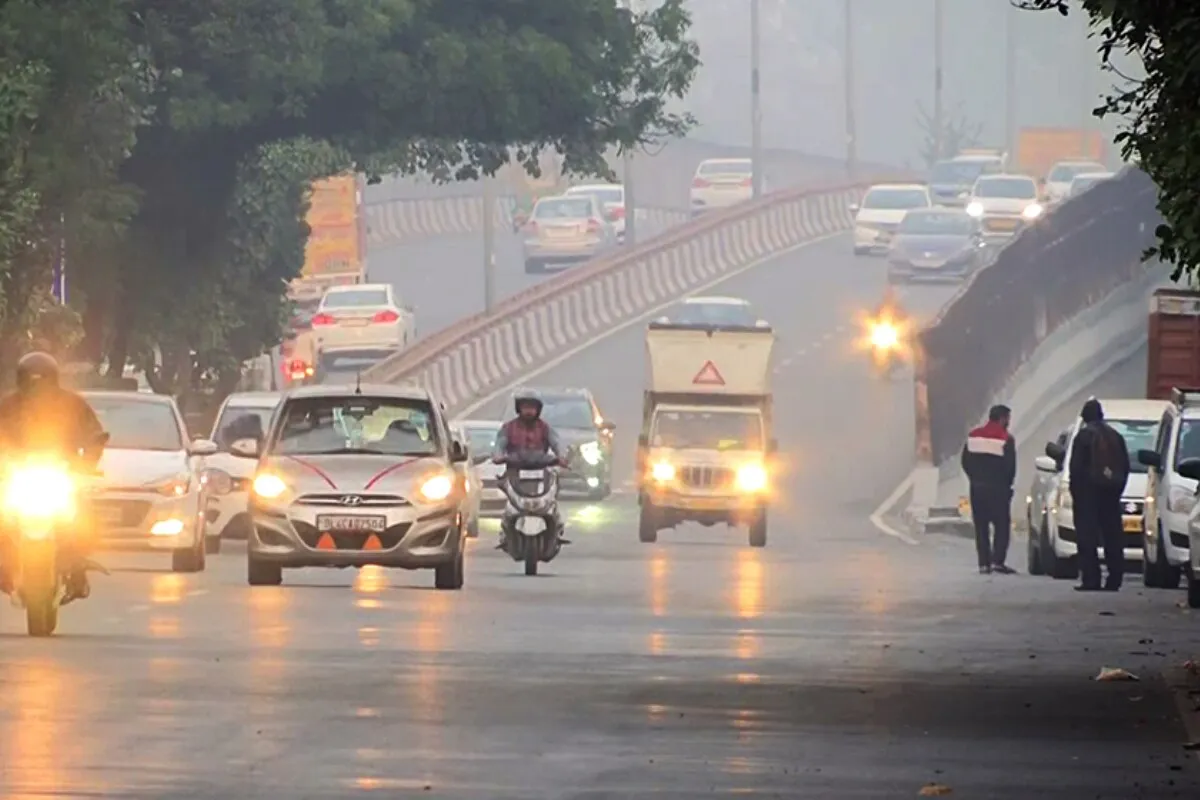
North India woke up to intense cold on Monday, with large parts of the region slipping into severe cold wave conditions. Delhi recorded its lowest minimum temperature of the season at3.2°C, while frost spread across the plains of Haryana, Rajasthan, and Punjab.
The chill was sharper on the outskirts of the National Capital Region.Gurgaonrecorded the lowest temperature in Haryana at0.6°C, with some areas dipping below zero to–1°Cearly Monday morning. A severe cold wave froze dew, creating thin ice layers across open spaces in Delhi NCR, Haryana, Rajasthan, and Punjab. The India Meteorological Department (IMD) warned that cold wave conditions are likely to persist in isolated pockets over the next few days.
The freezing temperatures forced authorities to shut schools in several areas. In Uttar Pradesh,Ghaziabadcancelled classes up to Grade 5 until January 15, while students from Class 6 to 12 will attend from10 am to 3 pm. Similarly, in Jharkhand, schools inRanchiremain closed for students up to Class 6 until January 14, with older students starting at 10 am. The IMD issued ayellow alertfor cold wave conditions in parts of Jharkhand from January 13–16.
Uttarakhand faced dense fog, icy conditions, and dry cold.Haridwarwas shrouded in thick fog, sharply reducing visibility and leaving Har Ki Pauri largely deserted. In hilly districts likeBageshwar, Chamoli, and Uttarkashi, water sources began freezing, while plains such asUdham Singh NagarandHaridwarexperienced persistent fog. The state is yet to receive its first snowfall or rain of the season.
Rajasthan’s plains experienced harsh cold.Fatehpurrecorded–1.9°C, following a previous day’s record low of–3.4°C. Frost coated fields, shrubs, and crops, with mustard fields appearing snow-covered.Pratapgarhsaw–2°C,Barmer –1°C,Pilani 1.2°C,Sikar 1.7°C, andChuru 2°C, along with dense fog in several districts. Cold winds from the Himalayas intensified the chill.
Southern West Bengal’sPurulia districtwitnessed ground frost in areas likeJhalda, Begunkodar, and Bandwan, forming a white layer on grass, rooftops, and fields—a rare winter phenomenon for the region.
Punjab and Haryana remained in the grip of severe cold.Bathindarecorded 1.6°C,Hisar 2.2°C,Narnaul 3°C, whileFaridkotsaw 2.9°C,Ludhiana 4.6°C,Patiala 3.8°C,Amritsar 3.2°C, andGurdaspur 3.8°C.Chandigarhrecorded 5°C, withAmbala, Faridabad, and Rohtakat 5.5°C, 4.2°C, and 4°C respectively. InAuraiya, UP, residents struggled with the cold, with truck drivers stopping frequently to warm up during early morning travel.
The IMD expects minimum temperatures in Delhi and surrounding regions to remain3–5°C below normalfor the next three days before a slight rise. Maximum temperatures are likely to stay near normal for the next four days, rising above normal thereafter. Cold wave to severe cold wave conditions are forecast overRajasthan, Punjab, Haryana, Delhi, Himachal Pradesh, and Uttarakhandon January 12–13. Dense fog is expected across northwest India and Bihar for the next five days.
Kashmir remains underChilla-i-Kalan, the 40-day harsh winter period.Srinagarrecorded –5.2°C,Shopian –8.6°C,Pahalgam –7.6°C, andGulmarg –6.2°C.
Dense fog disrupted life in Bihar, causing accidents and travel delays. On Monday, an SUV collision on the Bakhtiyarpur–Mokama highway killed a man and his daughter and injured four others. Cold day conditions are expected in isolated parts of the state until January 16.
With frost, fog, and freezing winds gripping the region, authorities have urged residents to take precautions as North India braces for several more days of intense winter conditions.
୭ ଦିନିଆ ଦିଲ୍ଲୀ ଗସ୍ତ ଶେଷ କରି ଆଜି ଓଡ଼ିଶା ଫେରିବେ ବିଜୁ...
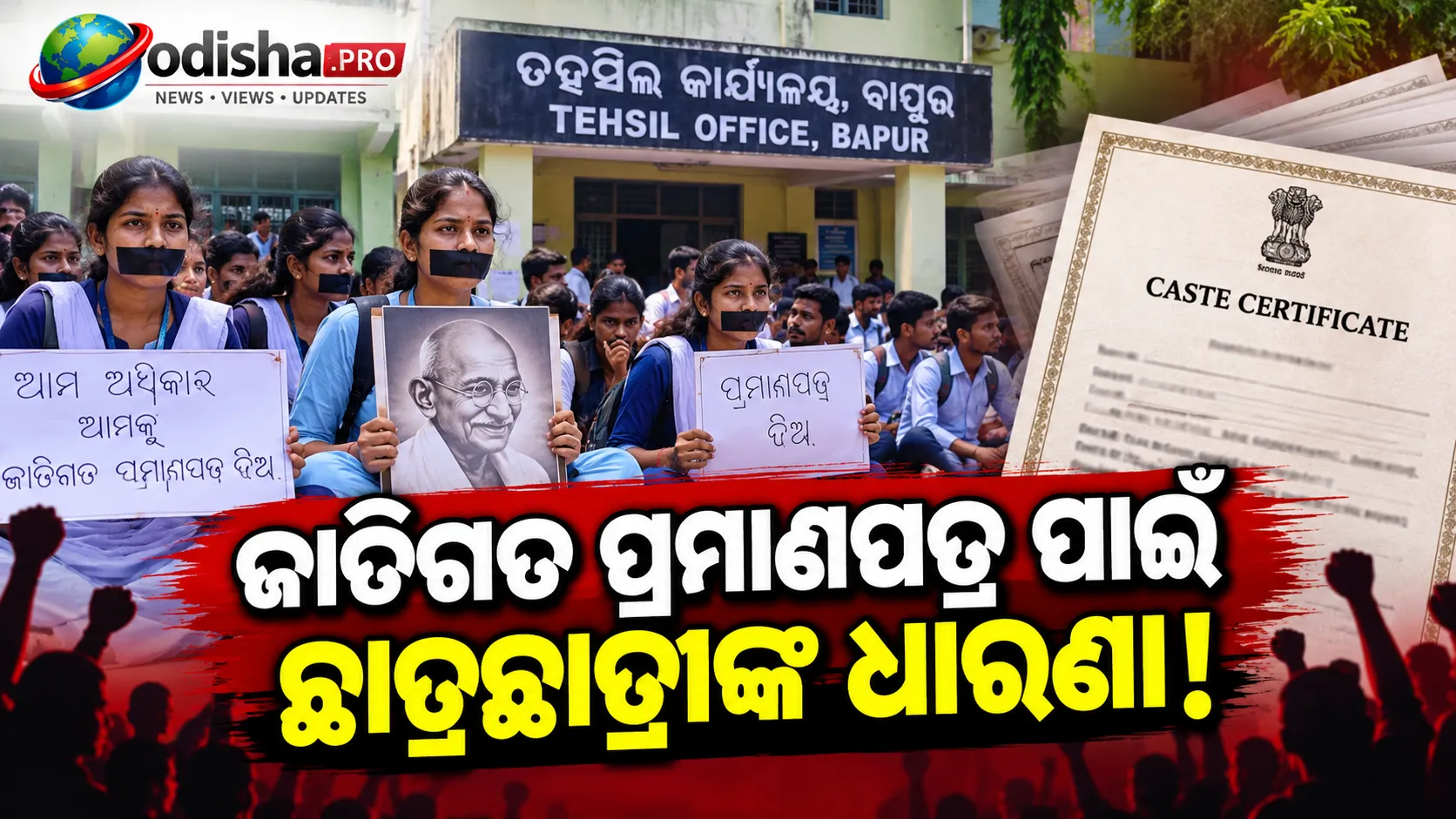
ବାପୁର ତହସିଲ କାର୍ଯ୍ୟାଳୟରେ ଜାତି ପ୍ରମାଣପତ୍ର ପ୍ରଦାନରେ...
ବାଲେଶ୍ୱର ଜିଲ୍ଲା ଭୋଗରାଇ ବ୍ଲକ୍‌ର ରଣକୋଠା ସଂରକ୍ଷି...
ଯାତ୍ରୀଙ୍କ ଅତିରିକ୍ତ ଭିଡ଼କୁ ନିୟନ୍ତ୍ରଣ କରିବା ଏବଂ ଅଧିକ...

ଷ୍ଟକ୍ ମାର୍କେଟ୍ରେ ନିବେଶ କରୁଥିବା ଲୋକେ ନିଜ ପୋର୍ଟଫୋଲିଓ...

ଗୁରୁବାର ଭାରତୀୟ ଶେୟର ବଜାରରେ ମିଶ୍ରିତ କାରବାର ଦେଖିବାକୁ...
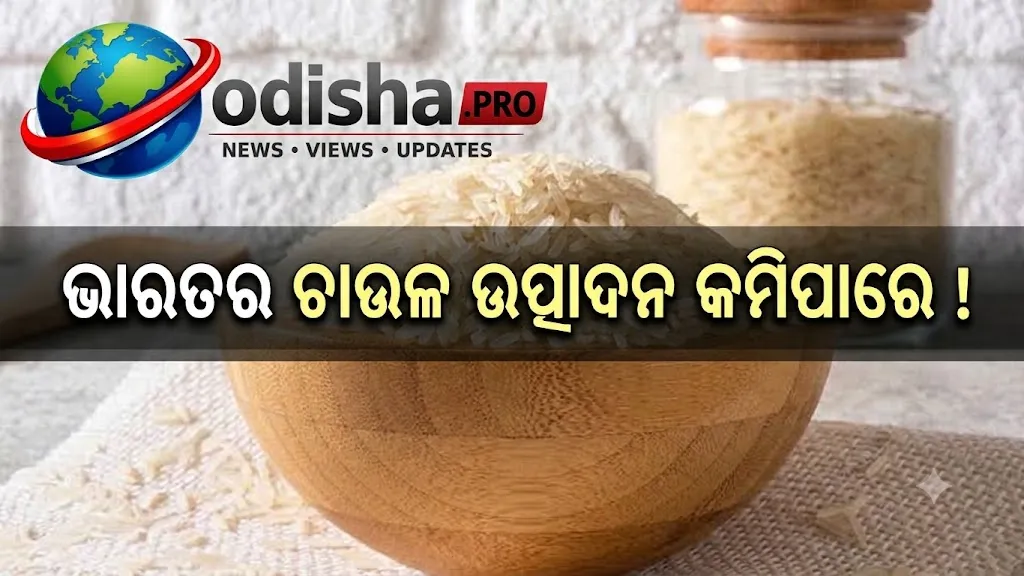
ଭାରତରେ ଚାଉଳ ଉତ୍ପାଦନକୁ ନେଇ ଆସିଛି ଚିନ୍ତାଜନକ ଖବର।ଦୁର୍...
ଭୁବନେଶ୍ୱରସ୍ଥିତ ଲୋକସେବା ଭବନ ପରିସରକୁ ‘ତମାଖୁମୁକ...
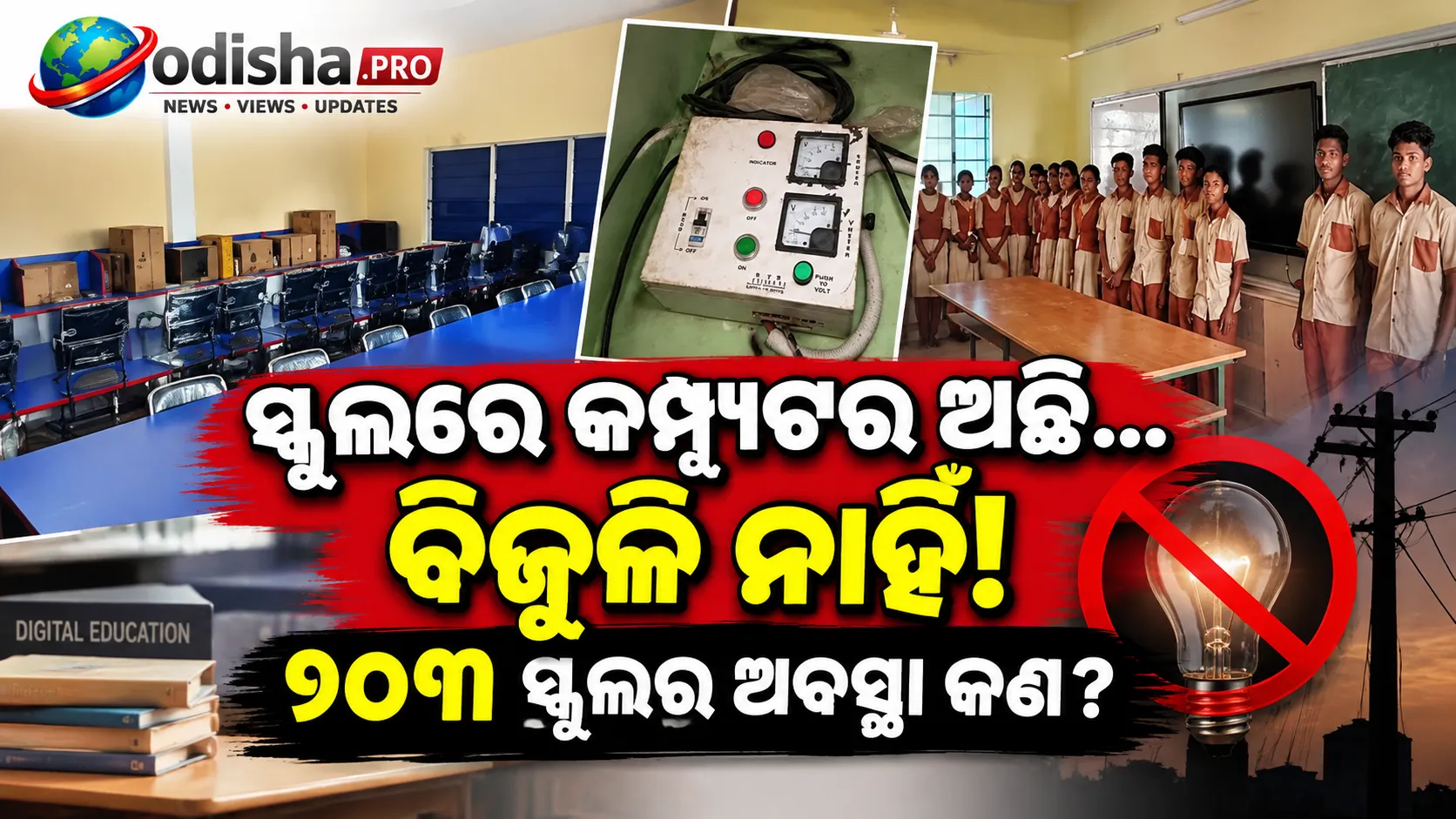
ଓଡ଼ିଶାରେ ସ୍ମାର୍ଟ ଶିକ୍ଷା ବ୍ୟବସ୍ଥାକୁ ନେଇ ଗୁରୁତ୍ୱ ଦିଆ...
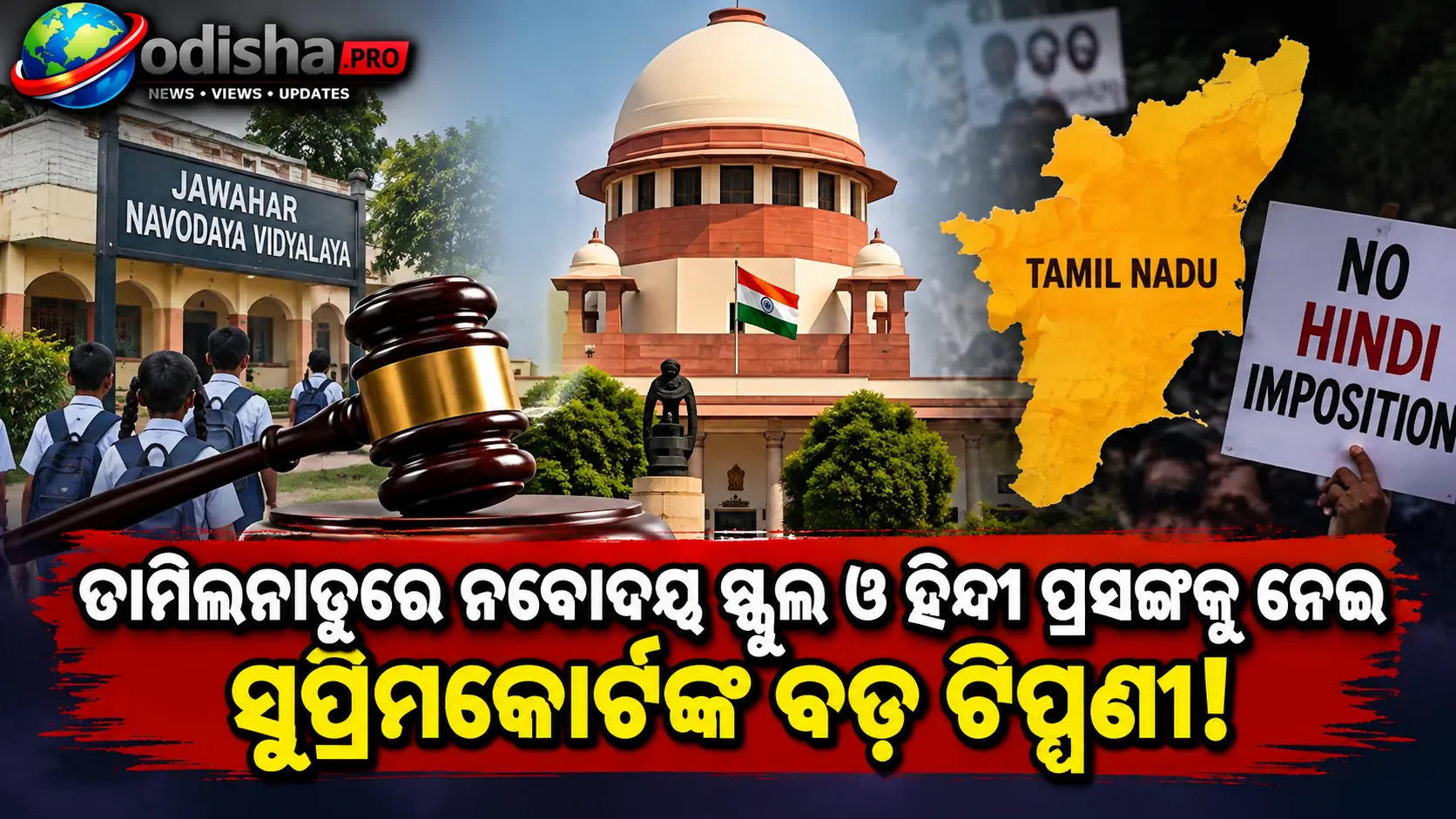
ତାମିଲନାଡୁରେ ଜବାହର ନବୋଦୟ ବିଦ୍ୟାଳୟ ସ୍ଥାପନ ଓ ଭାଷା ନୀତ...
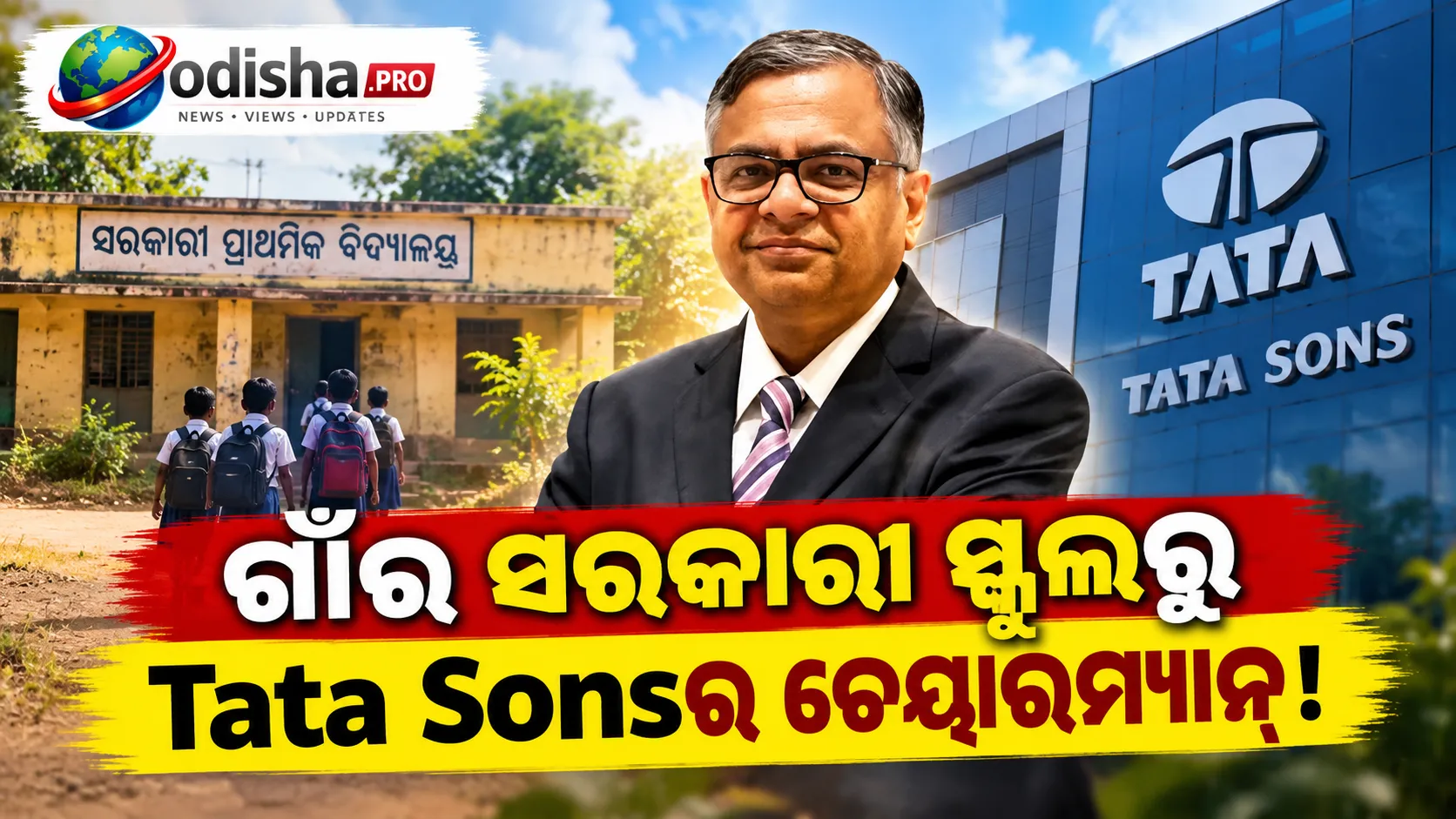
N Chandrasekaranଙ୍କ କାହାଣୀ ଗ୍ରାମୀଣ ସରକାରୀ ସ୍କୁଲରୁ...