

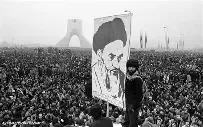
Protests and strikes have once again spread across Iran this week, fuelled by a collapsing currency, soaring prices and mounting public frustration. From Tehran’s historic bazaars to small provincial towns, shops have closed and crowds have returned to the streets. For many Iranians, this unrest feels familiar—part of a recurring cycle that began more than four decades ago.
Since the Islamic Revolution of 1979, Iran has often found itself positioned at the centre of global power rivalries, navigating pressure from the Western bloc led by the United States while strengthening ties with Eastern powers such as Russia and China. Over time, Tehran has emerged as a strategic partner for both Moscow and Beijing within this broader geopolitical contest.
In the late 1970s, Iran was ruled by Shah Mohammad Reza Pahlavi, whose pro-Western government faced growing domestic discontent. Large sections of society—including students, oil workers, clerics and merchants—mobilised against political exclusion and economic inequality. By early 1979, sustained protests forced the Shah into exile. Ayatollah Ruhollah Khomeini returned to Iran and established an Islamic Republic.
While the new system promised social justice, it also imposed strict religious controls. Mandatory hijab laws were introduced for women, political parties were suppressed, and thousands were jailed or executed in the regime’s early years. The eight-year Iran-Iraq war during the 1980s further muted public dissent.
By the late 1990s, a younger generation began challenging the system. In 1999, protests erupted after the closure of a reformist newspaper. Security forces raided student dormitories, killing several protesters and arresting hundreds. Images of injured students circulated globally, highlighting a recurring pattern—leaderless youth movements confronting heavy state repression.
Iran’s largest demonstrations since the revolution followed the disputed 2009 presidential election. When Mahmoud Ahmadinejad was declared the winner, millions took to the streets demanding accountability, chanting, “Where is my vote?”
Security forces responded with widespread violence, using batons, tear gas and live ammunition. The killing of Neda Agha-Soltan, captured on video, became an enduring symbol of the crackdown. The movement was eventually crushed through mass arrests, internet shutdowns and intimidation, with its leaders placed under house arrest—some of whom remain confined today.
From 2017 onward, protest movements increasingly reflected economic distress. Rising food prices, unemployment and declining living standards triggered unrest across dozens of cities. In 2019, a sudden hike in fuel prices sparked nationwide demonstrations, with roads blocked and banks set ablaze.
Security forces responded with lethal force, and human rights organisations estimate that hundreds were killed. Authorities imposed a near-total internet blackout for several days to stem the flow of information.
In September 2022, the death of 22-year-old Mahsa Amini in police custody—after her arrest for allegedly violating hijab rules—ignited one of the longest and most transformative protest waves in Iran’s history. Women publicly removed their headscarves, students joined demonstrations, and the slogan “Woman, life, freedom” echoed nationwide.
The state responded with mass arrests, executions and force. More than 500 people were killed, and over 20,000 were detained. Despite the crackdown, many women continue to defy mandatory hijab laws, signalling a lasting shift in everyday resistance.
Iran’s protest cycles are rooted in three persistent factors. First is economic hardship—sanctions, inflation and corruption have eroded purchasing power, with the rial once again in sharp decline. Second is social control, as restrictions on dress, expression and internet access continue to provoke generational resistance. Third is political closure, with limited avenues for meaningful change through elections, leaving the streets as the primary outlet for dissent.
The current unrest follows a well-worn script: a collapsing currency, rising prices, foreign conflicts and growing domestic anger. Once again, authorities have imposed restrictions on internet and communication services.
Over the past five decades, protests in Iran have surged, receded and returned, driven by the same unresolved tensions—economic pain, social repression and the absence of political voice. Until these underlying issues are addressed, Iran’s streets are likely to remain a stage where history continues to repeat itself.
ଆନ୍ଧ୍ରର ନିର୍ବାଚନ ଘୋଷଣା ପରେ ପୁଣି ଚର୍ଚ୍ଚାରେ କୋଟିଆ...

ରିଲ୍ସରେ ବ୍ୟସ୍ତ ବାପା-ମା’, ଲହଡ଼ି ନିକଟରେ ଛୁଆ...

ଶ୍ୟାମପୁରର ଦୁର୍ଗାପୂଜା କାହିଁକି ନିଆରା? ଦୁର୍ଗାପୂଜା...

ପାରମ୍ପରିକ ରୀତିନୀତିରେ ଆରମ୍ଭ ହେବ ଯାତ୍ରା ପଟଖଣ୍ଡା ଯ...

ଭାରତର ଦମଦାର ୧-୨ ଫିନିଶ୍ ଜାପାନର ଆଇଚି-ନାଗୋୟାରେ ଚାଲ...

ଓଡ଼ିଶାର ବଡିବିଲ୍ଡିଂ ଜଗତ ପାଇଁ ଆସିଛି ଏକ ଦୁଃଖଦ ଖବର। ଜଣ...

ଭାରତୀୟ କ୍ରିକେଟ୍ରେ ଚୟନ କମିଟିକୁ ନେଇ ବଡ଼ ପରିବର୍ତ୍ତନ ଆ...

କୋହଲି-ଗମ୍ଭୀରଙ୍କ ମଧ୍ୟରେ ‘କମ୍ୟୁନିକେସନ୍ ଗ୍ୟାପ୍&...