










Intermittent fasting (IF) has moved from a niche trend to a mainstream dietary practice, attracting attention for potential health benefits beyond weight loss. Unlike conventional diets that emphasizewhatto eat, intermittent fasting revolves aroundwhenyou eat. Popular approaches include the 16:8 method, where you fast for 16 hours and eat within an eight-hour window, or alternate-day fasting. During fasting, only water and low-calorie drinks like black coffee are allowed.
Scientific studies suggest that fasting may help the body switch from burning glucose to stored fat, potentially promoting fat loss. Intermittent fasting is also thought to trigger autophagy—a process where cells clean and recycle damaged components, which could improve cellular function. However, research in humans is still limited, and claims about longevity remain hypothetical.
When it comes to weight loss, evidence indicates that intermittent fasting is not significantly more effective than traditional calorie-restricted diets. A 2022 JAMA Internal Medicine study found that early time-restricted eating led to slightly more weight loss than longer eating windows, but the difference was minor. Experts caution that intermittent fasting should not replace a balanced diet, and overeating during eating windows can negate potential benefits.
While some metabolic benefits, such as reduced insulin levels, are observed during fasting, the practice carries risks. It is not recommended for children, pregnant women, underweight individuals, or those with certain medical conditions. Myths like detoxification or automatic fat loss are not supported by science.
In conclusion, intermittent fasting can be a useful tool for some people when practiced selectively and under proper guidance, but it is not a magic solution. A balanced diet, calorie control, and healthy lifestyle habits remain the most reliable path to sustainable health and weight management.
ଦିଲ୍ଲୀର ସତ୍ୟ ନିକେତନରେ ‘Hostel Daze’ ନା...
ଦକ୍ଷିଣ ଦିଲ୍ଲୀର ସତ୍ୟ ନିକେତନରେ ଭୁଶୁଡ଼ି ପଡ଼ିଥିବା ଏକ P...
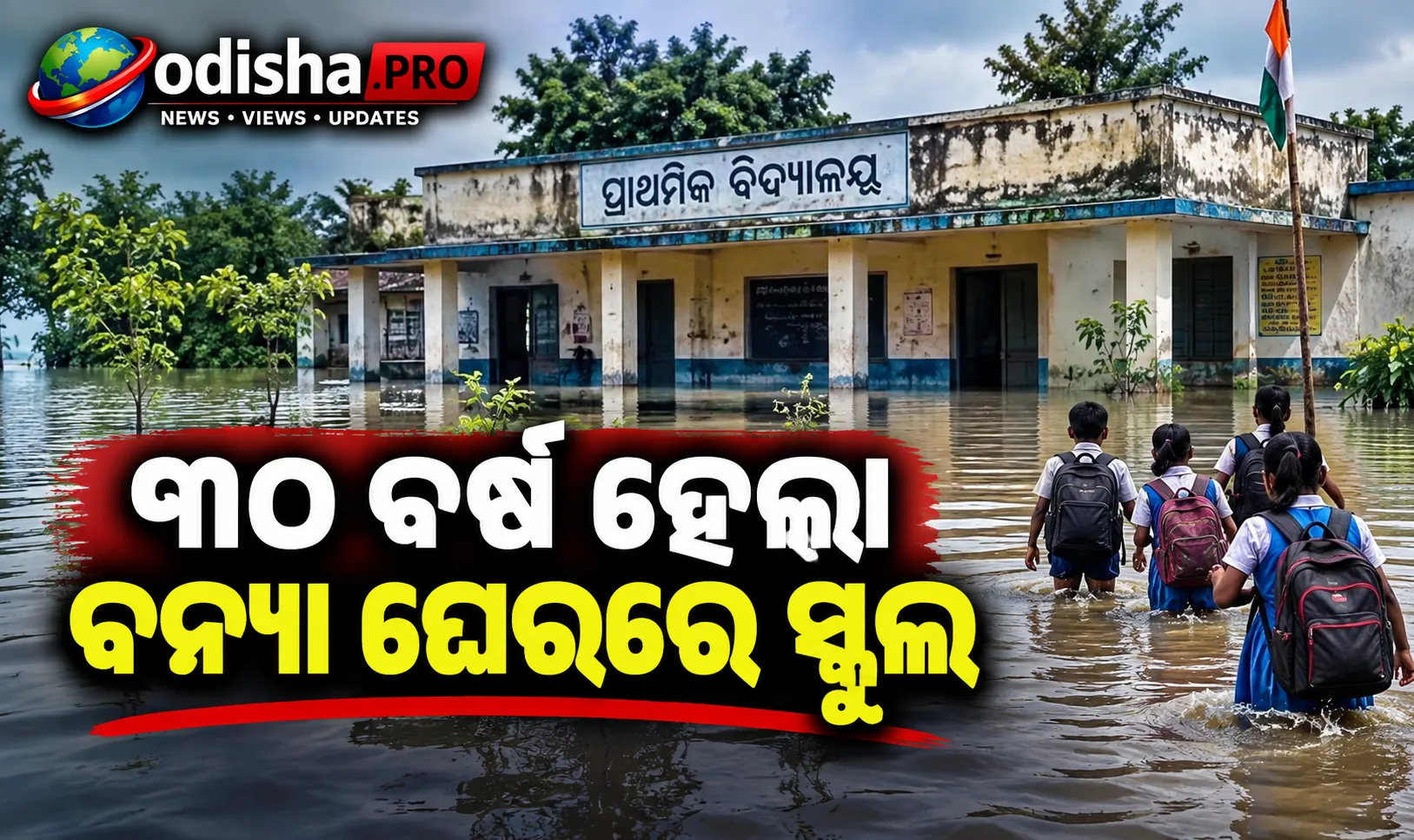
ବର୍ଷା ଆସିଲେ ସ୍କୁଲ ପାଲଟିଯାଏ ଦ୍ୱୀପ ଢେଙ୍କାନାଳ ଭୁବନ...
ଉତ୍ତରପ୍ରଦେଶରେ ଶ୍ରମିକ ଓ ଅନ୍ୟାନ୍ୟ ଦୁର୍ବଳ ପରିବାରର ପିଲ...
ଲ ଯିବା ବାଟରେ ତୀରମାଡ଼ ଅଭିଯୋଗ ସୋମବାର ସମ୍ବଲପୁର ଜିଲ...
ରୋଜଗାର ପାଇଁ ଯାଇଥିଲେ, ଫେରିଲା ମୃତଦେହ ରାୟଗଡ଼ ବ୍ଲକ...

ନ୍ୟୁୟର୍କ: ୟୁଏସ୍‌ ଓପନ୍‌ରେ ଭାରତୀୟ ଟେନିସ୍&z...
ମହାରାଷ୍ଟ୍ରର ପୁଣେ ଓ ପିମ୍ପ୍ରି-ଚିଞ୍ଚୱାଡ ଅଞ୍ଚଳରେ ରବିବା...
ଜନଶୁଣାଣିରେ ଅଭାବନୀୟ ଘଟଣା ରାୟଗଡ଼ା ଜିଲ୍ଲାପାଳଙ୍କ ଜନ...