






Shares of IndiGo, operated by InterGlobe Aviation, fell sharply in early trade on Friday after the airline posted weaker-than-expected profit numbers for the December quarter. The stock dropped nearly 4% at the open as investors reacted to a steep fall in earnings and rising cost pressures.
On the BSE, IndiGo shares opened at Rs 4,840.10, lower than the previous close of Rs 4,913.80, and slipped to an intraday low of Rs 4,723.60 before recovering some ground. By late morning, the stock was trading around Rs 4,795, down over 2% for the day. IndiGo’s market capitalisation stood at about Rs 1.85 lakh crore.
InterGlobe Aviation reported a 77.55% year-on-year decline in consolidated profit for Q3FY26, posting a profit of Rs 5,498 million. The sharp drop was largely due to one-time costs of Rs 9,693 million related to the implementation of new labour laws, along with exceptional items of Rs 5,772 million arising from operational disruptions.
Despite the profit slump, revenue from operations rose 6.2% year-on-year to Rs 2,34,719 million. However, EBITDAR slipped marginally by 0.8% to Rs 60,084 million, reflecting higher costs and margin pressure. Operationally, capacity expanded 11.2% during the quarter, while passenger growth lagged at 2.8%, adding further strain.
Market participants also remain cautious due to risks from currency weakness, fuel price volatility, aircraft availability and higher lease costs. These factors, combined with large exceptional charges, led to a negative reaction in the stock.
Most brokerage firms, however, continue to remain constructive on IndiGo’s long-term prospects. Emkay Global Financial Services has reiterated a buy rating with a target price of Rs 6,300, while Motilal Oswal has maintained a buy call with a target of Rs 6,100, citing strong domestic demand and expanding international operations. JM Financial upgraded the stock to ‘add’, though it trimmed its target price to Rs 5,420 due to currency-related concerns.
While near-term volatility may persist, analysts believe IndiGo’s dominant domestic market position and long-term growth drivers remain intact.

କଟକ: କଟକ ସହରର ଜଳସମ୍ପଦକୁ ନେଇ ଚିନ୍ତା ବଢ଼ିଛି। ମହାନଦୀ...
ଦିଲ୍ଲୀ ବିଶ୍ୱବିଦ୍ୟାଳୟ ଛାତ୍ର ସଂଘ (DUSU) ନିର୍ବାଚନ ୨୦୨...

ବଙ୍ଗୋପସାଗରରେ ଆଉ ଏକ ଲଘୁଚାପ ସୃଷ୍ଟି ହେବାର ପାଣିପାଗ ବିଭ...
ଯଦି ଆପଣ ନୂଆ ପାସପୋର୍ଟ ପାଇଁ ଆବେଦନ କରିବାକୁ ଯାଉଛନ୍ତି,...

ଓଡ଼ିଶାରେ ବାସହୀନ ପରିବାରଙ୍କୁ ପ୍ରଧାନମନ୍ତ୍ରୀ ଆବାସ ଯୋଜନ...

ପୁରୀର ପ୍ରସିଦ୍ଧ ଶ୍ରୀଗୁଣ୍ଡିଚା ମନ୍ଦିର ଖୁବଶୀଘ୍ର ଭକ୍ତଙ୍...
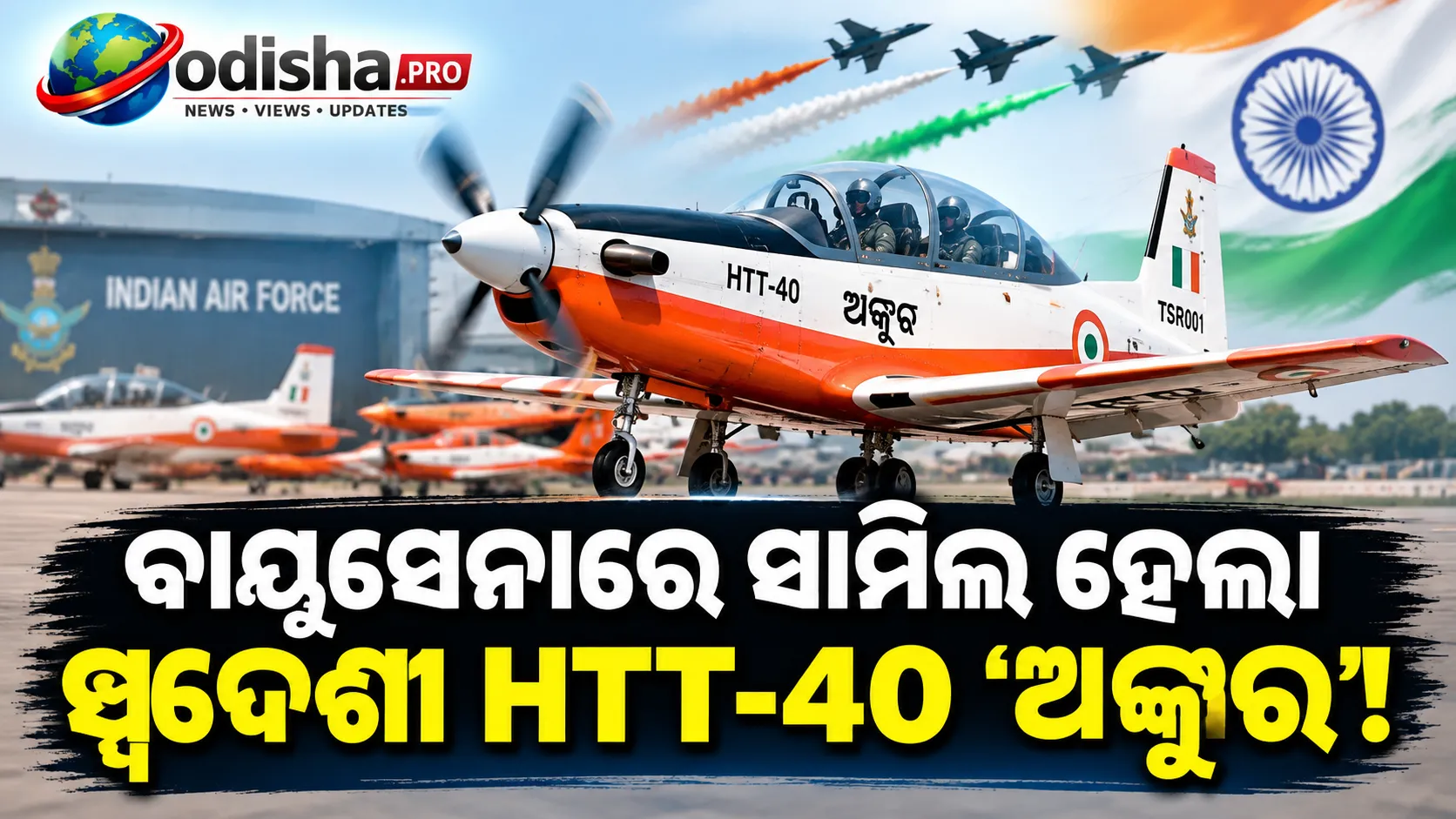
ନୂଆଦିଲ୍ଲୀ: ଭାରତର ସ୍ୱଦେଶୀ ଏରୋସ୍ପେସ୍ କ୍ଷେତ୍ରରେ ଆଉ ଏକ...
ଡେଙ୍ଗୁ ବିରୋଧରେ ଭାରତର ଟିକାକରଣ ପ୍ରୟାସରେ ଏକ ନୂଆ ଅଧ୍ୟା...
