


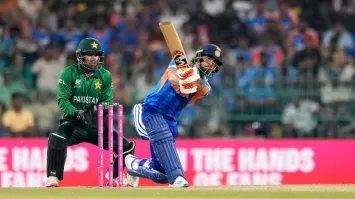
India’s top order has faced a consistent challenge against off-spin in the ICC T20 World Cup 2026, with the team scoring at just 6.23 runs per over from 102 deliveries — the highest faced by any side in the group stage. Among 13 teams that played at least six overs of off-spin, India’s run rate is better only than Nepal and Oman, while most others have scored eight or more per over. Their average against off-spin stands at 13.25, highlighting that the issue is not just tempo but also regular loss of wickets.
The problem has been compounded by India’s left-heavy top order, with six left-handers in the top eight and the top three — Abhishek Sharma, Ishan Kishan, and Tilak Varma — all left-handed. Opponents have consistently exploited this, bowling off-spin early and maintaining pressure. Namibia, Pakistan, and the Netherlands demonstrated how disciplined off-spin, subtle pace variations, and tight lengths can force Indian batters into mistakes. Aryan Dutt’s 4 for 19 for the Netherlands and Abhishek Sharma’s repeated early dismissals are stark reminders of this vulnerability.
Assistant coach Ryan ten Doeschate acknowledged the concern, noting that India have not yet played a “complete game” and that the left-heavy lineup makes planning easier for opponents. The team will need to adjust their approach against finger-spin, rotate the strike better, and prevent stagnation as they enter the Super 8 stage.
The upcoming matches against South Africa, Zimbabwe, West Indies, and New Zealand present similar challenges, with quality off-spin options like Aiden Markram, Sikandar Raza, and Roston Chase waiting to exploit India’s weaknesses. Structural decisions, such as batting order swaps between Tilak Varma and Suryakumar Yadav, may help, but consistency and adaptability will be key on skidding pitches like Ahmedabad.
While India’s dominance in other departments has ensured four wins from four games, the Super 8s will test whether the team can overcome this clear weakness against off-spin. Failure to do so could allow opposition teams to target this vulnerability in the knockout stages of the tournament.

ଭାରତୀୟ ମୂଳର ମହିଳା ବର୍ଷା ଗୋହିଲଙ୍କ ଦୀର୍ଘ ୨୩ ବର୍ଷର ଆଇ...

ବ୍ରହ୍ମଗିରି ଅଞ୍ଚଳରେ ଜଣେ ଯୁବକଙ୍କୁ ନିର୍ମମ ଭାବେ ହତ୍ୟା...
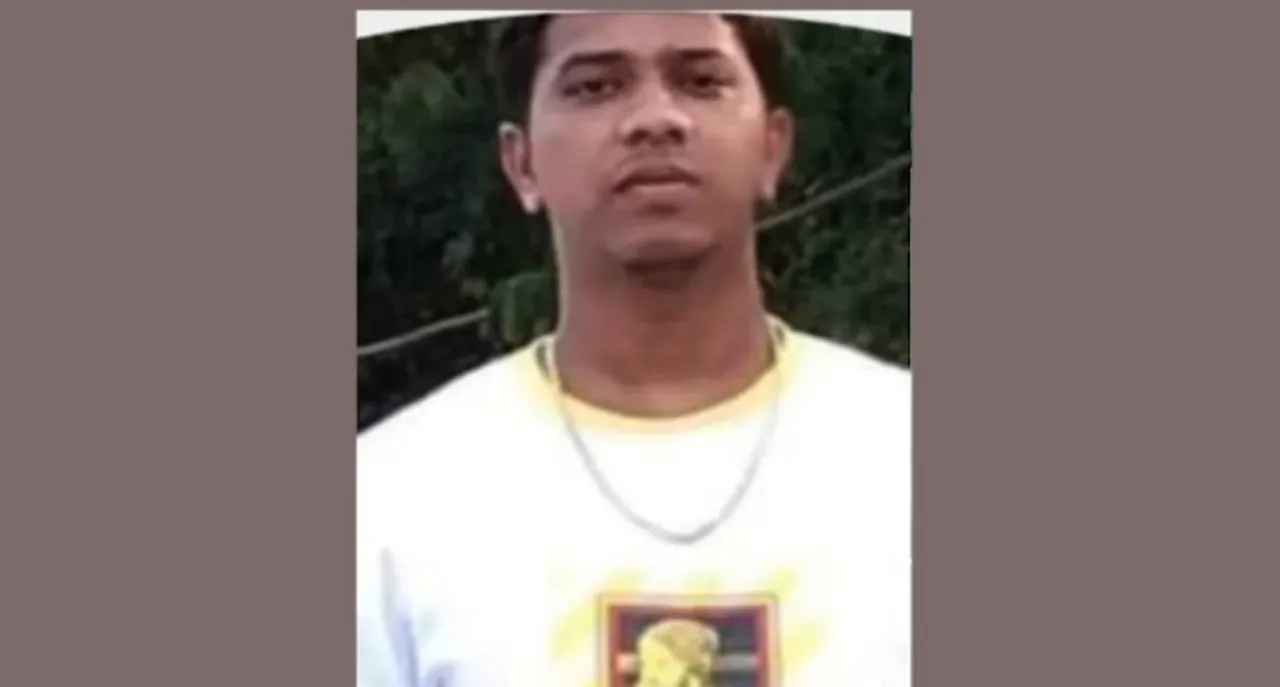
ବ୍ରହ୍ମପୁରର ଅମ୍ବିକା ନଗର ଅଞ୍ଚଳରେ ଜଣେ ଯୁବକଙ୍କୁ ଧାରୁଆ...
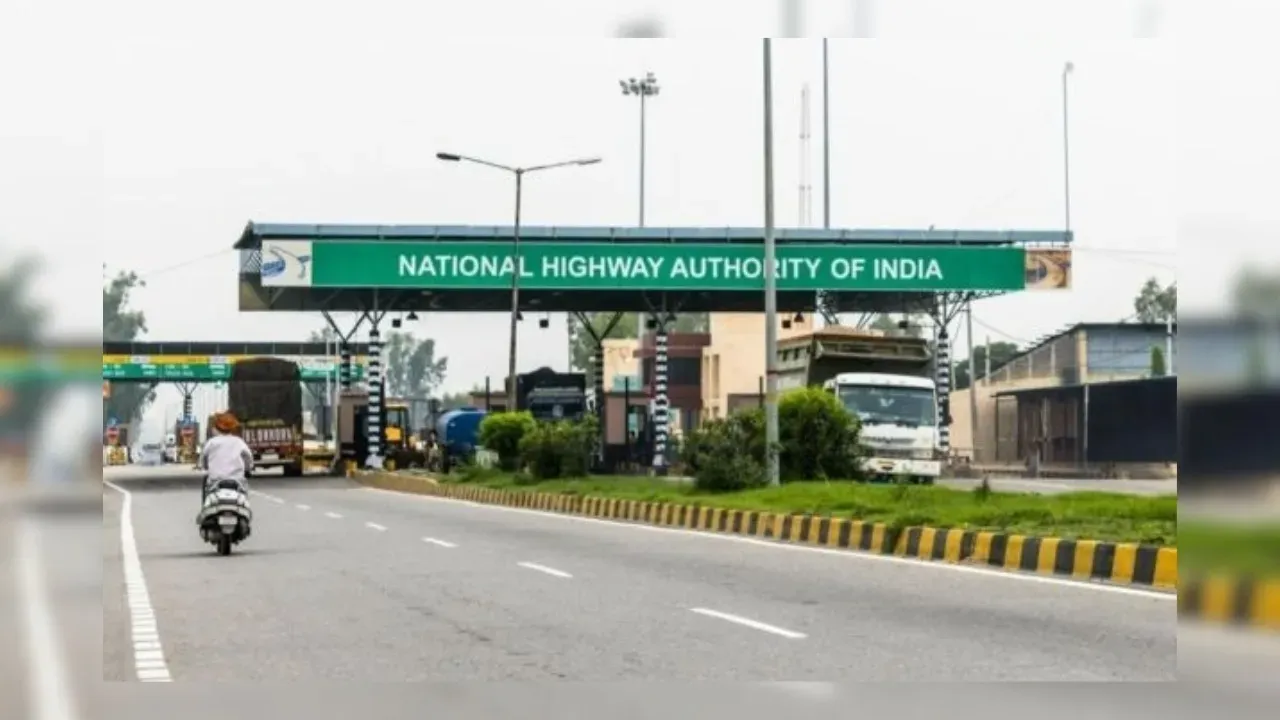
ଦେଶର ସଡ଼କ ଭିତ୍ତିଭୂମି ବିକାଶକୁ ଆହୁରି ଗତିଶୀଳ କରିବା ଲକ...
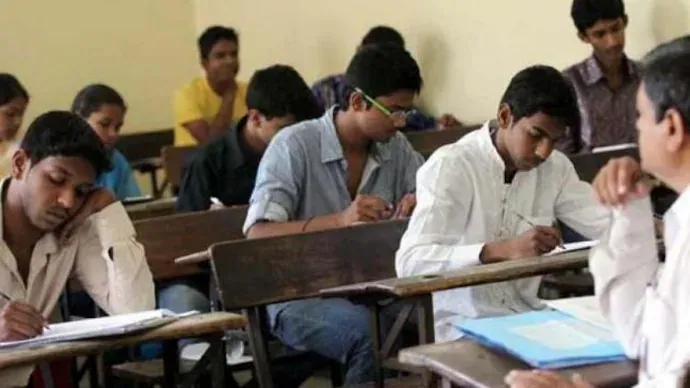
ନିଟ୍-ୟୁଜି ୨୦୨୬ ପ୍ରଶ୍ନପତ୍ର ଲିକ୍ ବିବାଦ ପରେ ଜୁନ୍ ୨୧ରେ...
ନିଟ୍-ୟୁଜି ୨୦୨୬ ପ୍ରଶ୍ନପତ୍ର ଲିକ୍ ବିବାଦ ଏବଂ ପରୀକ୍ଷା ବ...

ରାଜଧାନୀ ଭୁବନେଶ୍ୱରର କେଦାରପଲ୍ଲୀ ବସ୍ତି ଅଞ୍ଚଳରେ ଅବୈଧ ନ...
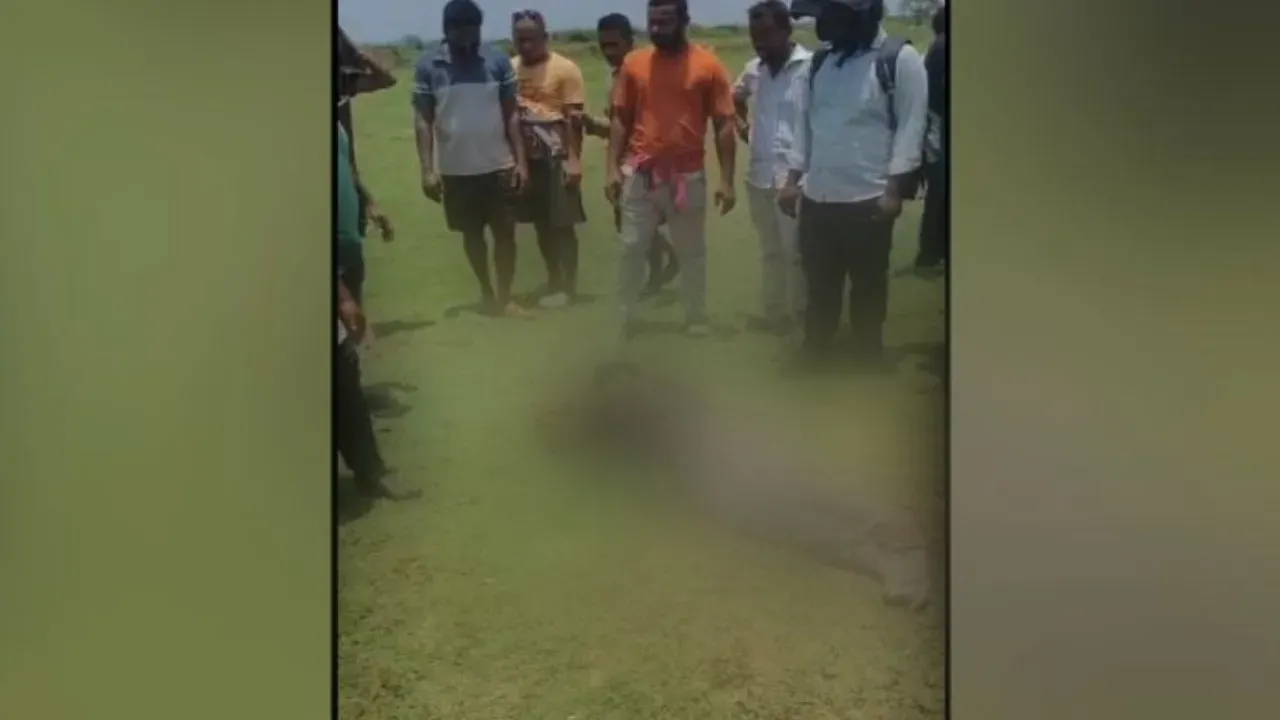
ବାଲିହନ୍ତାରେGRP କନଷ୍ଟେବଳ ସୌମ୍ୟରଞ୍ଜନ ସ୍ୱାଇଁଙ୍କ ମୃତ୍ୟ...
