






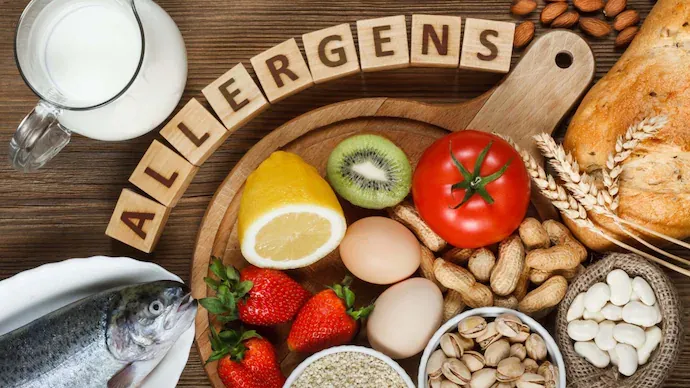
India has released its first unified food allergy guidelines, providing evidence-based recommendations for infant feeding and allergy management. Paediatricians and allergy specialists under the Indian Academy of Paediatrics (IAP) recommend introducing allergenic foods such as peanuts and eggs between six and nine months after complementary feeding begins, overturning earlier practices of delaying such foods. Exclusive breastfeeding for six months continues to be encouraged, and mothers need not avoid allergenic foods during pregnancy or lactation unless medically advised.
The guidelines also emphasise the difference between sensitisation and true allergy, warning against overdiagnosis that may lead to unnecessary dietary restrictions. Accurate diagnosis should combine detailed clinical history, skin prick tests, IgE testing, and, when needed, supervised oral food challenges. Parents are also advised to distinguish between food allergy, which can be life-threatening, and food intolerance, which is less severe.
Beyond medical management, the guidelines call for better food labelling, school preparedness, public education, and access to lifesaving adrenaline autoinjectors. New therapies, including oral immunotherapy and biologics like omalizumab, are promising but costly and require specialised supervision.
By standardising allergy prevention and management strategies for Indian children, these guidelines aim to reduce the risk of severe reactions, prevent overreaction, and ensure balanced nutrition, helping children grow up safe, healthy, and confident around food.
ଲ ଯିବା ବାଟରେ ତୀରମାଡ଼ ଅଭିଯୋଗ ସୋମବାର ସମ୍ବଲପୁର ଜିଲ...
ଟାଟା ମାଲିକାନାଧୀନJaguar Land Rover (JLR)ବ୍ରିଟେନ୍ରେ...

ବର୍ଷା ଆସିଲେ ସ୍କୁଲ ପାଲଟିଯାଏ ଦ୍ୱୀପ ଢେଙ୍କାନାଳ ଭୁବନ...
ବୀମା ପଲିସି କିଣିବା ପରେ ଅନେକ ଲୋକଙ୍କ ପାଇଁ ସବୁଠୁ ବଡ଼ ସ...

ମେଷ ଏହି ସପ୍ତାହରେ ଆତ୍ମବିଶ୍ୱାସ ବଢ଼ିବ। କାର୍ଯ୍ୟକ୍ଷେ...

ଜନଶୁଣାଣିରେ ଅଭାବନୀୟ ଘଟଣା ରାୟଗଡ଼ା ଜିଲ୍ଲାପାଳଙ୍କ ଜନ...
ମାରୁତି ସୁଜୁକି କାର୍ କିଣିବାକୁ ଯୋଜନା କରୁଥିବା ଗ୍ରାହକଙ୍...
ଗୁରୁଗ୍ରାମରDLF Primus ପ୍ରକଳ୍ପକୁ ନେଇ ସୁପ୍ରିମକୋର୍ଟ କଡ...

ରୋଜଗାର ପାଇଁ ଯାଇଥିଲେ, ଫେରିଲା ମୃତଦେହ ରାୟଗଡ଼ ବ୍ଲକ...