







India’s insurance sector is currently witnessing a phase of duality — on one hand, robust growth driven by rising healthcare costs, GST reductions, and customized policy offerings; on the other, persistent challenges such as mis-selling, policy misunderstandings, and increasing consumer grievances.
According to the Insurance Regulatory and Development Authority of India (IRDAI) Annual Report 2024–25, insurers processed more than 11.26 crore general and health insurance claims, along with 26.68 lakh life insurance claims. However, the Bima Bharosa portal recorded 2,57,790 policyholder grievances across life, general, and health segments. This contrast suggests that while claim volumes are substantial, disputes often arise from gaps in product clarity, coverage understanding, and suitability rather than deliberate wrongdoing alone.
Mis-selling remains a serious concern. Complaints classified under Unfair Business Practices (UFBP), which include mis-selling, rose to 26,667 in FY2024–25 — accounting for over 22% of life insurance grievances, up from 19% the previous year. Such practices not only affect individual policyholders but also erode trust in the broader insurance ecosystem. Claim denials stemming from unsuitable policies increase disputes, strain grievance redressal mechanisms, and distort risk pools, ultimately pushing up insurance costs.
First-time buyers are particularly vulnerable, as they rely heavily on advisory guidance during purchase and may disengage from insurance altogether after an adverse claims experience.
To counter these challenges, the industry is increasingly leveraging AI and digital tools. AI-driven underwriting, pricing analysis, and claims processing are already delivering 10–20% efficiency gains, reducing service costs by 20–30%, and improving payout outcomes. Intelligence is now embedded across the insurance value chain — from sales and underwriting to servicing and claims.
India’s insurtech ecosystem, valued at approximately USD 15.8 billion with nearly USD 0.9 billion in revenue, reflects the scale of digital adoption. These platforms enable consumers to compare premiums contextually, identify coverage gaps, and better understand exclusions, waiting periods, sub-limits, and co-payments. By shifting focus from sales incentives to product suitability, AI-enabled tools are promoting more informed decision-making.
However, technology alone cannot solve the problem. Consumer awareness must become the first line of defense. When buyers clearly understand their risk profiles and financial goals, the likelihood of unsuitable recommendations diminishes significantly. Insurance should not be treated as a price-driven purchase; choosing the cheapest plan without evaluating coverage details can result in significant financial loss later.
A structural shift is needed in how insurance products are explained, evaluated, and chosen. Transparent communication, simplified policy structures, and technology-enabled guidance must work alongside informed consumer participation.
Ultimately, awareness transforms insurance from a transactional product into a long-term safety net. As India’s insurance ecosystem continues to scale, insurers must simplify, platforms must guide transparently, and consumers must engage with clarity and curiosity. Informed decisions will reduce disputes, rebuild trust, and strengthen the foundation of a resilient insurance system for the country.
ମହାପ୍ରଭୁ ଶ୍ରୀଜଗନ୍ନାଥଙ୍କ ପ୍ରତି ଓଡ଼ିଆଙ୍କ ଅଗାଧ ଭକ୍ତି...

ଦେଶର ବିଭିନ୍ନ ରାଜ୍ୟରେ ମୌସୁମୀ ବର୍ଷାର ପ୍ରକୋପ ଜାରି ରହି...
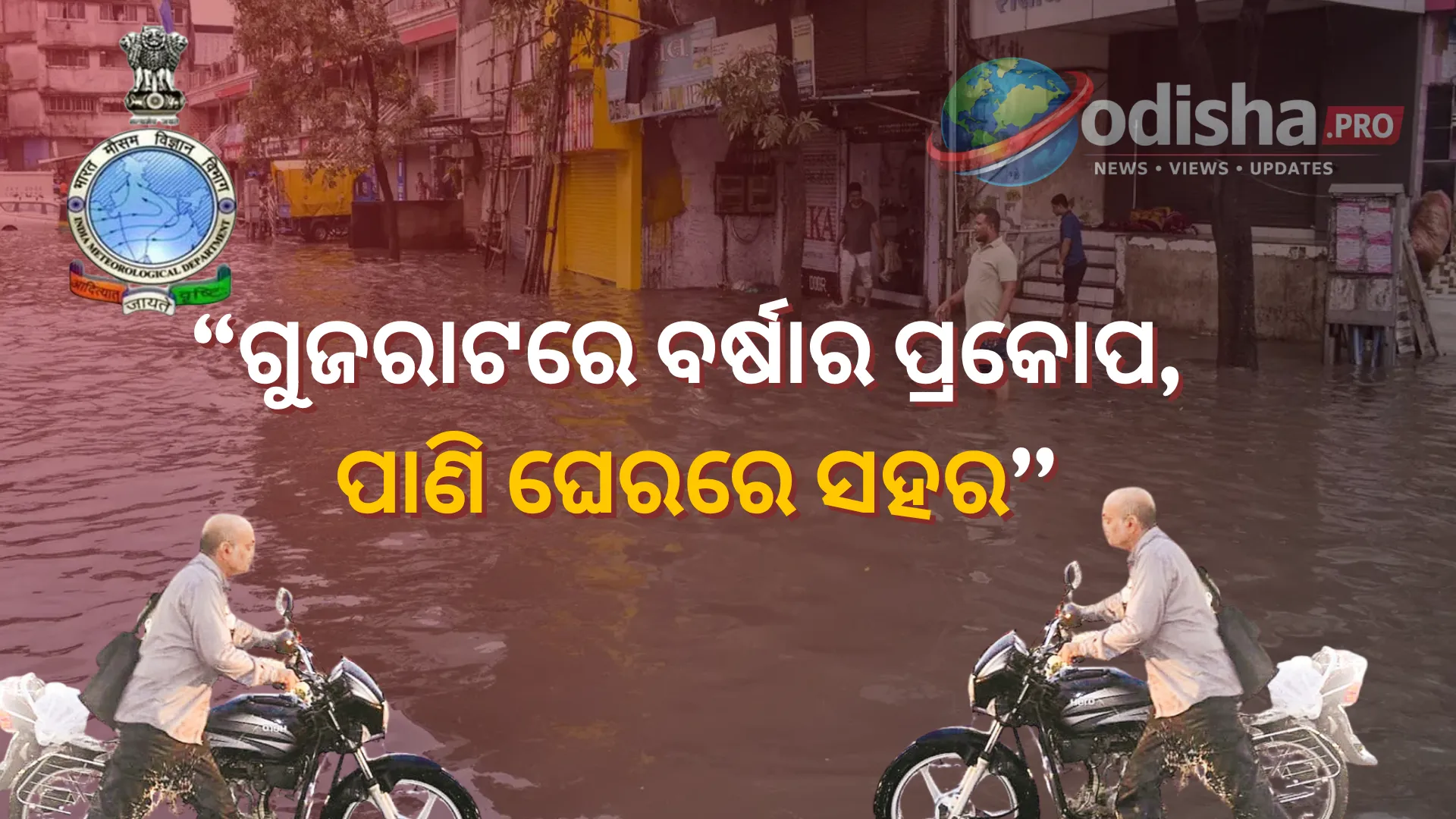
ଗୁଜରାଟରେ ଲଗାତାର ପ୍ରବଳ ବର୍ଷା ଏବଂ ବନ୍ୟା ପରିସ୍ଥିତି ପଛ...

ଭାରତରେ ଦିନେ ଅଷ୍ଟ୍ରେଲିଆ ଓ ଇଂଲଣ୍ଡ ମଧ୍ୟରେ ଐତିହାସିକ ଆଶ...

ଓଡ଼ିଶାରେ ପୁଣି ଥରେ ସକ୍ରିୟ ହେବାକୁ ଯାଉଛି ମୌସୁମୀ। ବଙ୍ଗ...
ଏସ୍‌ଏସ୍‌ ରାଜାମୌଳୀଙ୍କ ବହୁ ପ୍ରତୀକ୍ଷିତ ପ୍ୟା...

ଓଡ଼ିଶାରେ ପୁଣି ଏକଲଘୁଚାପସକ୍ରିୟ ହେବାକୁ ଯାଉଥିବାରୁ ଆଗାମ...
ବହୁ ପ୍ରତୀକ୍ଷିତ ବଲିଉଡ୍ ଫିଲ୍ମ **‘ରାମାୟଣ’...

ଟିମ୍ ଇଣ୍ଡିଆର ପୂର୍ବତନ ଅଧିନାୟକ ତଥା ‘ହିଟ୍‌...

ଭାରତର ପୂର୍ବତନ ଅଫ୍ ସ୍ପିନର ରବିଚନ୍ଦ୍ରନ ଅଶ୍ୱିନଙ୍କ ଏକ ହ...
ଭାରତୀୟ ସିନେମାର ସବୁଠୁ ବଡ଼ ଏବଂ ଆକାଂକ୍ଷୀ ପ୍ରକଳ୍ପମାନଙ୍...

ଗ୍ଲାସଗୋରେ ଆୟୋଜିତ କମନୱେଲ୍ଥ ଗେମ୍ସ ୨୦୨୬ ଅବସରରେ ପ୍ରଧାନ...