


In the winter ofJanuary 1779, the hills around present-dayVadgaon Maval in Maharashtrabecame the site of one of the most significant Indian victories against European colonial forces. The Battle of Wadgaon unfolded during theFirst Anglo-Maratha War (1775–1782), a conflict sparked by British interference in Maratha succession politics.
By the mid-18th century, the British East India Company had consolidated power in eastern India after victories at Plassey and Buxar. TheMaratha Empire, with its strong cavalry, flexible command structure and control over western and central India, remained the last major obstacle to British expansion.
The conflict escalated when the Company supportedRaghunathrao’s claim to the Peshwa’s throneunder the Treaty of Surat (1775). This move was firmly opposed byNana Fadnavis, the astute Maratha statesman who rallied resistance and countered British diplomacy.
A British force of nearly 4,000 troops marched from Bombay towards Pune, confident in European military discipline. What they underestimated was Maratha strategy.
Commanders likeMahadji ShindeandTukoji Rao Holkaravoided direct confrontation. Instead, they:
Cut British supply lines
Used fast cavalry to harass and surround troops
Exploited the rugged Western Ghats terrain
Starved of food, water and reinforcements, the British were forced into a desperate halt at Wadgaon, where Maratha forces encircled them completely.
OnJanuary 16, 1779, the British signed theConvention of Wadgaon, agreeing to:
Return all territories acquired since 1773
Withdraw their forces back to Bombay
The surrender shook British confidence and proved that Indian military power could still decisively defeat a global empire.
The triumph, however, did not last. The Governor-General of Bengal,Warren Hastings, rejected the treaty, calling it unauthorised. Fresh British forces were sent, and the war dragged on until theTreaty of Salbai (1782)restored an uneasy peace.
Though the British eventually regained momentum, the Battle of Wadgaon remains a landmark moment in Indian history:
It exposed the vulnerability of colonial armies
It elevated Mahadji Shinde’s stature within Maratha politics
It stood as a symbol of organised indigenous resistance
The battle did not end British rule in India—but for a moment in 1779, amid the hills of Maharashtra, the Marathas proved that empire could be challenged, surrounded and forced to kneel.

ନୂଆଦିଲ୍ଲୀ: ନ୍ୟାୟିକ ହେପାଜତରୁ ମୁକ୍ତି ପାଇବାର ଦିନକ ପରେ...
ଅକ୍ଟୋବର ୨୧, ବୁଧବାର ଦେଶର ରାଜନୀତି, ନ୍ୟାୟ ବ୍ୟବସ୍ଥା ଓ...

ନୂଆଦିଲ୍ଲୀ: ରାସ୍ତା ଦୁର୍ଘଟଣାରେ ପୀଡ଼ିତ ପରିବାରକୁ ତୁରନ୍...
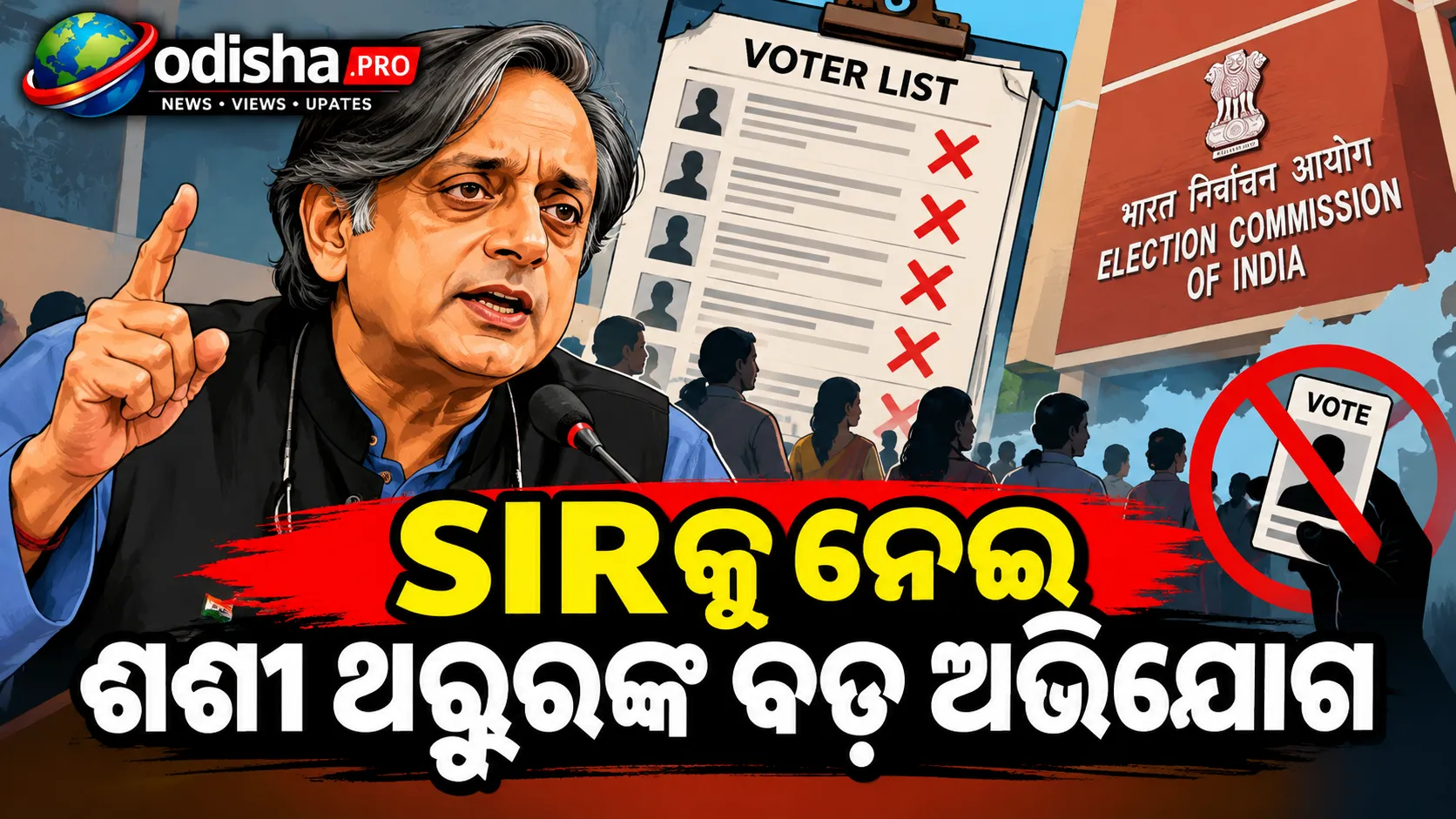
କଂଗ୍ରେସ ସାଂସଦ ଶଶୀ ଥରୁର ବୁଧବାର ତିରୁବନନ୍ତପୁରମରେ ସାମ୍...

ୱାଶିଂଟନ୍: ସୋସିଆଲ ମିଡିଆରେ ଭାରତୀୟ, ଦକ୍ଷିଣ ଏସୀୟ ଏବଂ ହ...

ନୂଆଦିଲ୍ଲୀ:ଦିଲ୍ଲୀର ବିକାନେର ହାଉସ୍ରେ ଶିଳ୍ପୀ ତଥା ଫଟୋଗ୍...

Gen Z ଆନ୍ଦୋଳନକୁ ନେଇ ବିଜେପି ଭୟଭୀତ’ ଦେବୀ ପ୍...

ଶୁକ୍ର ବକ୍ରୀକୁ ନେଇ କ’ଣ କୁହୁଛି ଜ୍ୟୋତିଷ? ଜ୍ୟ...