


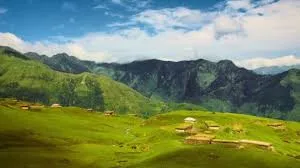
In the first part of our series exploring the unlikely union that brought Jammu and Kashmir together in 1846, we revisit the turbulence and intrigues of the Lahore Darbar, where ambition, betrayal, and opportunism shaped the fate of the region.
In the contemporary context, a long-dormant question has resurfaced in Himalayan politics. Sajad Lone, President of the Jammu & Kashmir Peoples Conference, recently indicated that it may be time to “reconsider the administrative arrangement” between Kashmir and Jammu, hinting at a potential turning point in the region’s governance. While separatist sentiments have occasionally surfaced in Jammu, Lone is the first prominent leader from the Valley to suggest that the two divisions might function better independently.
To understand why this marriage of regions is so fractious today, it is necessary to trace its origin—a union forged not by the will of the people, but by political maneuvering and the sale of territory. Though Jammu and Kashmir are now viewed as inseparable, just over a century before Independence, they were distinct entities, connected only by narrow mountain passes and the ambitions of power players.
The Queen and the WazirAfter the death of Maharaja Ranjit Singh, the “Lion of Punjab,” in June 1839, the empire he had built from the Khyber Pass to the Sutlej River and from Kashmir to Multan was left in chaos. Within four years, three successive maharajas and a regent were murdered, leaving the throne soaked in blood. Amidst this turmoil, two figures held significant sway: Maharani Jindan Kaur, the youngest widow of Ranjit Singh and mother of the boy-king Duleep Singh, and Lal Singh, her rumored lover and the empire’s wazir (prime minister). Bound by political convenience or personal attachment, Jindan Kaur and Lal Singh tried to maintain control over the empire while contending with a restive Khalsa army.
The Raja Who WaitedMeanwhile, Raja Gulab Singh of Jammu, a Dogra Rajput, patiently built his power base. Granted Jammu as a jagir by Ranjit Singh, Gulab Singh expanded his territory methodically, conquering Ladakh, Baltistan, and parts of western Tibet. By the 1840s, he commanded a vast, semi-autonomous domain and maintained a well-trained, loyal Dogra army, all while paying nominal tribute to the Sikh court. He watched the mismanagement and unpopularity of Jindan Kaur and Lal Singh with the Khalsa army, waiting for an opportunity to advance his ambitions.
Sutlej: The Liquid WallThe Sutlej River, as per the Treaty of Amritsar (1809), marked the boundary between the Sikh Empire and British-protected territories. After Ranjit Singh’s death, the British began encroaching on Cis-Sutlej areas such as Ferozepur, Ludhiana, and Ambala, violating the spirit of the treaty. By 1845, British forces had swelled to over 40,000, signaling that the stage was set for confrontation.
Chaos in LahoreInside Lahore, the central government had collapsed. The Khalsa army, numbering 80,000 and increasingly mutinous, became the de facto sovereign. Maharani Jindan, Lal Singh, and Tej Singh faced a dilemma: maintain control over a restless army or risk destruction by urging it into war. Their choice, influenced by desperation and possibly treachery, was to push the army into British territory, hoping either to disperse it or to secure their own survival.
Descent into WarOn December 11, 1845, the Khalsa army crossed the Sutlej, igniting the First Anglo-Sikh War. Battles at Mudki and Ferozeshah were marked by fierce fighting, but also by acts of apparent sabotage and withdrawal by key Sikh commanders, suspected of colluding with the British. These betrayals left the Khalsa soldiers demoralized but not defeated, setting the stage for the decisive showdown at Sobraon.
The forthcoming Part Two will focus on the Battle of Sobraon—the so-called “Waterloo of India”—and the subsequent Treaty of Amritsar, where the price of Kashmir was literally calculated in Nanakshahi rupees, cementing the fate of the region for centuries to come.

ଶ୍ରୀଲଙ୍କା ବିପକ୍ଷ କଲମ୍ବୋ ଟେଷ୍ଟରେ କୁଲଦୀପ ଯାଦବଙ୍କ ଅନୁ...

ଭାରତ ଓ ଶ୍ରୀଲଙ୍କା ମଧ୍ୟରେ କଲମ୍ବୋରେ ଚାଲିଥିବା ଦ୍ୱିତୀୟ...
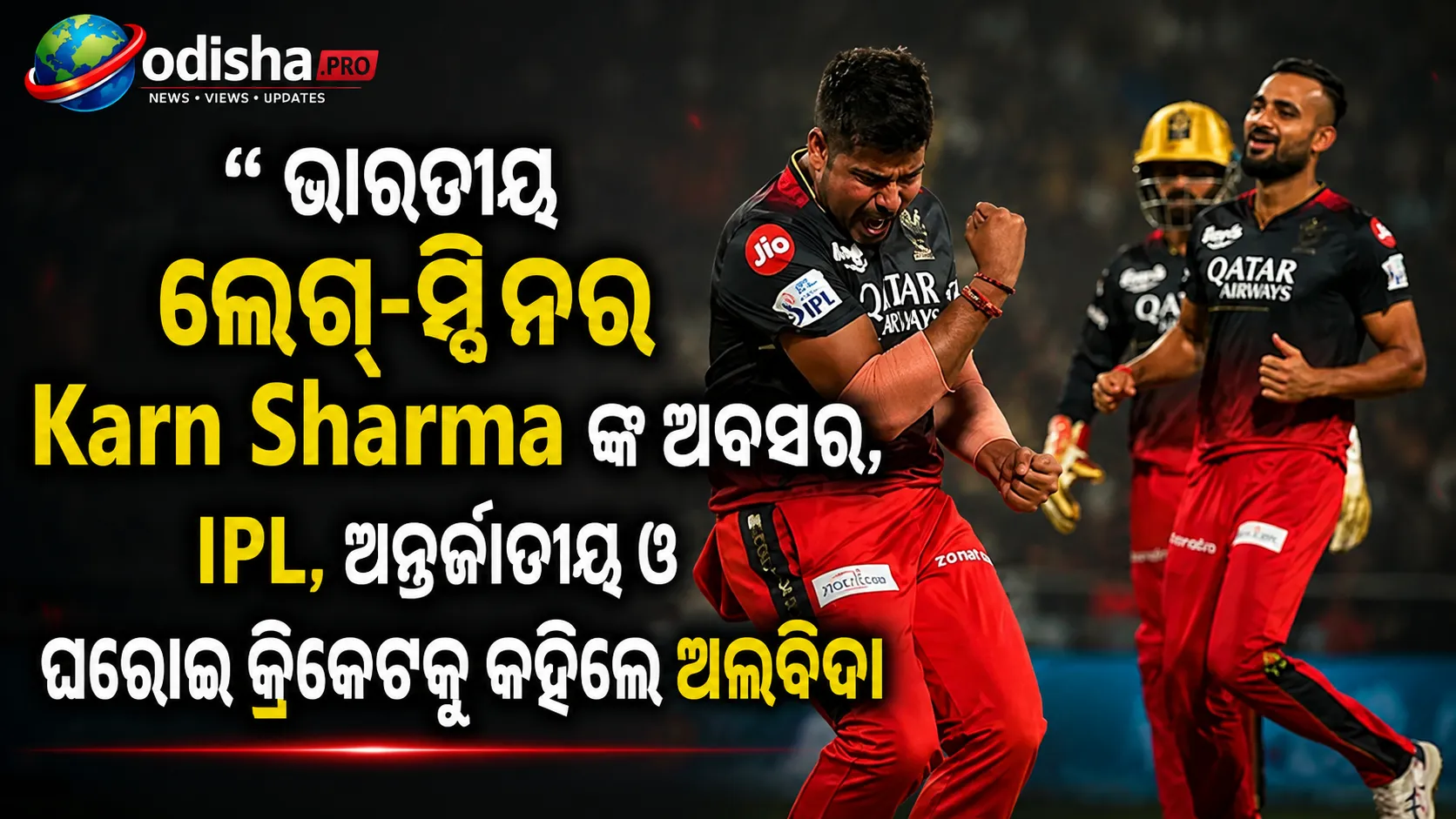
ଭାରତୀୟ ଲେଗ୍-ସ୍ପିନର କର୍ଣ୍ଣ ଶର୍ମା ଅନ୍ତର୍ଜାତୀୟ ଓ ଭାରତ...

ଶ୍ରୀଲଙ୍କା ବିପକ୍ଷ କଲମ୍ବୋ ଟେଷ୍ଟରେ ଭାରତୀୟ ୱିକେଟକିପର-ବ...

କାନାଡାର ଏଡମଣ୍ଟନ୍‌ସ୍ଥିତ ଏକ ଶିଖ୍ ଗୁରୁଦ୍ୱାରରେ ଭୋ...
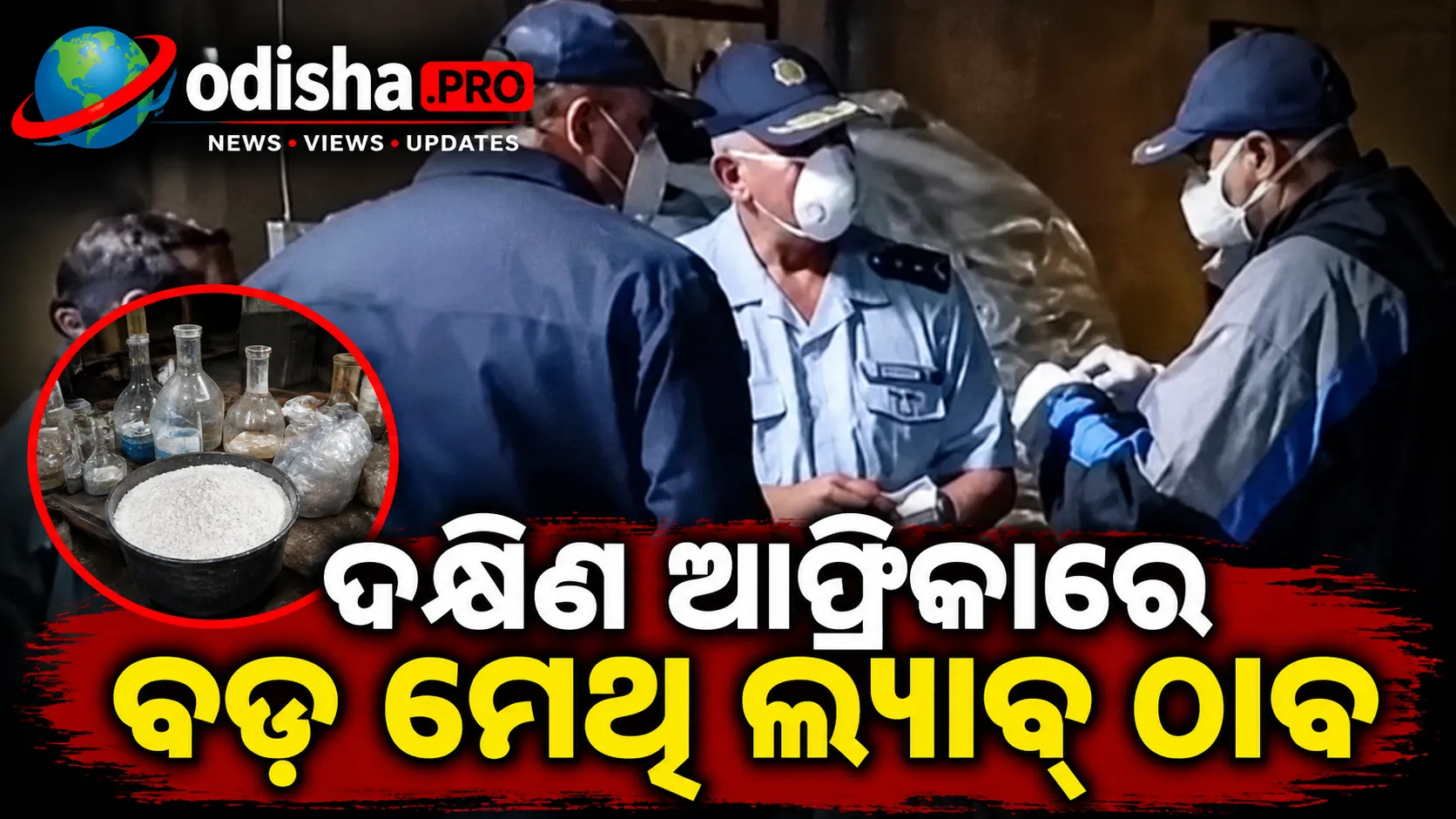
ଦକ୍ଷିଣ ଆଫ୍ରିକାରେ ଏକ ବଡ଼ ଧରଣର କ୍ରିଷ୍ଟାଲ୍ ମେଥାମ୍ଫେଟା...

ଆମେରିକାର ମାସାଚୁସେଟ୍ସରେ ନିଜ ୩ ଶିଶୁଙ୍କୁ ହତ୍ୟା କରିବା...
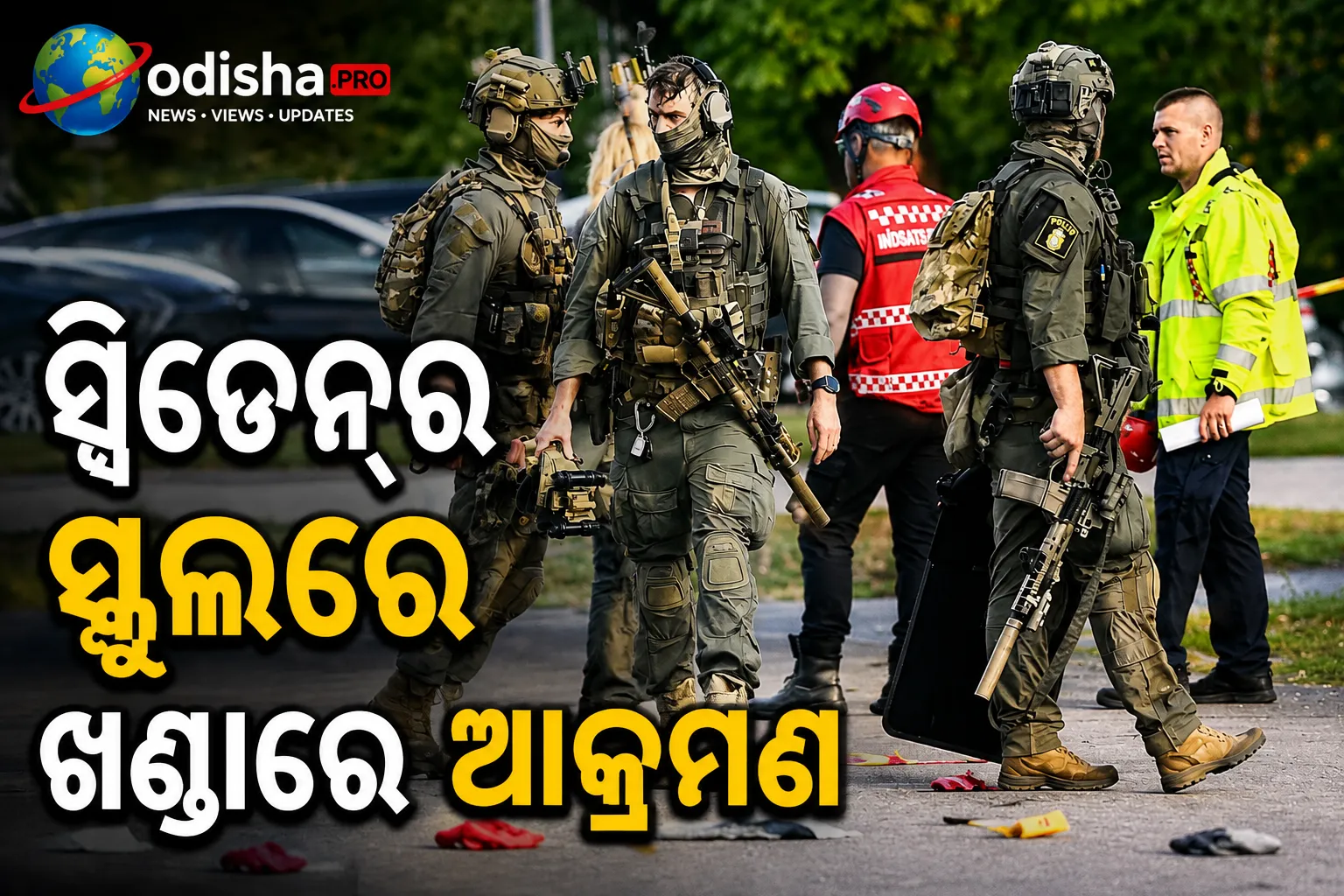
ସ୍ୱିଡେନ୍‌ର ମଧ୍ୟଭାଗରେ ଥିବା ଫାଗେର୍ଷ୍ଟା ସହରର ଏକ...

ଆଲାର୍ମ ବାଜିବା ପୂର୍ବରୁ ସ୍ୱାଭାବିକ ଭାବେ ଉଠିବା ଅନେକଙ୍କ...