








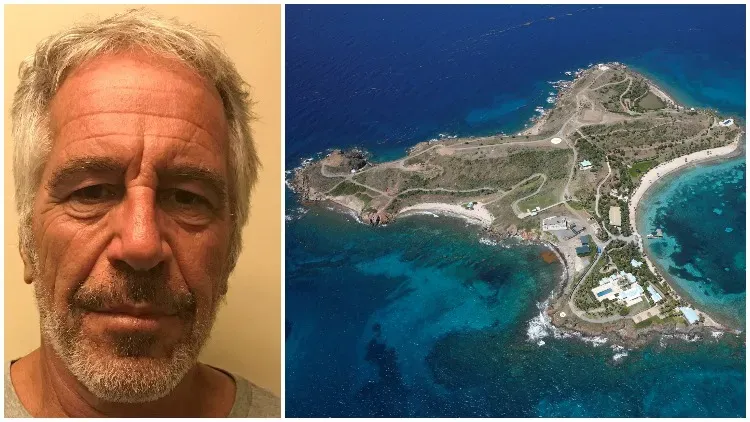
In early 2026, the U.S. Department of Justice released millions of pages of documents tied to Jeffrey Epstein and his private island in the U.S. Virgin Islands, reigniting debate about how a secluded property became what many call a legal blind spot for decades.
Epstein’s Little Saint James — privately owned but under the jurisdiction of U.S. federal and territorial law — was the site of repeated allegations of sex trafficking and abuse. Despite multiple investigations over the years, the full extent of activities on the island only emerged through investigative reporting and legal battles rather than proactive oversight.
Several structural and enforcement issues contributed to this oversight gap:
1. Jurisdictional Complexity: Although the island fell under the legal framework of U.S. and Virgin Islands law, its remote location and the way Epstein structured his ownership through shell companies complicated early detection and enforcement. Local policing was limited, and law enforcement coordination with federal agencies was uneven.
2. Limited Active Oversight: Formal regulatory frameworks tend to rely on reporting and prosecution once complaints emerge. On Little Saint James, the lack of early, aggressive action — despite warnings and rumors — allowed activities to continue longer than they might have in another setting.
3. Power and Influence: Epstein’s wealth and high‑profile connections reportedly helped shield him from scrutiny. Critics argue that settlements and plea deals in the past reflected prosecutorial choices that prioritized expedience over comprehensive accountability.
To many observers, the “blind spot” wasn’t an absence of law — authorities had jurisdiction — but rather failures in enforcement and coordinated oversight. Intelligence gaps, deference to procedural norms, and Epstein’s ability to navigate legal systems meant that law enforcement didn’t fully intervene until much later.
Even with the ongoing release of the Epstein files under the Epstein Files Transparency Act, questions remain about why the fullest picture of what happened at the island took years of public pressure and litigation to emerge.
While India does not have a direct analogue to Epstein and his island, understanding risks requires looking at differences in legal and enforcement systems:
1. Stronger Local Enforcement: India’s criminal law framework, under the Indian Penal Code and procedural codes, allows police to act proactively when crimes are reported — though enforcement quality still varies by region.
2. No Equivalent Offshore Territory: India’s jurisdiction doesn’t include external territories with separate governance structures, limiting law enforcement gaps tied to complex territorial law.
3. Vigilance and Civil Society: India has a robust press and active civil society — factors that often prompt investigations and public scrutiny when crimes are suspected.
However, experts warn that power, wealth, and influence can still distort accountability anywhere. Weak enforcement, delayed investigations, or lack of coordination between agencies could enable wrongdoing to persist unchecked — even without a remote island setting.
Active Legal Oversight: Laws are only effective when backed by enforcement on the ground.
Public Transparency: Declassification and the release of investigative material — as seen with the Epstein files — help ensure accountability.
Anti‑Trafficking Enforcement: Specialized units and clear reporting mechanisms are essential to prevent exploitation.
In short, the Epstein scandal highlighted not just legal jurisdiction, but how enforcement, resources, and public pressure determine whether justice keeps pace with alleged crimes.
ମ୍ୟାଲେରିଆ ପ୍ରତିରୋଧ କ୍ଷେତ୍ରରେ ଏକ ବଡ଼ ଅପଡେଟ୍ ଆସିଛି।...
SMA ଔଷଧକୁ ନେଇ କେରଳରେ ଚର୍ଚ୍ଚା ଓ ବିବାଦ ମଧ୍ୟରେ ସ୍ୱାସ୍...
ଆମେରିକା ରାଷ୍ଟ୍ରପତି ଡୋନାଲ୍ଡ ଟ୍ରମ୍ପ ପୁଣିଥରେ ଭାରତ-ପାକ...

ଚେନ୍ନାଇରେ ଶୁକ୍ରବାର ଭୋଟର ତାଲିକାର **Special Summary...

Meta Glass ପାଇଁ ମୋର ସନ୍ଦେହ ହେଲା’ ଶିବକୁମାର...
ଆମେରିକା ଓ ରୁଷିଆ ମଧ୍ୟରେ ଡିଜେଲ୍ ବାଣିଜ୍ୟକୁ ନେଇ ବଡ଼ ପର...
ଇରାନକୁ ନେଇ ଆମେରିକାର ଆଭିମୁଖ୍ୟ ପୁଣିଥରେ କଡ଼ା ହୋଇଛି। ଆ...
ଦକ୍ଷିଣ ପ୍ରଶାନ୍ତ ମହାସାଗରରେ ଭାନୁଆଟୁ ଦ୍ୱୀପପୁଞ୍ଜ ନିକଟର...
