




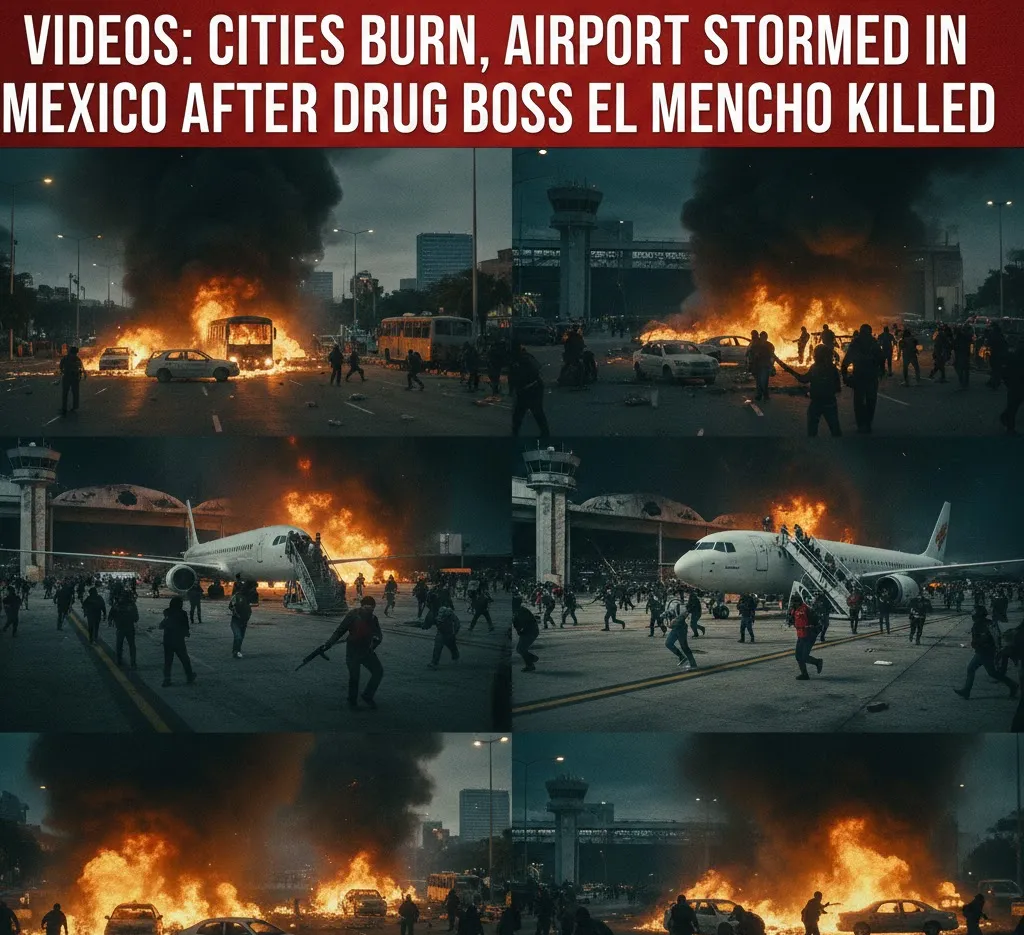
Mexico witnessed an unprecedented wave of cartel violence after Nemesio “El Mencho” Oseguera, the feared leader of the Jalisco New Generation Cartel, died in custody following a special forces operation in Jalisco state. His death marked one of the most significant blows to organized crime in recent Mexican history, but it also unleashed immediate and coordinated retaliation by cartel members.
Within hours of the confirmation, heavily armed operatives set up more than 250 burning roadblocks across at least 20 states, torching vehicles, blocking highways, and paralysing major transport routes. Thick smoke blanketed several cities, forcing residents to remain indoors and bringing daily life to a halt. Authorities reported intense clashes between security forces and cartel gunmen, resulting in multiple casualties, including National Guard personnel.
The violence extended to major urban and tourist centres. In Puerto Vallarta, panic spread among tourists as reports of gunfire near the airport forced people to flee, while major airlines suspended flights citing security threats. Similarly, Mexico’s second-largest city, Guadalajara, turned into a virtual ghost town as roads were blocked, vehicles burned, and businesses shut down.
International concern grew rapidly, with embassies issuing safety alerts and urging citizens to remain sheltered. The scale and speed of the retaliation highlighted the powerful reach and operational strength of the cartel, which has long been involved in trafficking fentanyl and other narcotics into North America.
Security forces remain on high alert as the government works to restore order. While the operation eliminated one of the world’s most wanted drug lords, the aftermath underscores the continuing challenge Mexico faces in dismantling deeply entrenched criminal networks.
: ୟୁକ୍ରେନ ସଂଘର୍ଷ ଅଞ୍ଚଳରେ କାର୍ଯ୍ୟରତ ଭାରତୀୟ ନାବିକଙ୍କ...
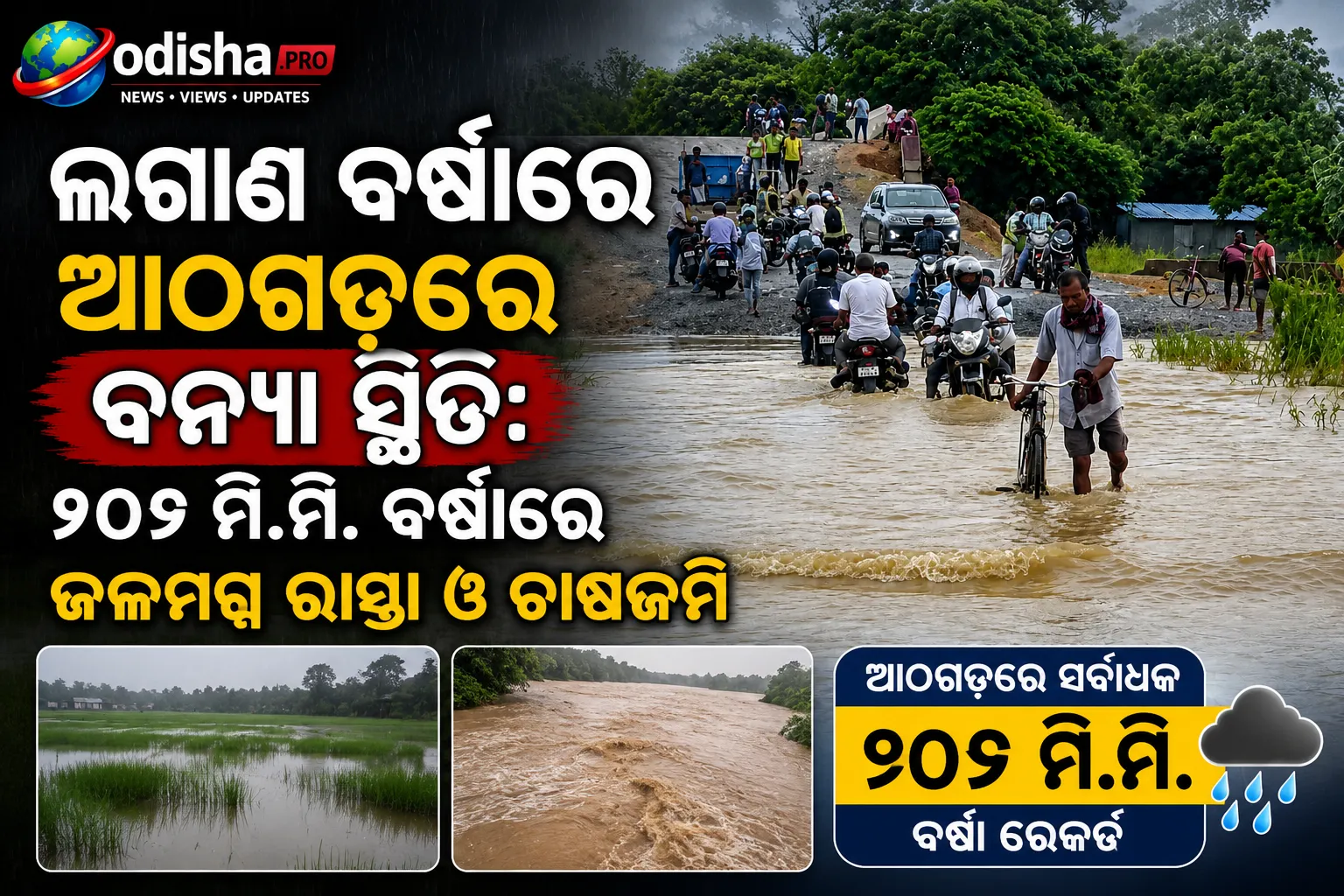
ସକ୍ରିୟ ମୌସୁମୀ ବାୟୁ ପ୍ରଭାବରେ ଓଡ଼ିଶାର ବିଭିନ୍ନ ସ୍ଥାନର...
ସିକ୍କିମରେ ଘଟିଥିବା ଭୟଙ୍କର ଟନେଲ ଦୁର୍ଘଟଣା ସମଗ୍ର ଦେଶକୁ...
ଭାରତ ଓ ଜିମ୍ବାୱେ ମଧ୍ୟରେ ଜୁଲାଇ ୨୩ରୁ ଆରମ୍ଭ ହେବାକୁ ଥିବ...
ଭାରତୀୟ କ୍ରିକେଟ୍ ଦଳର ପୂର୍ବତନ ଅଫ୍‌ ସ୍ପିନର ରବିଚନ...
ରାଜଧାନୀ ଦିଲ୍ଲୀରେ ଚାଲିଥିବା ତୀବ୍ର ପ୍ରତିବାଦ ଓ ଆନ୍ଦୋଳନ...
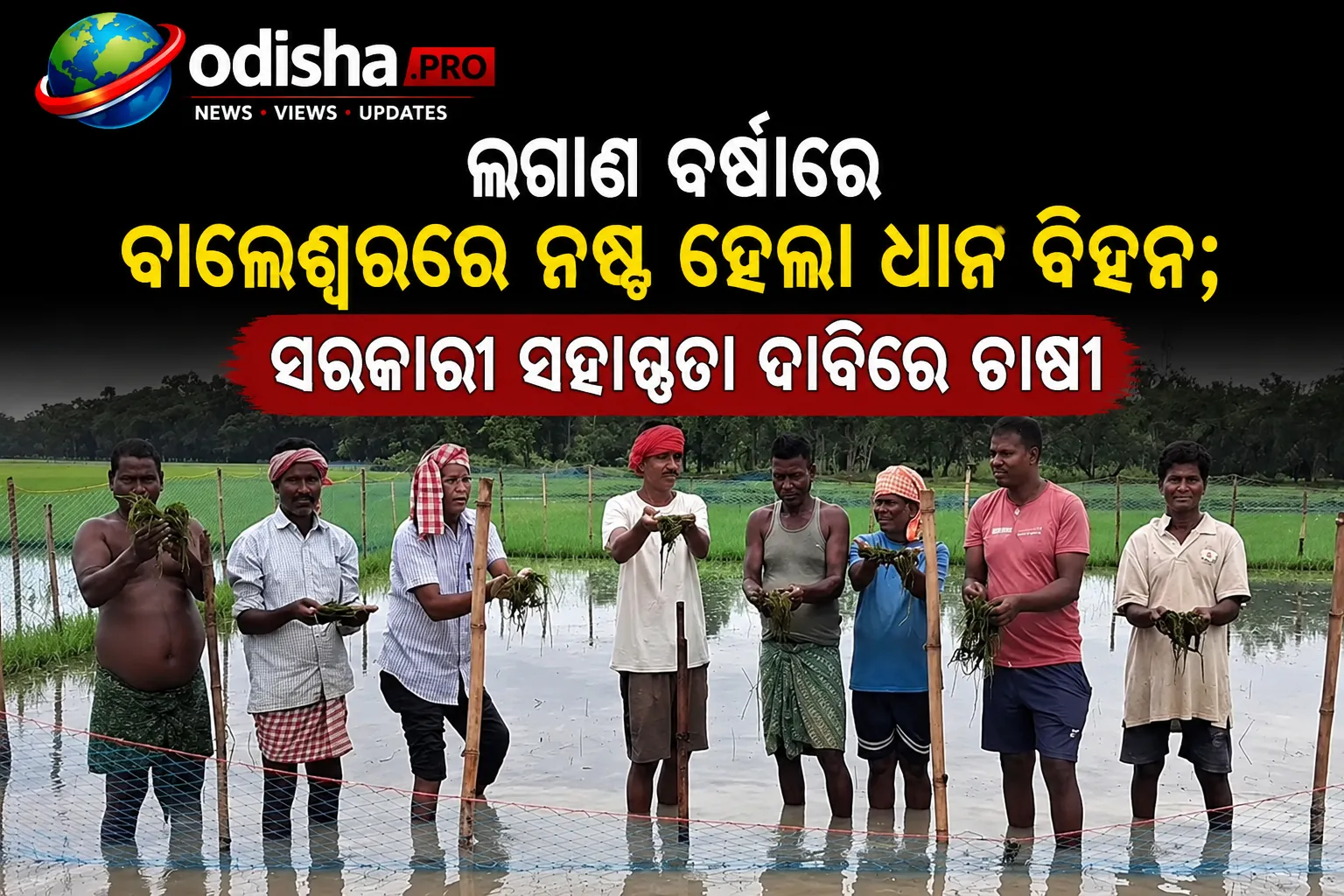
ରାଜ୍ୟରେ ଲଗାଣ ବର୍ଷା ଜାରି ରହିଥିବା ବେଳେ ବାଲେଶ୍ୱର ଜିଲ୍...
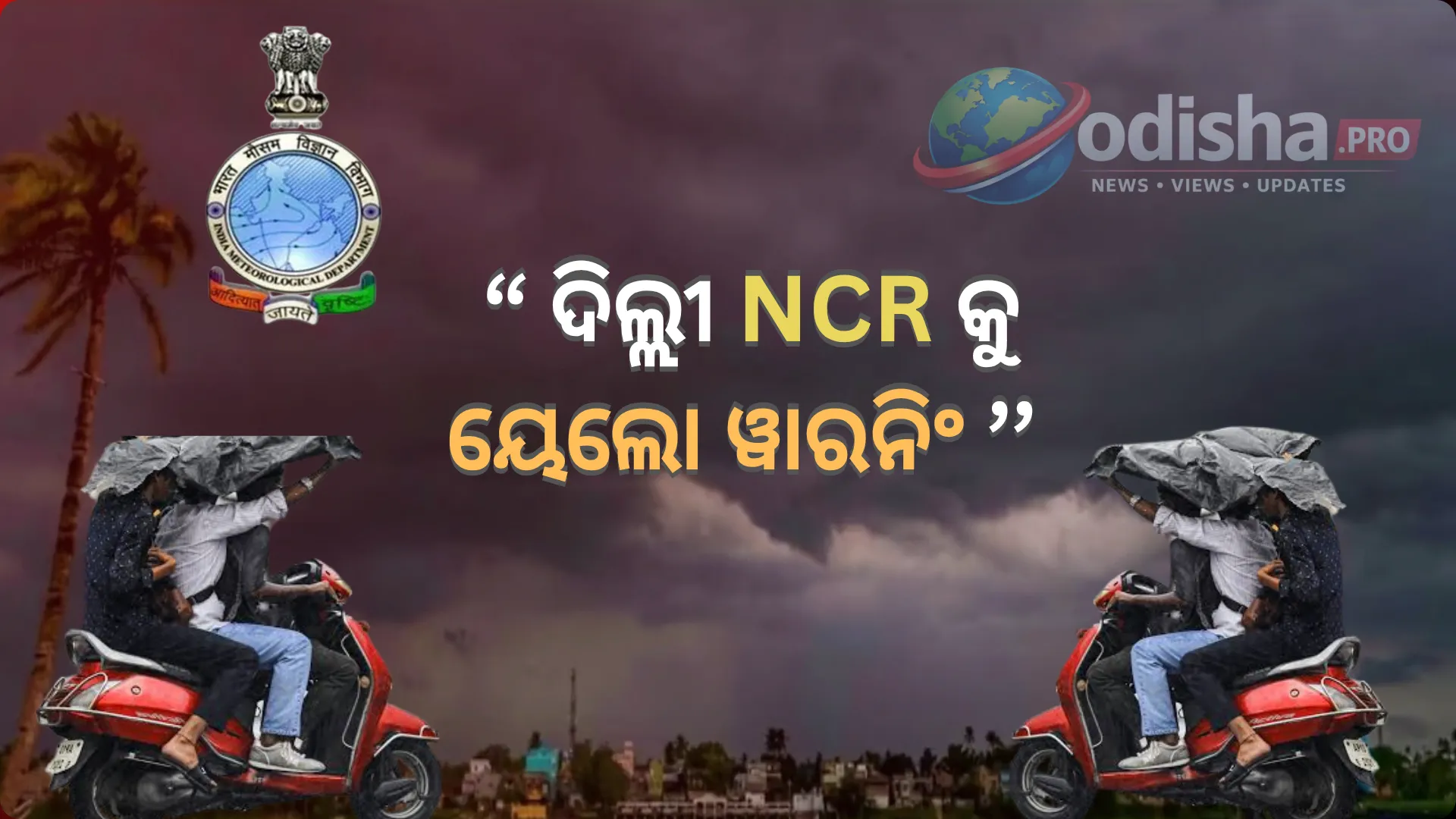
ଦିଲ୍ଲୀ-ଏନ୍‌ସିଆରରେ ପାଗରେ ହଠାତ୍ ପରିବର୍ତ୍ତନ ଦେଖା...
ରାଜଧାନୀ ଦିଲ୍ଲୀର ଜନ୍ତରମନ୍ତରରେ ଛାତ୍ରଛାତ୍ରୀଙ୍କ ବିରୋଧ...
ଟେଷ୍ଟ ଓ ଟି-୨୦ ଆନ୍ତର୍ଜାତୀୟ କ୍ରିକେଟ୍ରୁ ସନ୍ନ୍ୟାସ ନେବା...
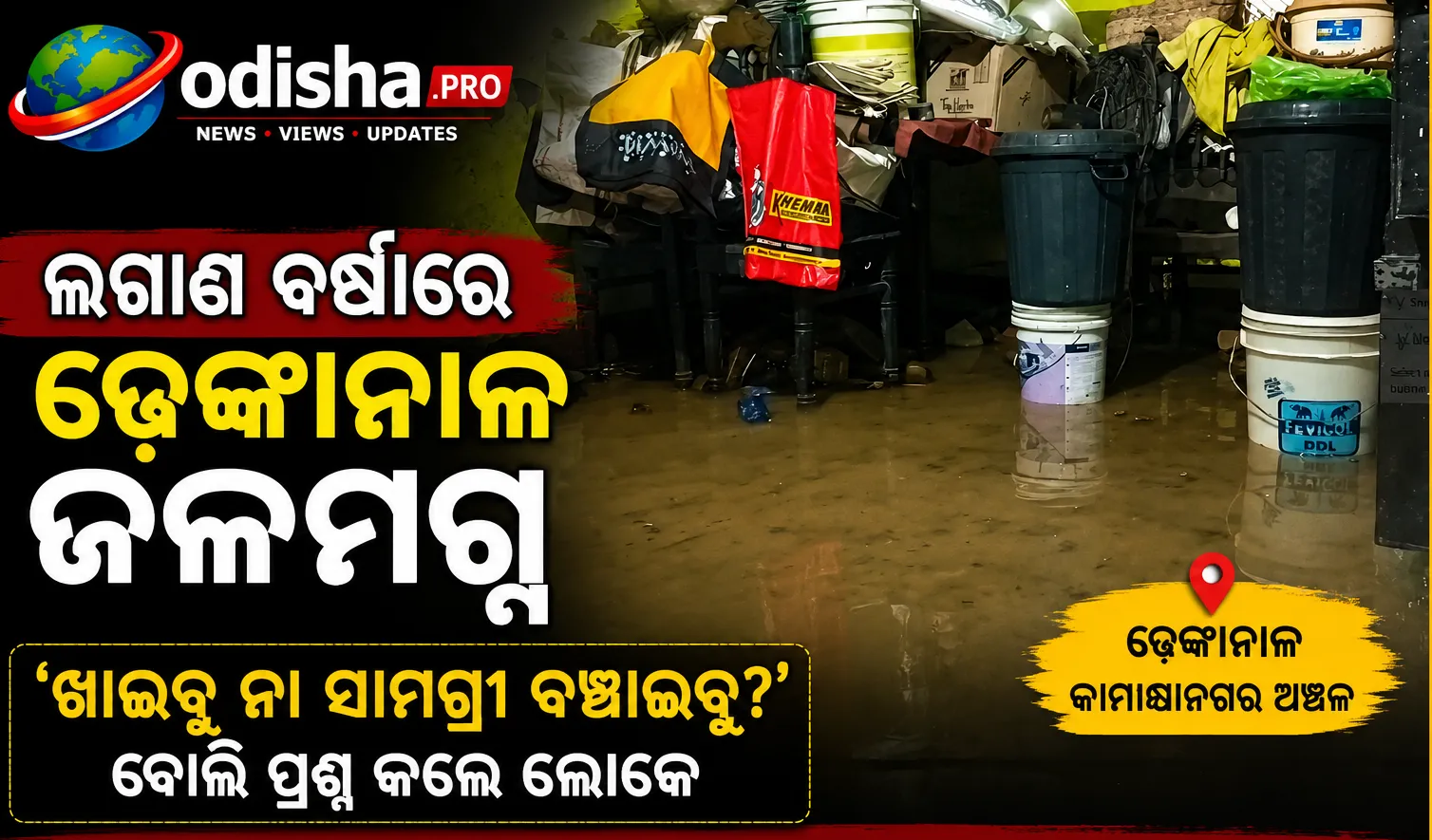
ଲଘୁଚାପ ପ୍ରଭାବରେ ଲଗାଣ ବର୍ଷା ଯୋଗୁଁ ଢେଙ୍କାନାଳ ଜିଲ୍ଲାର...
ଚୀନ୍ ଓପେନ୍ ବ୍ୟାଡମିଣ୍ଟନ୍ ଟୁର୍ଣ୍ଣାମେଣ୍ଟରେ ଭାରତର ଷ୍ଟା...