







The promise of hassle-free and fully online services at Regional Transport Offices (RTOs) in Odisha appears far from reality, as middlemen continue to dominate operations in Bhubaneswar, exploiting applicants and charging exorbitant fees for services meant to be easily accessible online.
Despite repeated assurances by the state government that the middleman system has been eliminated, ground-level realities suggest otherwise. Services such as driving licence issuance and renewal, vehicle registration, and permit-related work—officially available through online platforms—are still largely being facilitated by agents operating openly within and around RTO premises.
At the RTO-1 office in Bhubaneswar, agents are allegedly charging as much as ₹1,200 for services that officially cost around ₹200. These transactions reportedly take place in full public view, with little to no intervention from authorities. According to sources, hundreds of applicants fall prey to such practices daily due to lack of guidance and system inefficiencies.
An investigation by local media recently highlighted the issue, exposing how middlemen continue to thrive despite repeated government assurances. The report pointed out that many applicants struggle due to non-functional online kiosks, lack of assistance desks, and delays in digital approvals such as eye-test certifications.
Citizens have demanded better facilitation at RTO offices, including functional help desks and on-site support for online applications. “There should be proper assistance for people who are not tech-savvy. Without help, people are forced to approach agents,” said one affected applicant.
Reacting to the allegations, Transport Minister Bibhuti Bhushan Jena stated that the matter would be reviewed and assured strict action against those exploiting the system. He reiterated that all RTO services are fully digital and claimed that help desks have been set up to assist applicants. “We have received complaints regarding overcharging by agents. Necessary steps will be taken to curb such practices,” he said.
The situation has once again raised concerns over the effectiveness of digital governance at the grassroots level and the need for stricter monitoring to ensure transparency and accountability within the transport department.
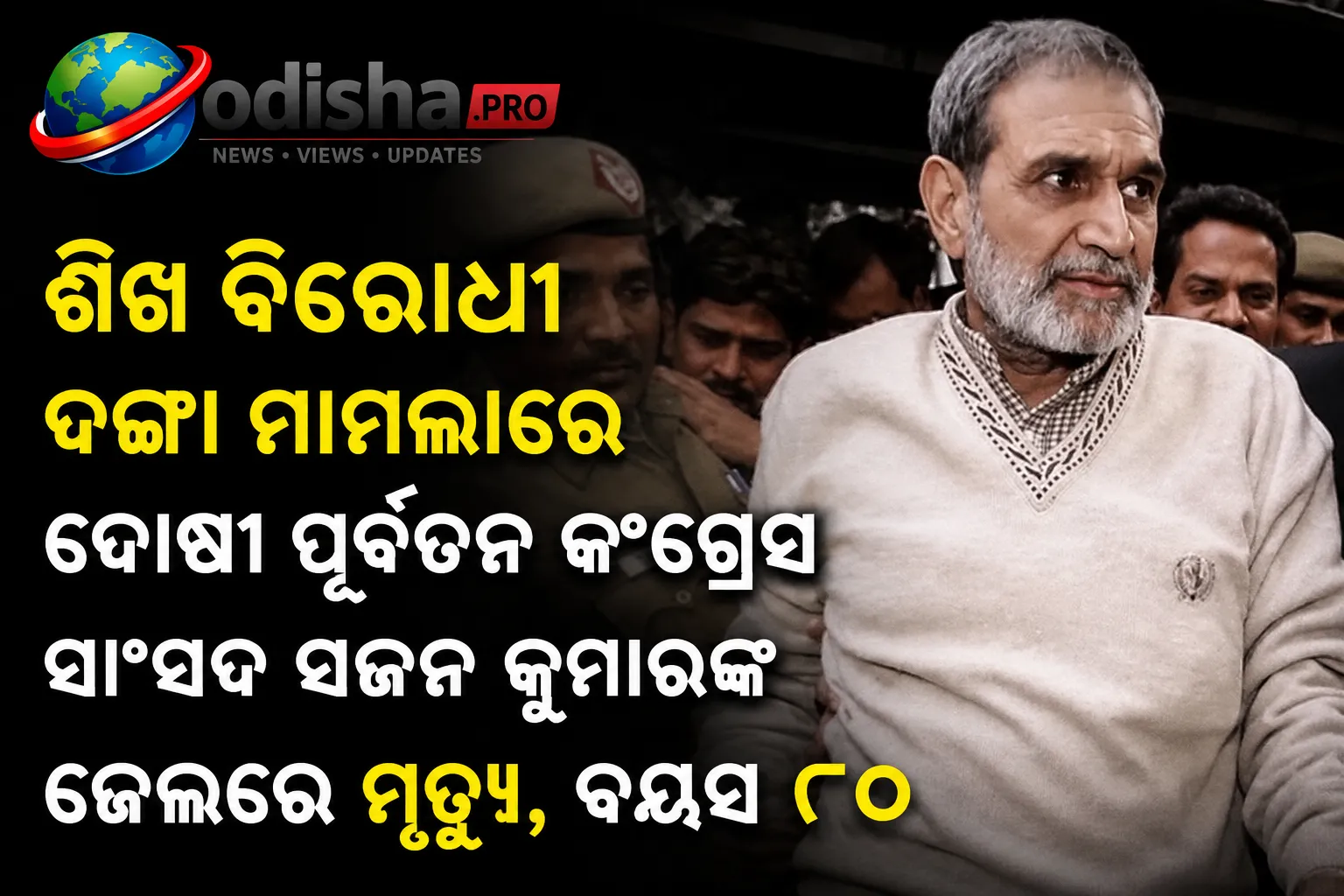
୧୯୮୪ ମସିହାର ଶିଖ ବିରୋଧୀ ଦଙ୍ଗା ମାମଲାରେ ଦୋଷୀ ସାବ୍ୟସ୍ତ...
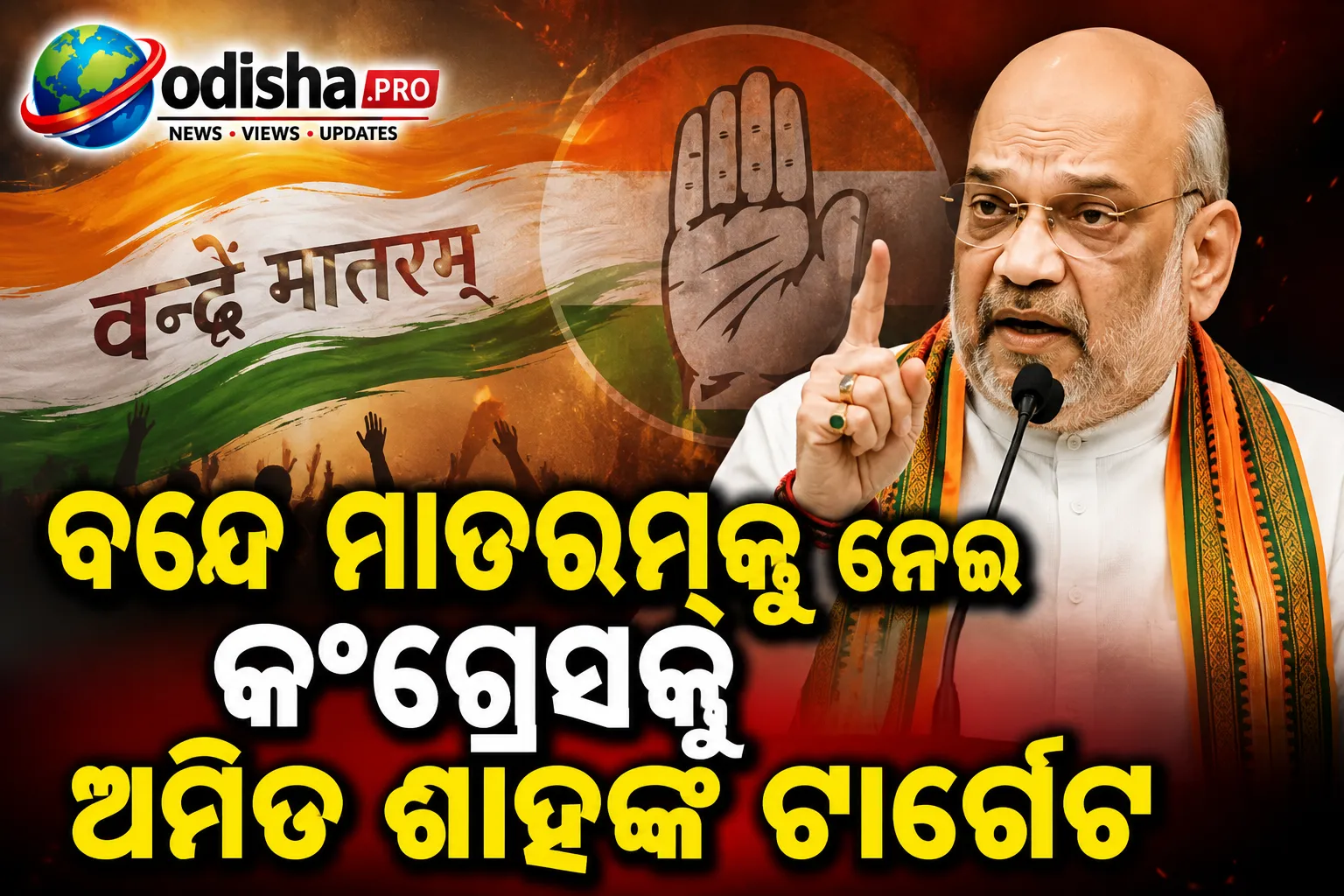
କେନ୍ଦ୍ର ଗୃହମନ୍ତ୍ରୀ ଅମିତ ଶାହ ବନ୍ଦେ ମାତରମ୍‌କୁ ନ...

ପ୍ରସିଦ୍ଧ ଖ୍ରୀଷ୍ଟିଆନ୍ ହେଭି ମେଟାଲ୍ ବ୍ୟାଣ୍ଡ Demon Hun...
ଗ୍ରେଟ୍ ନିକୋବରରେ ‘ଗ୍ରୀନ୍ AI’ ଡାଟା ସେଣ୍ଟ...

ପଶ୍ଚିମବଙ୍ଗ ବାର୍ କାଉନସିଲ ନିର୍ବାଚନରେ ତୃଣମୂଳ କଂଗ୍ରେସ...

ତାମିଲନାଡୁର ରାଜନୀତିରେ ଅଭିନେତାରୁ ରାଜନେତା ହୋଇଥିବା ସି....
ବଡୋଦରାରେ ଅଘଟଣ: ବସ୍‌ର ହାଇଡ୍ରୋଲିକ୍‌ ଡୋରରେ...
ଦିଲ୍ଲୀର ଇନ୍ଦିରା ଗାନ୍ଧୀ ଇଣ୍ଡୋର ଷ୍ଟାଡିୟମ୍ ଏବେ BWF ବି...
ଭାରତୀୟ ମହିଳା ଡବଲ୍ସ ଯୋଡ଼ି ଗାୟତ୍ରୀ ଗୋପୀଚାନ୍ଦ ଓ ତ୍ରିସ...