











In a significant update for Indian health insurance holders, theInsurance Regulatory and Development Authority of India (IRDAI)has cut the health insurancemoratorium periodfrom eight years tofive years (60 months).
Themoratorium periodis the minimum number ofcontinuous months of coverageyou must maintain before insurers lose the legal right to contest your claim on certain grounds. Previously, if you failed to disclose a medical detail during policy purchase or renewal, insurers could investigate and potentially revoke claims—even many years later. That’s now changing.
Under the updated rule:
After60 monthsofuninterrupted health insurance coverage(including proper renewals, migration or portability), an insurercannot deny your claimfor reasons likenon‑disclosure or misrepresentation of factsthat relate to past medical history.
Theonly exceptionis if the insurer provesfraudulent intent—for example, deliberate withholding or falsifying information.
The moratorium applies toall indemnity health insurance policiesregulated by IRDAI and encourages insurers to focus more on underwriting and risk protection rather than retrospective disputes.
Healthcare costs are rising and long‑term policyholders often worry about claim rejections on technical grounds. Many disputes in the past stemmed from small omissions in medical history or ambiguous disclosures in proposal forms. The new moratorium rule helps protect honest policyholders who have maintained continuous coverage, especially seniors and families—which can significantly improveclaim settlement certainty.
This change reinforces the importance ofcontinuous coverage—lapses reset the moratorium clock, so consistent renewals without breaks are crucial. It also highlights why accurate initial disclosure remains best practice; the rule doesnotencourage nondisclosure but rather limits insurers’ ability to retrospectively contest claims after five years.

ଓଡ଼ିଶାର ସରକାରୀ ସ୍କୁଲଗୁଡ଼ିକରେ ନୂଆ ପାଠ୍ୟକ୍ରମ ଅନୁଯାୟୀ...
ଚୀନ୍ ରାଷ୍ଟ୍ରପତି ସି ଜିନପିଙ୍ଗଙ୍କ ଆମେରିକା ଗସ୍ତ ନେଇ ଅଧ...
ଜର୍ମାନୀର ଚାନ୍ସେଲର ଫ୍ରିଡ୍ରିକ୍ ମେର୍ଜଙ୍କ ଉପରେ ପୁଣିଥରେ...
ନୂଆଦିଲ୍ଲୀ: ଯୁବ ବୟସରେ ହାର୍ଟ ଆଟାକ୍‌ର ଘଟଣା ନେଇ ଚ...
ଇଟାଲୀରେ ସ୍କୁଲ ଶିକ୍ଷା ବ୍ୟବସ୍ଥାକୁ ନେଇ ନୂଆ ନିୟମ ଆଣିବା...
ବିମାନବନ୍ଦରରେ ଯାତ୍ରୀଙ୍କ ସମୟ ବଞ୍ଚାଇବା ଏବଂ ଚେକିଂ ପ୍ରକ...
ଆଜିକାଲି କାମ, ମୋବାଇଲ୍, ସୋସିଆଲ୍ ମିଡିଆ କିମ୍ବା ଦେରିରାତ...
ନୂଆଦିଲ୍ଲୀ:ଭାରତରେ ଏକ ଜଟିଳ ଲିଭର ଟ୍ରାନ୍ସପ୍ଲାଣ୍ଟ ପରେ ଜ...
HIV ପ୍ରତିରୋଧ କ୍ଷେତ୍ରରେ ଏକ ନୂଆ ଔଷଧ ନେଇ ଆଶା ସୃଷ୍ଟି ହ...
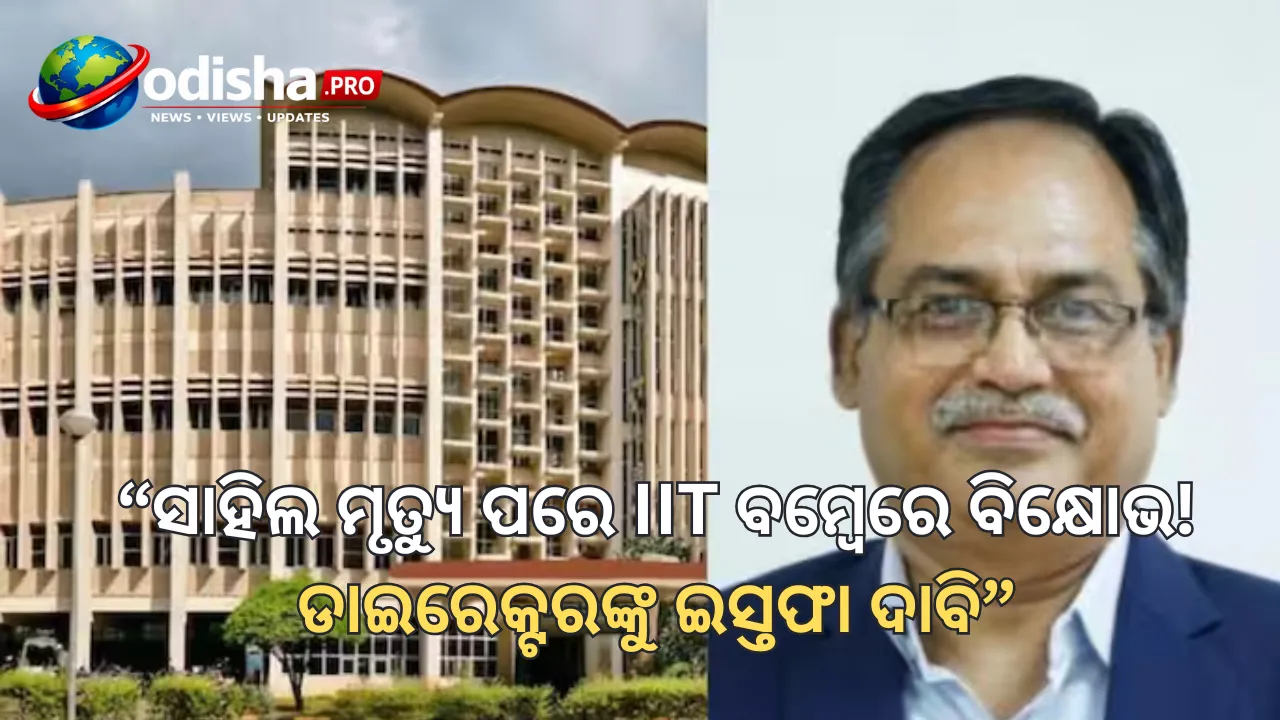
ମୁମ୍ବାଇରଆଇଆଇଟି ବମ୍ବେରେ ଛାତ୍ର ସାହିଲ ରବୀନ୍ଦ୍ର ୱାକୋଡେ...

ରାଜ୍ୟର ସ୍କୁଲଗୁଡ଼ିକରେ ପିଲାମାନଙ୍କୁ ଦିଆଯାଉଥିବା ମଧ୍ୟାହ...
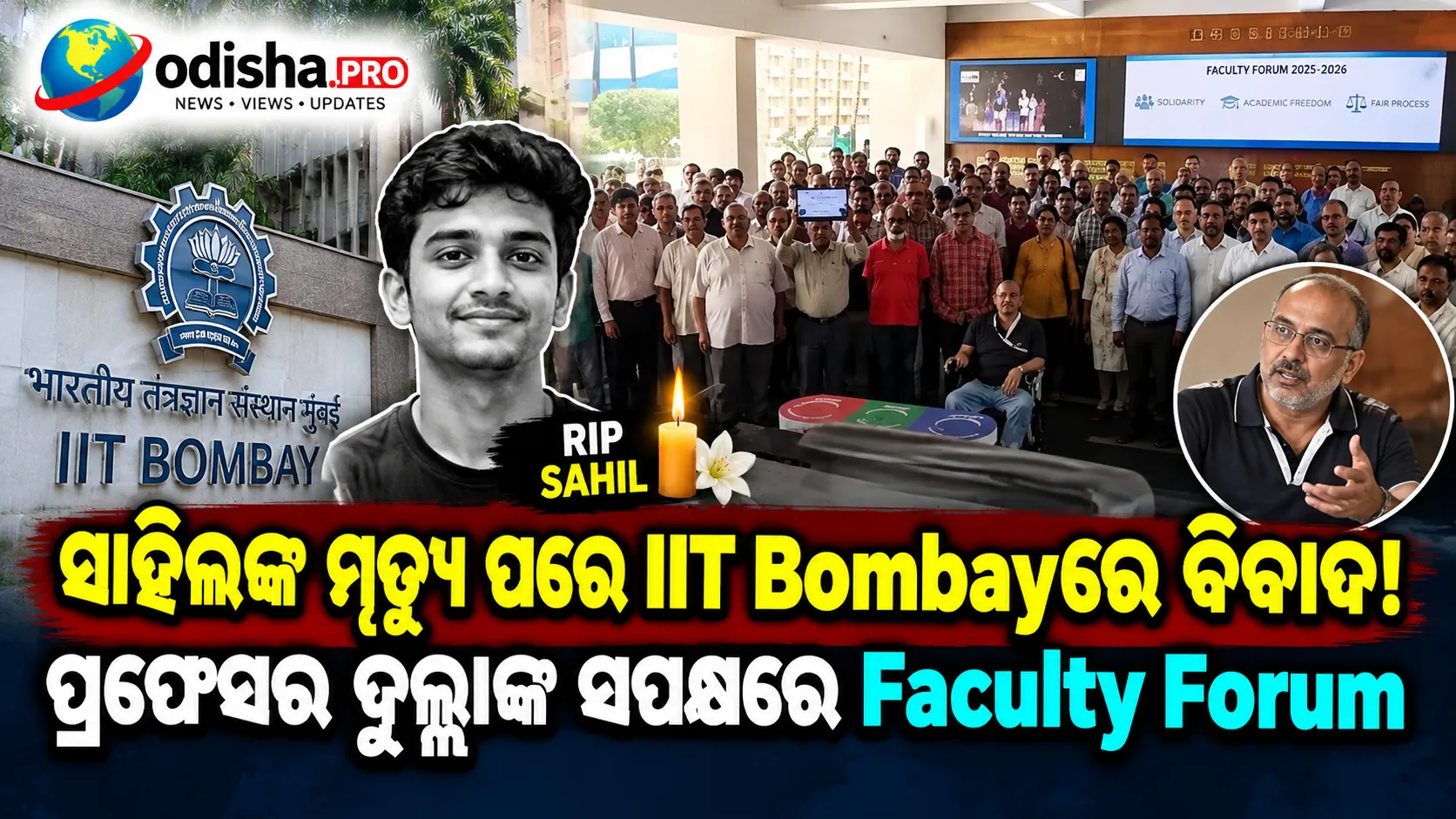
IIT Bombayର ଦ୍ୱିତୀୟ ବର୍ଷର BTech ଛାତ୍ର ସାହିଲ ରବୀନ୍ଦ...
