



After two years of political turbulence, Bangladesh has entered a new political chapter with the swearing-in of Tarique Rahman as Prime Minister. The Bangladesh Nationalist Party (BNP) returned to power after two decades, following the 13th National Parliamentary Election held on February 12, 2026.
The elections were the first since the 2024 student uprising that led to the fall of the Sheikh Hasina government. Rahman’s victory marks the first time since 1991 that Bangladesh has a male Prime Minister.
Rahman returned to Dhaka in December 2025 after 17 years of exile in London, just days before the passing of his mother, former Prime Minister Khaleda Zia. His political comeback has been described by supporters as historic.
In a significant departure from tradition, the swearing-in ceremony was held at the South Plaza of the Parliament complex instead of the official Bangabhaban residence. Along with the Prime Minister, 25 cabinet ministers and 24 state ministers took oath, signaling the formation of a new administration.
The BNP secured 209 seats in Parliament, while Jamaat-e-Islami Bangladesh emerged as the principal opposition party with 68 seats.
Bangladeshi media described the results as a restoration of political balance after years of dominance by a single party.
According to the party manifesto, Rahman’s government will focus on:
Economic stabilization and growth
Protection of minorities and promotion of secular values
Strengthening democratic institutions
Implementing the “Bangladesh Before All” foreign policy doctrine
Rahman emphasized that Bangladesh’s national interest would guide all diplomatic decisions. His commitment to minority protection comes amid concerns over attacks on religious minorities, particularly Hindus.
The BNP also plans to implement the July Charter, which reportedly received support from nearly 69% of voters in a referendum.
ସିକ୍କିମରେ ଘଟିଥିବା ଭୟଙ୍କର ଟନେଲ ଦୁର୍ଘଟଣା ସମଗ୍ର ଦେଶକୁ...
ରାଜଧାନୀ ଦିଲ୍ଲୀର ଜନ୍ତରମନ୍ତରରେ ଛାତ୍ରଛାତ୍ରୀଙ୍କ ବିରୋଧ...
: ୟୁକ୍ରେନ ସଂଘର୍ଷ ଅଞ୍ଚଳରେ କାର୍ଯ୍ୟରତ ଭାରତୀୟ ନାବିକଙ୍କ...
ମେଷ ଏହି ସପ୍ତାହ ଆପଣଙ୍କ କର୍ମକ୍ଷେତ୍ର ପାଇଁ ଉତ୍ସାହଜନ...
ରାଜଧାନୀ ଦିଲ୍ଲୀରେ ଚାଲିଥିବା ତୀବ୍ର ପ୍ରତିବାଦ ଓ ଆନ୍ଦୋଳନ...
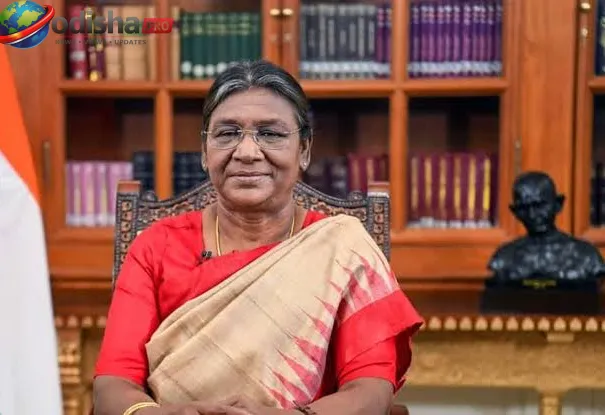
ରାଷ୍ଟ୍ରପତି ଦ୍ରୌପଦୀ ମୁର୍ମୁ ଆସନ୍ତା ଅଗଷ୍ଟ ୩ରୁ ୫ ତାରିଖ...