




Lung cancer has emerged as one of India’s deadliest health threats, often progressing silently until it becomes life-threatening. Recognizing the urgency, the Goa government, in partnership with health-tech company Qure.ai and drugmaker AstraZeneca, has launched an innovative AI-enabled program to detect lung cancer at its earliest, most treatable stage. The initiative was recently showcased at the India AI Impact Summit 2026 in New Delhi and is being considered for expansion across other states and at the national level.
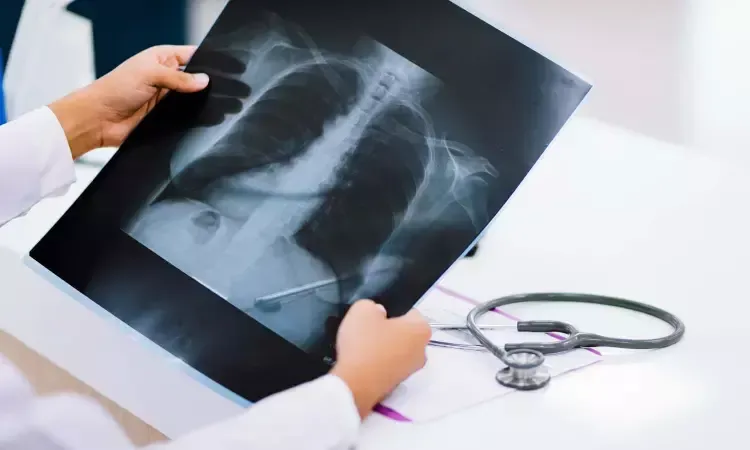
Traditionally, lung cancer screening relies on low-dose CT scans, which are costly and logistically challenging. Goa’s model leverages routine chest X-rays already performed for common medical reasons such as infections, fever, or pre-operative evaluations. An AI server installed in public hospitals automatically scans each X-ray for suspicious pulmonary nodules — early signs of cancer. High-risk cases are referred for further confirmatory testing.
Since its launch, over 1 lakh individuals across 18 public hospitals in Goa have been screened. The AI system flagged 1,600 pulmonary nodules as high-risk and has already confirmed 20 early-stage lung cancer cases — patients who may have otherwise gone undiagnosed until advanced stages. The program has also been piloted in Maharashtra, Karnataka, Tamil Nadu, and Odisha, with discussions underway for wider implementation with the Union Health Ministry and the National Health Authority.
Experts highlight AI’s potential to bridge gaps in healthcare, especially in regions with limited access to specialist radiologists. By integrating AI into existing diagnostic infrastructure, routine X-rays can serve as opportunistic cancer screening tools, improving early detection and survival rates. Global studies, including AI-assisted mammography research published in The Lancet, support the life-saving potential of such initiatives.
With lung cancer now the fourth leading cause of cancer-related deaths in India, this AI-driven approach offers a scalable, cost-effective solution to save lives and transform public health screening practices.
ହର୍ମୁଜ୍ ପ୍ରଣାଳୀକୁ ନେଇ ଆମେରିକା ଓ ଇରାନ ମଧ୍ୟରେ ତିକ୍ତତ...

ଓଡ଼ିଶାରେ ମନ୍ଦିରଗୁଡ଼ିକୁ ଟାର୍ଗେଟ୍ କରି ଚୋରି ଘଟଣା ଥମିବ...
ନେପାଳରେ ଅଗଷ୍ଟ ୨୬ରେ ଘଟିଥିବା ଭୟଙ୍କର Bhotekoshi ବନ୍ୟା...
ଆମେରିକାର Federal Bureau of Investigation (FBI) ମଞ୍...
ଆମେରିକା ରାଷ୍ଟ୍ରପତିଡୋନାଲ୍ଡ ଟ୍ରମ୍ପଆମେରିକାର ରାଜ୍ୟନ୍ୟୁ...
ନେପାଳର ଉତ୍ତର ଅଞ୍ଚଳରେ ଘଟିଥିବା ଭୟଙ୍କର ବନ୍ୟା ଓ ଭୂସ୍ଖଳ...
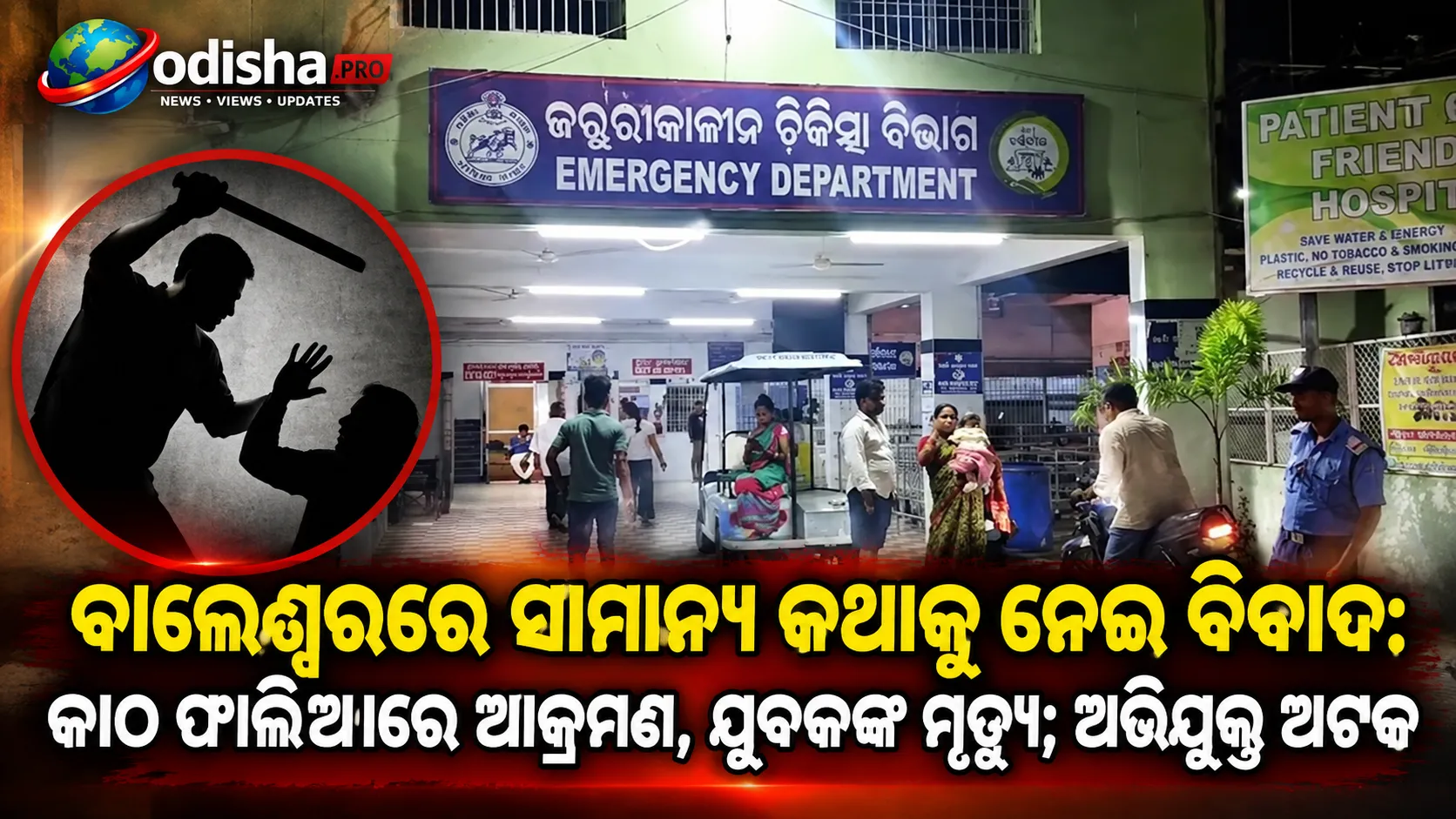
ବାଲେଶ୍ୱରରେ ସାମାନ୍ୟ କଥାକୁ ନେଇ ହୋଇଥିବା ବିବାଦ ଶେଷରେ ମ...

ଓଡ଼ିଶାର ବିଭିନ୍ନ ଅଞ୍ଚଳରୁ ନାବାଳିକାଙ୍କୁ ନେଇ ୩ଟି ଦୁଷ୍କ...
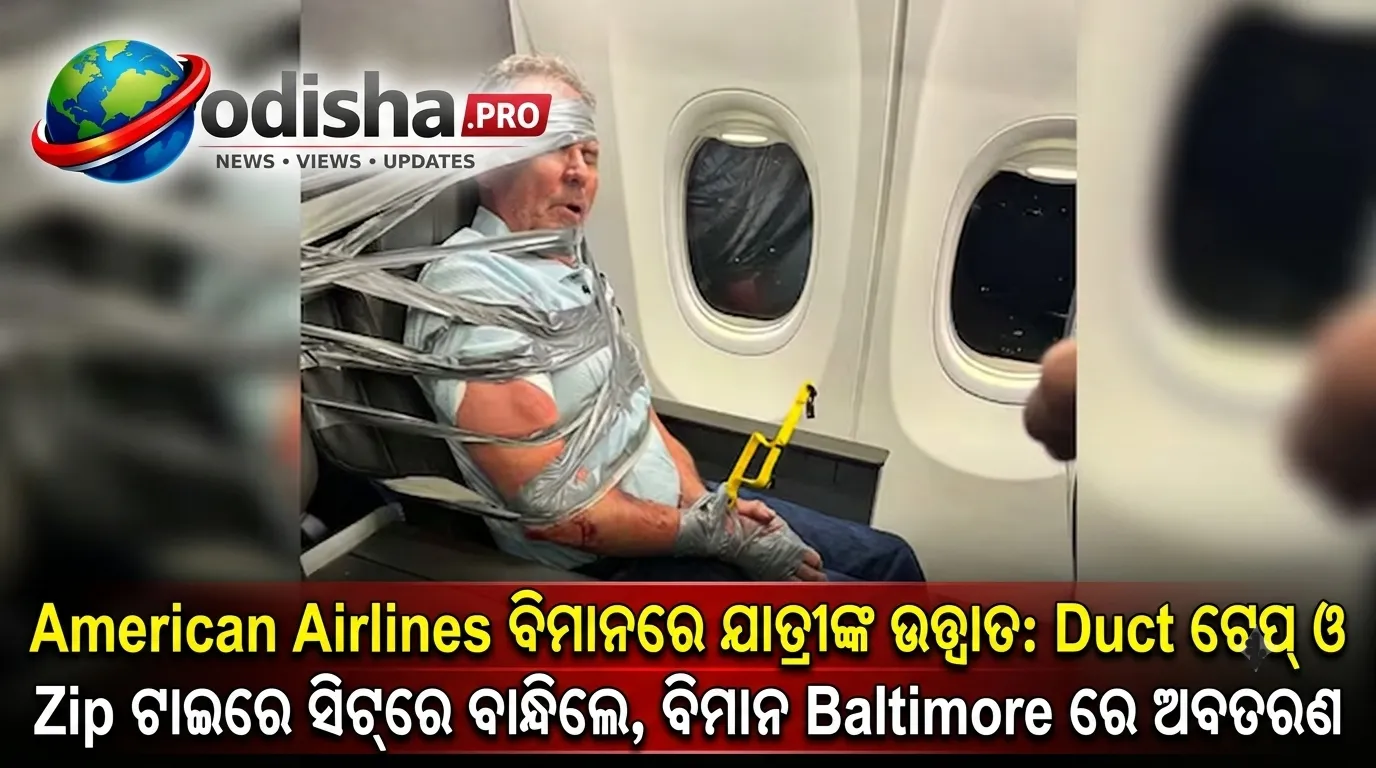
ଆମେରିକାନ୍ ଏୟାରଲାଇନ୍ସର ଏକ ଉଡ଼ାଣ ବେଳେ ଜଣେ ଯାତ୍ରୀଙ୍କ...