







Actor Lisa Ray’s revelation that chemotherapy induced early menopause at the age of 37 has sparked a vital conversation on an often-overlooked aspect of cancer treatment. Diagnosed with multiple myeloma in 2009, Ray spoke about the emotional and physical challenges of losing fertility and experiencing menopause unexpectedly, highlighting a gap in survivorship care.
Medical experts explain that chemotherapy, while targeting rapidly dividing cancer cells, can also damage ovarian cells, reduce egg reserves, and in some cases trigger temporary or permanent menopause. Women over 35–40, those undergoing longer treatment durations, or receiving certain drugs like alkylating agents are at higher risk.
Fortunately, protective strategies exist if discussed early. Fertility preservation options include egg or embryo freezing, ovarian tissue freezing, and the use of GnRH analogues to temporarily suppress ovarian function during chemotherapy. In cases where pelvic radiation is planned, ovarian transposition may also be considered. While no method guarantees prevention, early planning significantly improves outcomes.
Chemotherapy-induced menopause, often called “chemopause,” remains under-discussed. During diagnosis, the primary focus is survival, and reproductive or hormonal concerns may feel secondary. Social stigma around discussing reproductive health further contributes to the lack of awareness.
Hormone replacement therapy (HRT) can alleviate menopausal symptoms and protect bone and cardiovascular health but must be individualized. In hormone-sensitive cancers, HRT is generally avoided, while survivors without hormone-driven cancers may consider it under medical guidance.
Ray’s candid disclosure underscores that surviving cancer involves more than treatment success. Informed discussions about fertility, symptom management, and long-term hormonal health are essential for improving the quality of life for women undergoing chemotherapy.

ଆମେରିକା ରାଷ୍ଟ୍ରପତିଡୋନାଲ୍ଡ ଟ୍ରମ୍ପଆମେରିକାର ରାଜ୍ୟନ୍ୟୁ...
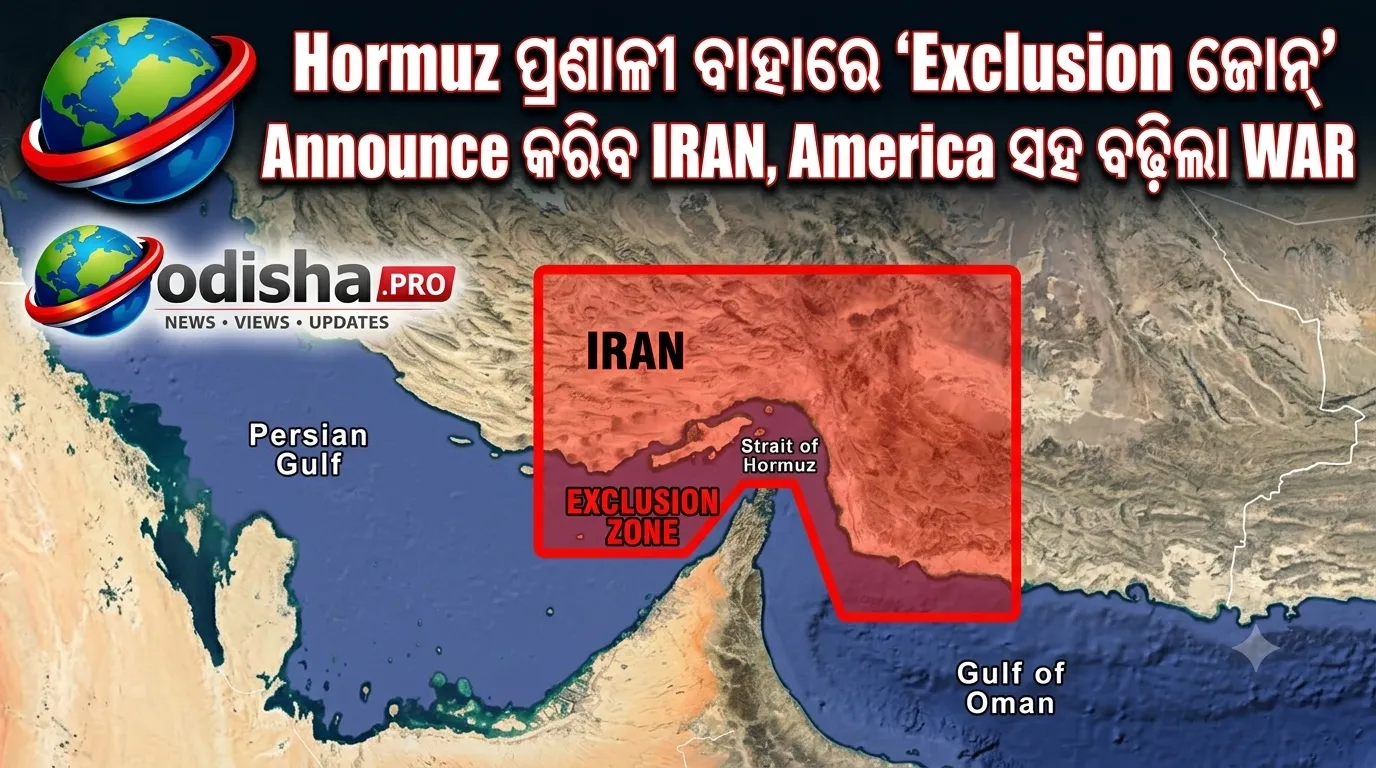
ହର୍ମୁଜ୍ ପ୍ରଣାଳୀକୁ ନେଇ ଆମେରିକା ଓ ଇରାନ ମଧ୍ୟରେ ତିକ୍ତତ...

‘ମିର୍ଜାପୁର: ଦି ମୁଭି’ବକ୍ସ ଅଫିସ୍ରେ ଜବରଦସ...

**‘ମିର୍ଜାପୁର: ଦି ମୁଭି’**ରେ ଏକ ପ୍ରାୟ ୫୦...

ଅଭିନେତ୍ରୀବିପାଶା ବାସୁନିଜ ଫିଲ୍ମ କ୍ୟାରିୟରର ଏକ ଗୁରୁତ୍ୱ...
ନ୍ୟୁୟର୍କ: ୟୁଏସ୍‌ ଓପନ୍‌ରେ ଭାରତୀୟ ଟେନିସ୍&z...
ପାକିସ୍ତାନ କ୍ରିକେଟ୍ ବୋର୍ଡ (PCB) ଏବେ ଦଳର ଚୟନ କମିଟି ଏ...
ନ୍ୟୁୟର୍କ: US Open 2026 ଦ୍ୱିତୀୟ ସପ୍ତାହରେ ପହଞ୍ଚିଛି।...

ତାମିଲନାଡୁର ଶାସକ ମେଣ୍ଟ ଏବେ ନିଜର ଏକ ସ୍ୱତନ୍ତ୍ର ରାଜନୈତ...
ଚେନ୍ନାଇ ସୁପର କିଙ୍ଗ୍ସର ପୂର୍ବତନ ଖେଳାଳିଏସ୍. ବଦ୍ରିନାଥଭ...

ମାଲାୟାଲମ୍ ସୁପରଷ୍ଟାରମମୁଟ୍ଟିଙ୍କ ୭୫ତମ ଜନ୍ମଦିନରେ ତାଙ୍କ...