






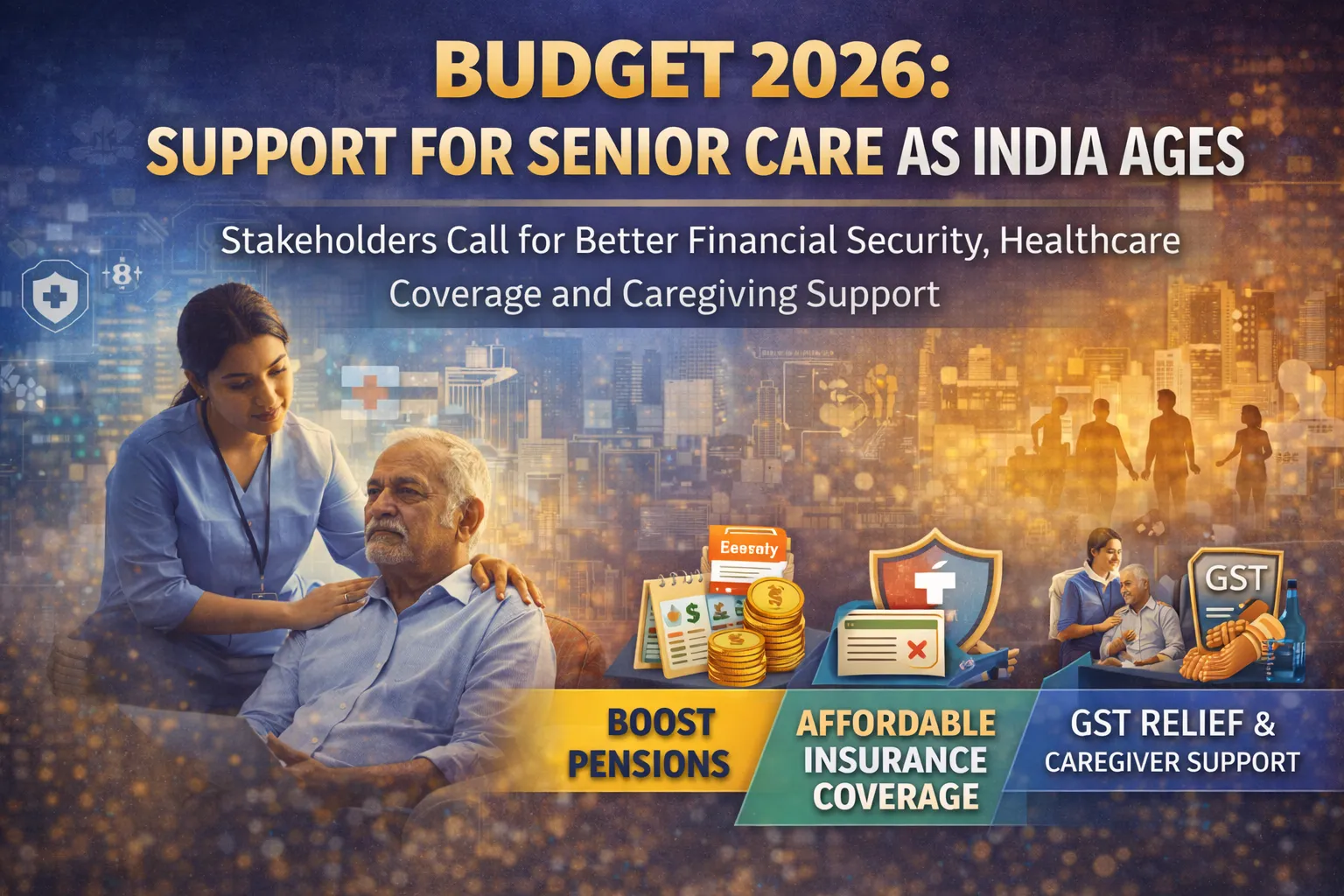
India is facing a major demographic shift as life expectancy rises and family structures change, making ageing a growing public policy challenge. Ahead of Budget 2026, senior care providers, healthcare leaders and social welfare organisations are calling for stronger financial security, better healthcare access and a more structured senior care ecosystem.
Industry experts say the demand for organised senior care is rising as more elderly citizens live with chronic health conditions and families struggle to provide full-time care at home. Rajit Mehta, MD and CEO of Antara Senior Care, believes the upcoming Budget can play a critical role in strengthening the sector through focused policy measures. He has called for expanded insurance coverage to include long-term care delivered through care homes and at-home services, which would significantly improve access and affordability.
Mehta has also suggested reforms to reverse mortgage norms, allowing seniors to unlock up to 80% of their property value across cities. Granting infrastructure status to senior care could attract long-term, affordable financing and encourage the development of quality facilities nationwide. Another key demand from the sector is tax relief, including GST exemption or parity with healthcare services for senior care.
Affordability remains a major concern. Ishaan Khanna, CEO of Antara Assisted Care Services, says that while investor interest in senior living and healthcare is growing, families still struggle due to limited insurance coverage. He has urged the Budget to support insurance for both short-term and long-term assisted living and home-based care services.
Workforce development is another pressing issue. Experts highlight the need for large-scale training of non-medical caregivers in geriatrics, along with standardised norms and formal recognition of caregiving as a skilled profession. This could help shift India away from informal care arrangements towards a regulated, high-quality ecosystem that ensures dignity and safety for seniors.
From a social welfare perspective, health insurance and pensions remain critical gaps. Anupama Datta, Head of Policy, Research and Advocacy at HelpAge India, notes that while recent initiatives such as PMJAY coverage for those aged 70 and above are welcome, coverage should be expanded to include seniors aged 60 and above with an income cut-off. She also highlights the need for subsidised health insurance models, as premiums for the elderly are often unaffordable.
Another long-standing demand is the revision of old-age pensions under the National Social Assistance Programme, whose central contribution has remained largely unchanged since 2007. Civil society groups are seeking a minimum pension of Rs 1,000 per month for those aged 60+ and Rs 1,500 for those above 80. Enhanced livelihood support for rural seniors through Elder Self-Help Groups has also been proposed.
Beyond healthcare and income security, experts are urging attention to elder safety and digital inclusion. With rising cyber-crime and low awareness, digital literacy programmes, access to devices and internet connectivity are increasingly important for senior citizens.
As expectations build ahead of Budget 2026, stakeholders agree that a coordinated approach covering healthcare, insurance, pensions, caregiving, tax relief and digital inclusion is essential to ensure India’s ageing population can live with dignity, security and independence.

ସିନ୍ଧୁଙ୍କଠାରୁ ଦମଦାର ଆରମ୍ଭ ପ୍ରଥମ ରବରରେ ପିଭି ସିନ୍...
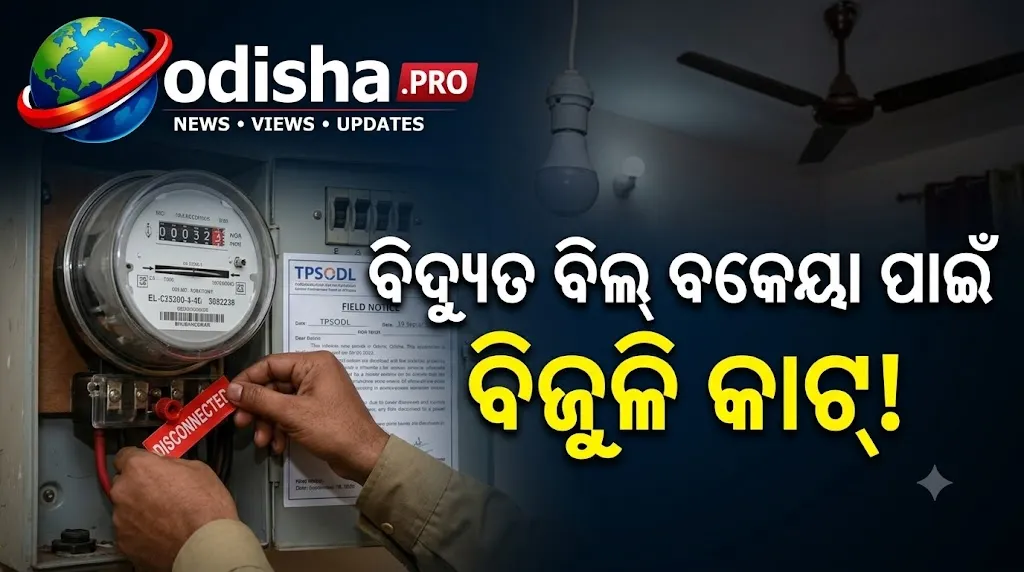
ପୁରୀ ଜିଲ୍ଲା ଡେଲାଙ୍ଗ ବ୍ଲକରେ ବିଦ୍ୟୁତ ବିଲ୍‌ ବକେୟ...

ଦୀପିକାଙ୍କ ଦମଦାର ପ୍ରଦର୍ଶନ ଉଜବେକିସ୍ତାନ ବିପକ୍ଷରେ ଭ...

ଦିଲ୍ଲୀ ବିଶ୍ୱବିଦ୍ୟାଳୟ ଛାତ୍ର ସଂଘ (DUSU) ନିର୍ବାଚନ ୨୦୨...

ଦିଲ୍ଲୀ ବିଶ୍ୱବିଦ୍ୟାଳୟ ଛାତ୍ର ସଂଘ (DUSU) ନିର୍ବାଚନ ୨୦୨...

୪୯ ବଲ୍‌ରେ ଶେଫାଳୀଙ୍କ ଐତିହାସିକ ଶତକ ଭାରତର ଓପନ...
ଓଡ଼ିଆ ପ୍ରତିଭାଙ୍କୁ ରାଇନାଙ୍କ ସମର୍ଥନ ରାଇନା କହିଛନ୍ତ...
କଟକ-ଭୁବନେଶ୍ୱର କମିଶନରେଟ୍ ପୋଲିସ ଅଧୀନରେ ଡ୍ୟୁଟି କରୁଥିବ...
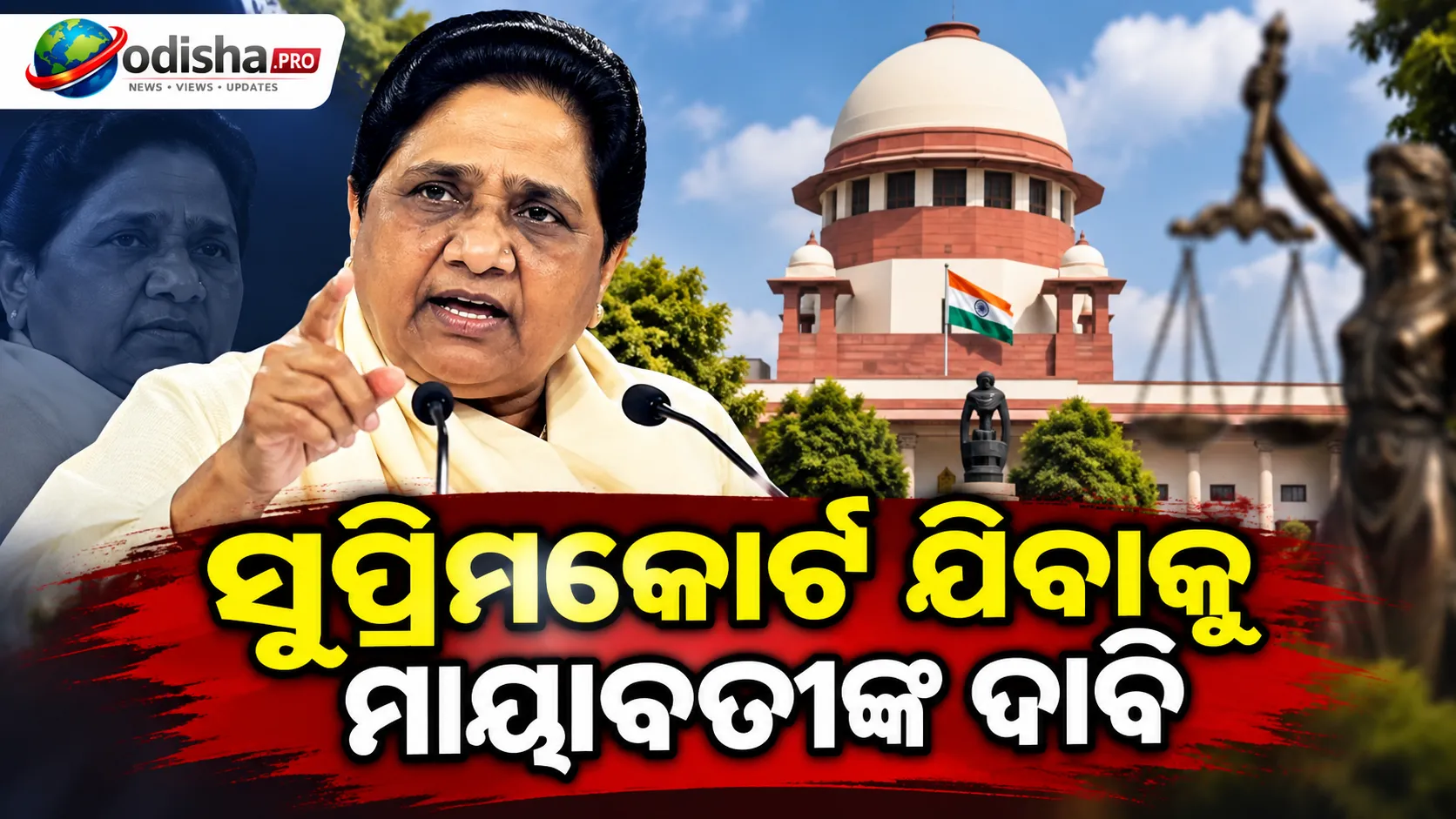
ଉତ୍ତରପ୍ରଦେଶର ୪ଟି ସରକାରୀ ମେଡିକାଲ କଲେଜ୍‌ର MBBS...
ଖାଦ୍ୟର ପରିମାଣ ବଢ଼ାଇବାକୁ ପରାମର୍ଶ ବିଶେଷଜ୍ଞମାନେ ଓର...
ଭୁବନେଶ୍ୱର: ରାଜଧାନୀ ଭୁବନେଶ୍ୱରକୁ ମିଳିଛି ନୂଆ DCP। ଡ....