






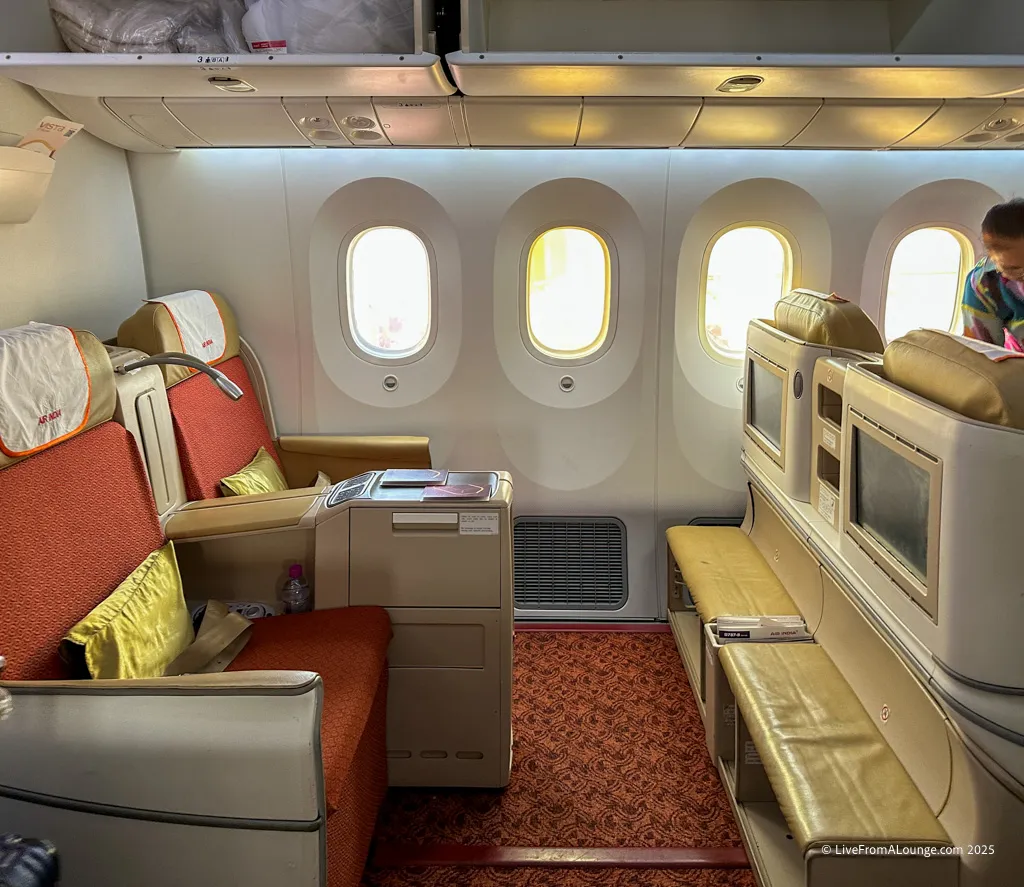
Air India is set to introduce its first custom-made Boeing 787-9 Dreamliner into commercial operations from February 1 on the Mumbai–Frankfurt route, albeit with certain operational limitations as the airline awaits approvals from the US Federal Aviation Administration (FAA). The aircraft is the first factory-built Dreamliner to join Air India’s fleet following its acquisition by the Tata Group in January 2022.
According to sources, the aircraft has a total seating capacity of 296 seats, comprising 30 business class suites, 28 premium economy seats, and 238 economy class seats. However, 18 economy class seats will remain unavailable for sale and physically blocked until regulatory clearance is received.
Additionally, the sliding privacy doors installed in the business class suites will remain fixed in the open position and cannot be used by passengers during this interim period. An Air India spokesperson confirmed that while the seat itself is certified, the specific feature of sliding doors is still undergoing regulatory approval. The airline expects to receive the required clearance in the near future, after which the feature will be fully activated.
The airline clarified that the economy class seats affected are part of the RECARO 3710 seat model, which is already certified and widely used by airlines globally. However, a regulatory interpretation issue impacting 18 specific seats is currently being addressed in coordination with the manufacturer and the FAA. These seats will only be made available for booking once full certification is obtained.
When contacted, an FAA spokesperson declined to comment on the ongoing certification process, while Boeing also refrained from issuing a statement on the matter.
Air India noted that these limitations apply exclusively to the newly inducted Boeing 787-9 aircraft and not to the retrofitted Boeing 787-8 fleet. The B787-8 aircraft have completed all required certifications, and their cabin features are fully approved for passenger use.
Looking ahead, Air India plans to further expand its wide-body fleet in 2026 with the addition of five aircraft, including three Boeing 787-9s and two Airbus A350-1000s. The airline currently operates 188 aircraft and is in the process of retrofitting its legacy wide-body fleet as part of its ongoing transformation programme.
Industry sources also noted that Air India is not alone in facing such regulatory delays, with other global carriers, including Lufthansa, reportedly awaiting similar approvals for business class seating features on new Boeing 787-9 aircraft.
ମୁମ୍ବାଇର ମେରାଇନ୍ ଡ୍ରାଇଭ୍‌ରୁ ହାଜି ଅଲୀ ଦିଗକୁ ଯା...
ନୂଆଦିଲ୍ଲୀ: ଭାରତର ସ୍ୱଦେଶୀ ଏରୋସ୍ପେସ୍ କ୍ଷେତ୍ରରେ ଆଉ ଏକ...

ଦିଲ୍ଲୀ ବିଶ୍ୱବିଦ୍ୟାଳୟ ଛାତ୍ର ସଂଘ (DUSU) ନିର୍ବାଚନ ୨୦୨...

ଉତ୍ତରପ୍ରଦେଶର ୪ଟି ସରକାରୀ ମେଡିକାଲ କଲେଜ୍‌ର MBBS...
ଡେଙ୍ଗୁ ବିରୋଧରେ ଭାରତର ଟିକାକରଣ ପ୍ରୟାସରେ ଏକ ନୂଆ ଅଧ୍ୟା...

ଦିଲ୍ଲୀ ବିଶ୍ୱବିଦ୍ୟାଳୟ ଛାତ୍ର ସଂଘ (DUSU) ନିର୍ବାଚନ ୨୦୨...
ଯଦି ଆପଣ ନୂଆ ପାସପୋର୍ଟ ପାଇଁ ଆବେଦନ କରିବାକୁ ଯାଉଛନ୍ତି,...

ପୁରୀ ଜିଲ୍ଲା ଡେଲାଙ୍ଗ ବ୍ଲକରେ ବିଦ୍ୟୁତ ବିଲ୍‌ ବକେୟ...