






Educational attainment — especially the proportion of adults withcollege or university degrees— is one of the most widely used indicators to compare how educated different countries are. Organisations such as theOrganisation for Economic Co‑operation and Development (OECD)and global research firms analysetertiary education attainment(university‑level credentials) among adults aged roughly 25‑64 to determine how well countries educate their populations.
Recent rankings show thatSouth Koreaoften ranks at the top with nearly69 %of its working‑age population holding tertiary qualifications. Close behind,Canada(about66 %) andJapan(around65 %) feature prominently due to robust higher education systems and strong cultural emphasis on academic achievement.
Other nations such asLuxembourg, Ireland, Russia, Lithuania, the United Kingdom, the Netherlands and Norwayalso make the top‑10 list, with substantial shares of their adult populations having completed university‑level education. These rankings reflect not only the availability and quality of higher education but also broad societal investment in learning and workforce skills.
It’s important to recognise that different organisations might use slightly different criteria — such aseducation index scoresthat blendmean years of schoolingandexpected years of schooling, or literacy and skills test results — but tertiary attainment remains a core benchmark for global comparison.
Such rankings help policymakers, students and job seekers understand where opportunities for advanced learning exist, and they also highlight disparities between regions and economies. For example, many Western and East Asian nations have high tertiary education rates, while other populous countries may have lower proportional attainment despite large absolute numbers of graduates.

ପ୍ୟାରିସରେପ୍ରିୟଙ୍କା ଚୋପ୍ରା ଓ ଜେନିଫର ଲରେନ୍ସଙ୍କ ଏକ ମଜ...
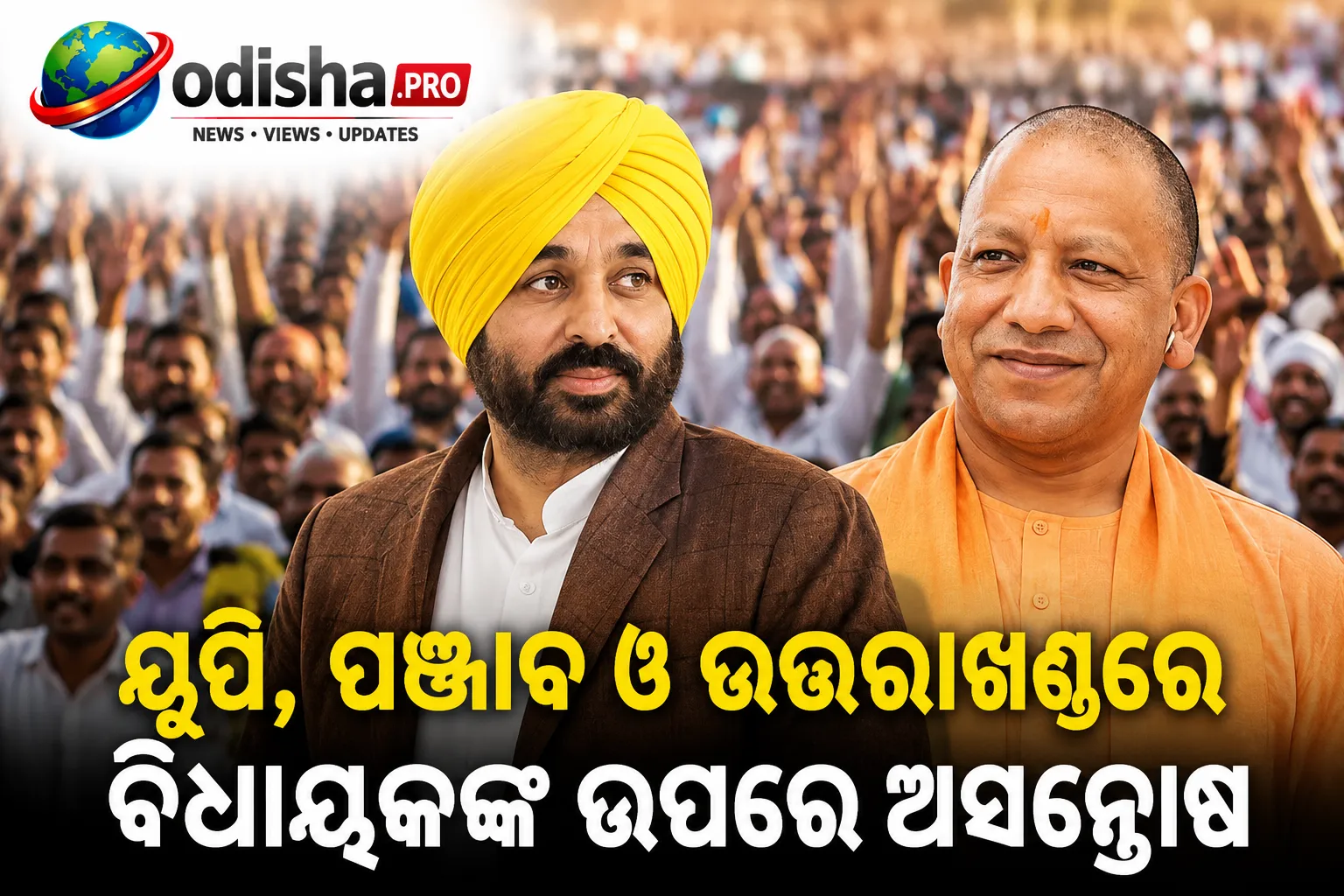
୨୦୨୭ ବିଧାନସଭା ନିର୍ବାଚନ ପୂର୍ବରୁ ଉତ୍ତରପ୍ରଦେଶ, ପଞ୍ଜାବ...

‘ବିଗ୍ ବସ୍ ୨୦’ର ଗ୍ରାଣ୍ଡ ପ୍ରିମିୟର ଶୁଟିଂ...

ଭାରତୀୟ ସିନେମାରେ ମହିଳାଙ୍କୁ କିପରି ଉପସ୍ଥାପନ କରାଯାଉଛି,...

ରକିଂ ଷ୍ଟାର୍ ୟଶଙ୍କ ଅଭିନୀତ‘Toxic: A Fairy Tale...
ଶିରୋମଣି ଅକାଳୀ ଦଳ (ପୁନର ସୁରଜିତ) ବିଜେପି ସହ ମେଣ୍ଟକୁ ନ...
ଆଗାମୀ ଓଡ଼ିଶା ପଞ୍ଚାୟତ ନିର୍ବାଚନକୁ ନେଇ ଏକ ବଡ଼ ପରିବର୍ତ...
ଇଂଲଣ୍ଡ ଓ ପାକିସ୍ତାନ ମଧ୍ୟରେ ଲର୍ଡ୍ସରେ ଚାଲିଥିବା ଟେଷ୍ଟକ...