




Taking ahome loanis a major financial commitment, and regular repayment ofEMIsis crucial to maintaining good financial health. Missing even one EMI typically starts with areminder from your lender, but repeated defaults can escalate quickly into serious consequences if not addressed promptly.
If you miss yourfirst EMI, banks send alerts and reminders, giving you time to regularise the payment without severe penalties. A second missed EMI moves your account into anoverdue category, which may result in the lender reporting the delay to credit bureaus, damaging yourcredit scoreand making future loans more expensive or difficult to obtain.
Missingthree consecutive EMIs (about 90 days)is a critical threshold. Under regulatory norms, the loan may be classified as aNon‑Performing Asset (NPA), and lenders can beginformal recovery action. This can include legal notices and initiation of recovery processes such as invoking theSARFAESI Act— allowing banks to take possession of and auction the mortgaged property to recover dues if the borrower fails to clear outstanding amounts.
In addition to recovery action, missing multiple EMIs attractslate payment charges, penal interest, and administrative fees, increasing your overall repayment burden. Yourcredit historymay be severely impacted, taking years of disciplined repayments to rebuild and affecting eligibility for future credit products.
Experts always advise borrowers who face financial difficulties tocommunicate early with lenders. Banks may offer loan restructuring, tenure extensions or temporary relief measures to help borrowers bring their accounts back on track. Proactive communication and early action can significantly reduce the risk of aggressive legal action or loss of your home.
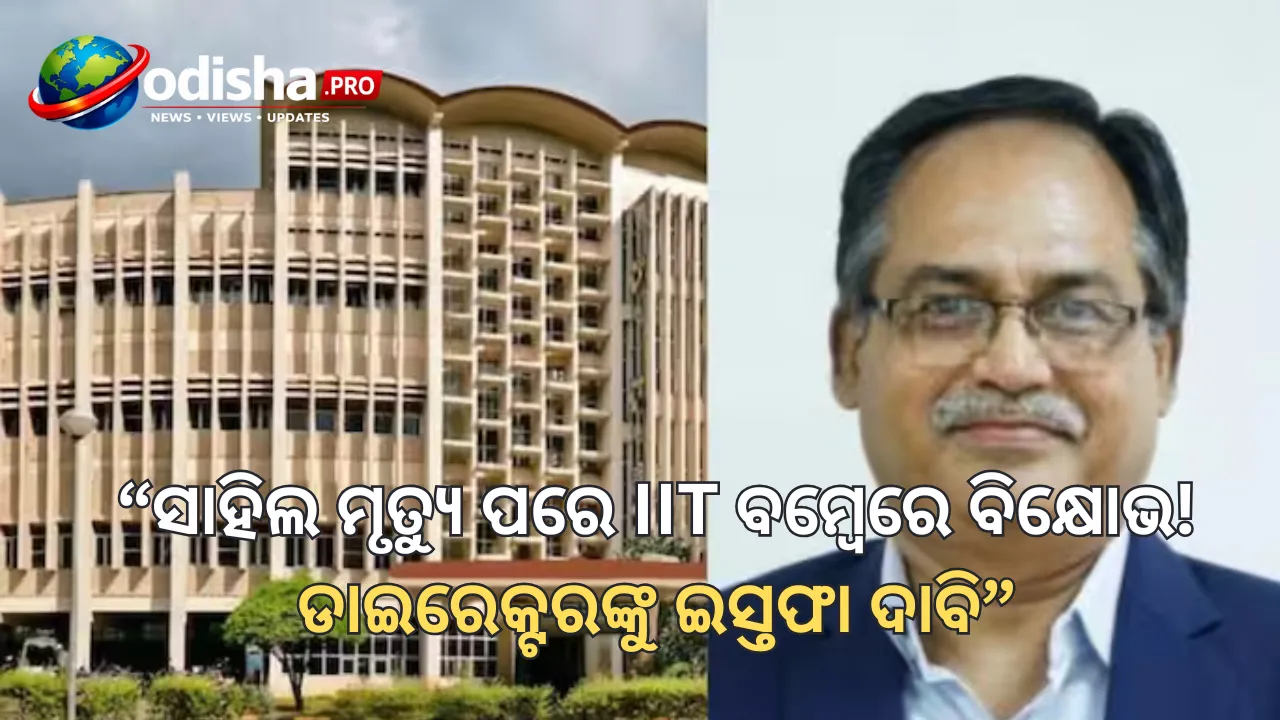
ମୁମ୍ବାଇରଆଇଆଇଟି ବମ୍ବେରେ ଛାତ୍ର ସାହିଲ ରବୀନ୍ଦ୍ର ୱାକୋଡେ...
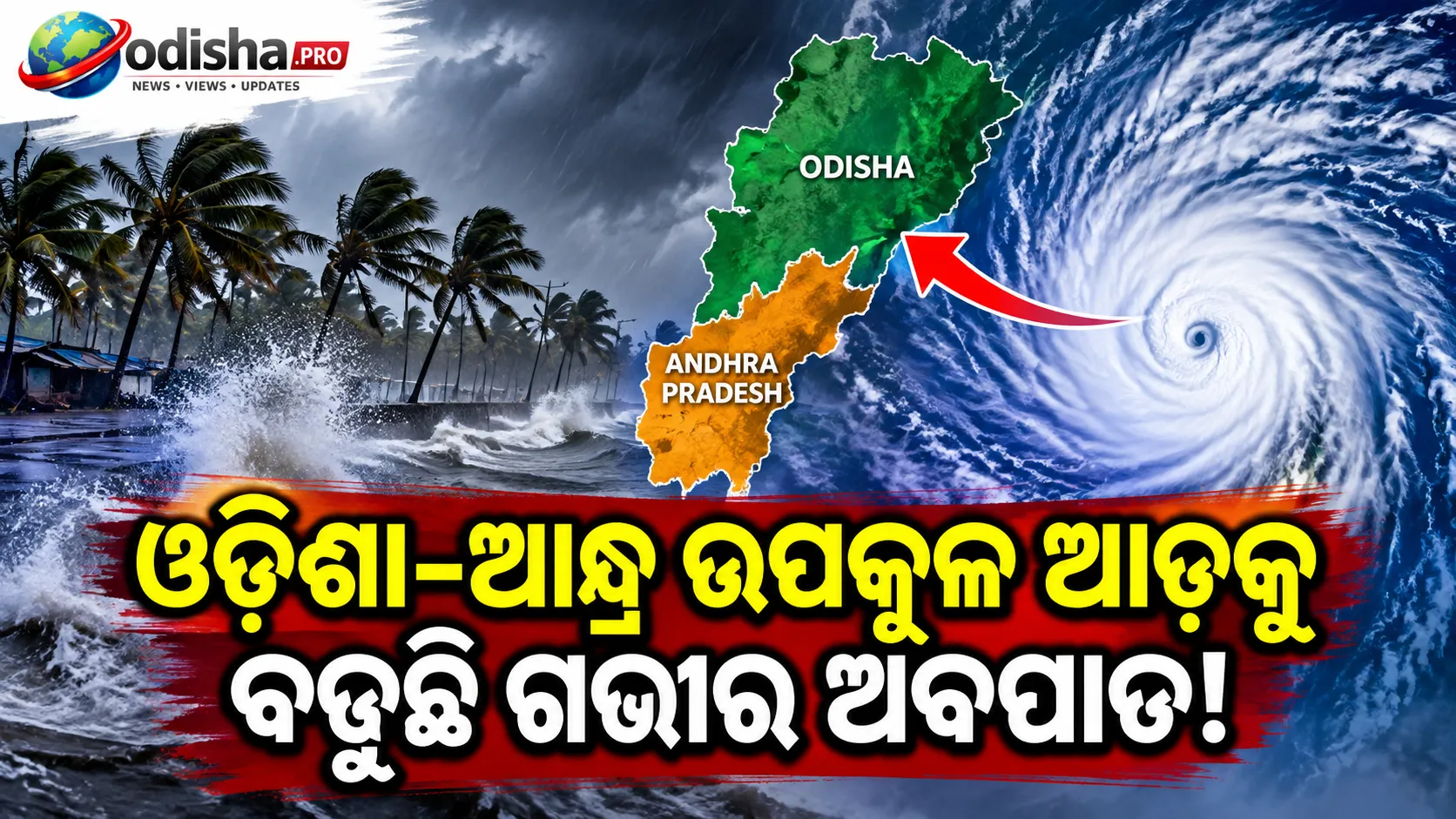
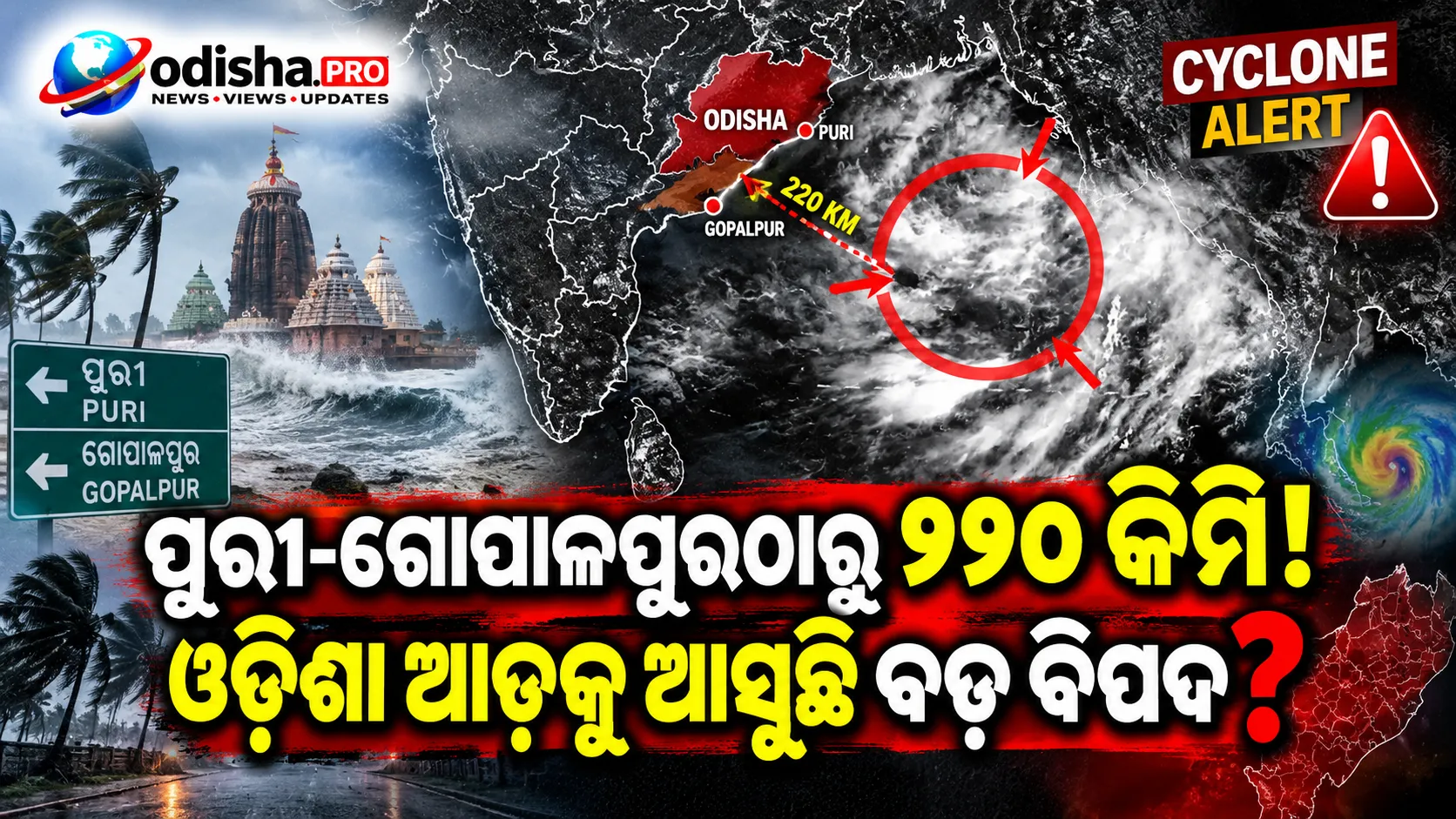
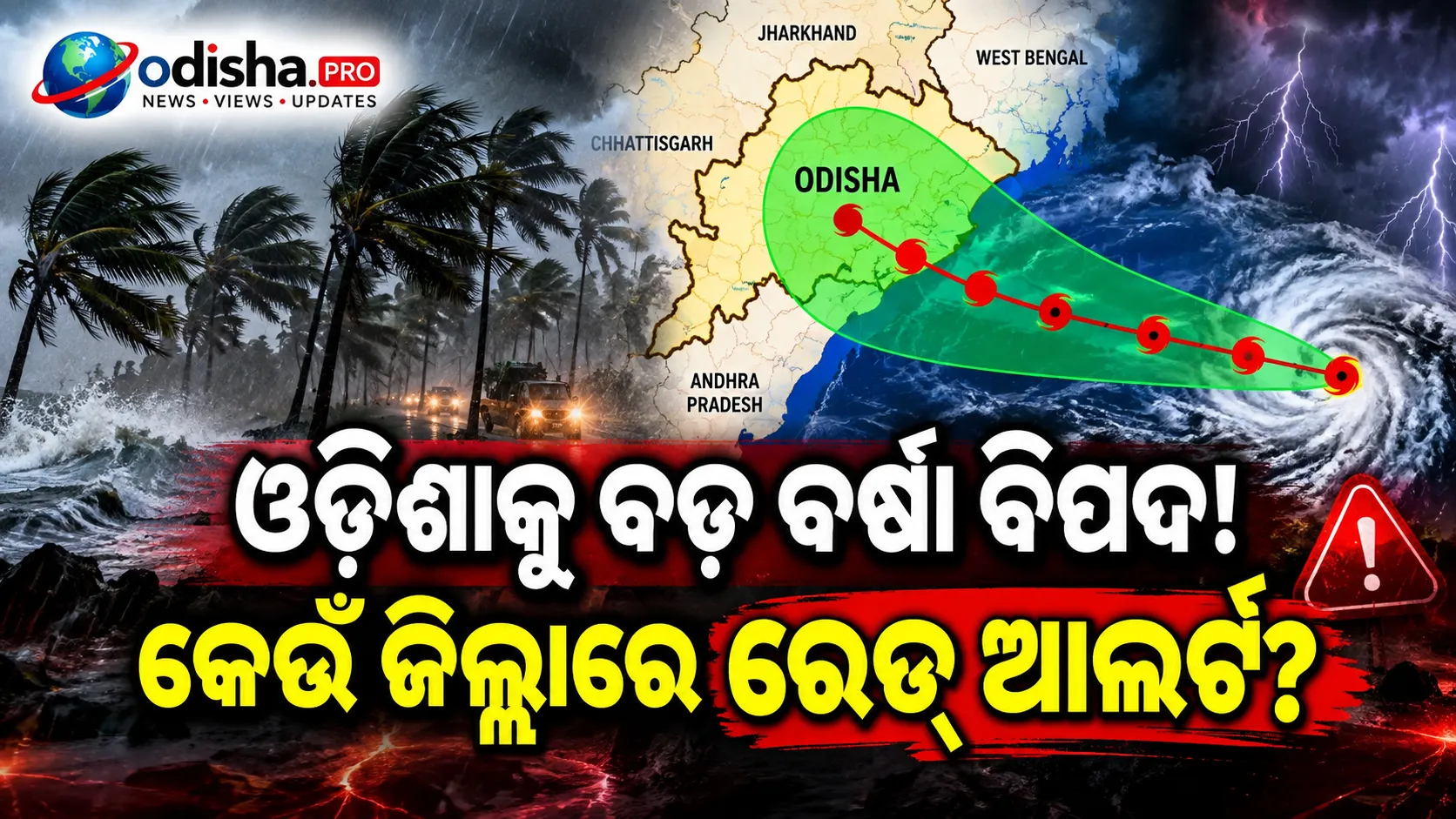
ଭୁବନେଶ୍ୱର: ବଙ୍ଗୋପସାଗରରେ ସୃଷ୍ଟି ହୋଇଥିବା ଅବପାତ ଏବେ ଓ...

ରାଜ୍ୟର ସ୍କୁଲଗୁଡ଼ିକରେ ପିଲାମାନଙ୍କୁ ଦିଆଯାଉଥିବା ମଧ୍ୟାହ...

ଓଡ଼ିଶାର ସରକାରୀ ସ୍କୁଲଗୁଡ଼ିକରେ ନୂଆ ପାଠ୍ୟକ୍ରମ ଅନୁଯାୟୀ...
ଭୁବନେଶ୍ୱର: ବଙ୍ଗୋପସାଗରରେ ଗଠିତ ଅବପାତ ଏବେ ଓଡ଼ିଶା ପାଇଁ...
ବଙ୍ଗୋପସାଗରରେ ସୃଷ୍ଟି ହୋଇଥିବା ଗଭୀର ଅବପାତ ଅଧିକ ଶକ୍ତିଶ...

IIT Bombayର ଦ୍ୱିତୀୟ ବର୍ଷର BTech ଛାତ୍ର ସାହିଲ ରବୀନ୍ଦ...
ଭୁବନେଶ୍ୱର: ବଙ୍ଗୋପସାଗରରେ ସୃଷ୍ଟି ହୋଇଥିବା ଅବପାତ ଏବେ ଓ...