



US President Donald Trump has renewed pressure on Iran to strike a nuclear deal with the United States, warning that Tehran “knows the consequences” if it fails to reach an agreement. His remarks came shortly after the two sides held negotiations in Muscat aimed at reviving diplomatic engagement.
Speaking to reporters, Trump said discussions with Iran had been “very good” and suggested that a deal—one he described as different from previous arrangements—could be possible. He also stated that a “big fleet” was heading toward the region, signalling increased US military presence as talks continue.
Trump emphasised that any future agreement must ensure Iran does not acquire nuclear weapons. He added that Tehran appeared eager to secure a deal and had ample time to move forward, but warned that failure to do so would carry unspecified consequences.
Meanwhile, Iran indicated cautious openness to continued dialogue. Tehran’s top diplomat said the Muscat talks, mediated by Oman, had begun positively and would proceed with further coordination. Iranian officials signalled willingness to discuss limits on uranium enrichment levels or alternative regional arrangements, while stressing that negotiations must occur without threats or pressure.
Foreign Minister Abbas Araqchi reiterated that Iran would confine discussions strictly to its nuclear programme and not broaden talks to other political or security issues. He expressed optimism that continued engagement could eventually produce a workable framework for understanding between the two countries.
Trump also referenced parallel diplomatic efforts related to the Russia–Ukraine conflict, stating that recent discussions had been productive and hinting that developments could emerge soon. Reports suggest negotiators have explored the possibility of a peace framework that might later be put to a nationwide referendum in Ukraine alongside national elections.
The renewed US–Iran diplomatic push, combined with military signalling and parallel geopolitical negotiations, underscores a period of heightened global strategic activity with potential implications for regional security and international stability.
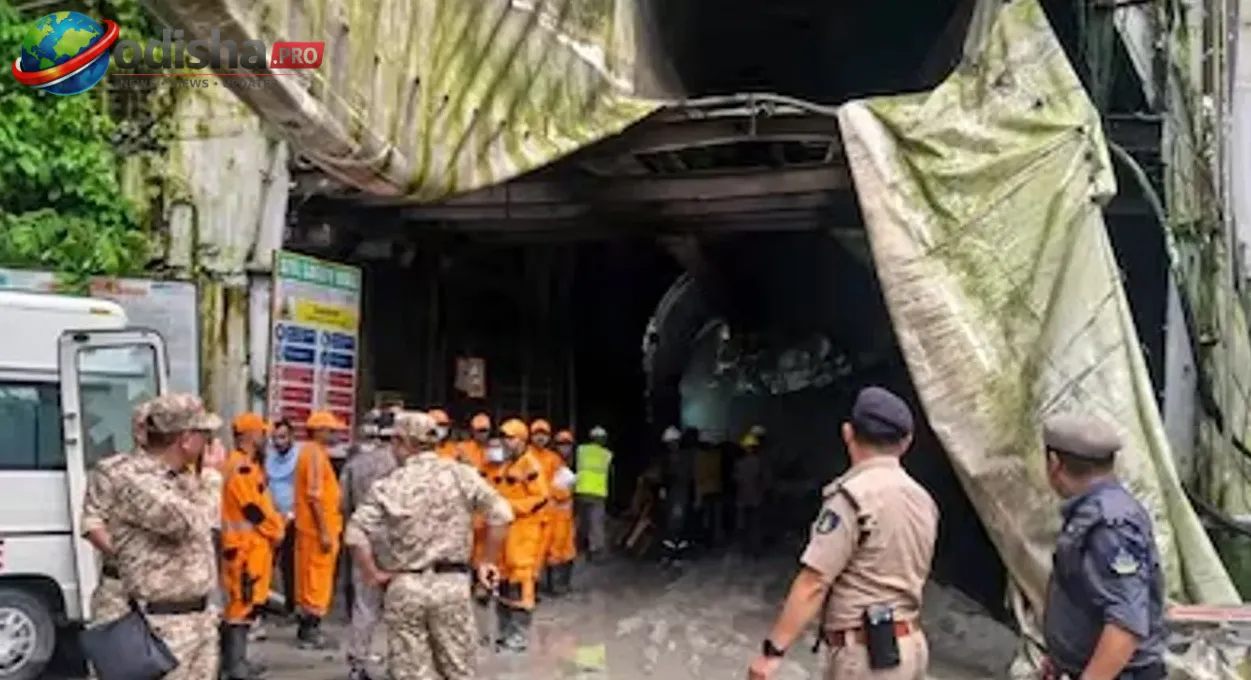
ସିକ୍କିମରେ ଘଟିଥିବା ଭୟଙ୍କର ଟନେଲ ଦୁର୍ଘଟଣା ସମଗ୍ର ଦେଶକୁ...
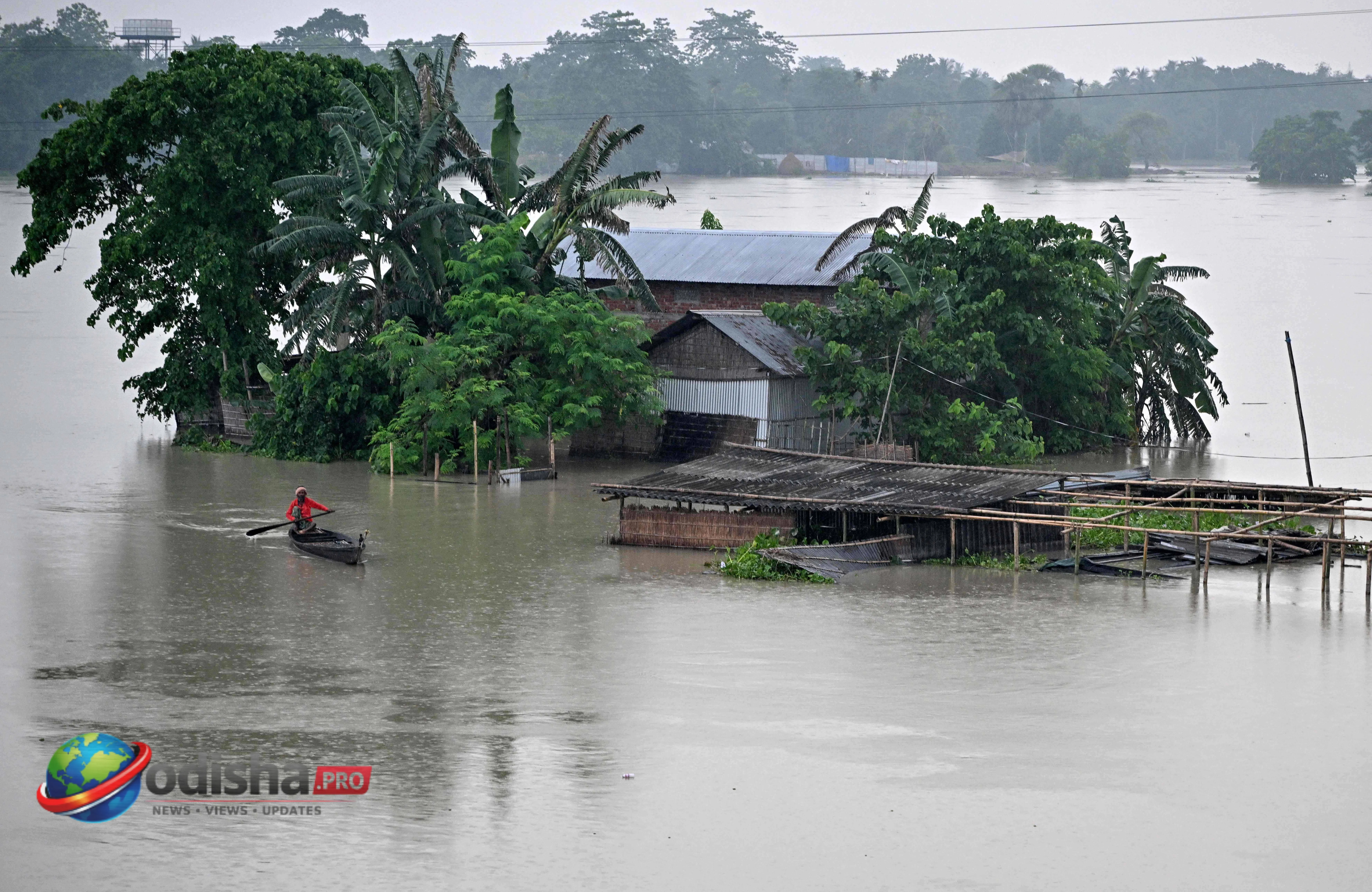
ଲଗାଣ ବର୍ଷା ପରେ ଆସାମରେ ପ୍ରକୃତିର ପ୍ରଳୟଙ୍କରୀ ରୂପ ଦେଖି...
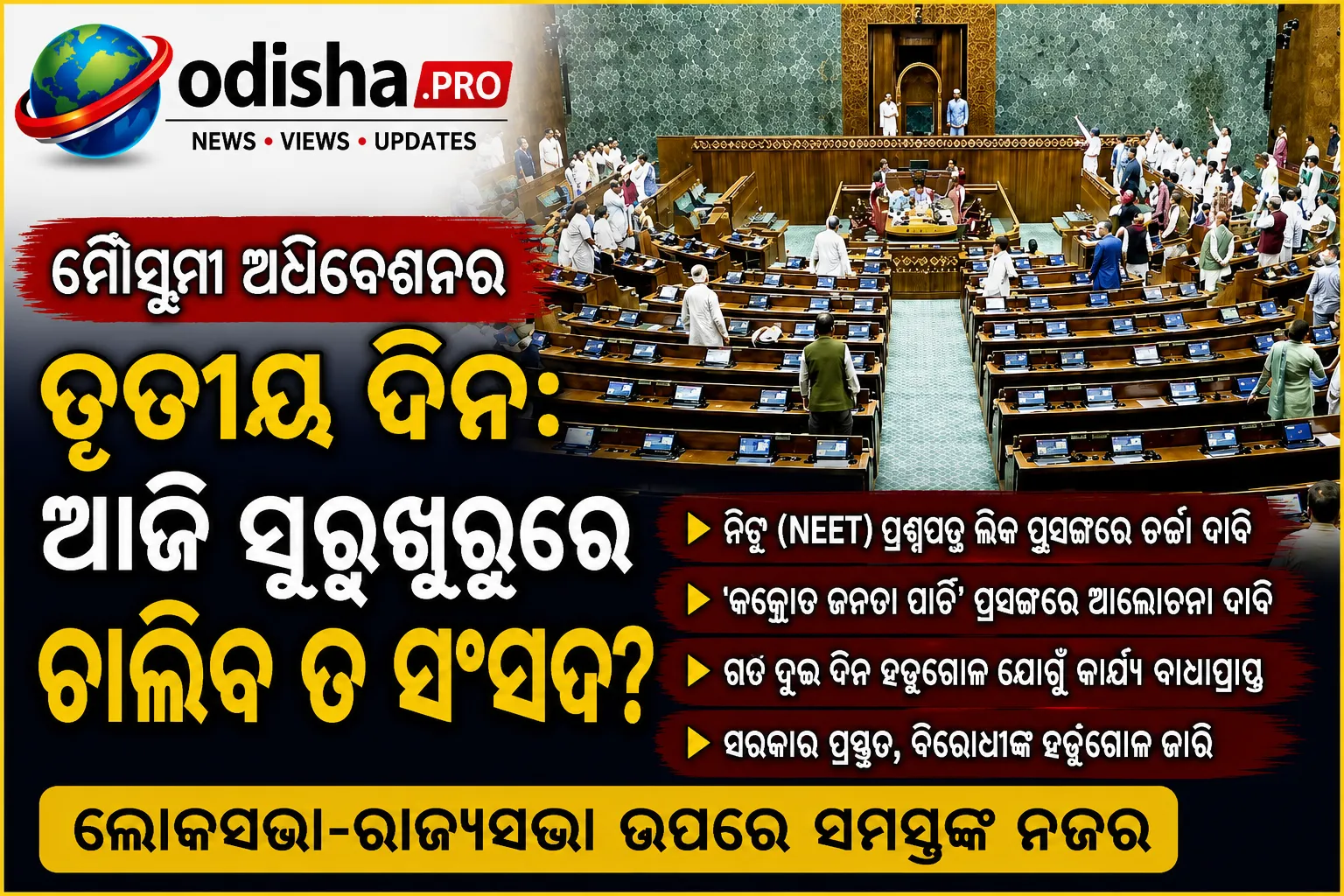
ସଂସଦର ମୌସୁମୀ ଅଧିବେଶନର ଆଜି ତୃତୀୟ ଦିନ। ଗତ ଦୁଇ ଦିନ ଧର...

ନିର୍ଦ୍ଦେଶକ ନୀତେଶ ତିୱାରୀଙ୍କ ବହୁ ପ୍ରତୀକ୍ଷିତ ଚଳଚ୍ଚିତ୍...
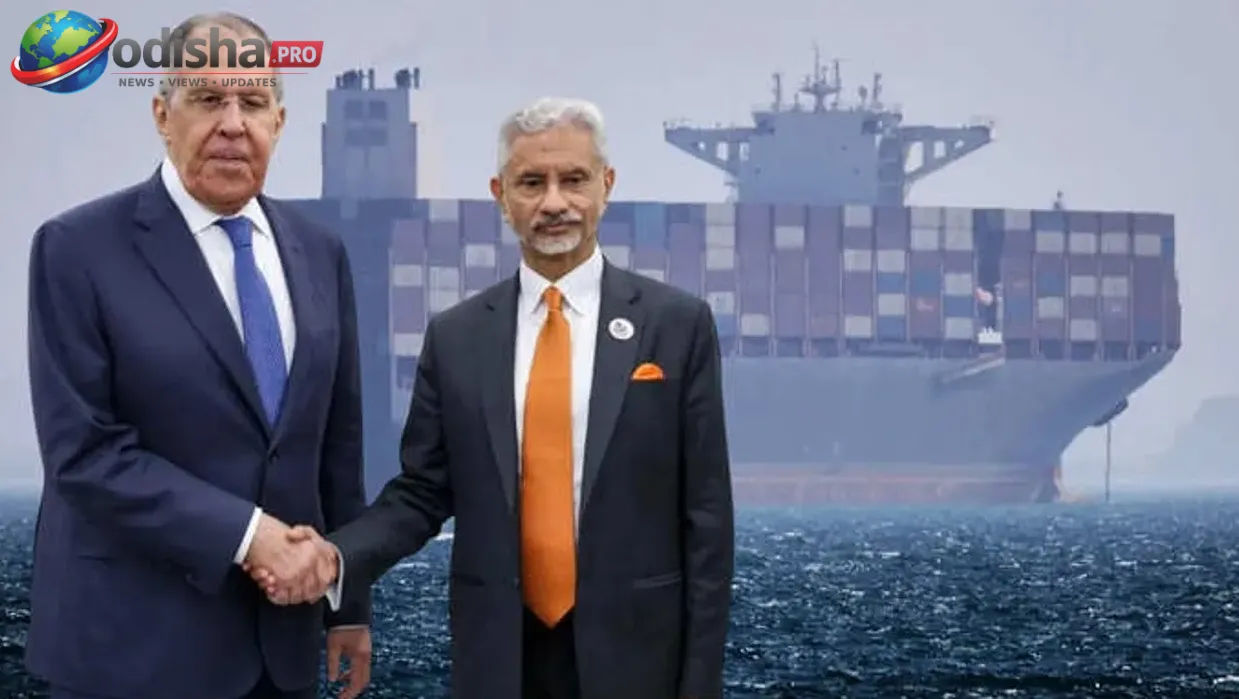
: ୟୁକ୍ରେନ ସଂଘର୍ଷ ଅଞ୍ଚଳରେ କାର୍ଯ୍ୟରତ ଭାରତୀୟ ନାବିକଙ୍କ...
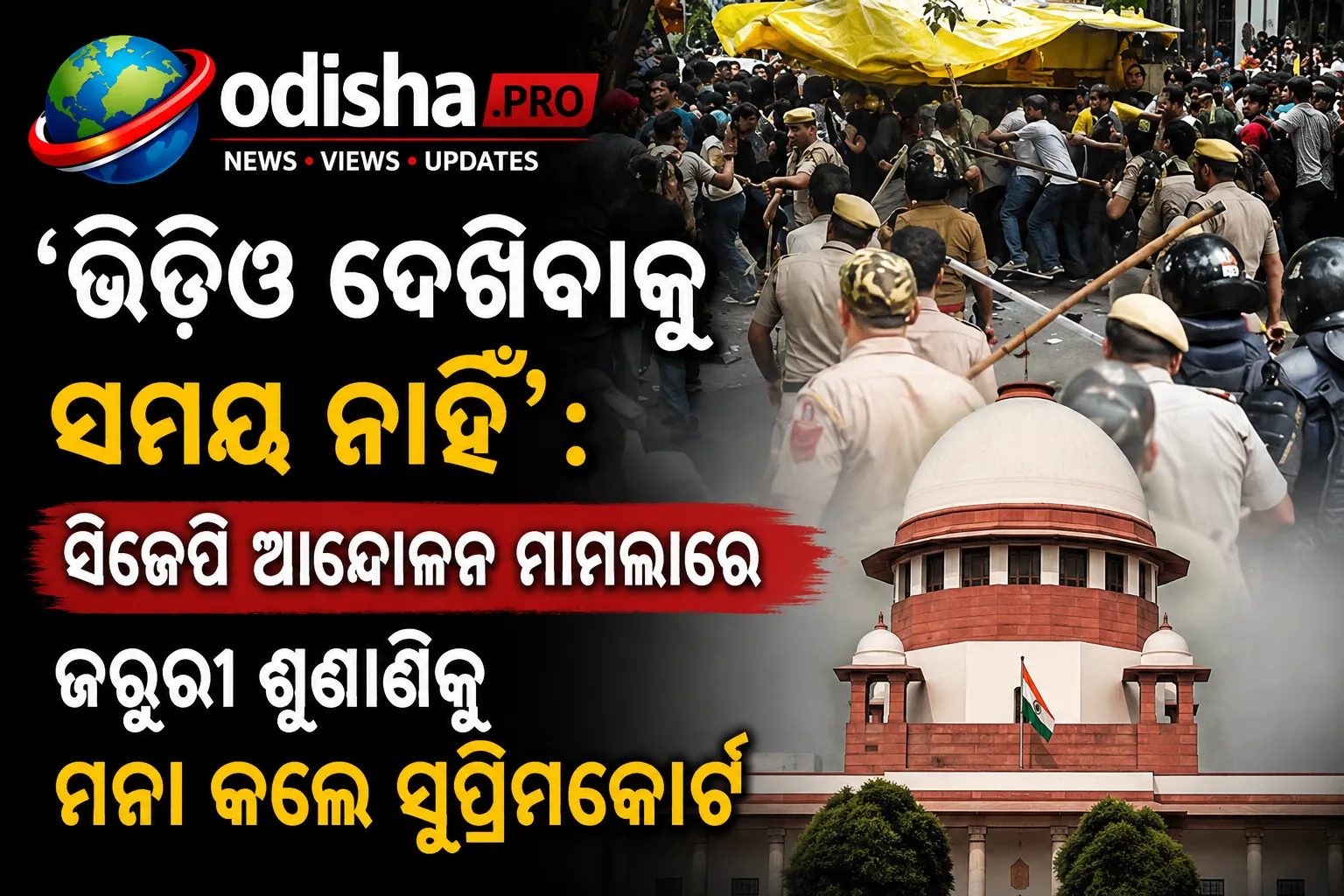
ଦିଲ୍ଲୀର ଜନ୍ତର ମନ୍ତରରେ **‘କୋକରୋଚ୍ ଜନତା ପାର୍ଟି...
ରାଜଧାନୀ ଦିଲ୍ଲୀର ଜନ୍ତର ମନ୍ତରରେ ଚାଲିଥିବା ଛାତ୍ର ଆନ୍ଦୋ...
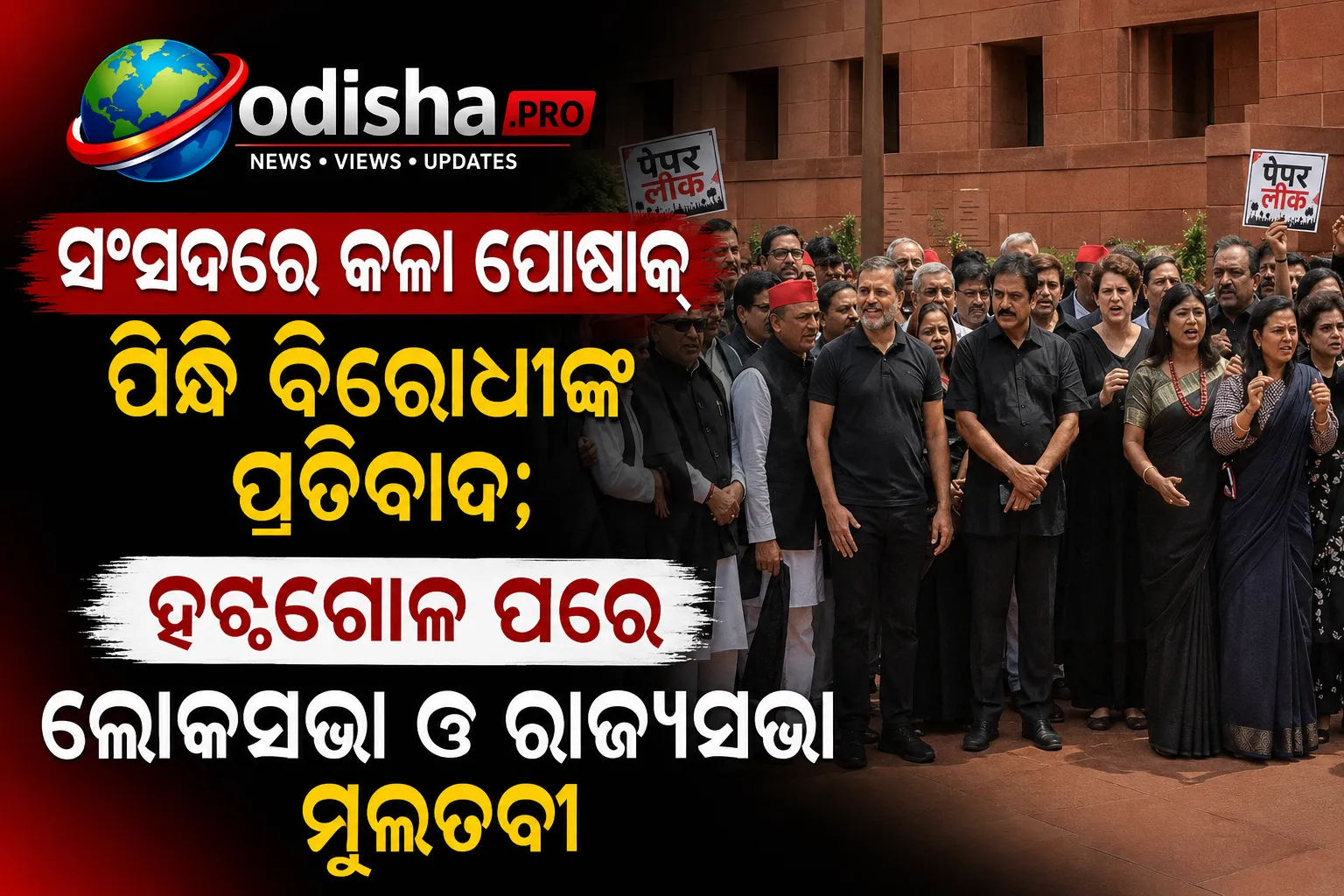
ସଂସଦର ମୌସୁମୀ ଅଧିବେଶନର ତୃତୀୟ ଦିନ ବୁଧବାର ବିରୋଧୀ ସାଂସ...

ରାଜଧାନୀ ଦିଲ୍ଲୀରେ ଚାଲିଥିବା ତୀବ୍ର ପ୍ରତିବାଦ ଓ ଆନ୍ଦୋଳନ...

ଲୋକପ୍ରିୟ ଅଭିନେତ୍ରୀ ଜେନିଫର ୱିଙ୍ଗେଟ୍ ନିଜ ଜୀବନର ଏକ ନୂ...

ହଲିଉଡ୍ ଚଳଚ୍ଚିତ୍ର‘Godzilla vs. Kong’ଏବଂ...

ବଲିଉଡ୍‌ର ‘ଶେହେନଶାହ’ ଅମିତାଭ ବଚ୍ଚନଙ...