






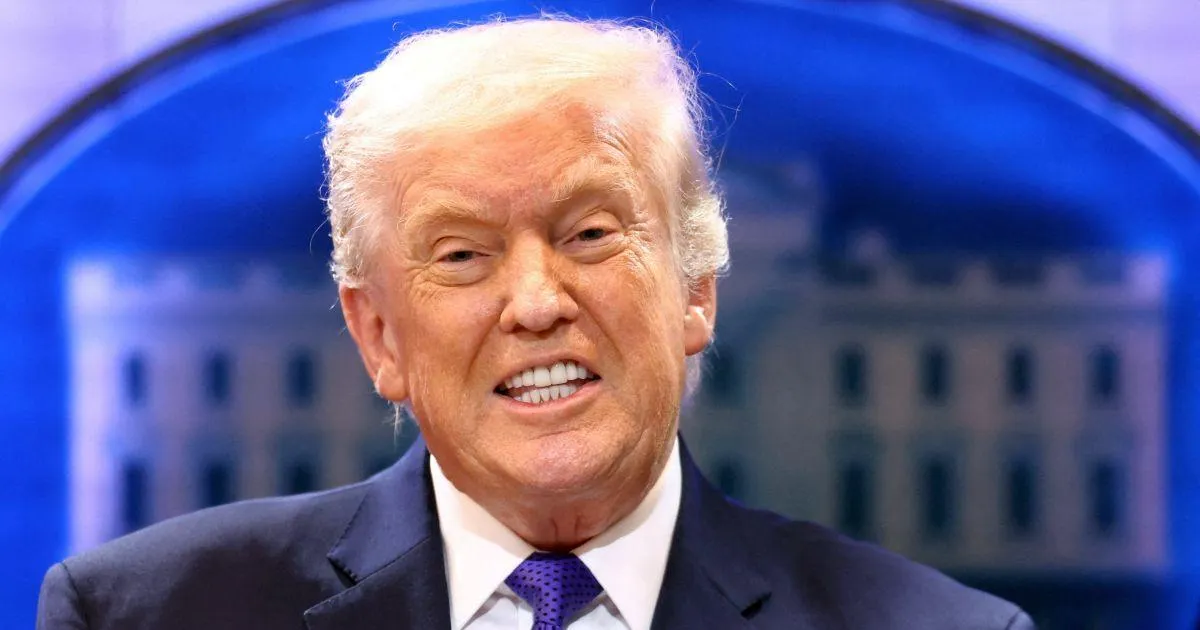
In response to a landmark ruling by the U.S. Supreme Court that struck down portions of his previous tariff program, President Donald Trump announced a significant escalation of U.S. trade policy by raising the global tariff rate from 10% to 15%. The court had concluded that Trump overstepped his authority by using emergency powers to impose sweeping tariffs, prompting the president to pivot to alternative legal authority under Section 122 of theTrade Act of 1974— which allows a temporary tariff of up to 15% for up to 150 days.
Trump framed the tariff increase as a necessary response to decades of what he described as unfair trade practices by foreign countries that have “ripped off” the United States. In posts on his social media platform, he openly criticized the Supreme Court’s ruling as “anti-American” and “poorly written,” reflecting deep frustration with the judiciary.
The move marks a new phase in U.S. trade policy — one with potentially broad implications for the global economy. While aimed at protecting American industries and addressing trade imbalances, the rapid escalation to a 15% levy has already drawn criticism from economists, business groups, and international partners, who warn it could raise costs for U.S. consumers and invite retaliatory measures. Amid ongoing legal challenges and political debate, the tariff increase highlights the contentious intersection of executive authority, trade law, and economic strategy.

କଟକ: ଚୌଦ୍ୱାର ସର୍କଲ୍ ଜେଲ୍‌ର ସିନିୟର ସୁପରିଣ୍ଟେଣ୍...

ଭୁବନେଶ୍ୱର:ସୋସିଆଲ ମିଡିଆରେ କରାଯାଇଥିବା ଏକ LIVE ଭିଡିଓକ...

ଓଡ଼ିଶାରେ ନକଲି ନୋଟ୍ କାରବାରକୁ ନେଇ ପୁଣି ଚର୍ଚ୍ଚା। ଏକ ବ...
ନିଶିନ୍: ଏସୀୟ କ୍ରୀଡ଼ା ୨୦୨୬ର ମହିଳା କ୍ରିକେଟ୍ ଫାଇନାଲ୍&...
ସାନୋରେ ଭାରତ ଓ ଜାପାନ ମଧ୍ୟରେ ଖେଳାଯାଇଥିବା ଐତିହାସିକ ପ୍...

ବରଗଡ଼ ଜିଲ୍ଲାର ଜଣେ ପଞ୍ଚାୟତ ଏକ୍ଜିକ୍ୟୁଟିଭ୍ ଅଫିସର (PEO...

ରାଷ୍ଟ୍ରପତି ଦ୍ରୌପଦୀ ମୁର୍ମୁ ଅକ୍ଟୋବର ୨୭ ଓ ୨୮ରେ ଓଡ଼ିଶା...
ଆତ୍ମରକ୍ଷା ପାଇଁ ଆରମ୍ଭ ହୋଇଥିବା ଲଢ଼ୁଆ କ୍ରୀଡ଼ାର ଯାତ୍ରା ଏ...

ବଙ୍ଗୋପସାଗରରେ ସୃଷ୍ଟି ହୋଇଥିବା ଗଭୀର ଅବପାତ ଅଧିକ ଶକ୍ତିଶ...
କ୍ରିକେଟ୍‌ପ୍ରେମୀଙ୍କ ଅପେକ୍ଷାରେ ବର୍ଷା ପାଣି ପକାଇଦ...
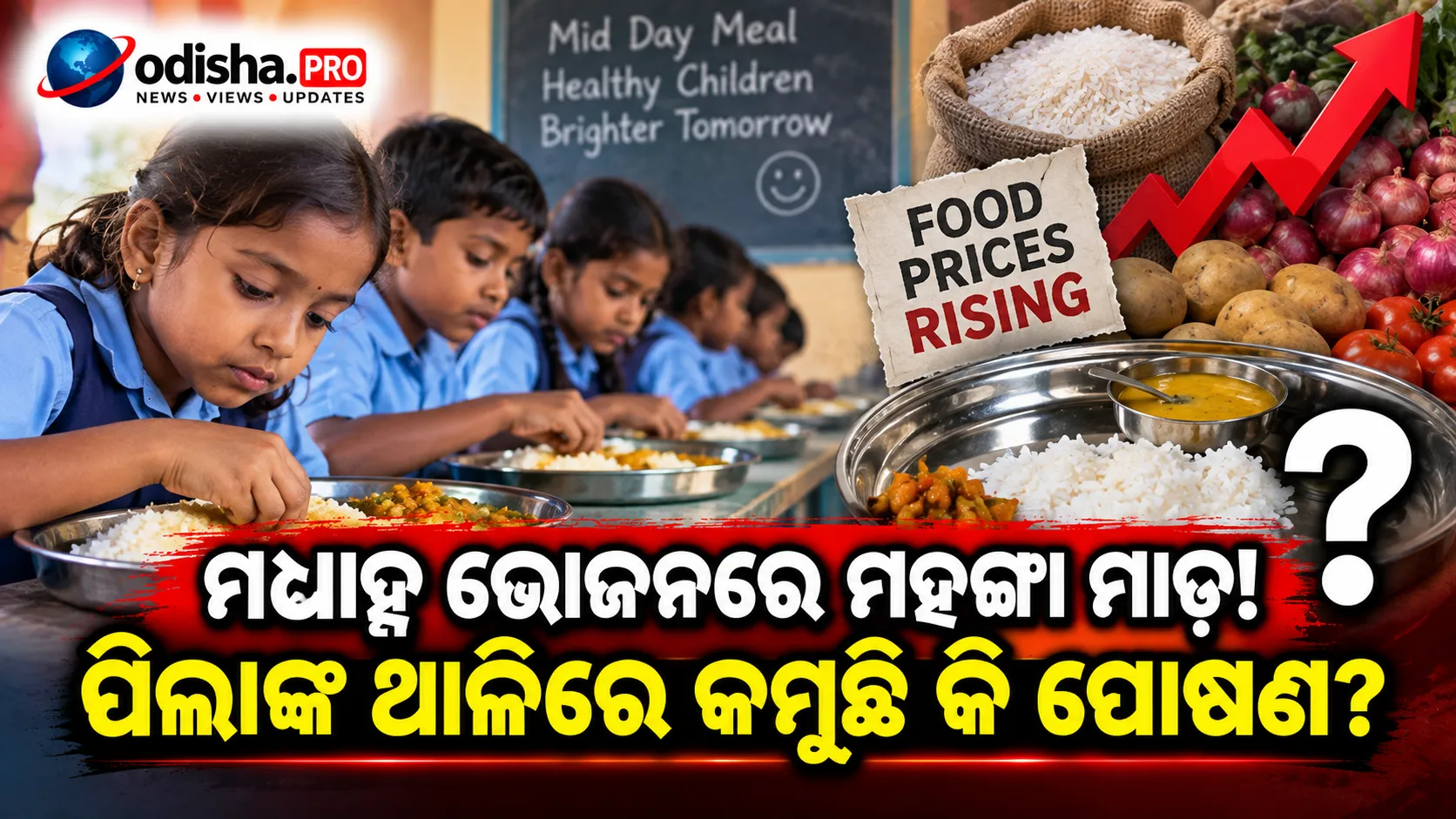
ରାଜ୍ୟର ସ୍କୁଲଗୁଡ଼ିକରେ ପିଲାମାନଙ୍କୁ ଦିଆଯାଉଥିବା ମଧ୍ୟାହ...