



The United States has expressed sharp displeasure over the European Union’s decision to sign a major trade agreement with India, even as Washington continues to impose heavy tariffs on New Delhi over its purchase of Russian oil.
US Treasury Secretary Scott Bessent, speaking to ABC News, said that the United States has taken far stronger economic measures than its European allies to curb Russia’s war efforts in Ukraine. He highlighted the Trump administration’s decision to impose a 25% tariff on Indian goods as a penalty for India’s ongoing imports of Russian crude oil.
“We have put 25% tariffs on India for buying Russian oil. Guess what happened last week? The Europeans signed a trade deal with India,” Bessent said, calling out the EU for what he described as contradictory actions.
Bessent further alleged that Russian oil is being refined in India and later sold to European countries, effectively allowing Moscow to continue earning revenue despite sanctions.
“The Russian oil goes into India, the refined products come out, and the Europeans buy the refined products. In effect, they are financing the war against themselves,” he claimed.
These remarks mirror Bessent’s earlier comments from August 2025, when he accused India of reselling Russian oil at a profit just days before an additional 25% tariff was imposed by the US.
Interestingly, Bessent’s latest comments appear to contradict his earlier signals of a possible thaw in US-India trade relations. In a previous interview withPolitico, he had suggested that Indian refineries were gradually reducing their dependence on Russian crude and hinted that tariffs could eventually be rolled back.
“The tariffs are still on, but I would imagine there is a path to take them off,” he had said. As of now, the Indian government has not officially responded to Bessent’s recent accusations.
Meanwhile, India and the European Union are set to officially announce their long-awaited Free Trade Agreement at the 16th India-EU Summit. Commerce Secretary Rajesh Agrawal confirmed that negotiations have concluded, describing the deal as a major breakthrough for both sides.
The summit will feature talks between Prime Minister Narendra Modi, European Commission President Ursula von der Leyen, and European Council President Antonio Costa. The leaders were recently seen together during India’s Republic Day celebrations at Kartavya Path in New Delhi.
The FTA is expected to provide a major boost to Indian exports, especially in sectors like textiles and jewellery, which were hit hard by the Trump administration’s 50% tariffs imposed in two phases during 2025—partly as a response to India’s oil trade with Russia.
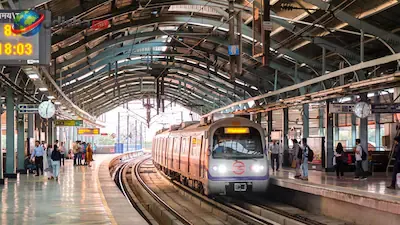
ରାଜଧାନୀ ଦିଲ୍ଲୀରେ ଚାଲିଥିବା ତୀବ୍ର ପ୍ରତିବାଦ ଓ ଆନ୍ଦୋଳନ...
ଓଡ଼ିଶାର ଆଦିବାସୀ ଅଞ୍ଚଳରେ ପୌଷ୍ଟିକ ସଙ୍କଟ ଗଭୀର ହେଉଥିବା...
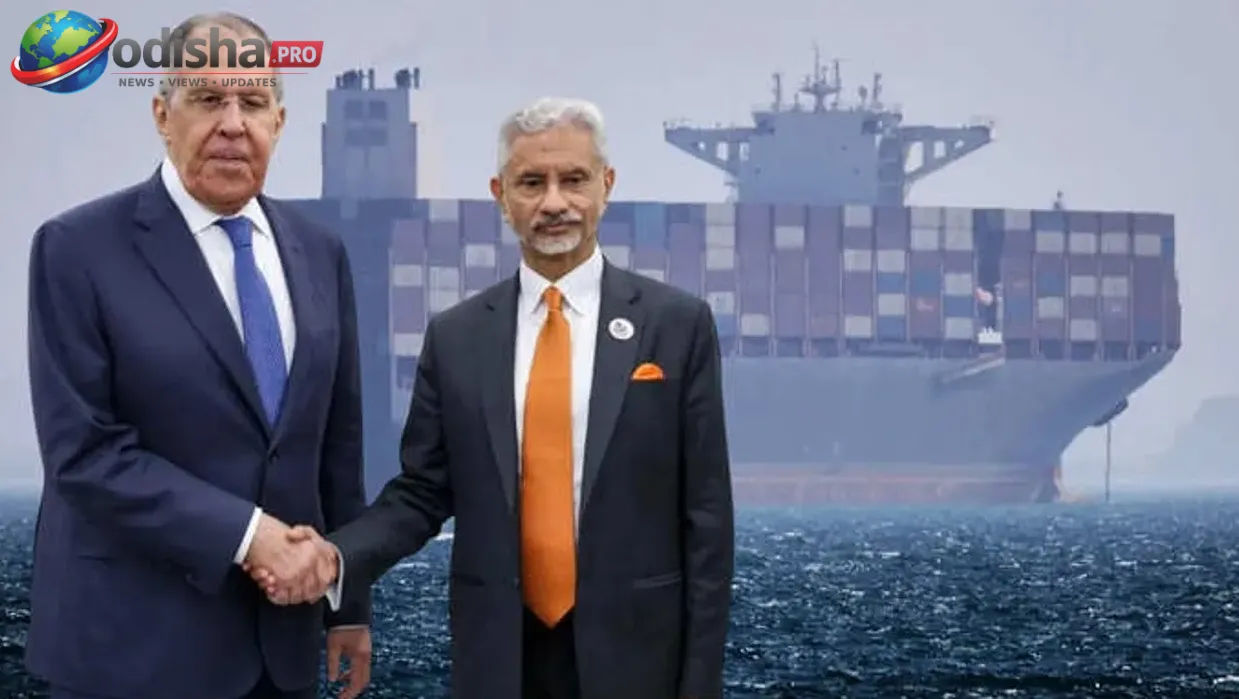
: ୟୁକ୍ରେନ ସଂଘର୍ଷ ଅଞ୍ଚଳରେ କାର୍ଯ୍ୟରତ ଭାରତୀୟ ନାବିକଙ୍କ...
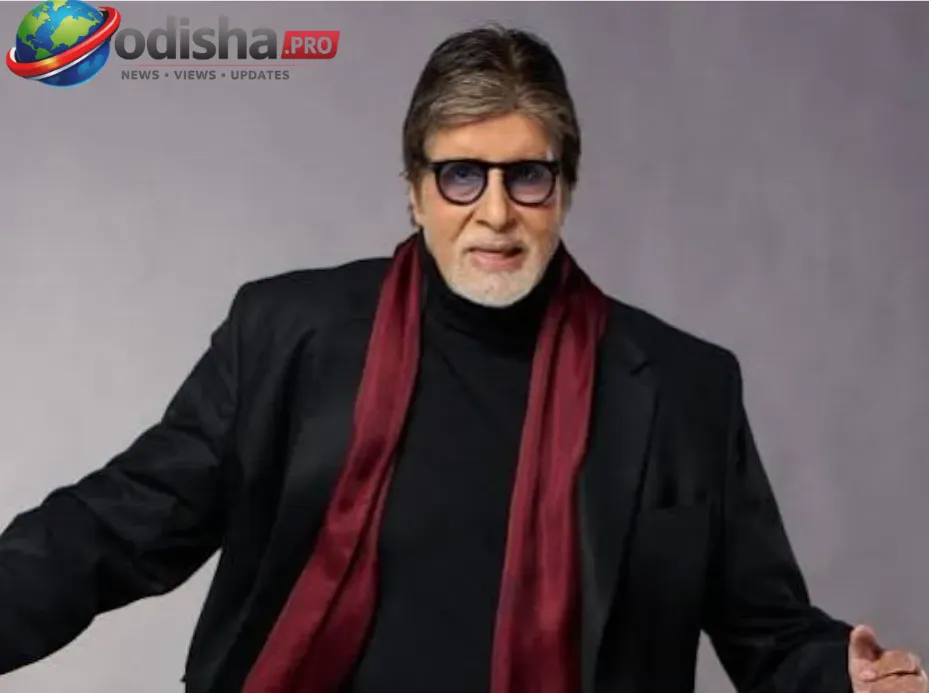
ବଲିଉଡ୍‌ର ‘ଶେହେନଶାହ’ ଅମିତାଭ ବଚ୍ଚନଙ...

ସିକ୍କିମରେ ଘଟିଥିବା ଭୟଙ୍କର ଟନେଲ ଦୁର୍ଘଟଣା ସମଗ୍ର ଦେଶକୁ...
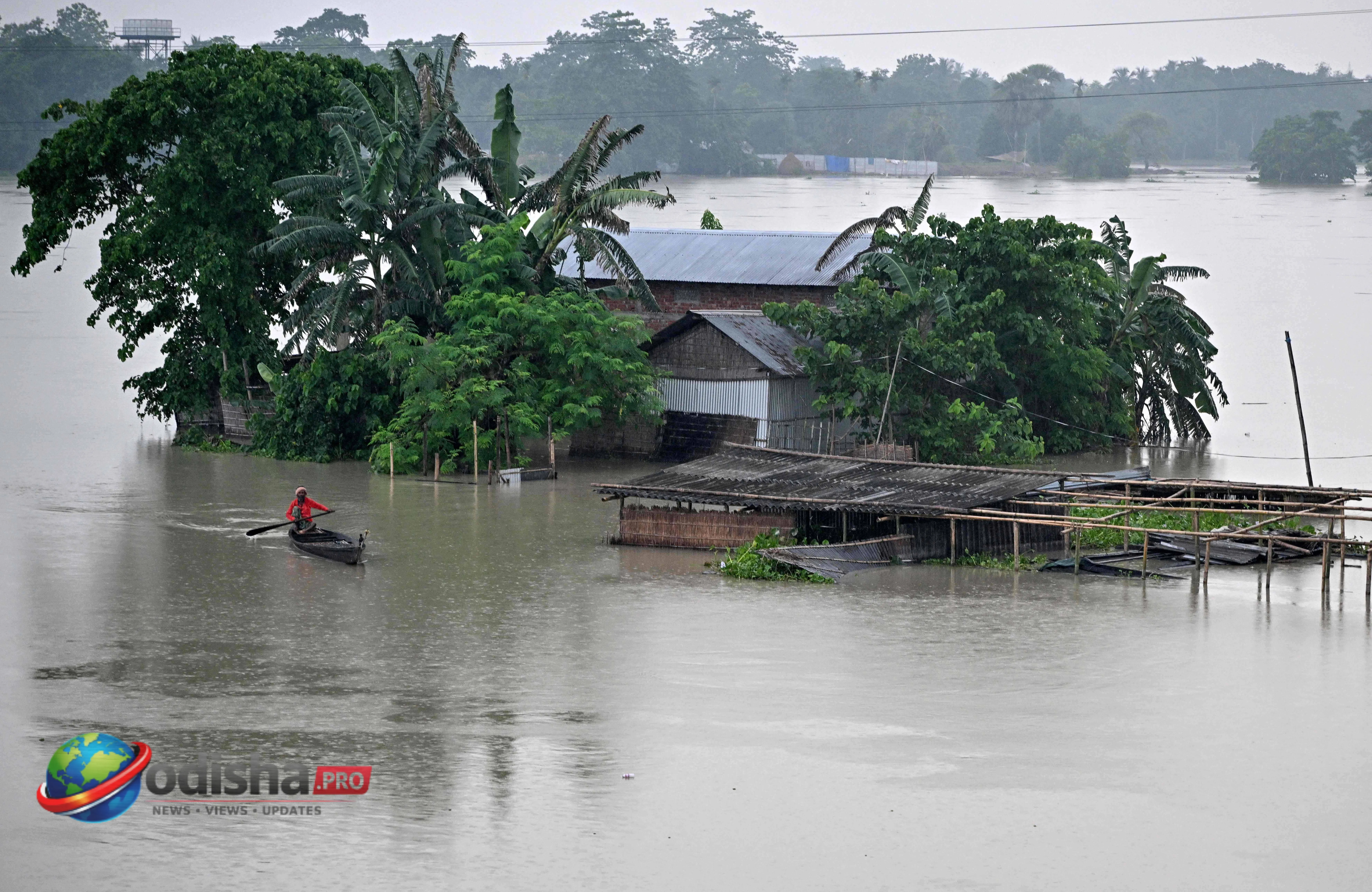
ଲଗାଣ ବର୍ଷା ପରେ ଆସାମରେ ପ୍ରକୃତିର ପ୍ରଳୟଙ୍କରୀ ରୂପ ଦେଖି...
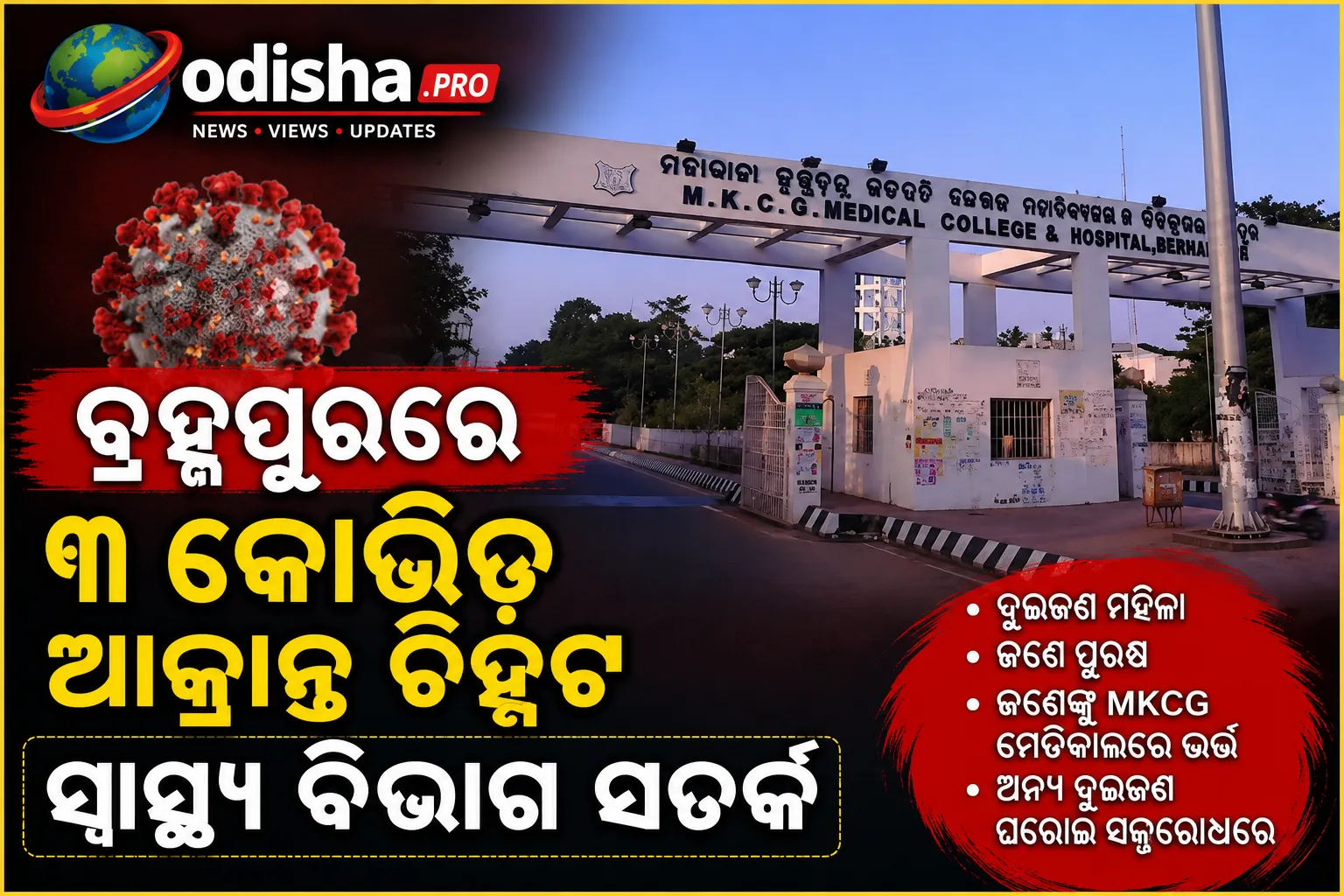
ବ୍ରହ୍ମପୁର ସହରରେ ପୁଣିଥରେ କୋଭିଡ୍ ସଂକ୍ରମଣ ଦେଖିବାକୁ ମି...
ମେଷ ଏହି ସପ୍ତାହ ଆପଣଙ୍କ କର୍ମକ୍ଷେତ୍ର ପାଇଁ ଉତ୍ସାହଜନ...

ଅନଲାଇନ୍ ସପିଂ ବର୍ତ୍ତମାନ ସମୟରେ ଦୈନନ୍ଦିନ ଜୀବନର ଏକ ଅଂଶ...