






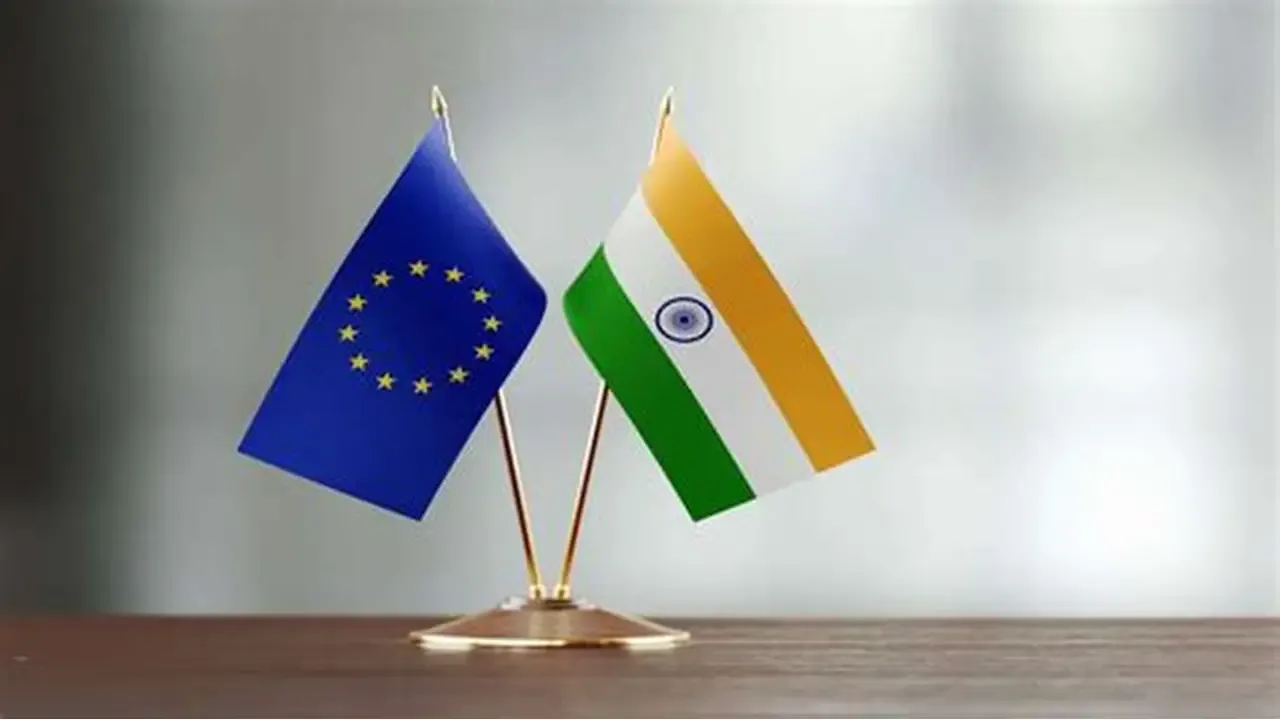
India and the European Union are poised to cross a major milestone in their economic relationship, with negotiations on a long-awaited Free Trade Agreement (FTA) expected to be formally wrapped up at a high-level summit in New Delhi. The announcement would bring nearly two decades of intermittent and often stalled talks to a close, putting the agreement on the final path toward approval and implementation.
The scale of the partnership highlights the significance of the deal. In FY 2024–25, India’s goods trade with the EU stood at USD 136.53 billion, including exports worth USD 75.85 billion and imports of USD 60.68 billion. The EU was India’s largest goods export market during the year, accounting for nearly 17% of total exports and generating a trade surplus of USD 15.17 billion for India. Services trade added another USD 83.10 billion, led by IT, telecommunications and business services.
One of the most closely watched elements of the FTA is the auto sector. India has agreed to sharply reduce import duties on a limited number of fully built European cars priced above roughly USD 17,700, cutting tariffs from current levels of 70–110% to around 40% initially, with a phased reduction to near 10% over time. This would mark the most significant opening of India’s auto market to European manufacturers such as Volkswagen, Mercedes-Benz, BMW, Renault and Stellantis, potentially making premium vehicles more affordable. Fully electric vehicles are likely to be excluded from tariff cuts for at least five years to protect domestic EV investments.
Beyond automobiles, the agreement is expected to bring meaningful changes in textiles, garments, electronics and machinery. Duties of around 10% on Indian textiles and apparel in the EU are likely to be reduced gradually, improving competitiveness against exporters from Bangladesh and Vietnam. Cheaper access to European machinery and electronic components could also lower input costs for Indian manufacturers, while easing technical barriers may help Indian exporters enter the EU market more easily.
Services and skilled mobility form another critical pillar of the deal. With services trade already valued at over USD 83 billion, the FTA is expected to introduce clearer and more predictable movement rules for Indian professionals in IT, engineering and consulting. Faster processing and transparent short-term entry norms could significantly boost services exports and employment opportunities.
Agriculture, however, remains largely ring-fenced. Both sides have avoided broad tariff liberalisation on farm and dairy products to prevent domestic political backlash. While core agricultural markets are protected, India’s food and beverage exports to the EU—worth about USD 4.2 billion—are expected to grow in selected segments such as tea, coffee, spices, seafood and fruits.
The deal also addresses emerging challenges such as the EU’s Carbon Border Adjustment Mechanism (CBAM), which will affect Indian steel and aluminium exports. India has sought longer transition timelines and flexibility on reporting, as full compliance could raise production costs for exporters.
Spanning 24 chapters, the FTA is expected to include provisions on investment protection, intellectual property, geographical indications and dispute settlement. Together, these measures aim to reduce regulatory friction, improve investor confidence and create a more stable framework for long-term economic engagement between India and the EU.

ଭୁବନେଶ୍ୱର: ବଙ୍ଗୋପସାଗରରେ ପାଣିପାଗକୁ ନେଇ ପୁଣି ବଢ଼ିଛି...
ବଲିଉଡ୍‌ର ଲୋକପ୍ରିୟ କମେଡି ଫ୍ରାଞ୍ଚାଇଜ୍ ‘Go...

ଭୁବନେଶ୍ୱର: ରାଜଧାନୀ ଭୁବନେଶ୍ୱରକୁ ମିଳିଛି ନୂଆ DCP। ଡ....

ଗଞ୍ଜାମ: ଓଡ଼ିଶାରେ ଲଗାଣ ବର୍ଷା ମଧ୍ୟରେ ଗଞ୍ଜାମ ଜିଲ୍ଲାରୁ...

ମଧ୍ୟପ୍ରଦେଶରେ ଘଟିଥିବା ଏକ ଭୟାବହ ଦୁର୍ଘଟଣାରେ ୭ ଜଣ ଓଡ଼ି...
ମୁମ୍ବାଇ: ସେଲିବ୍ରିଟିଙ୍କ ଶରୀର, ବୟସ, ଚେହେରା ଓ ବ୍ୟକ୍ତି...
ସାଉଥ୍‌ ସିନେମାର ଚର୍ଚ୍ଚିତ ଅଭିନେତା ଅଲ୍ଲୁ ଅର୍ଜୁନଙ...
Bigg Boss 20ର ପ୍ରୋମୋକୁ ନେଇ ଅଭିନେତା ସଲମାନ ଖାନ୍&zwnj...
