



President Donald Trump’s administration opposed efforts to expand the use of body cameras for immigration officers and significantly cut staffing in oversight offices, even as it ramped up immigration enforcement in cities such as Minneapolis. The policy decisions have come under renewed scrutiny following fatal shootings of US citizen protesters, incidents largely documented by bystander video rather than official footage.
Footage of recent clashes has challenged official accounts that portrayed those shot as aggressors, highlighting the role of video evidence in law enforcement accountability. Despite this, the Trump administration sought to reduce funding for ICE’s body-camera program, calling for a 75 per cent budget cut and limiting staff overseeing the initiative.
At the same time, hundreds of employees working in DHS oversight offices were placed on paid leave, weakening the government’s ability to investigate alleged abuses. Critics argue these moves reduced transparency as immigration officers were deployed nationwide. While Congress has partially restored funding for body cameras, their use remains voluntary, and oversight capacity remains sharply diminished.

ଦିଲ୍ଲୀ-ଏନ୍‌ସିଆରରେ ପାଗରେ ହଠାତ୍ ପରିବର୍ତ୍ତନ ଦେଖା...

ରାଜ୍ୟରେ ଲଗାଣ ବର୍ଷା ଜାରି ରହିଥିବା ବେଳେ ବାଲେଶ୍ୱର ଜିଲ୍...
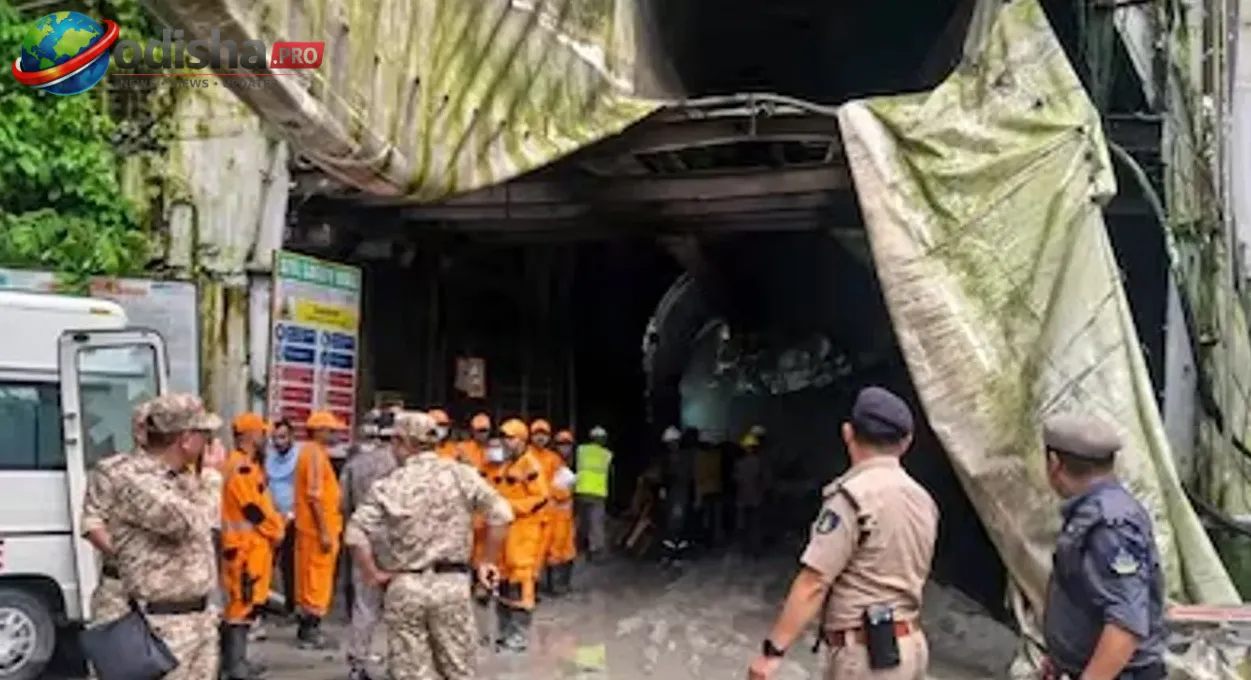
ସିକ୍କିମରେ ଘଟିଥିବା ଭୟଙ୍କର ଟନେଲ ଦୁର୍ଘଟଣା ସମଗ୍ର ଦେଶକୁ...
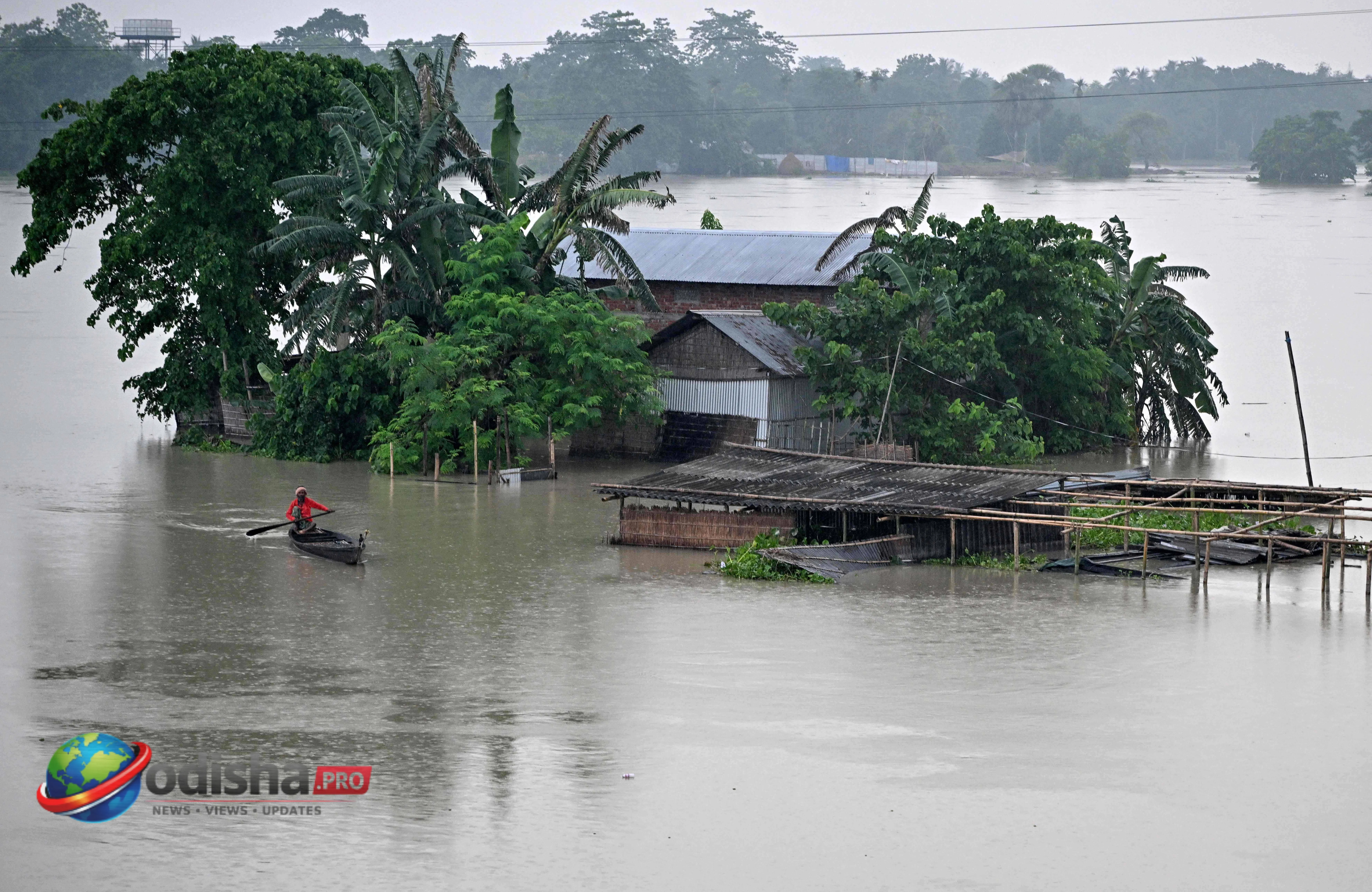
ଲଗାଣ ବର୍ଷା ପରେ ଆସାମରେ ପ୍ରକୃତିର ପ୍ରଳୟଙ୍କରୀ ରୂପ ଦେଖି...

ମେଷ ଏହି ସପ୍ତାହ ଆପଣଙ୍କ କର୍ମକ୍ଷେତ୍ର ପାଇଁ ଉତ୍ସାହଜନ...
ରାଜଧାନୀ ଦିଲ୍ଲୀରେ ଚାଲିଥିବା ତୀବ୍ର ପ୍ରତିବାଦ ଓ ଆନ୍ଦୋଳନ...
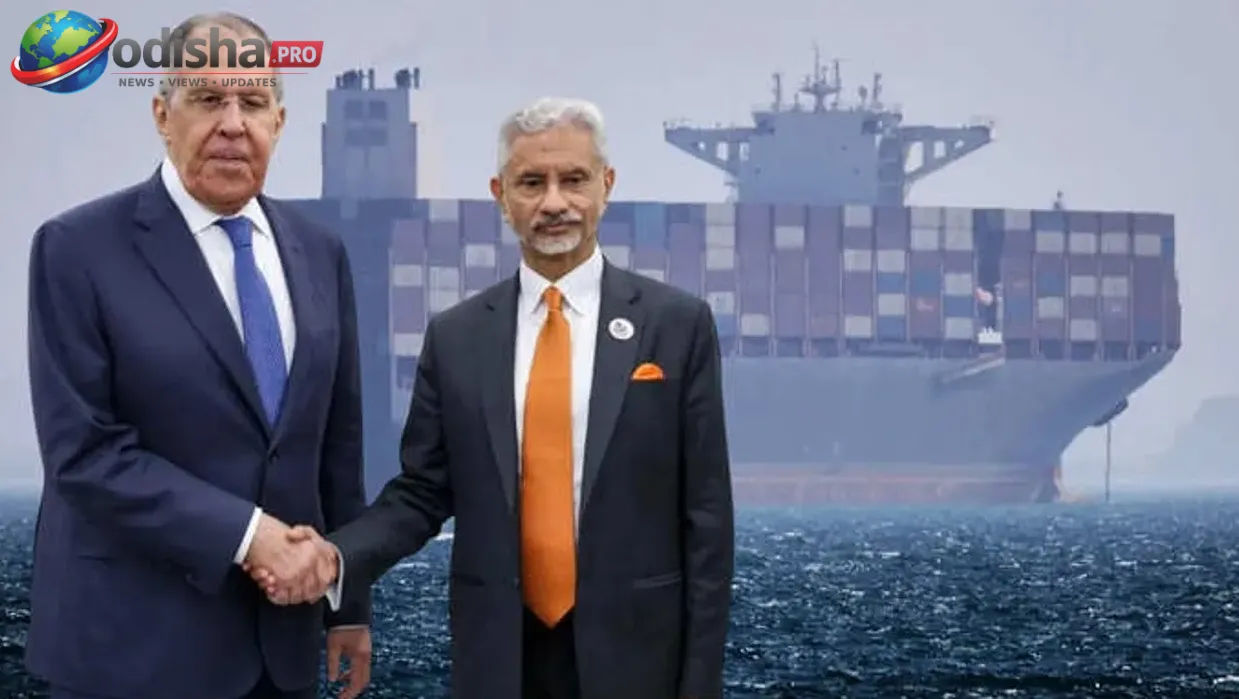
: ୟୁକ୍ରେନ ସଂଘର୍ଷ ଅଞ୍ଚଳରେ କାର୍ଯ୍ୟରତ ଭାରତୀୟ ନାବିକଙ୍କ...

ଲଘୁଚାପ ପ୍ରଭାବରେ ଲଗାଣ ବର୍ଷା ଯୋଗୁଁ ଢେଙ୍କାନାଳ ଜିଲ୍ଲାର...