



Bhubaneswar is facing a significant water deficit of 65.5 MLD, prompting the Odisha government to review the region’s Water Security Plan on January 7, 2026. The meeting, chaired by Housing & Urban Development Principal Secretary Usha Padhee at Kharabela Bhawan, assessed ways to strengthen water infrastructure to meet the city’s growing needs. Senior officials from WATCO and the department were present during the review.
Padhee directed the Water Corporation of Odisha (WATCO) to fast-track all ongoing and proposed water supply projects, emphasizing the urgency created by Bhubaneswar’s rapid population growth and future expansion. WATCO Managing Director Debabrata Mohanty presented details on the demand–supply gap, current challenges, and infrastructure augmentation strategies. These plans align with the long-term development goals of Viksit Odisha 2036 and Viksit Bharat 2047.
Key expansion proposals include:
Commissioning a 130 MLD Water Treatment Plant at Mundali within six months
Operationalizing a 20 MLD plant at Naharkanta by 2028
A long-term plan to lift 1,000 MLD of raw water from the Mahanadi River at Mundali in two phases for future requirements
Establishing a 400 MLD Water Treatment Plant under the Viksit Bharat 2047 roadmap to support urban growth
The Principal Secretary also instructed WATCO to conduct a statewide survey of Urban Local Bodies, particularly focusing on areas prone to summer water shortages. The survey will evaluate source sustainability, treatment capacity, storage facilities, distribution efficiency, and peak seasonal demand to guide targeted solutions.
As Bhubaneswar’s population reached an estimated 13.03 lakh in 2025, the city currently relies heavily on groundwater to manage its deficit, further underscoring the need for strategic water planning.

ପ୍ରସିଦ୍ଧ ଖ୍ରୀଷ୍ଟିଆନ୍ ହେଭି ମେଟାଲ୍ ବ୍ୟାଣ୍ଡ Demon Hun...
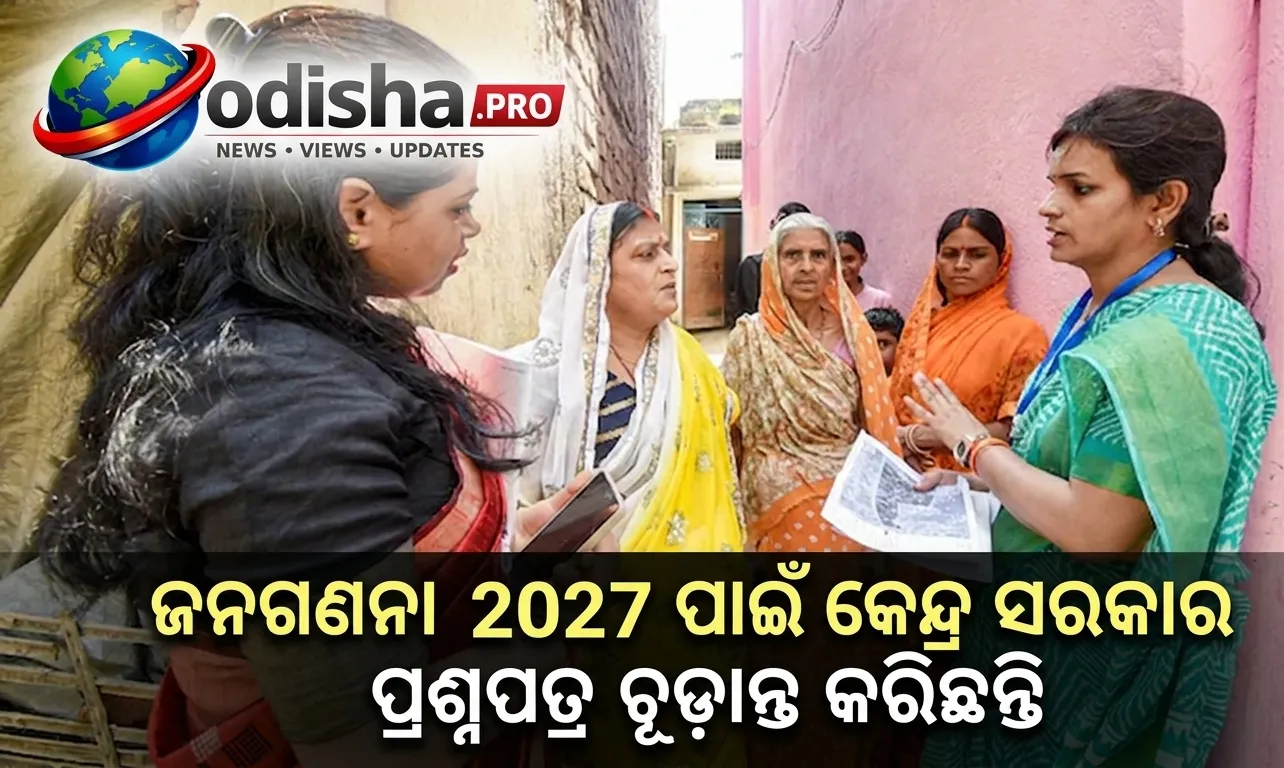
ନୂଆଦିଲ୍ଲୀ:ଜନଗଣନା ୨୦୨୭ ପାଇଁ କେନ୍ଦ୍ର ସରକାର ପ୍ରଶ୍ନପତ୍...

ଓଡ଼ିଶାର ସାମ୍ବାଦିକମାନଙ୍କ ସ୍ୱାସ୍ଥ୍ୟ ବୀମା ସୁବିଧାକୁ ନେ...

ପାନ୍ ମସଲା ସହ ସଂଯୁକ୍ତ ଏକ ଚୁଇଂ ଏଲାଇଚି ବ୍ରାଣ୍ଡର ବିଜ୍ଞ...

ମେଷ ଏହି ସପ୍ତାହରେ ମେଷ ରାଶିର ବ୍ୟକ୍ତିମାନେ କର୍ମକ୍ଷେ...

ଆଲାର୍ମ ବାଜିବା ପୂର୍ବରୁ ସ୍ୱାଭାବିକ ଭାବେ ଉଠିବା ଅନେକଙ୍କ...

୦୦ ଦିନିଆ ଟିବି ମୁକ୍ତ ଭାରତ ଅଭିଯାନର ସଫଳତା ଓ ଆଗାମୀ ରଣନ...

ମେଷ ଏହି ସପ୍ତାହରେ କାର୍ଯ୍ୟକ୍ଷେତ୍ରରେ ନୂଆ ଦାୟିତ୍ୱ ମ...

ମେଷ:ଏହି ସପ୍ତାହରେ କର୍ମକ୍ଷେତ୍ରରେ ନୂଆ ସୁଯୋଗ ମିଳିପାରେ।...

ପ୍ରାୟ ଦୁଇ ଦଶନ୍ଧି ପରେ ପୁଣିଥରେ ପରଦାକୁ ଫେରିଛନ୍ତି ଇମ୍ର...

‘KGF: Chapter 2’ ପରେ ପ୍ରାୟ ଚାରି ବର୍ଷ ଧ...