









Indian Railways’ continued emphasis on safety, infrastructure modernisation and employee welfare has led to a sharp decline in signalling failures, train accidents and deaths among track maintenance staff, the government informed the Rajya Sabha.
In a written reply, Union Minister Ashwini Vaishnaw stated that signalling failures have reduced by nearly 58 percent over the past 11 years, contributing substantially to safer train operations across the national network.
Consequential train accidents dropped dramatically from 135 in 2014–15 to just 12 in 2025–26 (till date), marking an almost 90 percent reduction. The Consequential Accident Index—measuring accidents relative to train kilometres run—also improved significantly, falling from 0.11 in 2014–15 to 0.03 in 2024–25, a 73 percent improvement.
Modernisation of signalling systems has played a key role in these gains. By December 31, 2025, Electrical and Electronic Interlocking Systems had replaced mechanical signalling at 6,660 stations, while 10,097 level crossing gates were interlocked for enhanced safety. Complete track circuiting has been implemented at 6,665 stations to enable electrical verification of track occupancy.
Block Proving Axle Counters have been installed across 6,142 block sections to confirm full train arrival before permitting the next movement, and Automatic Block Signalling now covers 6,625 route kilometres to increase line capacity within existing infrastructure. Additional safeguards such as dual detection systems, redundant power supplies and backup transmission media further improve operational reliability.
Indian Railways has also introduced power-operated lifting barriers with sliding booms at interlocked crossings and implemented a Rolling Block maintenance system—notified on November 30, 2023—allowing integrated planning of signalling maintenance up to 52 weeks in advance. Standardised safety procedures, structured training and regular staff counselling form part of the broader safety framework.
Protection and welfare of track maintenance workers have yielded notable results, with deaths during track work reduced by 66 percent compared with 196 fatalities recorded in 2013–14. Workers are now equipped with enhanced safety gear such as luminous jackets, miner-light helmets, gloves, safety shoes, LED torches and weather-appropriate clothing.
To reduce physical strain and improve efficiency, lightweight tools, battery- and hydraulic-operated equipment and mechanised track maintenance machines—including tamping, ballast cleaning, rail grinding, cutting and drilling systems—have been deployed. Rail-borne and multi-utility vehicles support mobile maintenance teams.
Regular counselling, medical check-ups and structured safety training programmes such as “Personal Safety First” are conducted through zonal training centres using practical and visual learning methods. Welfare initiatives include gang huts, rest rooms, toilets at manned level crossings, drinking water facilities, family accommodation, flexible duty rosters and risk-hardship allowances, along with recognition for outstanding performance.
For added protection, a VHF-based Approaching Train Warning System is being gradually introduced and has already been implemented across about 340 block sections, providing advance alerts to track workers via handheld receivers.
Compensation and relief measures remain in place for railway employees and passengers. Families of employees who die in on-duty accidents receive an ex gratia lump sum compensation of ₹25 lakh, effective from January 1, 2016. Between 2022–23 and 2024–25, ₹30.75 crore in ex gratia relief was paid to the next of kin of deceased passengers, while ₹23.53 crore was disbursed as statutory compensation through Railway Claims Tribunal awards.
Compensation under Sections 124 and 124-A of the Railways Act, 1989, is paid in addition to ex gratia relief and released within 30 days of tribunal judgment receipt. The government clarified that payments in a given year may relate to accidents from earlier years depending on case finalisation timelines.
The government highlighted that sustained investment in safety systems, technology upgrades and employee welfare continues to drive measurable improvements in Indian Railways’ operational safety and reliability.
ଅନ୍ତର୍ଜାତୀୟ ଛାତ୍ରଙ୍କ ଭିସା ବ୍ୟବସ୍ଥାର ଦୁରୁପଯୋଗ ରୋକିବ...
ସୁନ୍ଦରଗଡ଼ ଜିଲ୍ଲା ବଣାଇରେ ଶନିବାର ସକାଳେ ପାଣିପାଗର ଏକ ଅ...
ପାକିସ୍ତାନ କ୍ରିକେଟ୍ ବୋର୍ଡ (PCB) ଏବେ ଦଳର ଚୟନ କମିଟି ଏ...
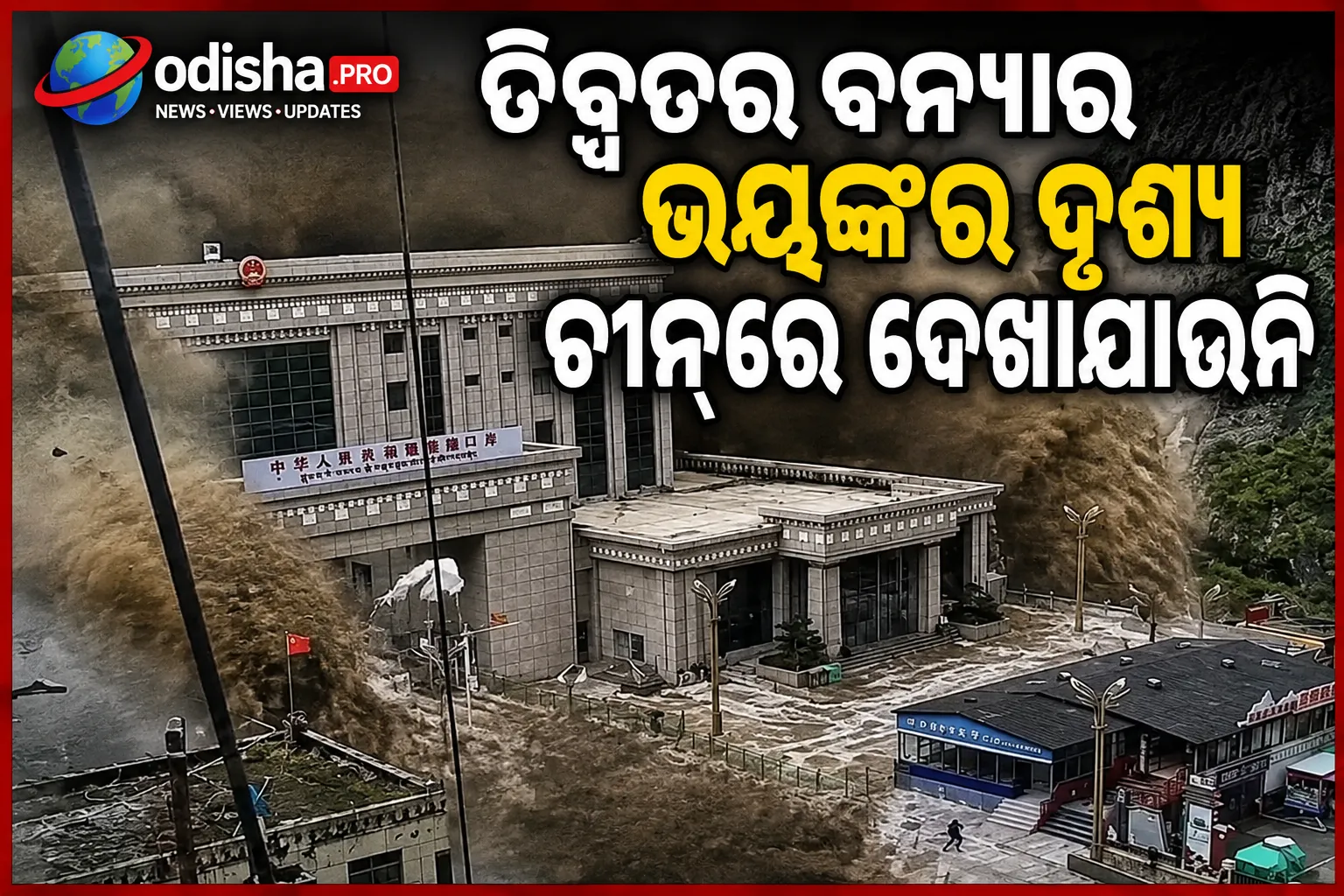
ତିବ୍ବତର ଗ୍ୟିରୋଙ୍ଗ ବନ୍ଦରରେ ହୋଇଥିବା ଭୟଙ୍କର ଆକସ୍ମିକ ବ...
ଓଡ଼ିଶାରେ ବର୍ଷାରୁ ଏବେ ମଧ୍ୟ ନିସ୍ତାର ମିଳୁନାହିଁ। ରାଜ୍ୟ...

ଓଡ଼ିଶା ମାଧ୍ୟମିକ ଶିକ୍ଷା ବୋର୍ଡ (BSE) ପକ୍ଷରୁ ଓଡ଼ିଶା ଶ...
ଇଂଲଣ୍ଡ ବିପକ୍ଷ ଟେଷ୍ଟ ସିରିଜ୍ ମଧ୍ୟରେ ପାକିସ୍ତାନ କ୍ରିକେ...
ଓଡ଼ିଶାରେ ଲଘୁଚାପ ପ୍ରଭାବରେ ବର୍ଷାର ପ୍ରକୋପ ଜାରି ରହିଛି।...
ଜଳନ୍ଧର କମିଶନରେଟ୍ ପୋଲିସ ଆମେରିକାରSupplemental Nutrit...