











A significant archaeological discovery in the Ib River valley in Sundargarh district has indicated that human habitation may have existed in the region between 40,000 and 60,000 years ago.
Researchers said the stone tools unearthed during a two-year field survey are believed to date back to the Middle and Upper Palaeolithic periods, offering fresh insights into early human activity in Odisha.
The discovery was made by a team from the history department of Government Autonomous College, Sundargarh. The survey was led by assistant professor Sakir Hussain along with postgraduate students, who conducted systematic archaeological explorations in the Ib valley region.
With Sundargarh already known for its prehistoric rock paintings, the research team focused on areas such as Balijori and Baladmal under the Sadar block. During the course of their survey, several stone tools were unearthed.
These tools are believed to have been used by early humans for hunting and other daily survival activities. Researchers are now closely examining aspects such as raw material selection, core reduction strategies, retouch patterns, and levels of tool standardisation.
According to Hussain, the findings are being compared with well-dated reference assemblages from other regions to strengthen cultural interpretations at a preliminary level.
Sundargarh has previously gained attention for its geological importance. In 2023, the Geological Survey of India identified a unique geo-heritage site at Chengapahad near Kanika Brahmani village under Hemgir block. The site was listed among 90 rare geo-heritage locations in India and is believed to date back to the Jurassic period.
Researchers believe the latest discovery of stone tools further enhances the prehistoric and geological significance of the district, positioning Sundargarh as an important site for understanding early human settlement patterns in eastern India.
ନୂଆଦିଲ୍ଲୀରେ ଆୟୋଜିତ ଭାରତ-ଜାପାନ ଶିଖର ସମ୍ମିଳନୀରେ ଏକ ଆ...

ଗଞ୍ଜାମ ଜିଲ୍ଲା ଖଲ୍ଲିକୋଟ ବ୍ଲକର ପଣ୍ଡିତଗାଁ ସରକାରୀ ଉଚ୍ଚ...
ପାକିସ୍ତାନର ଖାଇବର ପଖତୁନଖ୍ୱା ପ୍ରଦେଶରେ ଶୁକ୍ରବାର ଘଟିଥି...
ତାମିଲନାଡୁରେ ରାଜନୈତିକ ପରିବେଶ ମଧ୍ୟରେ ଏକ ଚର୍ଚ୍ଚିତ ଘଟଣ...
ମଧ୍ୟପ୍ରାଚ୍ୟରେ ଚାଲିଥିବା କୂଟନୀତିକ ତତ୍ପରତା ମଧ୍ୟରେ ନ୍ୟ...
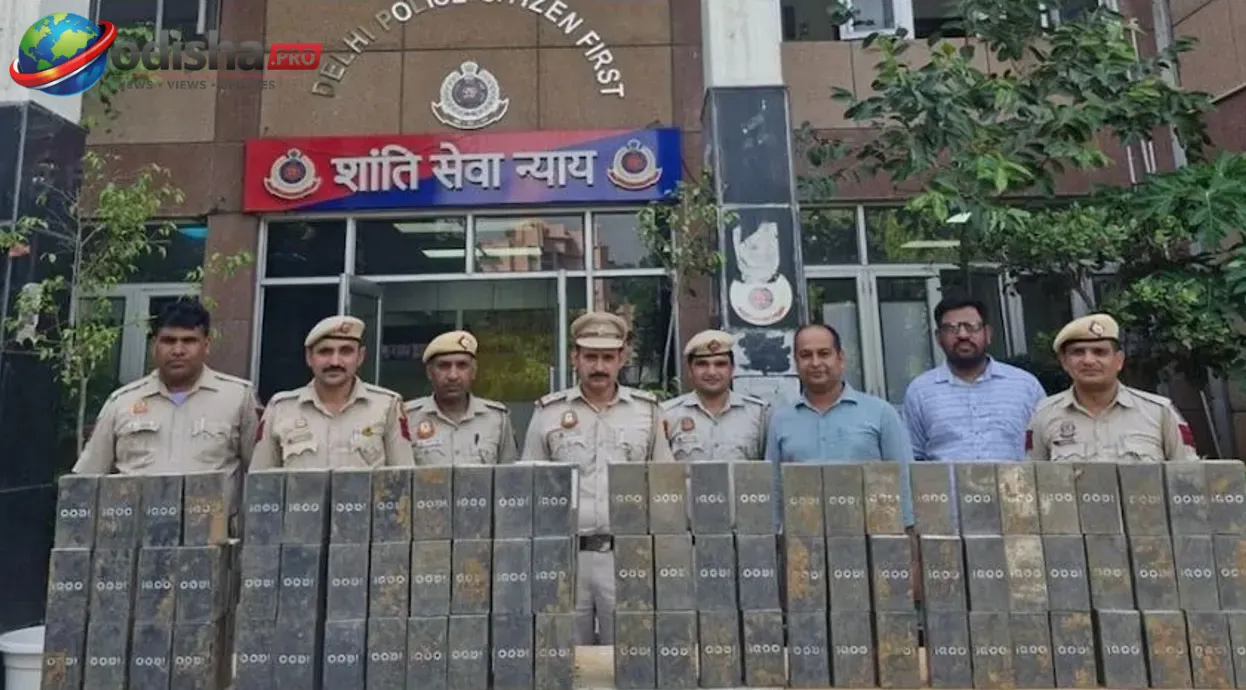
ଇ-କମର୍ସ କମ୍ପାନୀ ଆମାଜନର ଏକ ଡେଲିଭରି ଟ୍ରକରୁ ୬୦୪ଟି ମୋବ...
ବିଶ୍ୱର ପ୍ରସିଦ୍ଧ ଟେକ୍ କମ୍ପାନୀ ଆପଲ ଆସନ୍ତା ବର୍ଷ ନିଜର...
ଟିଏମସିରେ ବିଭାଜନ ପରେ ପ୍ରକୃତ ଦଳ କିଏ ଏବଂ ଦଳର ନାମ ଓ ନି...
ଭାରତ-ନ୍ୟୁଜିଲାଣ୍ଡ ସମ୍ପର୍କକୁ ଆହୁରି ସୁଦୃଢ଼ କରିବା ଦିଗର...

କର୍ଣ୍ଣାଟକର ଧାରୱାଡ଼ ଜିଲ୍ଲାରେ ଘଟିଥିବା ଏକ ହୃଦୟବିଦାରକ...
ଆମେରିକା ଓ ଇସ୍ରାଏଲର ମିଳିତ ବିମାନ ଆକ୍ରମଣରେ ପ୍ରାଣ ହରାଇ...

ମେଘାଳୟର ବହୁଚର୍ଚ୍ଚିତ ହନିମୁନ୍ ହତ୍ୟା ମାମଲାରେ ମୁଖ୍ୟ ଅଭ...