



The United States, under the Trump administration, has taken a step toward imposing sanctions on countries that continue to purchase key Russian exports, including oil, gas, and uranium. The move comes as Senator Lindsey Graham’s recently introduced bill has received backing, effectively “greenlighting” the administration to target nations seen as supporting Russia economically.
The bill grants the U.S. government authority to levy tariffs and secondary sanctions on countries that engage in significant trade with Russia. Among the nations that could be affected are India, China, and Brazil, which maintain substantial energy and commodity ties with Moscow. The legislation aims to pressure global buyers to reduce their reliance on Russian resources amid ongoing geopolitical tensions.
Officials and analysts have warned that the sanctions could have wide-ranging economic implications, not only for the targeted countries but also for global energy markets, trade flows, and diplomatic relations. Proponents of the bill argue that it strengthens U.S. leverage over Russia and discourages countries from supporting Moscow’s economic interests, while critics caution that it may complicate international cooperation and affect countries heavily dependent on Russian imports.
The development marks a significant escalation in the U.S. strategy to curb Russia’s economic influence, highlighting growing tensions in global trade and energy diplomacy.
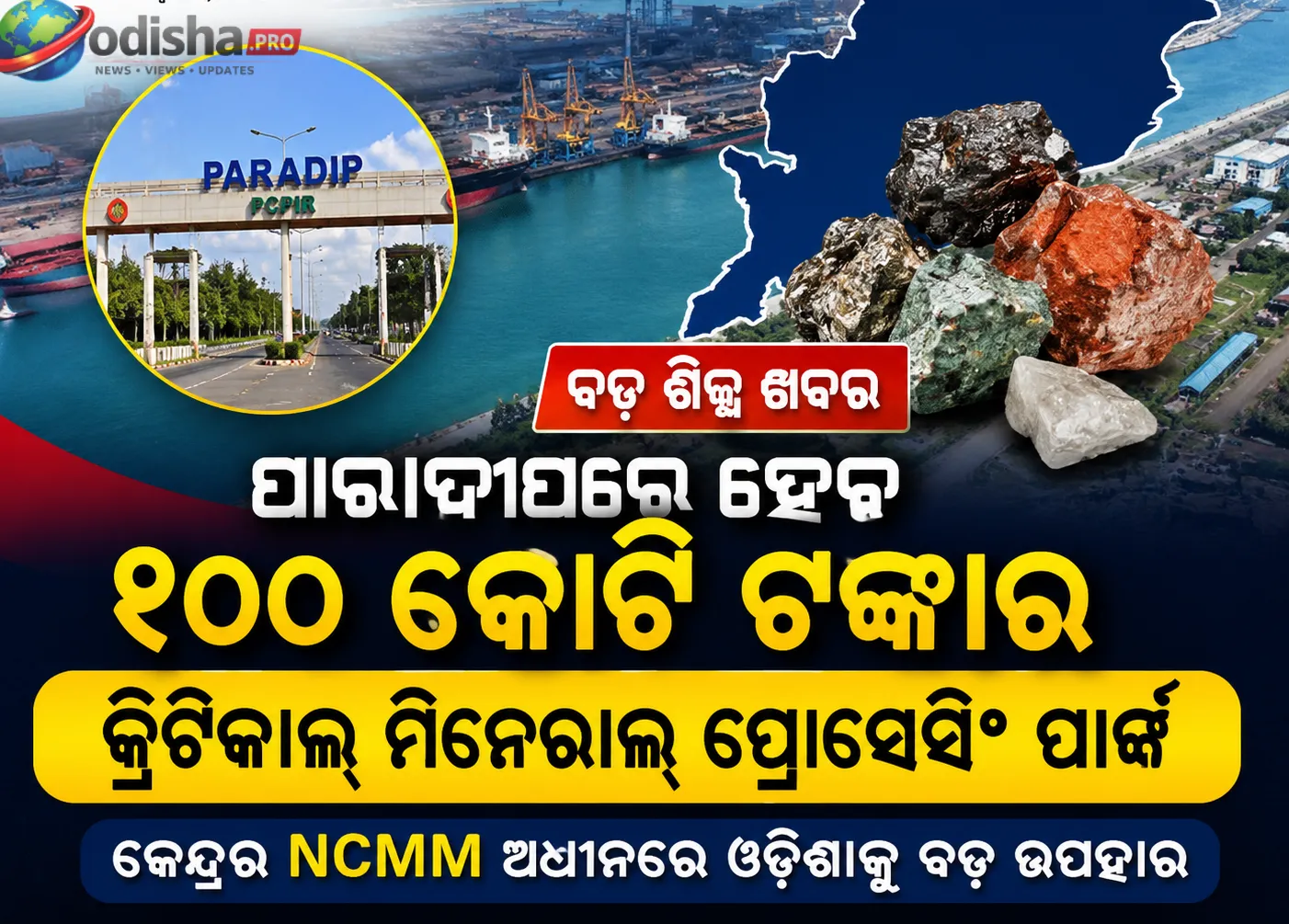
ଓଡ଼ିଶାକୁ ମିଳିଛି ଆଉ ଏକ ବଡ଼ ଶିଳ୍ପ ପ୍ରକଳ୍ପ। କେନ୍ଦ୍ର ସ...
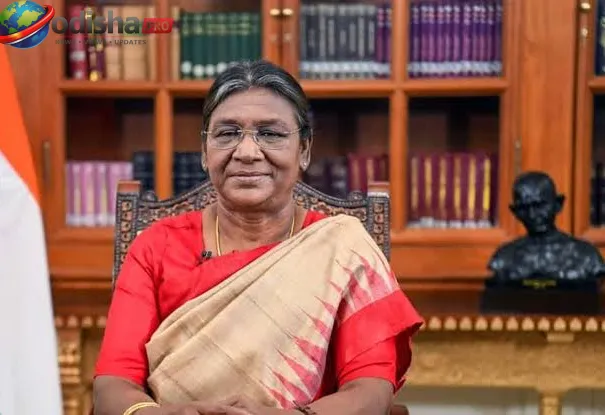
ରାଷ୍ଟ୍ରପତି ଦ୍ରୌପଦୀ ମୁର୍ମୁ ଆସନ୍ତା ଅଗଷ୍ଟ ୩ରୁ ୫ ତାରିଖ...

ବଲିଉଡ୍‌ର ‘ଶେହେନଶାହ’ ଅମିତାଭ ବଚ୍ଚନଙ...

ଲୋକପ୍ରିୟ ଅଭିନେତ୍ରୀ ଜେନିଫର ୱିଙ୍ଗେଟ୍ ନିଜ ଜୀବନର ଏକ ନୂ...
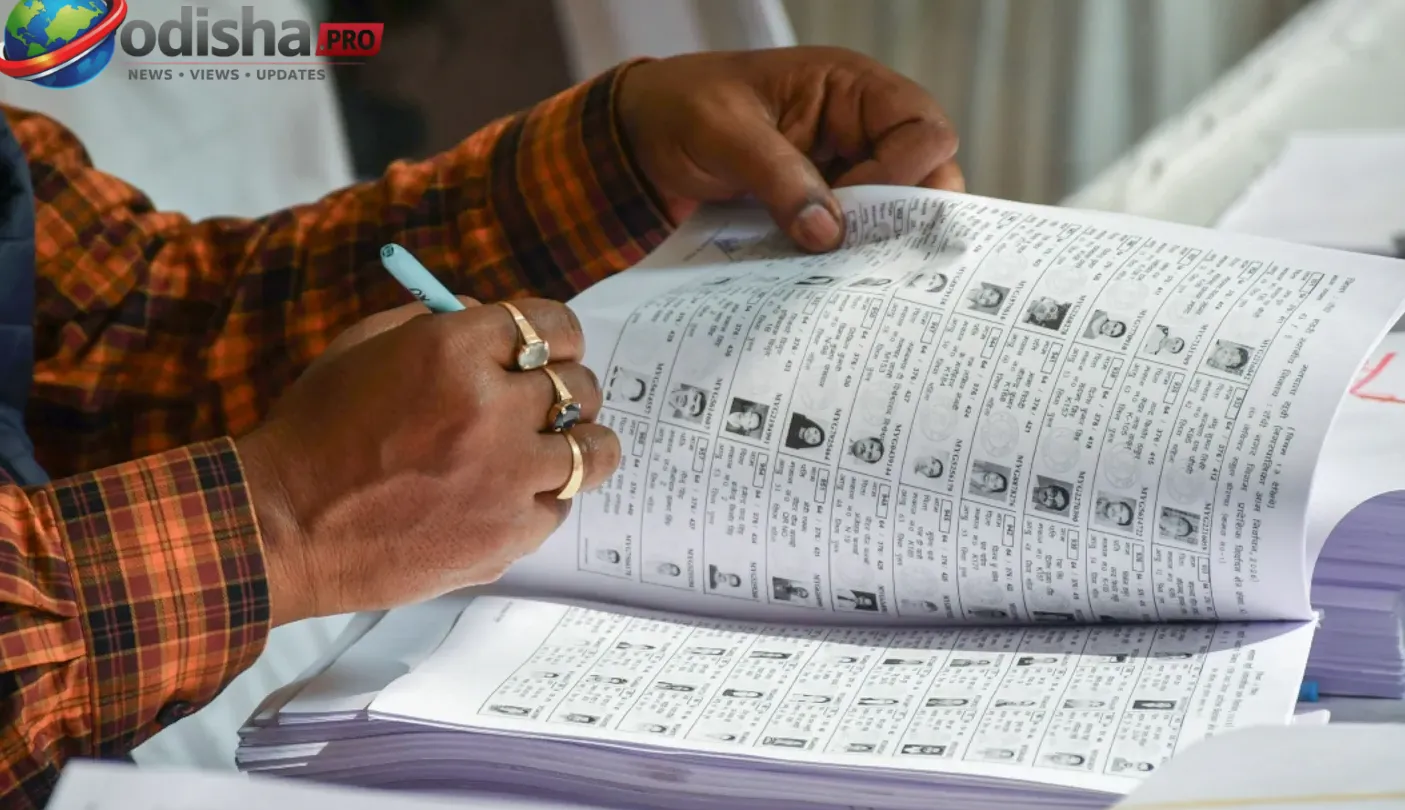
ରାଜ୍ୟର ଭୋଟର ତାଲିକାର ସ୍ୱତନ୍ତ୍ର ସଂଶୋଧନ (SIR) ପ୍ରକ୍ରି...
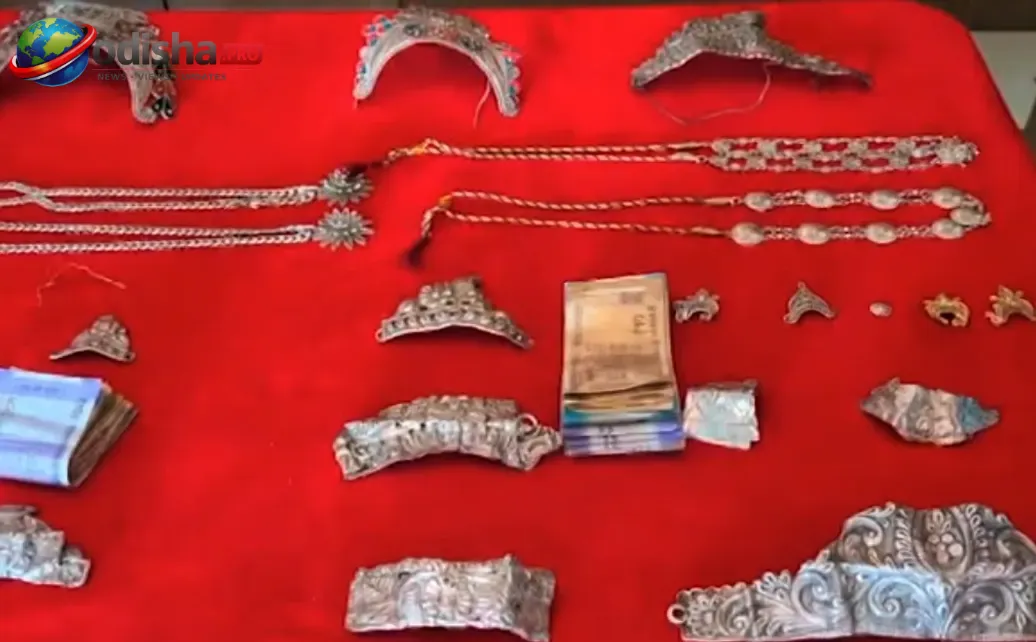
ଓଡ଼ିଶାର ବିଭିନ୍ନ ମନ୍ଦିରରେ ଘଟିଥିବା କ୍ରମାଗତ ଚୋରି ଘଟଣା...

ମାର୍ଭେଲ୍ ପ୍ରେମୀଙ୍କ ପାଇଁ ଆସିଛି ବଡ଼ ଖୁସି ଖବର। ଅଭିନେତ...
ମେଷ ଏହି ସପ୍ତାହ ଆପଣଙ୍କ କର୍ମକ୍ଷେତ୍ର ପାଇଁ ଉତ୍ସାହଜନ...

୨୦୨୬ର ବହୁ ପ୍ରତୀକ୍ଷିତ ବଲିଉଡ୍ ଫିଲ୍ମ ‘ଅୱାରାପନ୍...