






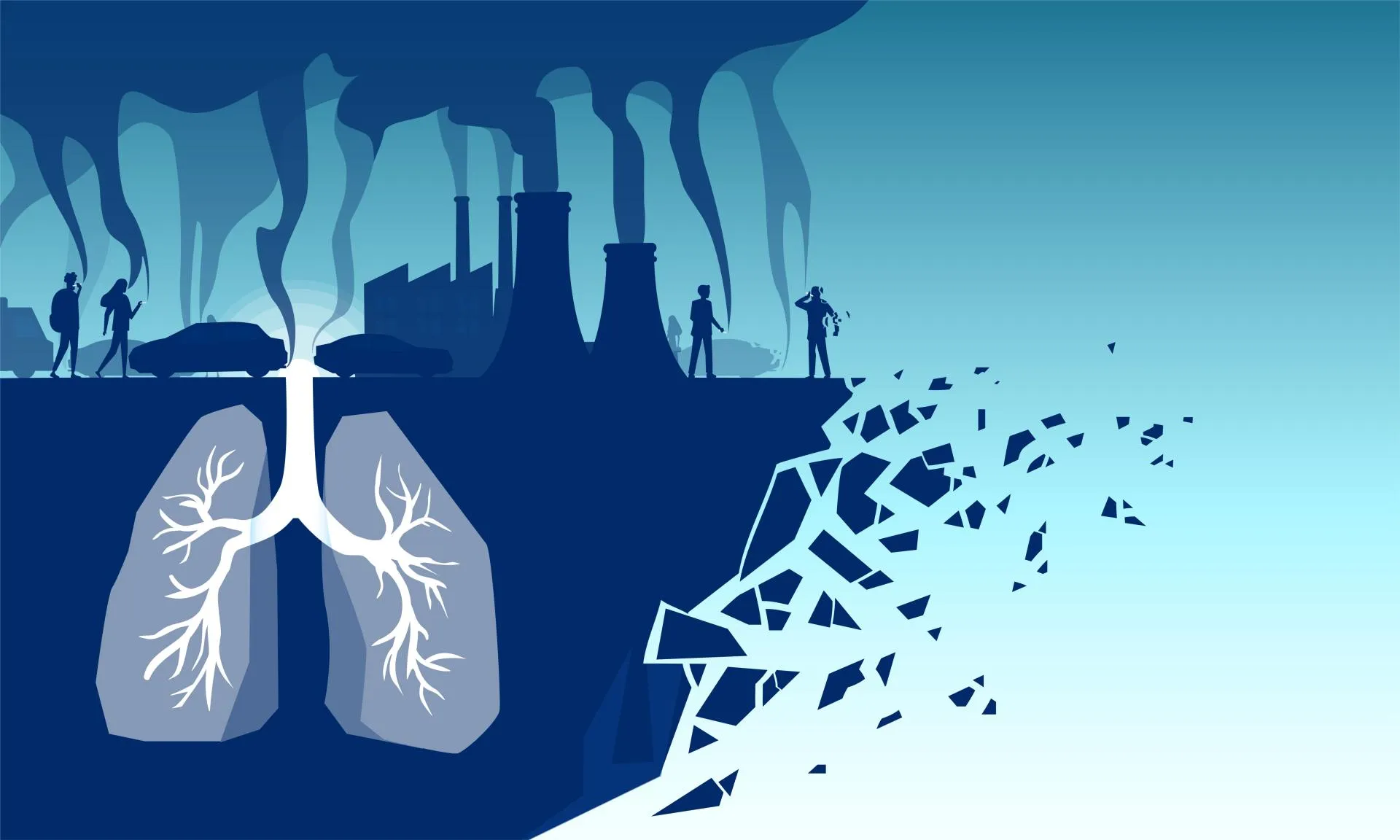
Mucus is not waste. It’s aprotective fluidthat lines your nose, throat, lungs, eyes and digestive tract. Its key roles include:
Keeping tissues moist, so airways and eyes don’t dry out
Trapping dust, pollution, bacteria and virusesbefore they reach sensitive organs
Helping your body clear irritants, with the help of tiny hair-like structures calledciliathat push mucus upward and out
Without mucus, your lungs would dry, pollutants would penetrate deeper, and your throat and eyes would feel constantly irritated.
When your immune system detects a threat—like infection, allergens or polluted air—it signals mucus-producing glands tostep up production. This extra mucus helps trap and flush out harmful particles.
Common triggers include:
Colds, flu and other infections
Allergies (pollen, dust, pet dander)
Air pollution or very dry air
Smoking or second-hand smoke
Asthma and chronic lung conditions
Acid reflux or certain medications
During these times, mucus may feelthicker, stickier, or heavier, and may even change colour.
Temporary mucus buildup is normal. Butpersistent or very thick mucuscan cause discomfort and, in some cases, health risks.
Possible symptoms include:
Constant throat irritation or soreness
Nasal blockage and sinus pressure
Persistent cough
Difficulty breathing comfortably
Headaches or fatigue
Nausea due to swallowed mucus
In people with asthma, COPD or other lung diseases, mucus that doesn’t clear properly canreduce airflow and oxygen levels, making symptoms more serious.
If mucus is bothering you, these simple steps often help:
Stay well hydratedto thin mucus
Steam inhalationto loosen congestion
Saline nasal sprays or rinses
Warm fluidslike soups or herbal teas
Use a humidifierin dry environments
Avoid smoke and polluted air
Useantihistamines or decongestants only if advised by a doctor
The goal is to make mucusthinner and easier to clear, not to eliminate it completely.
Most mucus changes resolve on their own. Get medical advice if:
Mucus turnsdark green, brown or bloody
Symptoms lastlonger than two weeks
You developfever, chest pain or breathlessness
Breathing becomes difficult or symptoms worsen despite home care
Mucus is one of your body’s quiet protectors, working around the clock to keep your airways and organs safe. It only becomes a concern when itsquantity, thickness or durationsignal an underlying issue. Listening to those signals—and acting early—can help you breathe easier and stay healthier.
ଦିଲ୍ଲୀର ସତ୍ୟ ନିକେତନରେ ‘Hostel Daze’ ନା...
ମହାରାଷ୍ଟ୍ରର ପୁଣେ ଓ ପିମ୍ପ୍ରି-ଚିଞ୍ଚୱାଡ ଅଞ୍ଚଳରେ ରବିବା...

ହର୍ମୁଜ୍ ପ୍ରଣାଳୀକୁ ନେଇ ଆମେରିକା ଓ ଇରାନ ମଧ୍ୟରେ ତିକ୍ତତ...

ନେପାଳରେ ଅଗଷ୍ଟ ୨୬ରେ ଘଟିଥିବା ଭୟଙ୍କର Bhotekoshi ବନ୍ୟା...
ଦକ୍ଷିଣ ଦିଲ୍ଲୀର ସତ୍ୟ ନିକେତନରେ ଭୁଶୁଡ଼ି ପଡ଼ିଥିବା ଏକ P...

ନେପାଳର ଉତ୍ତର ଅଞ୍ଚଳରେ ଘଟିଥିବା ଭୟଙ୍କର ବନ୍ୟା ଓ ଭୂସ୍ଖଳ...

ଆମେରିକାନ୍ ଏୟାରଲାଇନ୍ସର ଏକ ଉଡ଼ାଣ ବେଳେ ଜଣେ ଯାତ୍ରୀଙ୍କ...
ଉତ୍ତରପ୍ରଦେଶରେ ଶ୍ରମିକ ଓ ଅନ୍ୟାନ୍ୟ ଦୁର୍ବଳ ପରିବାରର ପିଲ...

ଆମେରିକା ରାଷ୍ଟ୍ରପତିଡୋନାଲ୍ଡ ଟ୍ରମ୍ପଆମେରିକାର ରାଜ୍ୟନ୍ୟୁ...