



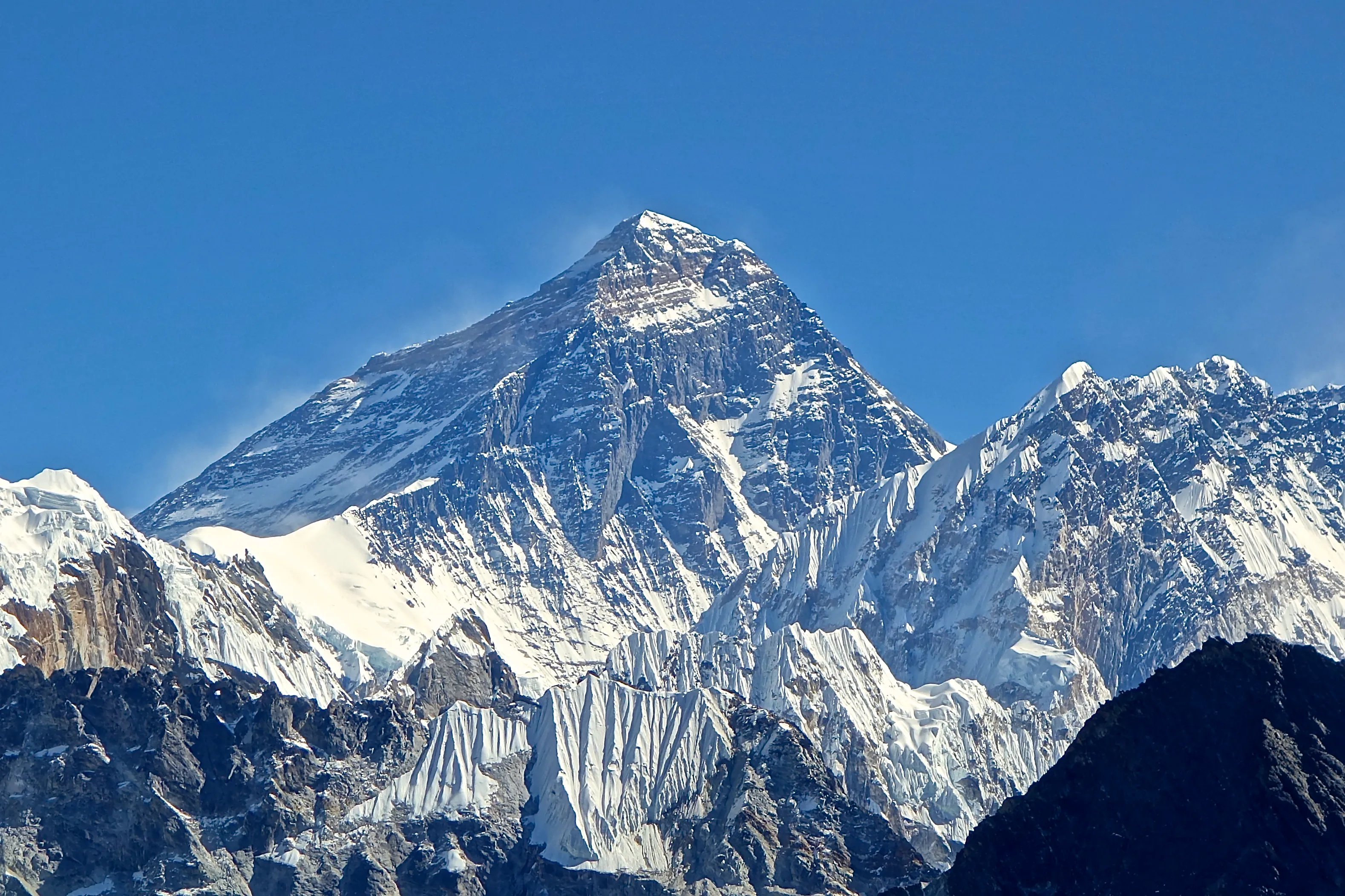
The highest mountain in the world — towering at 8,848 m on the border of Nepal and Tibet — is known globally asMount Everest, but that’s just one of its names. Historically, local indigenous communities, colonial surveyors, and modern nation‑states each contributed a name that stuck.
TheEnglish name “Mount Everest”was assigned in1865 by the British Royal Geographical Society, based on the recommendation of Sir Andrew Waugh, surveyor‑general of British India, in honour of his predecessor Sir George Everest. Ironically, Everest himself objected to the name, believing that the peak should carry a local designation rather than a colonial one.
InNepal, the peak is known asSagarmatha (सगरमाथा)— derived from Sanskrit/Nepali words meaning“Head of the Sky/Heaven”— a name officially adopted by the Nepali government in the 20th century to assert cultural identity and local significance.
Meanwhile, to theTibetans and ethnic Sherpa communities, the mountain has long been calledChomolungma (Qōmōlāngma), meaning“Holy Mother”or“Goddess Mother of the World”. This name appeared on early Chinese and European maps as far back as the 18th century and remains in common use in China and Tibet.
Today these three names coexist, each carrying cultural weight. WhileEverestremains the dominant global label,SagarmathaandChomolungmareflect local reverence and identity, reminding us that geography and history are deeply intertwined with language and culture.

ମେଣ୍ଟ ଉପରେ ଅନ୍ତିମ ନିଷ୍ପତ୍ତି ହାଇକମାଣ୍ଡର SAD ସହ ପ...

ଚେନ୍ନାଇରେ ଶୁକ୍ରବାର ଭୋଟର ତାଲିକାର **Special Summary...

ୟୁରୋପରେ ୨୦୨୬ର ଗ୍ରୀଷ୍ମ ଅସହ୍ୟ ଗରମର ଏକ ଭୟାବହ ଚିତ୍ର ସା...
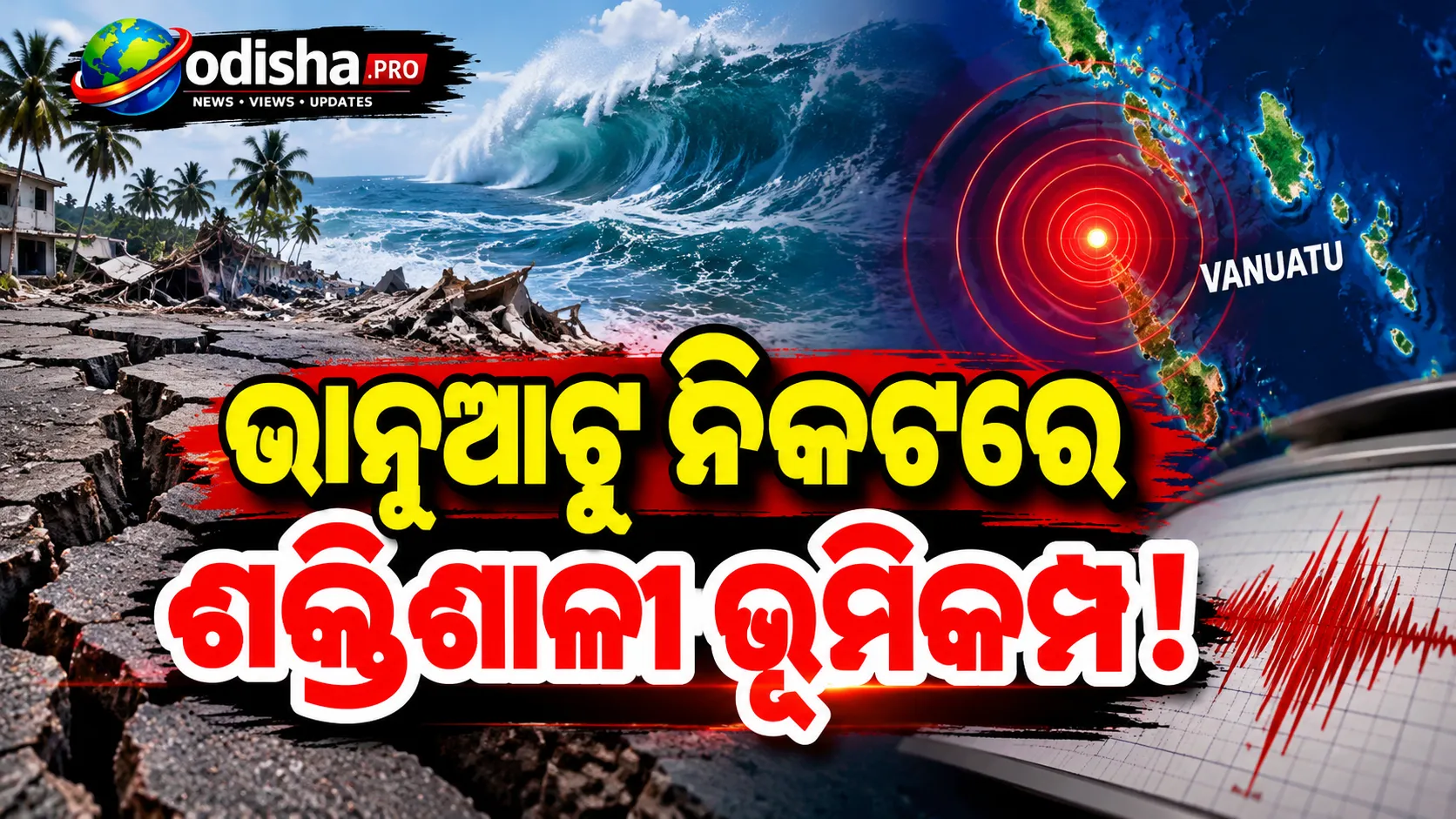
ଦକ୍ଷିଣ ପ୍ରଶାନ୍ତ ମହାସାଗରରେ ଭାନୁଆଟୁ ଦ୍ୱୀପପୁଞ୍ଜ ନିକଟର...

ଆମେରିକା ରାଷ୍ଟ୍ରପତି ଡୋନାଲ୍ଡ ଟ୍ରମ୍ପ ପୁଣିଥରେ ଭାରତ-ପାକ...

ଇରାନକୁ ନେଇ ଆମେରିକାର ଆଭିମୁଖ୍ୟ ପୁଣିଥରେ କଡ଼ା ହୋଇଛି। ଆ...
ହଟିଲା Dhumavathiଙ୍କ ଚର୍ଚ୍ଚିତ ଡ୍ୟାନ୍ସ ସିନ୍ Netfl...
ଅକ୍ଟୋବର ୧୮ ତାରିଖରେ ମୁମ୍ବାଇର ଜୁହୁ ଅଞ୍ଚଳରେ ଟାଇଗର ଶ୍ର...