






The recent NEET PG controversy has sparked fierce debate across India’s medical education community. An article published on February 24, 2026, argues that the emergence of zero‑percentile qualifiers — medical graduates who score no positive marks yet remain eligible for postgraduate counselling — highlights a deep competency crisis, not mere statistical quirk.
The government’s defence of the policy rests on the premise that every NEET PG aspirant is already a licensed MBBS graduate and that the NEET PG exam is intended primarily to rank candidates rather than certify core competence. Officials also point to vacant PG seats — tens of thousands after counselling rounds — as justification for lowering the qualifying percentile so that medical colleges can be filled and public investment in training is not wasted.
Critics, however, contend that allowing candidates with very low scores — potentially even zero or negative marks due to negative marking — into specialist training undermines the purpose of a robust entrance exam and could weaken the overall quality of healthcare delivery. They say that reducing merit thresholds risks a dilution of clinical standards and that eligibility should not equate to competence.
This debate reflects broader tensions between addressing acute shortages of specialist doctors and preserving rigorous academic and professional standards in postgraduate medical education. Stakeholders from within and outside the medical fraternity are watching closely as this issue unfolds publicly and legally, with potential implications for future policy and patient safety.

ଭାରତୀୟ ସ୍କ୍ୱାଶର ଯୁବ ତାରକାଅନାହତ ସିଂହଙ୍କ Silicon Val...

ନ୍ୟୁଜିଲାଣ୍ଡ ବିପକ୍ଷ ଦ୍ୱିତୀୟ T20I ପୂର୍ବରୁ ଭାରତୀୟ ଦଳର...
ଇରାନକୁ ନେଇ ଆମେରିକାର ଆଭିମୁଖ୍ୟ ପୁଣିଥରେ କଡ଼ା ହୋଇଛି। ଆ...
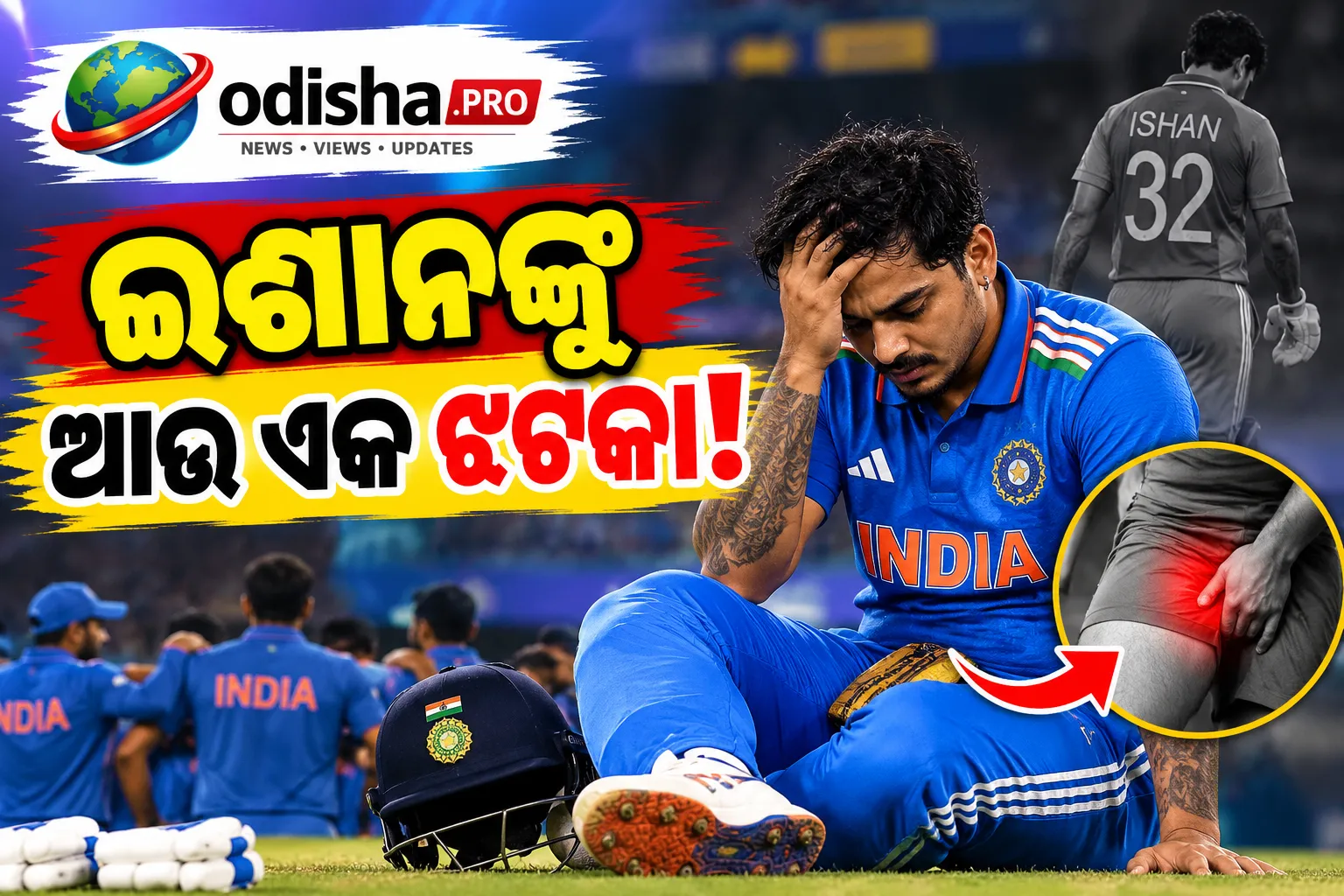
ନ୍ୟୁଜିଲାଣ୍ଡ ବିପକ୍ଷ ଚାଲିଥିବା T20I ସିରିଜ୍‌ ମଧ୍ୟ...

ଦିଲ୍ଲୀର ଶାହଦରା ଅନ୍ତର୍ଗତ କୃଷ୍ଣା ନଗର ଅଞ୍ଚଳର ଏକ ସରକାର...

ଦିଲ୍ଲୀରେ ବାସସ୍ଥାନ ପ୍ରମାଣକୁ ନେଇ କକରୋଚ୍ ଜନତା ପାର୍ଟି...

ଦିଲ୍ଲୀର ଭୋଟର ତାଲିକାର Special Intensive Revision (S...
ଦକ୍ଷିଣ ପ୍ରଶାନ୍ତ ମହାସାଗରରେ ଭାନୁଆଟୁ ଦ୍ୱୀପପୁଞ୍ଜ ନିକଟର...
