

In a significant curriculum update, NCERT’s Class 8 Social Science textbook now goes beyond explaining the structure and role of the Indian judiciary to address systemic issues like corruption within the judiciary and the massive backlog of court cases. Previously, the textbook focused primarily on court hierarchy and access to justice, but the revised chapter titled “The Role of the Judiciary in Our Society” introduces students to real challenges confronting the justice system today.
The new section outlines how judges are expected to follow a code of conduct governing their behaviour both inside and outside the courtroom, and describes internal accountability mechanisms, including complaint processes such as the Centralised Public Grievance Redress and Monitoring System (CPGRAMS). The textbook also explains constitutional provisions — like the impeachment process — for removing judges in serious misconduct cases after due inquiry.
Students will learn about the scale of pendency in the Indian judiciary: approximately 81,000 cases in the Supreme Court, over 62.40 lakh in High Courts, and around 4.70 crore in district and subordinate courts, highlighting the systemic strain on the judicial system. The chapter acknowledges public concerns that corruption and delays can undermine access to justice, especially for the poor and disadvantaged, and discusses efforts using technology and transparency measures to restore public confidence.
The update has drawn varied reactions — with some educators and legal experts welcoming a more nuanced and realistic portrayal of legal challenges, while others have criticised the focus on judicial corruption without similar depth on other public institutions. Nonetheless, the revised textbook marks an educational shift toward introducing students to contemporary civic issues, promoting critical thinking about governance and accountability in democratic systems.
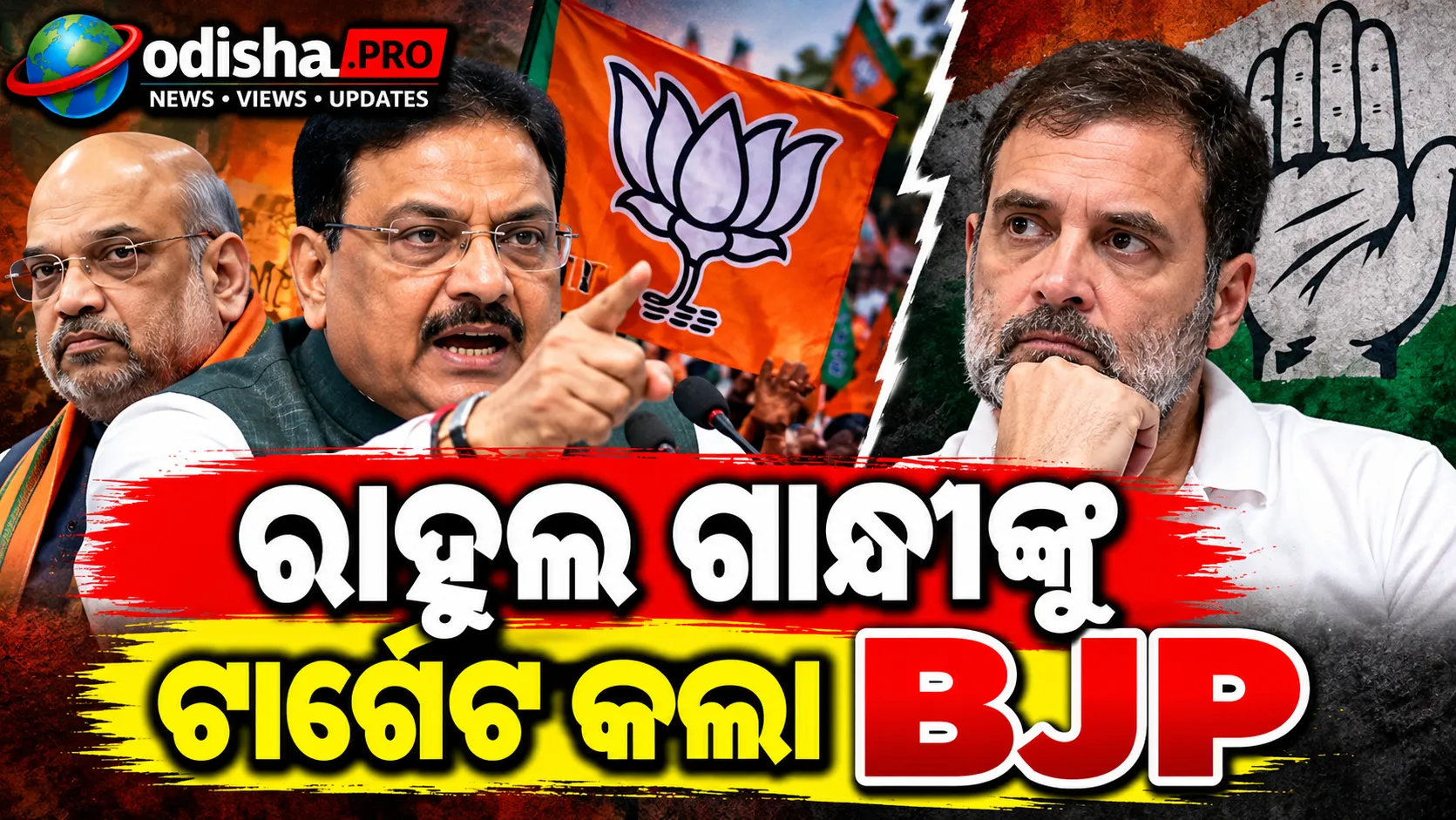
ନଭେମ୍ବର ୧ରେ ଦିଲ୍ଲୀର ରାମଲୀଳା ମୈଦାନରେ ପ୍ରସ୍ତାବିତ କଂଗ...
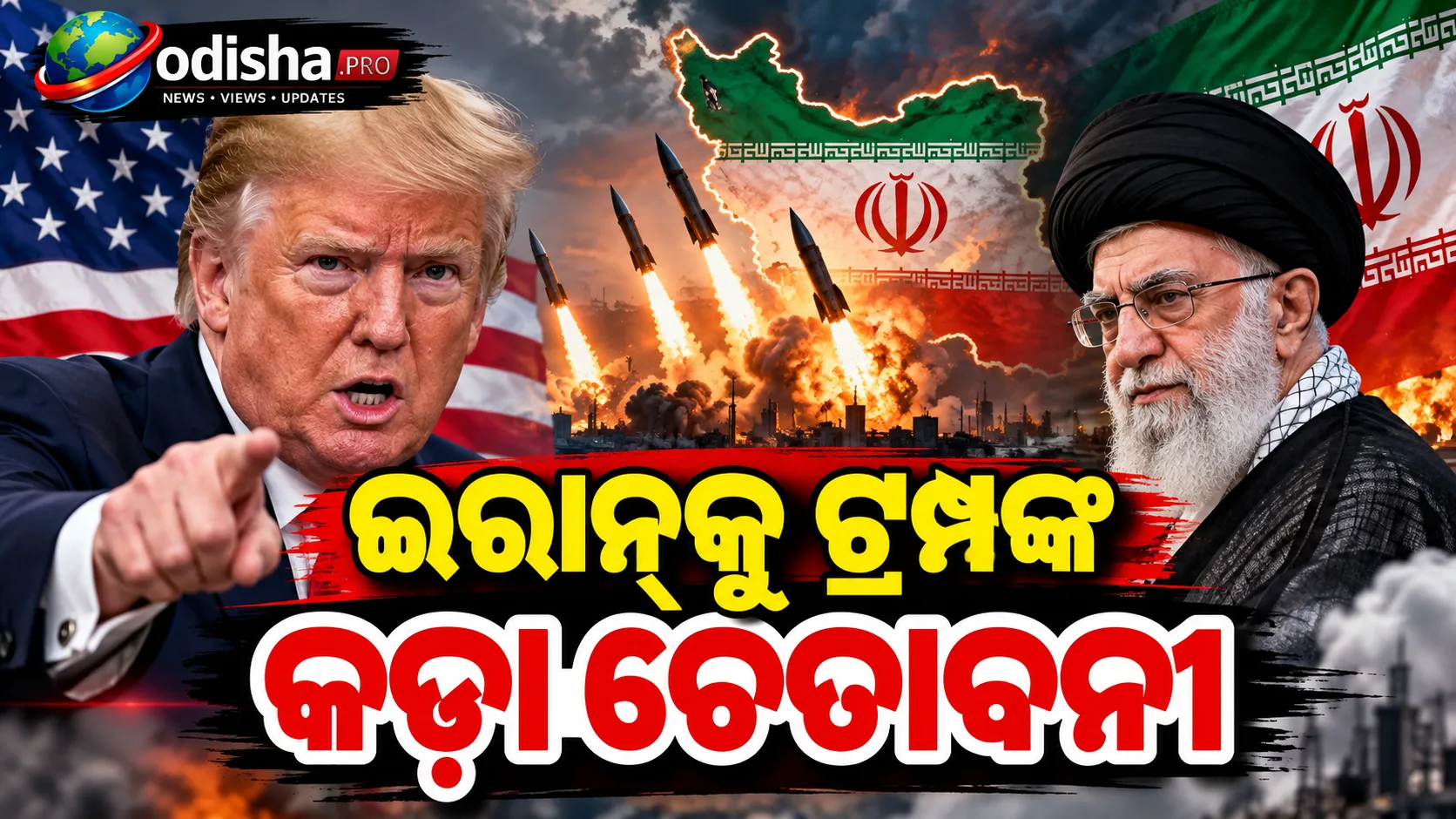
ଇରାନକୁ ନେଇ ଆମେରିକାର ଆଭିମୁଖ୍ୟ ପୁଣିଥରେ କଡ଼ା ହୋଇଛି। ଆ...
ଆମେରିକା ରାଷ୍ଟ୍ରପତି ଡୋନାଲ୍ଡ ଟ୍ରମ୍ପ ପୁଣିଥରେ ଭାରତ-ପାକ...
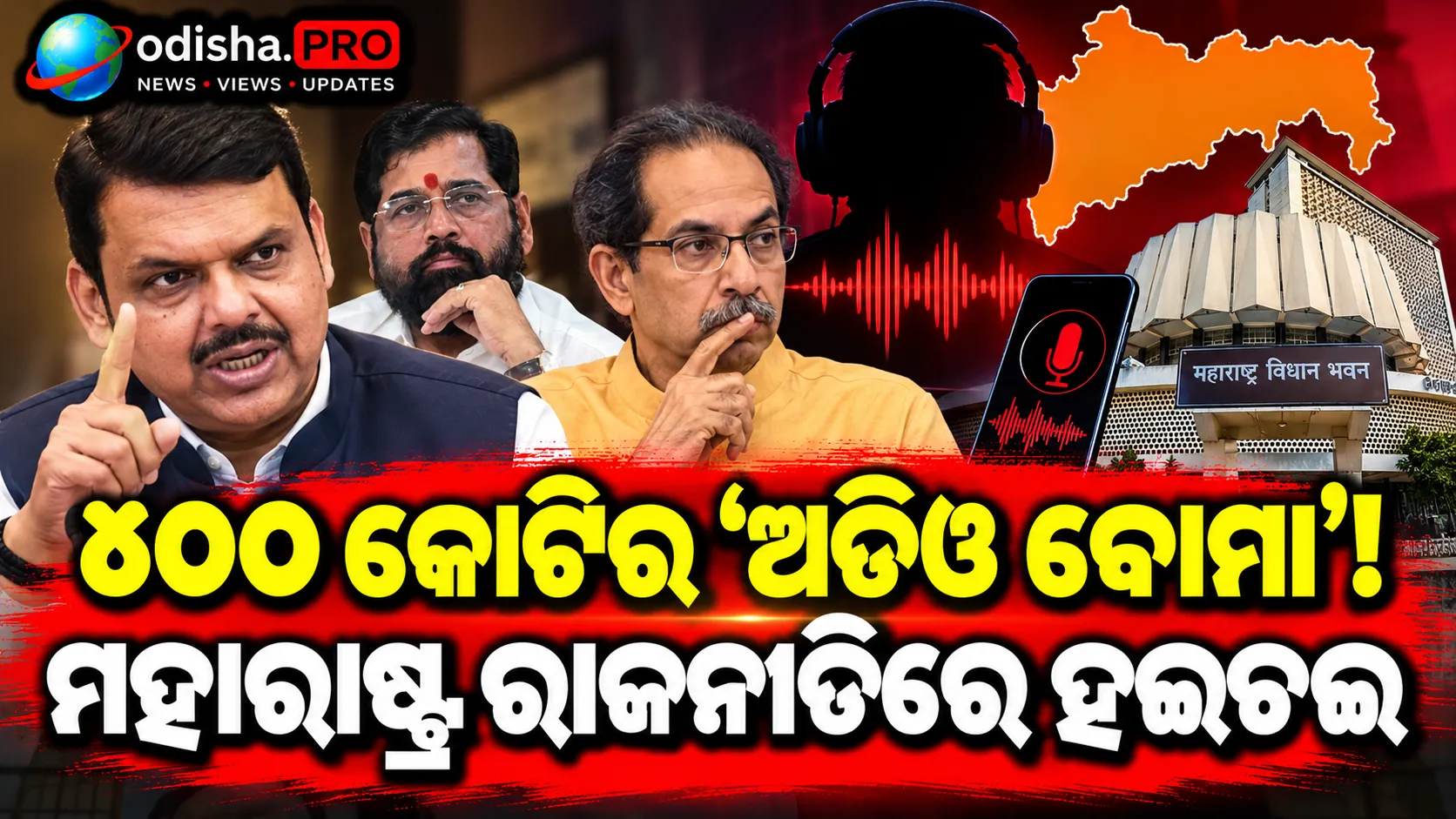
ଭାଇରାଲ ଅଡିଓରେ କ’ଣ ଦାବି? ମନୋଜ ଜରାଙ୍ଗେ ପାଟି...
ୟୁରୋପରେ ୨୦୨୬ର ଗ୍ରୀଷ୍ମ ଅସହ୍ୟ ଗରମର ଏକ ଭୟାବହ ଚିତ୍ର ସା...
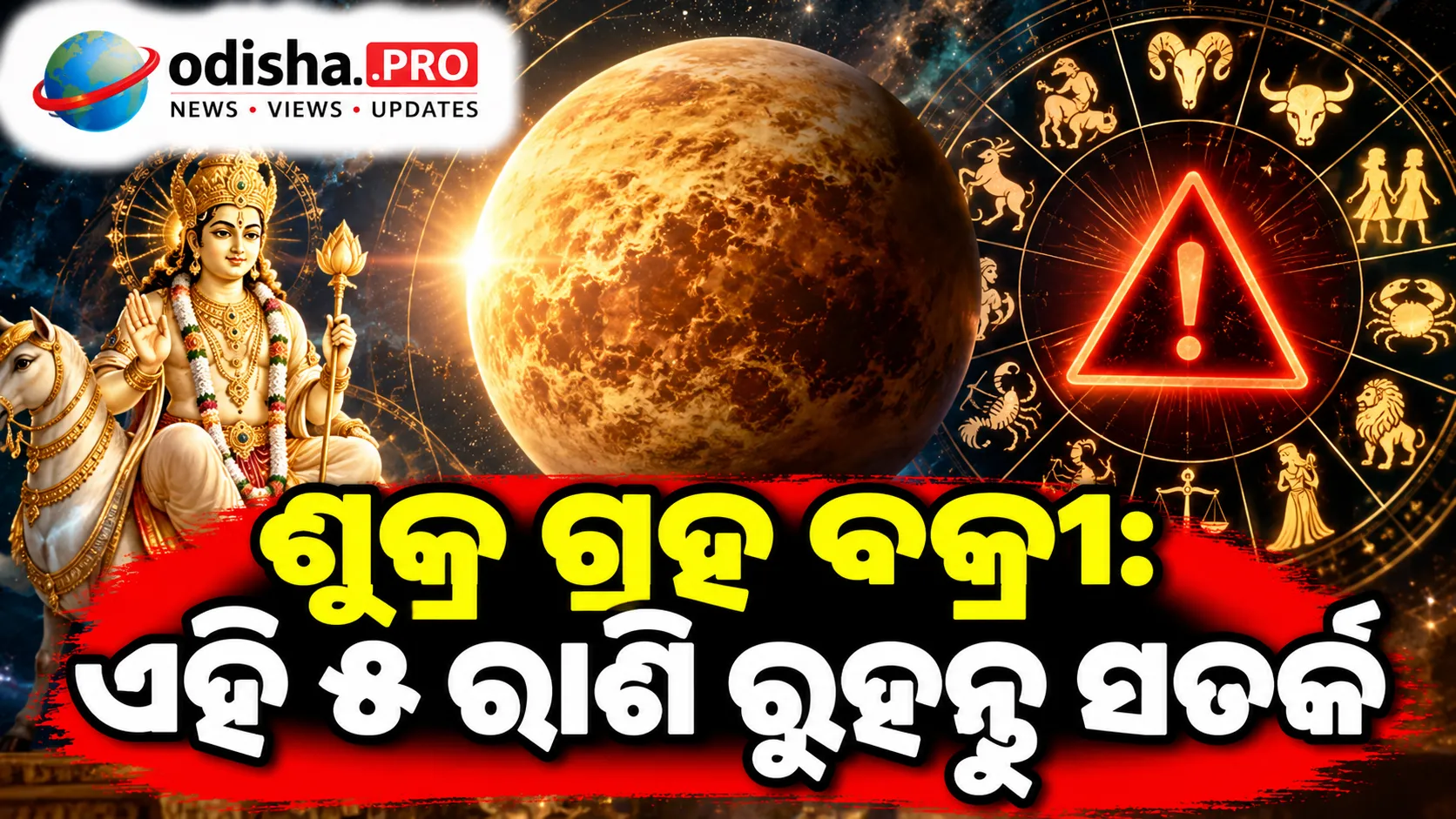
ଶୁକ୍ର ବକ୍ରୀକୁ ନେଇ କ’ଣ କୁହୁଛି ଜ୍ୟୋତିଷ? ଜ୍ୟ...
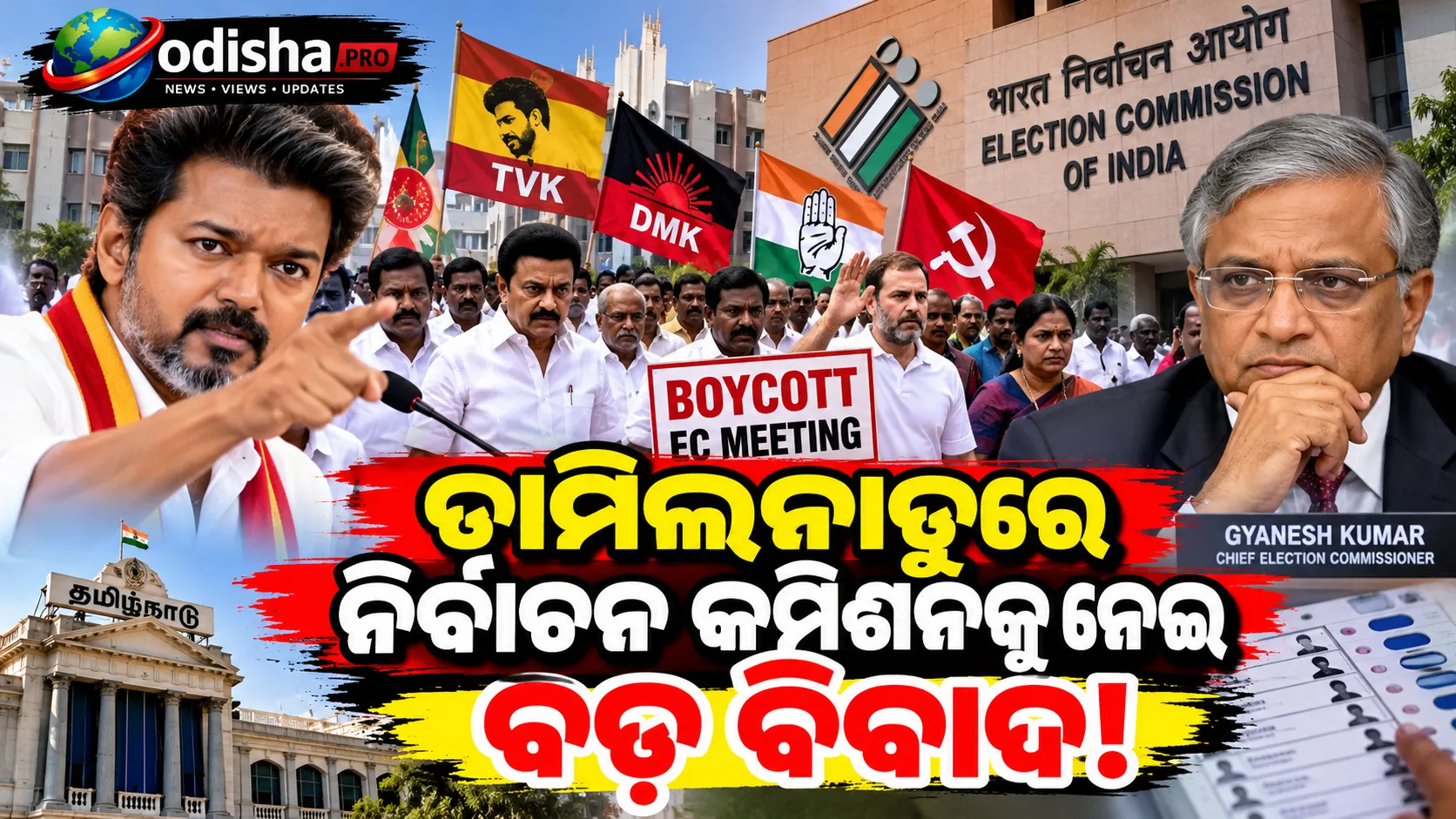
ଚେନ୍ନାଇରେ ଶୁକ୍ରବାର ଭୋଟର ତାଲିକାର **Special Summary...
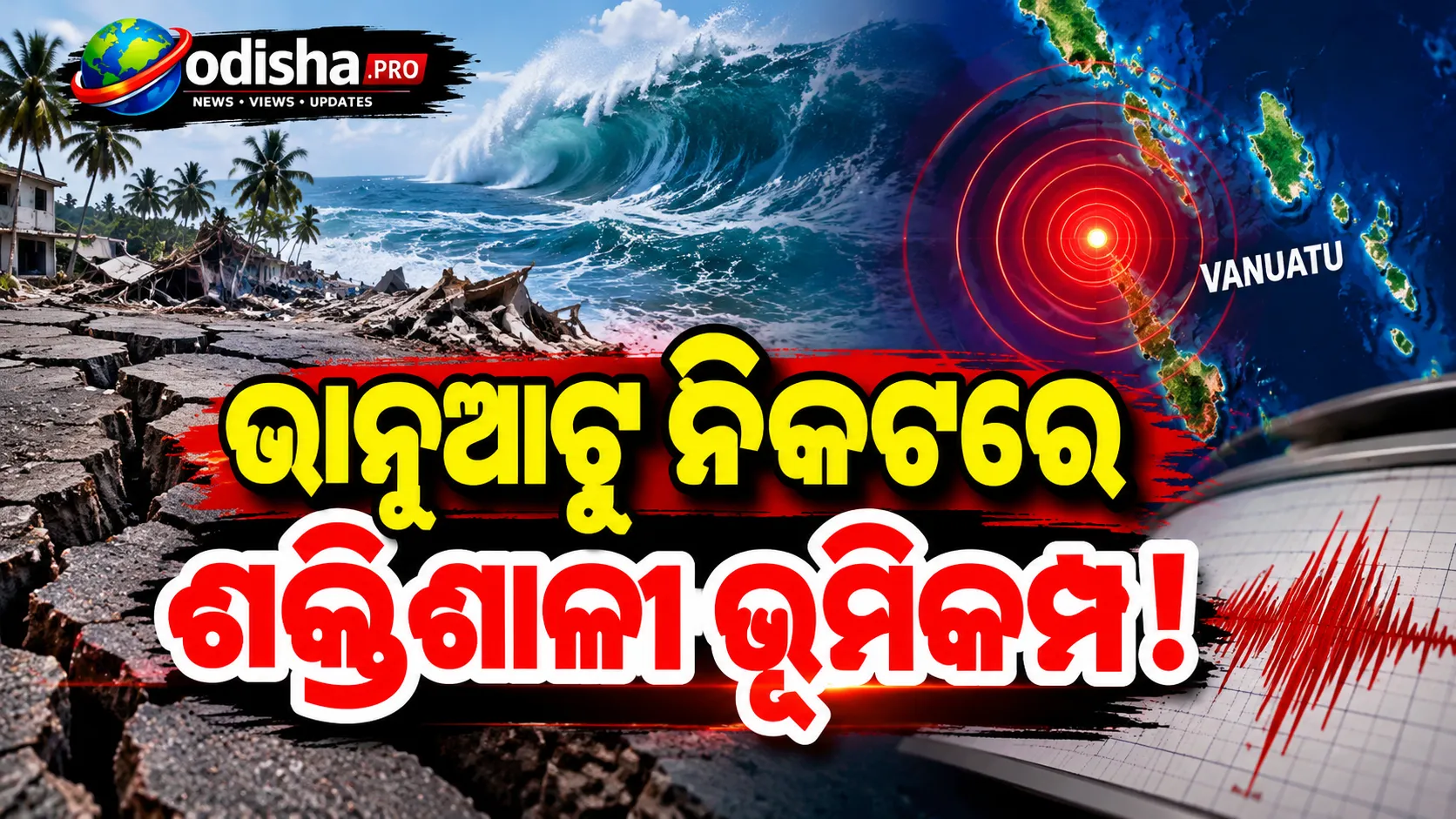
ଦକ୍ଷିଣ ପ୍ରଶାନ୍ତ ମହାସାଗରରେ ଭାନୁଆଟୁ ଦ୍ୱୀପପୁଞ୍ଜ ନିକଟର...