


Out of 33,212 EWS applications, 29,706 students were admitted, while 3,506 children could not be placed in schools.
This marks an increase from 2024–25, when 2,603 students out of 28,799 applicants failed to secure admission.
The DoE attributed the shortfall to multiple practical and procedural factors, including:
Long distance between home and allotted school
Children already enrolled in another school
Incomplete or invalid documents
Parents failing to appear for verification
Missing deadlines during the admission process
Officials said many families voluntarily declined seats due to commuting difficulties.
Complaints related to EWS admissions have declined significantly:
331 complaints in 2025–26
553 complaints in 2024–25
According to the Delhi government:
267 complaints have been resolved
Only one complaint remains pending
63 cases are currently before the Delhi High Court
The reduction was credited to improved digital tracking and a streamlined grievance redressal mechanism.
In the past two years:
37 EWS students were shifted from private to government schools after failing examinations
9 students in 2023–24
28 students in 2024–25
All cases were reported from north-west and north Delhi zones.
The DoE acknowledged that until recently, it did not maintain school-wise expenditure data on:
Tuition support
Uniforms
Stationery for EWS students
To address this, the department has begun:
Regular audits of private schools
District-wise data collection on EWS spending
Monitoring compliance with facilities mandated under the EWS scheme
While Delhi continues to admit a majority of EWS applicants, officials admit that distance-related access, documentation hurdles, and awareness gaps remain major challenges. Authorities say ongoing reforms aim to ensure better transparency, accountability, and inclusion for eligible students in future admission cycles.

ନୂଆଦିଲ୍ଲୀ: ଭାରତ ବିପକ୍ଷ T20I ସିରିଜ୍ ପୂର୍ବରୁ ଭାରତୀୟ...
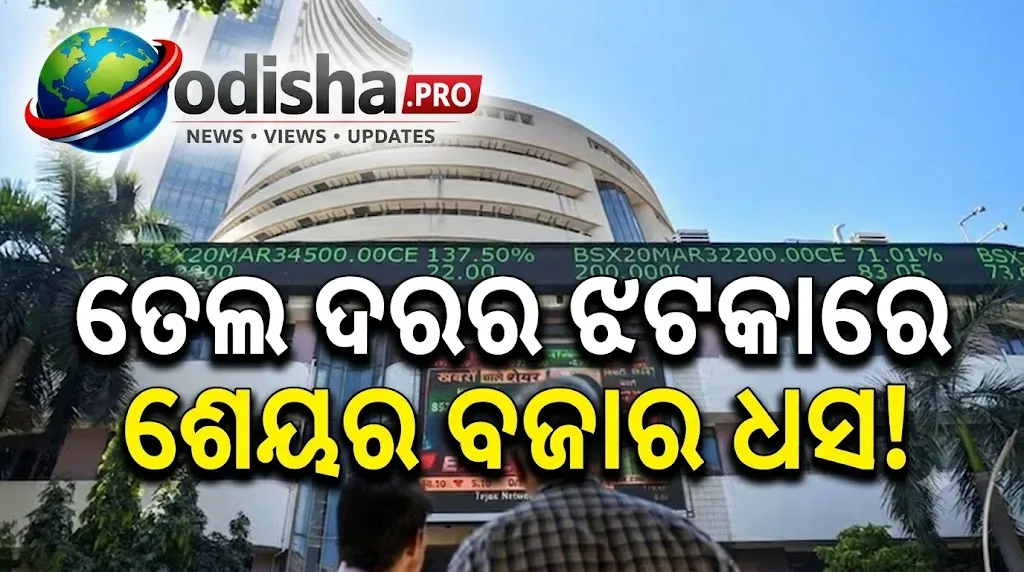
ଭାରତୀୟ ଶେୟର ବଜାର ଗୁରୁବାର ଲଗାତାର ତୃତୀୟ ସେସନ୍ରେ ହ୍ରା...

୨୦୨୭ ଦିନିକିଆ ବିଶ୍ୱକପ୍ରେରୋହିତ ଶର୍ମା ଓ ବିରାଟ କୋହଲି ଖ...

କ୍ୟାନସର ଔଷଧର ଅଧିକ ଟ୍ରେଡ୍ ମାର୍ଜିନ୍କୁ ନିୟନ୍ତ୍ରଣ କରିବ...

ନୂଆଦିଲ୍ଲୀ: ଭାରତୀୟ କ୍ରିକେଟର ଉଦୀୟମାନ ତାରକା ବୈଭବ ସୂର୍...
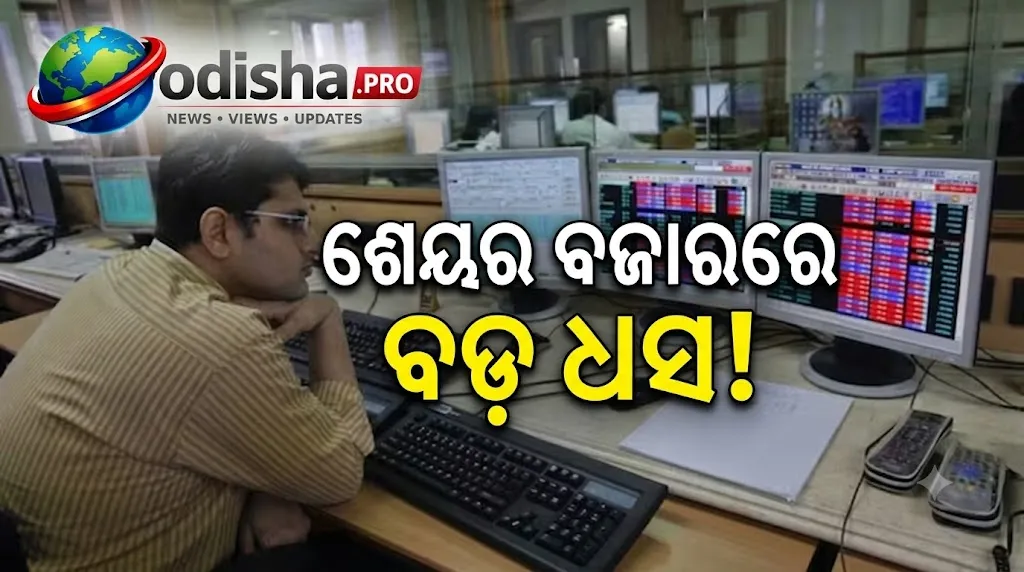
ଭାରତୀୟ ଶେୟର ବଜାରରେ ଗୁରୁବାର, ଅକ୍ଟୋବର ୨୨ରେ, ବଡ଼ ଧରଣର...

Jio Platformsର ବହୁଚର୍ଚ୍ଚିତ IPO ଅକ୍ଟୋବର ୨୨ରେ ଦ୍ୱିତୀ...

ଭାରତୀୟ ପାରା ଆଥଲେଟିକ୍ସ ପାଇଁ ଆଉ ଏକ ଗୌରବର ମୁହୂର୍ତ୍ତ।...