


Health Ministry sources confirmed that the vacancies span multiple states and institutions, despite the availability of eligible MBBS graduates seeking admission.
Officials clarified that the vacancies were not due to a lack of qualified candidates, but because the existing qualifying percentile restricted the pool of eligible applicants, even when seats were available.
“The non-filling of seats is not on account of lack of eligibility or competence, but due to the qualifying percentile criteria,” a health ministry source said.
Leaving such a large number of postgraduate seats unfilled, officials said, undermines efforts to increase the number of trained medical specialists and weakens healthcare capacity.
To address the issue, authorities decided to lower the NEET-PG qualifying percentile, allowing more MBBS graduates to participate in the counselling process.
Officials stressed that this move does not dilute academic standards and that merit and transparency will be strictly maintained.
Key safeguards include:
Admissions only through centralised counselling
Seat allotment strictly based on NEET-PG rank and preferences
No direct or institutional-level admissions
Inter-se merit to determine final allotments
Every NEET-PG candidate is already a qualified doctor who has completed MBBS and internship. Authorities argue that expanding the eligible pool ensures:
Optimal utilisation of national medical education resources
Increased availability of specialist doctors
Fair opportunity for deserving candidates
The approach has been adopted in previous years under similar circumstances and has helped reduce seat wastage without compromising quality.
With India facing an ongoing shortage of medical specialists, officials say filling these vacant seats is critical to strengthening the healthcare system in the long run.

ଭାରତକୁ ଭଲପାଇବା ନେଇ ଅହମଦ ତାହାଙ୍କ ପୋଷ୍ଟ ଭାରତର ପ୍ର...

ଭୁବନେଶ୍ୱର, ୧୭/୧୦: ଦଶହରାରେ ଓଡ଼ିଶାରେ ପାଗ ଭଲ ରହିବା ସମ...

ଶୁକ୍ର ବକ୍ରୀକୁ ନେଇ କ’ଣ କୁହୁଛି ଜ୍ୟୋତିଷ? ଜ୍ୟ...
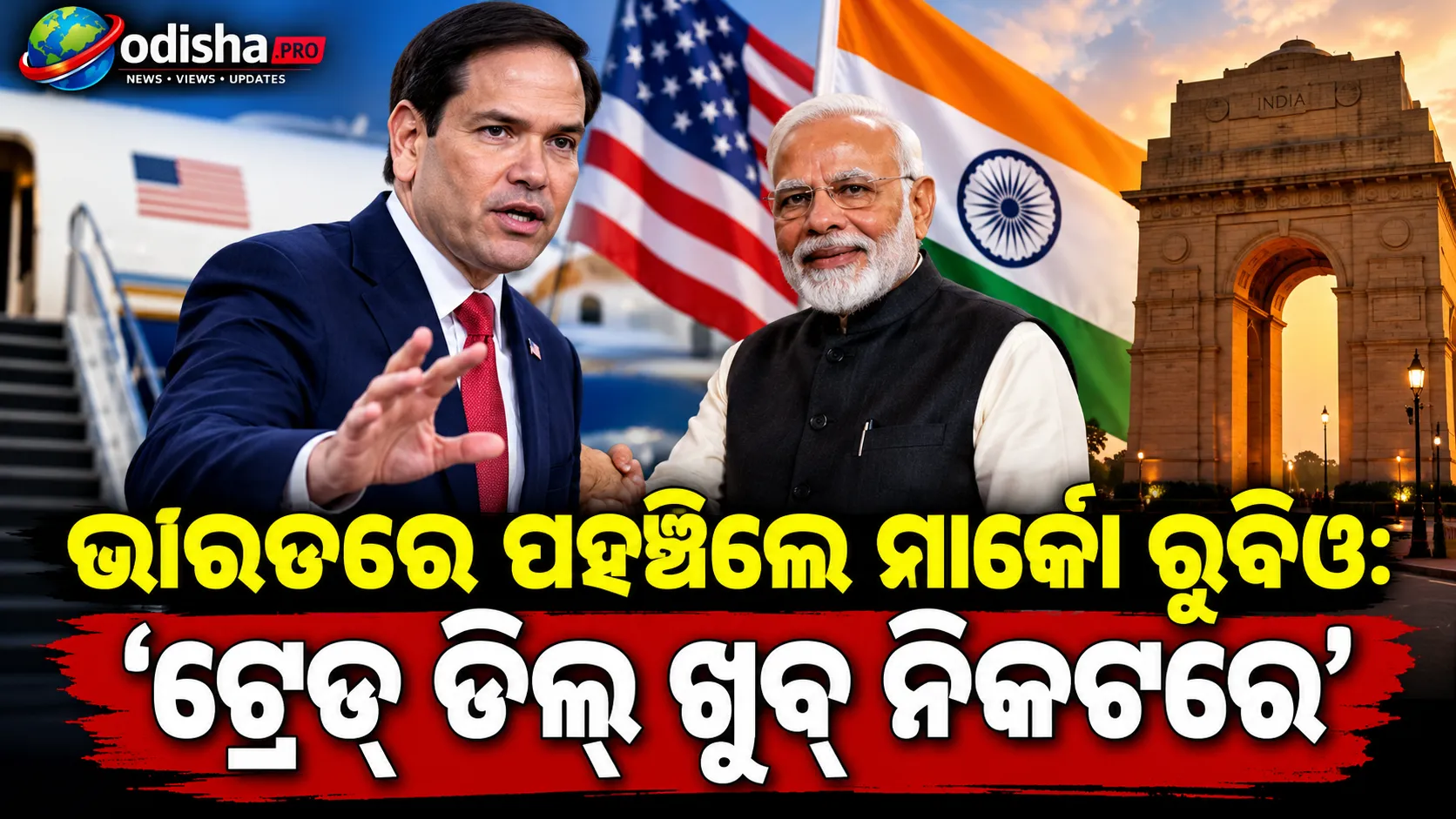
ମୁମ୍ବାଇରେ ପହଞ୍ଚିଲେ ରୁବିଓ ଆମେରିକାର ବିଦେଶ ସଚିବ ମା...
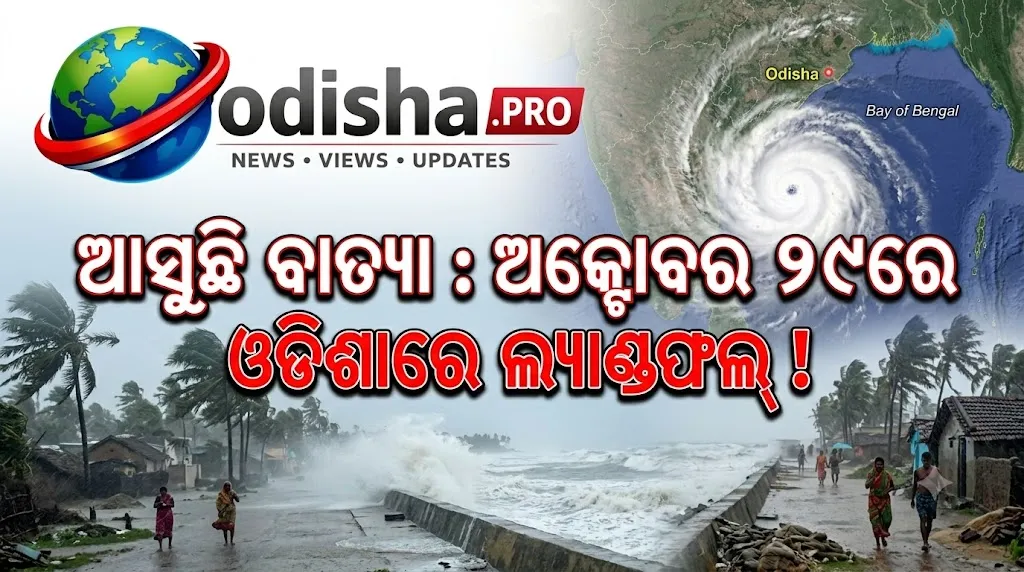
ବଙ୍ଗୋପସାଗର ଉପରେ ପୁଣି ଏକ ନୂଆ ପାଣିପାଗ ପ୍ରଣାଳୀ ଗଠନ ନେ...

ୱାଶିଂଟନ୍:ଆମେରିକାର ରାଷ୍ଟ୍ରପତି ଡୋନାଲ୍ଡ ଟ୍ରମ୍ପ ପୁଣିଥର...

ନୂଆଦିଲ୍ଲୀ/ୱାଶିଂଟନ୍:ଭାରତ ଓ ଆମେରିକା ମଧ୍ୟରେ ପ୍ରସ୍ତାବି...
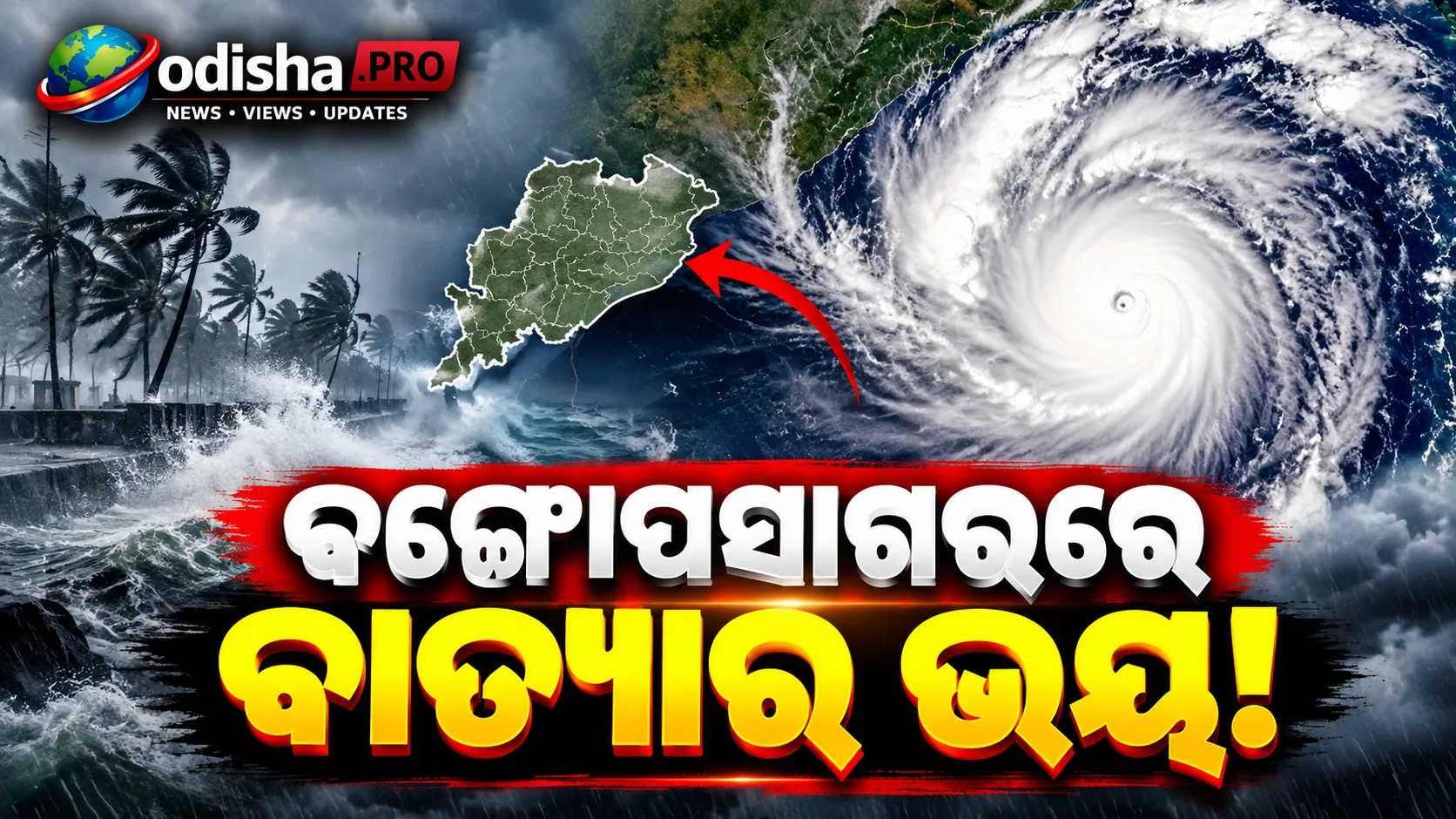
ବଙ୍ଗୋପସାଗରରେ ସମ୍ଭାବ୍ୟ ବାତ୍ୟାକୁ ନେଇ ସୋସିଆଲ ମିଡିଆ ଓ...