


For nearly twenty-four years, Mahmud of Ghazni turned India into a source of annual extraction rather than conquest. His raids were not designed to govern territory but to strip it of wealth—gold, jewels, idols and prestige—to fund wars in Central Asia and to transform Ghazni into a glittering capital of Persian culture and military power. Temples such as Nagarkot, Thanesar, Mathura and finally Somnath became prime targets, not only for their riches but for their symbolic value. Mahmud understood that destroying sacred centres shattered morale as effectively as defeating armies.
Militarily, Mahmud exploited the political fragmentation of North India. His decisive victories over the Hindu Shahi rulers opened the Khyber Pass permanently, and the failure of Indian confederacies to sustain unity ensured that no long-term resistance emerged. By the time he reached the Gangetic heartland, powerful dynasties like the Gurjara-Pratiharas were already weakened, and their collapse followed swiftly after his raids.
Yet Mahmud’s empire rested on fragile foundations. It depended on his personal authority, continuous plunder and fear-driven loyalty rather than stable institutions. When he died in 1030, the structure he left behind could not survive. His sons plunged the empire into civil war, draining military strength and resources. Soon after, the Seljuk Turks defeated the Ghaznavids decisively, stripping them of their western territories.
The final irony came decades later. Ghazni itself—built with the wealth looted from India—was burned to the ground by the Ghurids in 1151. Libraries, mosques and palaces were reduced to ashes. By 1186, the last Ghaznavid ruler was captured and executed, ending the dynasty completely.
Mahmud Ghazni’s story is ultimately one of paradox and poetic justice. He rose by fire and sword, by breaking temples and kingdoms, but left behind no enduring legacy of governance. His empire, born of destruction, met its end in flames—proving that plunder can build splendour, but never stability.

‘Roadies Rebirth’ ପୁଣି ଫେରିଛି, ଏଥର ଏକ...

ଅକ୍ଟୋବର ୧୯ରୁ ୨୫ ମଧ୍ୟରେ ବିଭିନ୍ନ OTT ପ୍ଲାଟଫର୍ମରେ ଦର୍...
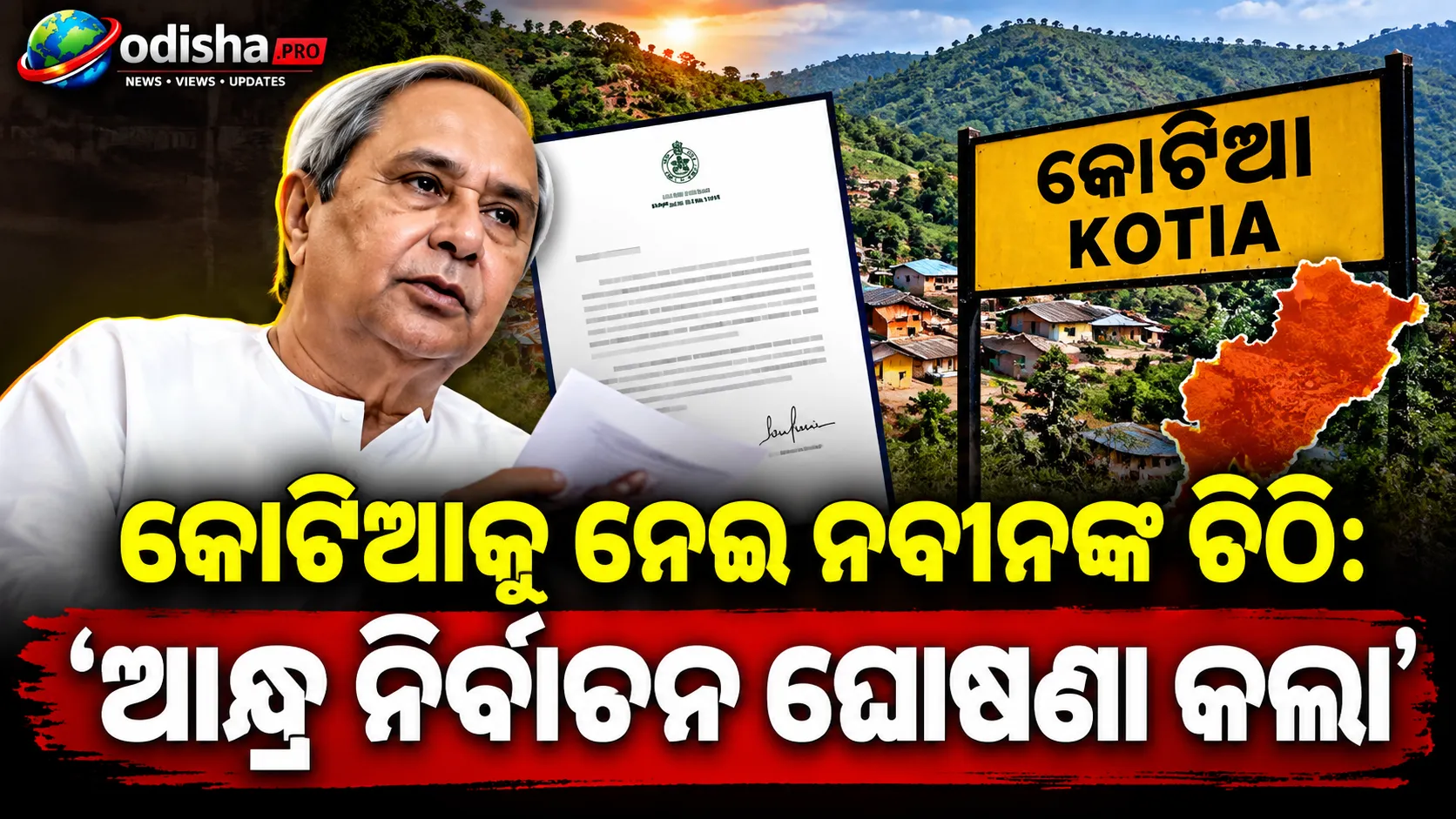
ଆନ୍ଧ୍ରର ନିର୍ବାଚନ ଘୋଷଣା ପରେ ପୁଣି ଚର୍ଚ୍ଚାରେ କୋଟିଆ...
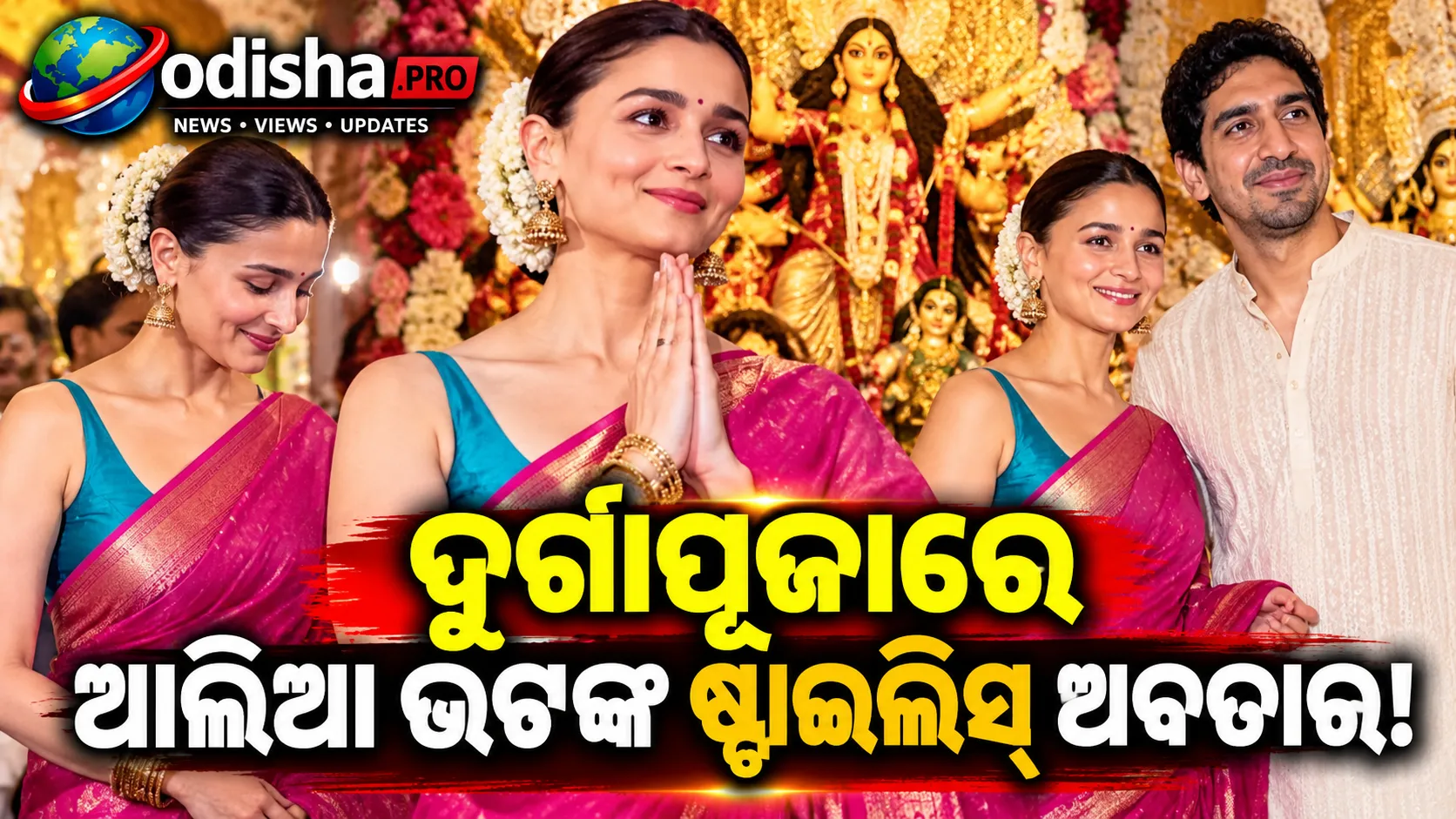
ମୁମ୍ବାଇରେ ଚାଲିଥିବା ଦୁର୍ଗାପୂଜା ଉତ୍ସବରେ ବଲିଉଡ୍ ଅଭିନେ...

କ୍ୟାନସର ଔଷଧର ଅଧିକ ଟ୍ରେଡ୍ ମାର୍ଜିନ୍କୁ ନିୟନ୍ତ୍ରଣ କରିବ...

OTT ଦୁନିଆରେ ମାଲୟାଲମ୍‌ର ନୂଆ ୱେବ୍ ସିରିଜ୍ &lsquo...
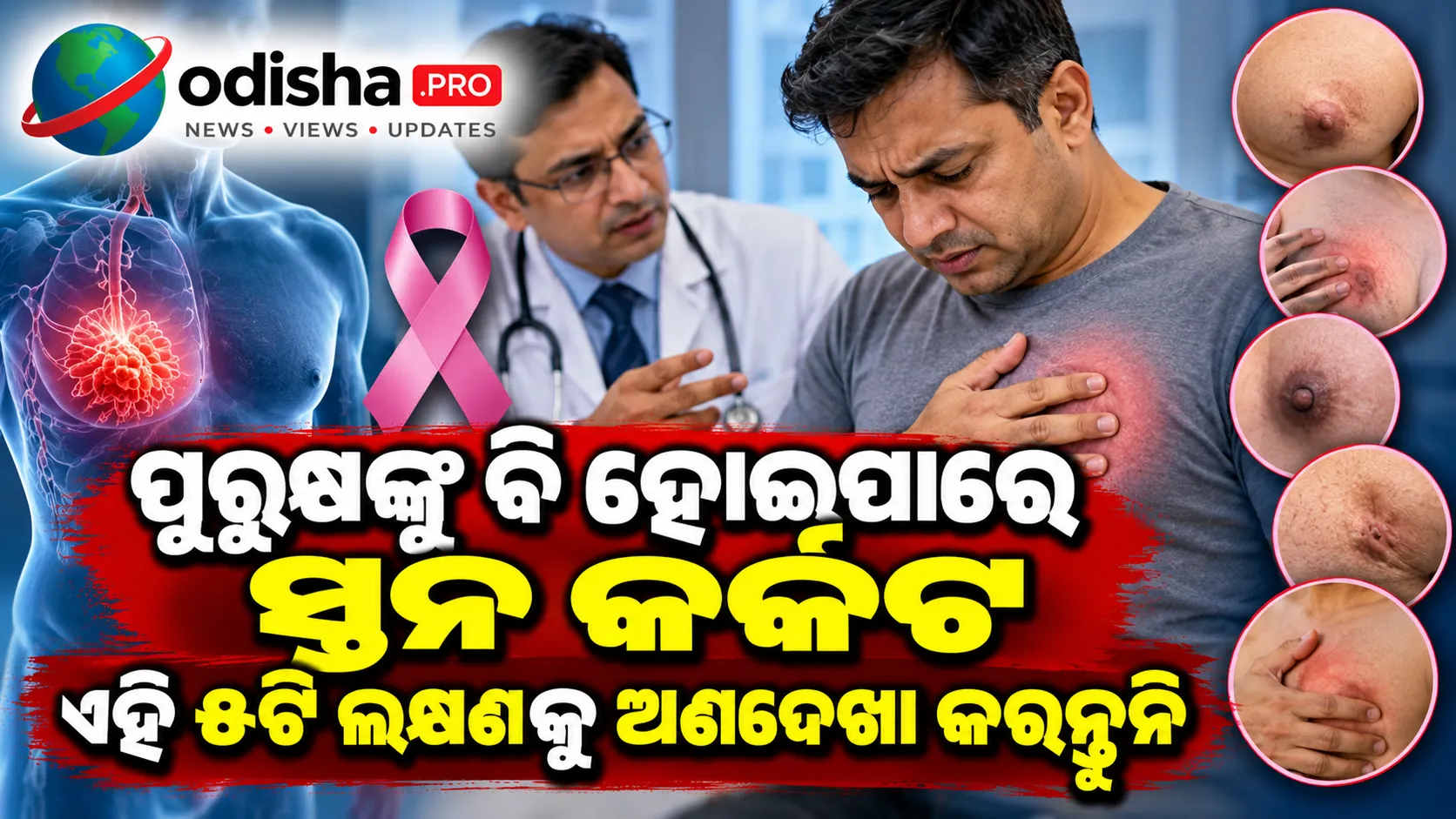
ପୁରୁଷଙ୍କୁ କାହିଁକି ହୋଇପାରେ ବ୍ରେଷ୍ଟ କ୍ୟାନସର? ପୁରୁ...

ରିଲ୍ସରେ ବ୍ୟସ୍ତ ବାପା-ମା’, ଲହଡ଼ି ନିକଟରେ ଛୁଆ...