


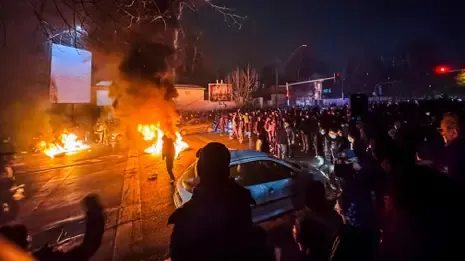
Soltani was arrested on January 8 during demonstrations in Karaj and, according to his family,disappeared for daysbefore authorities abruptly informed them that he had already been sentenced to death. The family was grantedjust 10 minutesfor a final meeting, described by officials as a farewell before execution.
Soltani was charged withMoharebeh(“enmity against God”), one of Iran’s most severe offences, frequently used against protesters and dissidents. Human rights groups say:
No formal trial was held
No lawyer was allowed
No appeal process was offered
Legal experts have described the case as resembling a“field execution”, warning that the timeline violates even Iran’s own criminal procedures.
Authorities allegedly warned Soltani’s family not to speak publicly, threatening further arrests if they contacted media or activists. Sources told IranWire that even a relative who was a lawyer was blocked from reviewing the case file.
Soltani is believed to have been held by theIslamic Revolutionary Guard Corps, Iran’s most powerful security body, directly loyal toAli Khamenei.
Iran has been rocked by protests for over 20 days, initially triggered by economic collapse but now openly targeting the clerical regime. Activists estimate:
Over2,000 people killed
Around20,000 arrested
Internet shut down nationwide to suppress reporting
Amnesty Internationalhas warned that Iran may be resumingrapid executionsto terrorise protesters into silence.
Human rights lawyer Mohammad Oliaifard said executing someone within days of arrest is “legally impossible” under Iranian law, even in capital cases.
Rights advocates say Soltani’s execution is intended as amessage to protesters, signalling that dissent could be met with immediate death.
Iran already ranks among the world’s top executioners, with at least975 executions recorded in 2024, the highest in nearly two decades.
As international scrutiny grows, activists fear many similar cases may already be unfolding beyond public view, hidden by internet blackouts and intimidation.
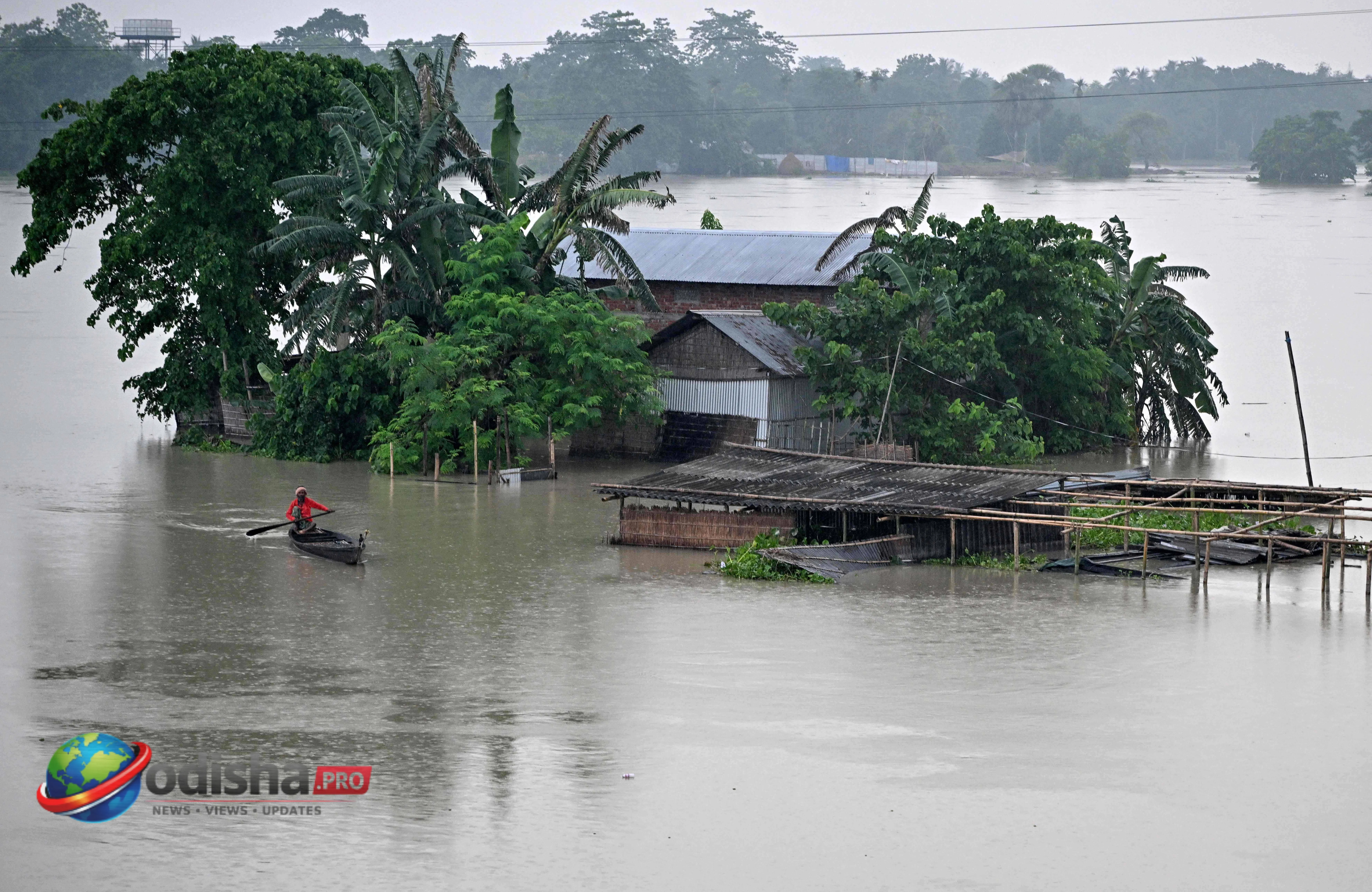
ଲଗାଣ ବର୍ଷା ପରେ ଆସାମରେ ପ୍ରକୃତିର ପ୍ରଳୟଙ୍କରୀ ରୂପ ଦେଖି...
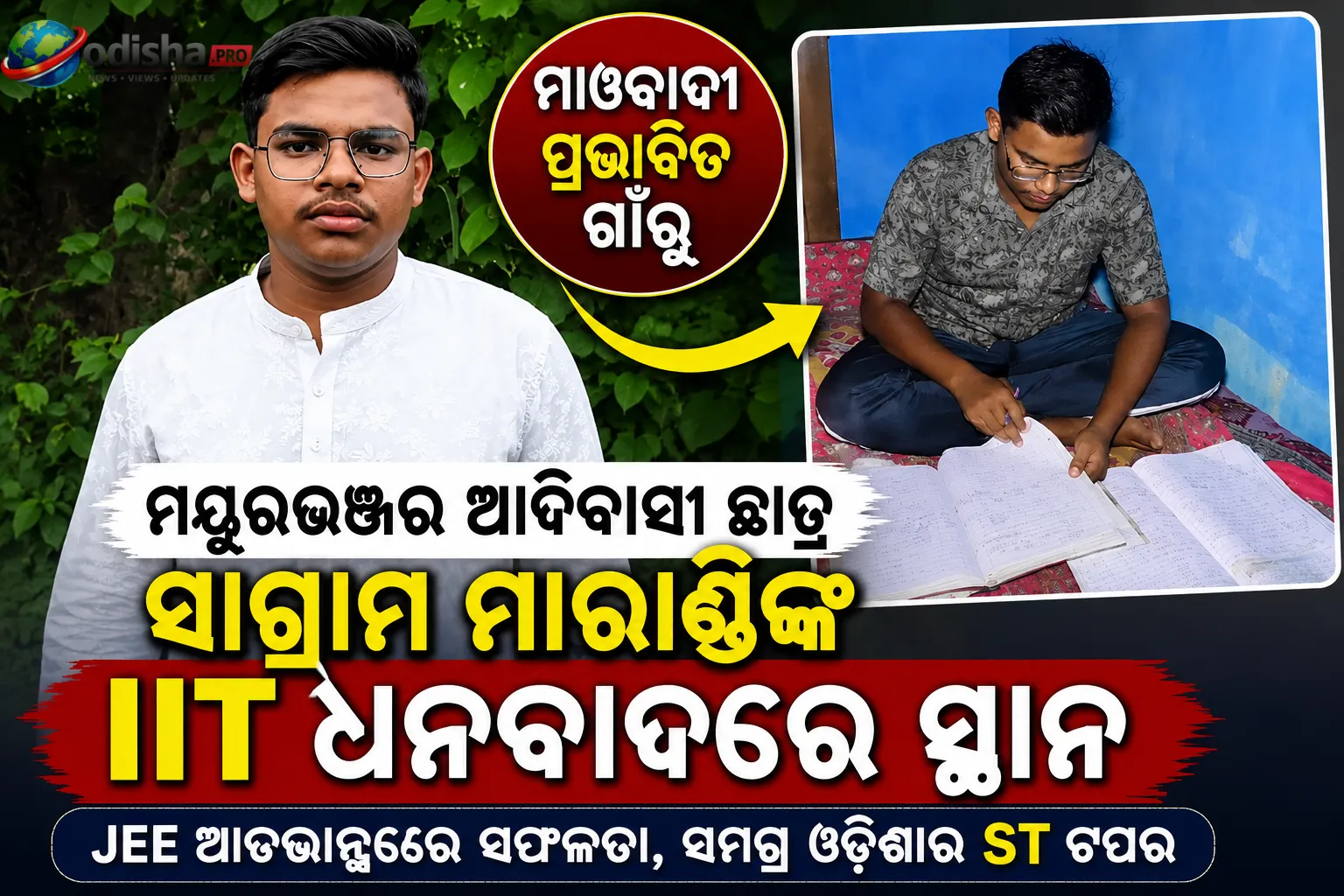
ମାଓବାଦୀ ପ୍ରଭାବିତ ଅଞ୍ଚଳରୁ ଆସିଥିବା ଜଣେ ଆଦିବାସୀ ଛାତ୍ର...

: ୟୁକ୍ରେନ ସଂଘର୍ଷ ଅଞ୍ଚଳରେ କାର୍ଯ୍ୟରତ ଭାରତୀୟ ନାବିକଙ୍କ...
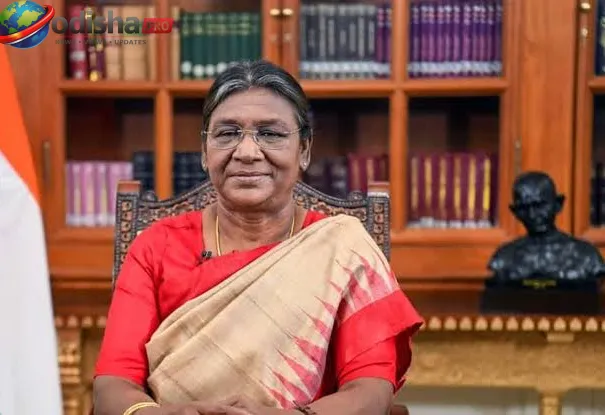
ରାଷ୍ଟ୍ରପତି ଦ୍ରୌପଦୀ ମୁର୍ମୁ ଆସନ୍ତା ଅଗଷ୍ଟ ୩ରୁ ୫ ତାରିଖ...
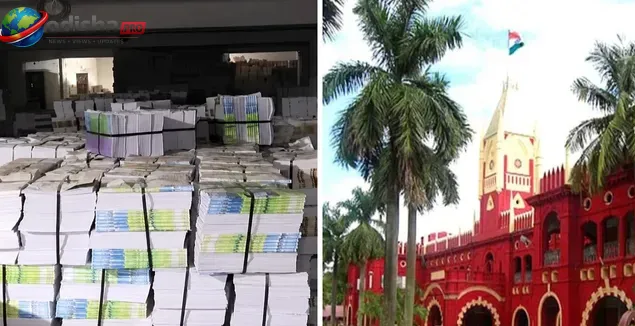
SCERT ପାଠ୍ୟପୁସ୍ତକରେ ତ୍ରୁଟି ଘଟଣାକୁ ନେଇ ଚାଲିଥିବା କ୍ର...
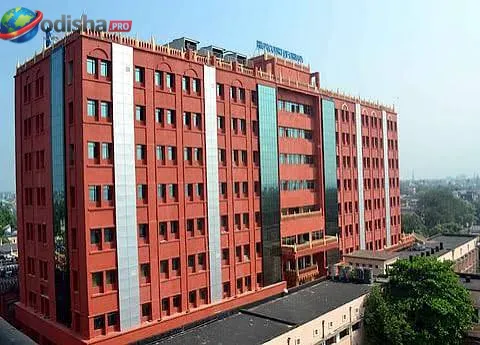
APAAR (Automated Permanent Academic Account Regist...
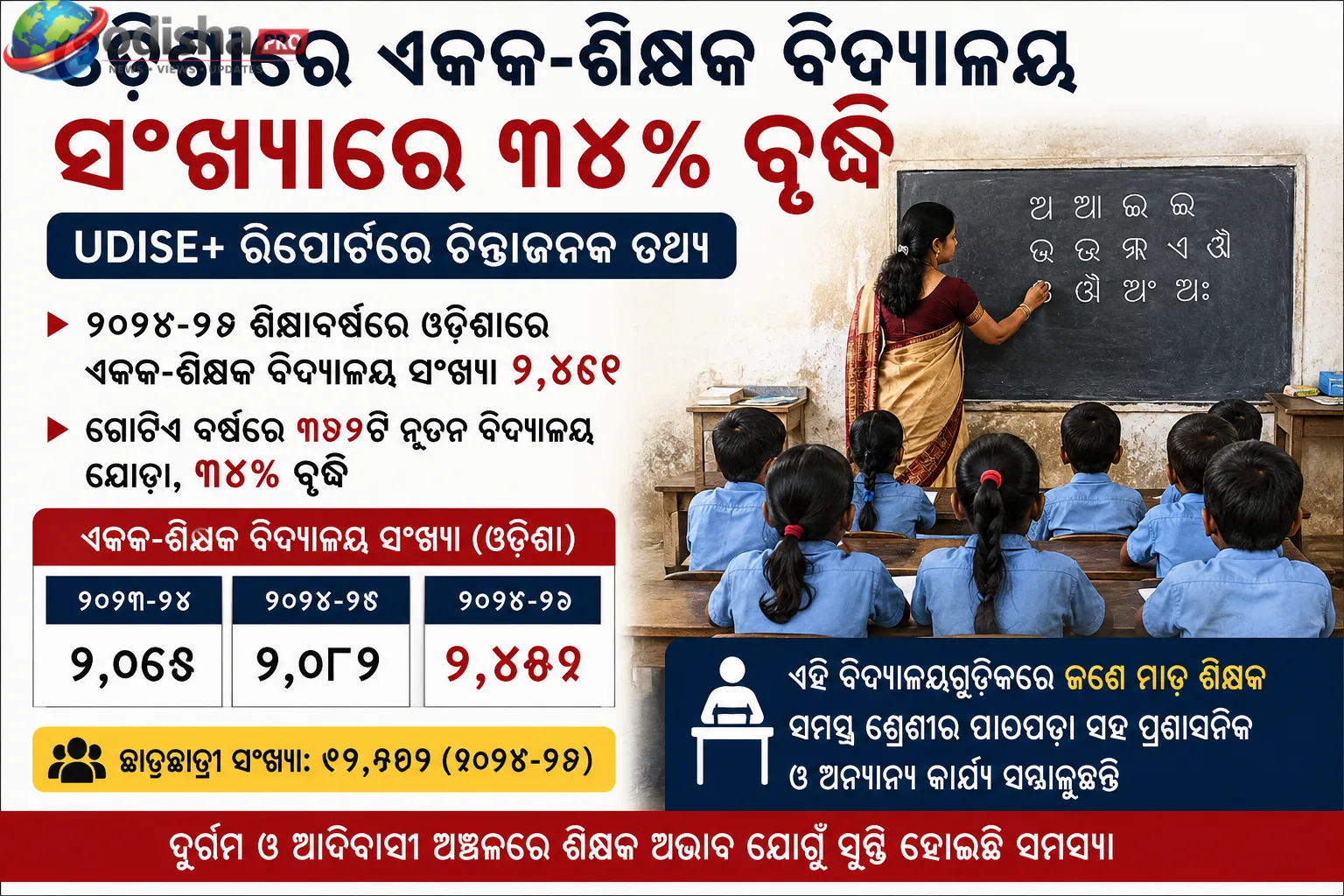
୨୦୨୫-୨୬ ଶିକ୍ଷାବର୍ଷରେ ଓଡ଼ିଶାର ଏକକ-ଶିକ୍ଷକ ବିଦ୍ୟାଳୟ (...
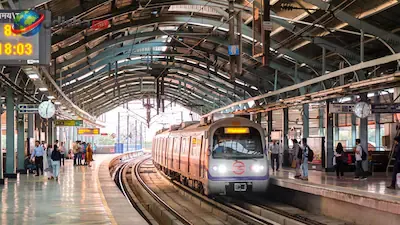
ରାଜଧାନୀ ଦିଲ୍ଲୀରେ ଚାଲିଥିବା ତୀବ୍ର ପ୍ରତିବାଦ ଓ ଆନ୍ଦୋଳନ...
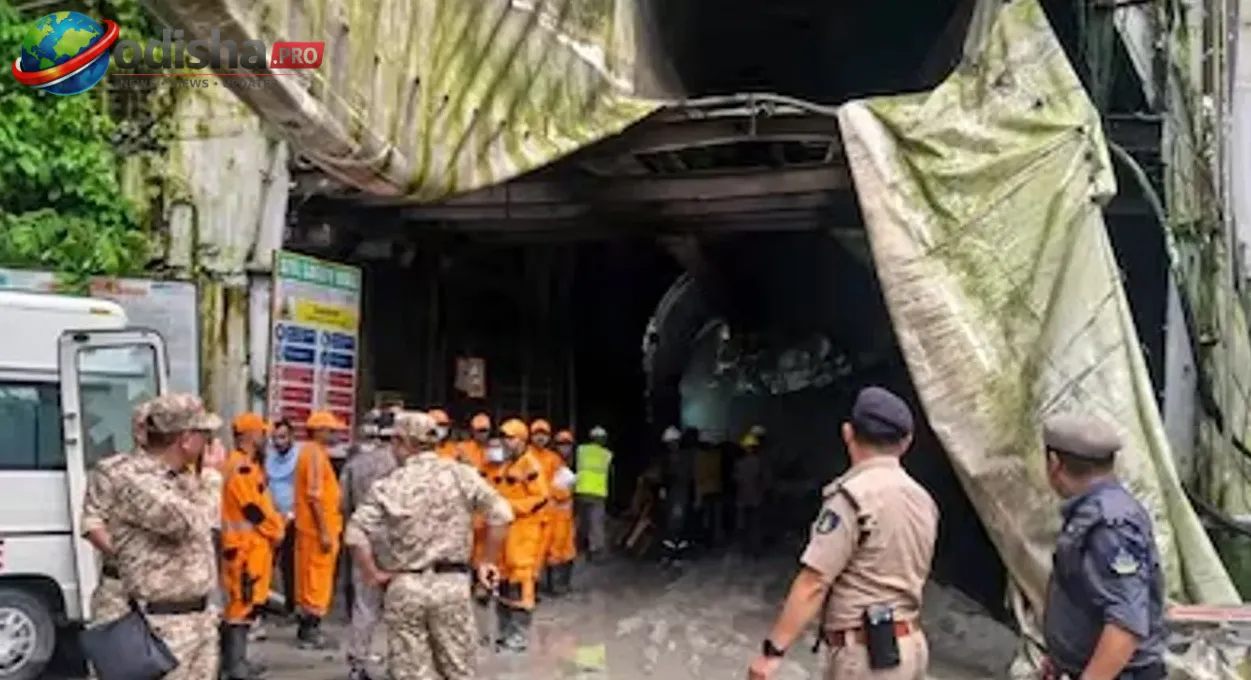
ସିକ୍କିମରେ ଘଟିଥିବା ଭୟଙ୍କର ଟନେଲ ଦୁର୍ଘଟଣା ସମଗ୍ର ଦେଶକୁ...
