



India has the opportunity to chart its own course in artificial intelligence governance, rather than replicating Western models, according toIvana Bartoletti, Global Chief Privacy and AI Governance Officer atWipro. Speaking at the India Today AI Summit 2026, Bartoletti highlighted that India possesses the scale, talent, and digital infrastructure to develop a framework uniquely suited to its context.
Bartoletti cautioned against assuming that AI governance is synonymous with compliance or strict laws, as is often the perception in Europe. “Governance of AI has got nothing to do with compliance. It's got nothing to do with the law. It's got nothing to do with risk management… It's about long-term innovation,” she explained.
According to Bartoletti, the focus of governance should be on enabling organizations and countries to innovate safely over time. Many AI projects fail to deliver returns because companies do not choose the right models, solutions, or risk approaches. Governance, in this view, is about providing a structured method to make AI adoption effective and accountable.
Bartoletti praised India’s “techno-legal” approach, which emphasizes all-round accountability and looks at the real-world impact of AI rather than imposing blanket regulation. She noted that frameworks like the European AI Act may reflect different cultural and regulatory contexts and may not suit India’s innovation-driven ecosystem.
She advised a step-by-step approach to governance:
Identify harms as they arise
Intervene where necessary
Assess if existing legislation suffices
Introduce soft or hard regulations incrementally
For Bartoletti, the ultimate goal of governance is not to slow down AI adoption, but to build trust so it can scale responsibly. She emphasized focusing on a country’s or organization’s capacity to absorb and manage AI capabilities, rather than merely on the technology itself.
Her guidance underscores India’s potential to establish a governance model that balances innovation with accountability, setting a precedent for other emerging economies to follow.

ଉଚ୍ଚଶିକ୍ଷା ପାଇଁ ବଢ଼ୁଥିବା ଖର୍ଚ୍ଚ ଅନେକ ପରିବାରଙ୍କ ପାଇ...

ଅଗଷ୍ଟ ମାସରୁ ଭୁବନେଶ୍ୱରର ବିଜୁ ପଟ୍ଟନାୟକ ଆନ୍ତର୍ଜାତୀୟ ବ...

ମଧ୍ୟପୂର୍ବରେ ପୁଣି ଥରେ ଉତ୍ତେଜନା ବଢ଼ିବା ସହ ଯୁଦ୍ଧର ଆଶଙ...

ଫିଲିପାଇନ୍ସର ରାଜଧାନୀ ମାନିଲାରେ ଆୟୋଜିତ ଆସିଆନ୍ ବୈଦେଶିକ...

ସାଉଦି ଆରବର ଯୁବ ପ୍ରିନ୍ସ ଅବ୍ଦୁଲ୍ଲା ବିନ୍ ଫହଦ ବିନ୍ ଅବଦ...

ଉଚ୍ଚଶିକ୍ଷା ଅନୁଷ୍ଠାନଗୁଡ଼ିକରେ ନିଯୁକ୍ତି ପ୍ରକ୍ରିୟାକୁ ଅ...
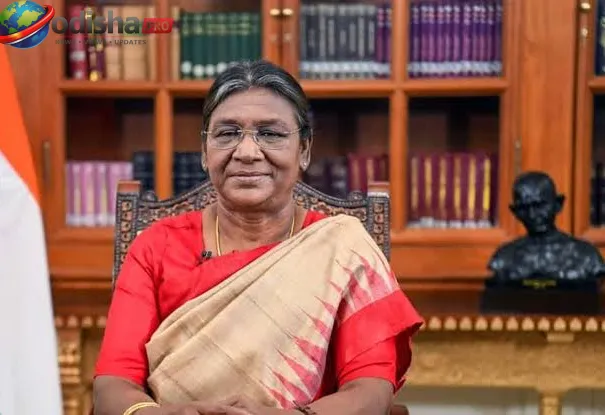
ରାଷ୍ଟ୍ରପତି ଦ୍ରୌପଦୀ ମୁର୍ମୁ ଆସନ୍ତା ଅଗଷ୍ଟ ୩ରୁ ୫ ତାରିଖ...

ଜାପାନରେ ପ୍ରବଳ ତାତି ଓ ଗ୍ରୀଷ୍ମ ପ୍ରବାହ ଜନଜୀବନକୁ ବିପର୍...

ରାଜଧାନୀ ଦିଲ୍ଲୀର ଜନ୍ତରମନ୍ତରରେ ଛାତ୍ରଛାତ୍ରୀଙ୍କ ବିରୋଧ...
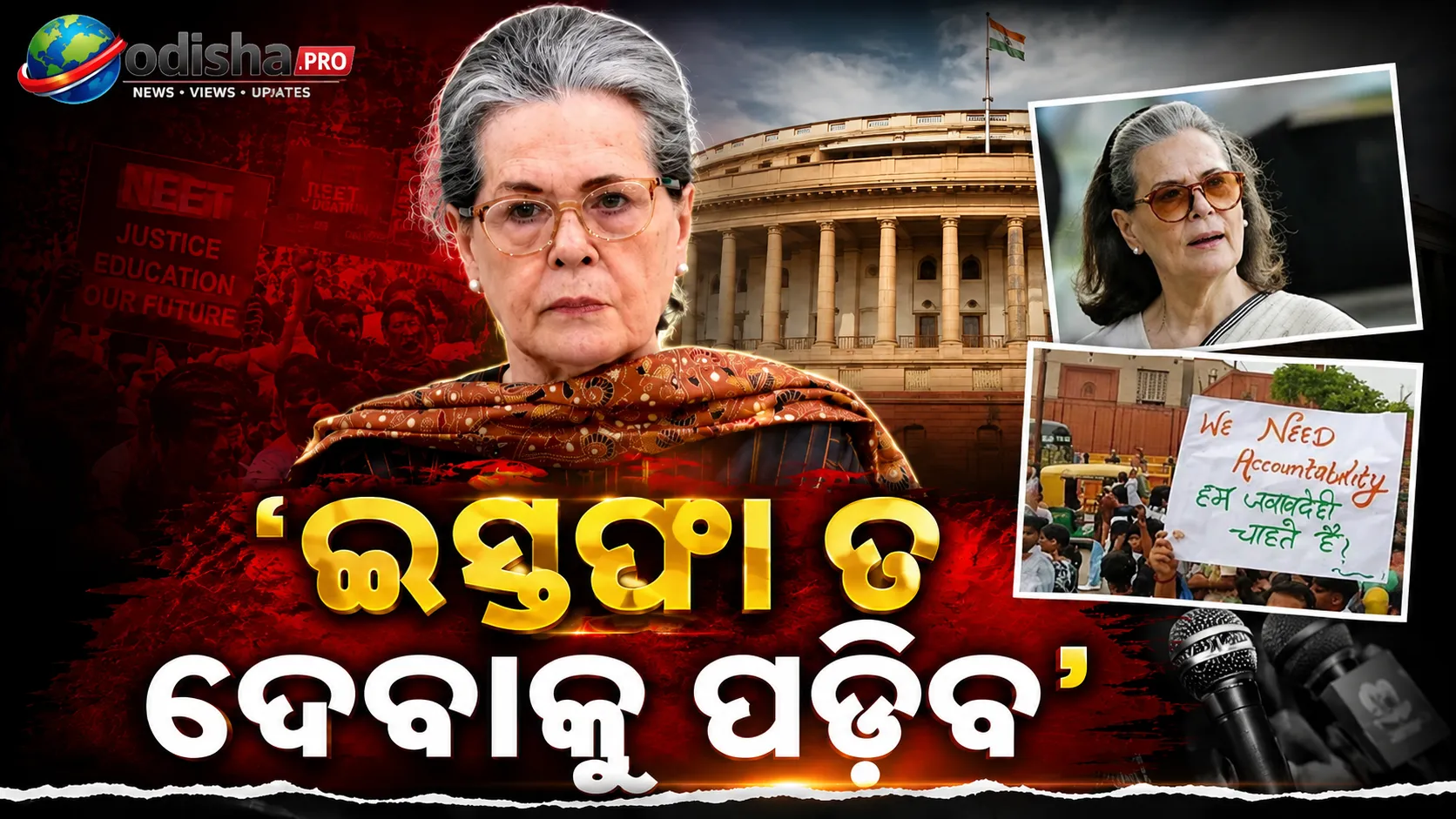
ଦେଶବ୍ୟାପୀ ନିଟ୍ ପରୀକ୍ଷା ବିବାଦ ଓ ଶିକ୍ଷା ବ୍ୟବସ୍ଥାକୁ ନ...
