






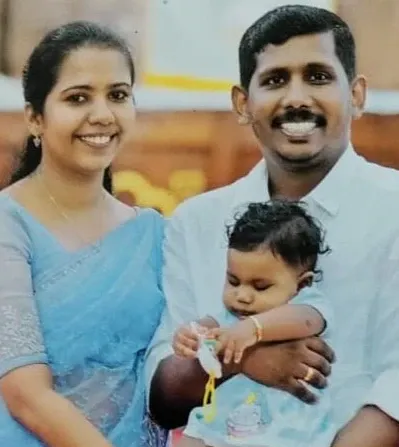
The tragic passing of 10-month-old Aalin Sherin Abraham in Kerala has sparked national awareness about infant organ donation. While rare and emotionally challenging, infants can legally donate organs in India if strict medical criteria are met. Only deceased donor organ donation is allowed for babies, with brain death being the most common pathway, followed by donation after cardiac death in select cases. Parental or guardian consent is mandatory, and medical suitability of organs—not age—determines eligibility.
Infant organs such as liver, kidneys, heart valves, and corneas can save lives, often going to pediatric patients in need. Unlike adults, infant organ donation requires consideration of size compatibility and precise medical evaluation. Across all age groups, including newborns, children, and adults, the same principles apply: organ function, absence of infections, underlying conditions, and cause of death guide eligibility.
Though legally permitted, infant organ donation is rare due to the difficulty of confirming brain death, emotional strain on parents, and matching challenges. Cases like Aalin’s highlight the potential of even the youngest lives to create a life-saving legacy. Healthcare professionals emphasize that organ health, ethical consent, and timely intervention are the true determinants of donation, reinforcing that age is never a barrier to giving the gift of life.
‘ମିର୍ଜାପୁର: ଦି ମୁଭି’ବକ୍ସ ଅଫିସ୍ରେ ଜବରଦସ...

ଉତ୍ତରପ୍ରଦେଶରେ ଶ୍ରମିକ ଓ ଅନ୍ୟାନ୍ୟ ଦୁର୍ବଳ ପରିବାରର ପିଲ...

ଆମେରିକାନ୍ ଏୟାରଲାଇନ୍ସର ଏକ ଉଡ଼ାଣ ବେଳେ ଜଣେ ଯାତ୍ରୀଙ୍କ...
ଅଭିନେତ୍ରୀବିପାଶା ବାସୁନିଜ ଫିଲ୍ମ କ୍ୟାରିୟରର ଏକ ଗୁରୁତ୍ୱ...
**‘ମିର୍ଜାପୁର: ଦି ମୁଭି’**ରେ ଏକ ପ୍ରାୟ ୫୦...
ମାଲାୟାଲମ୍ ସୁପରଷ୍ଟାରମମୁଟ୍ଟିଙ୍କ ୭୫ତମ ଜନ୍ମଦିନରେ ତାଙ୍କ...
