


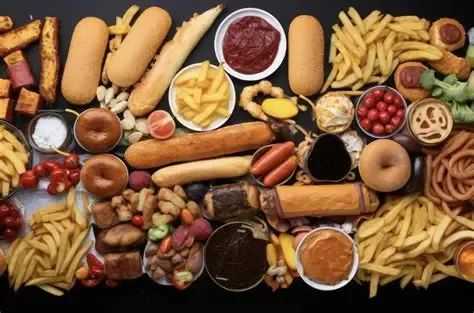
The Economic Survey 2025-26 has raised serious concerns over India’s rapidly growing dependence on ultra-processed foods (UPFs), revealing that their market share expanded by 150 percent between 2009 and 2023. These foods—typically industrially manufactured, packaged, and low in nutritional value—include commonly consumed items such as biscuits, instant noodles, ice creams, energy drinks, breakfast cereals, and ready-to-eat soups.
India has witnessed an unprecedented 40-fold rise in UPF retail sales, jumping from $0.9 billion in 2006 to nearly $38 billion in 2019. The trend mirrors global dietary shifts and coincides with a sharp increase in obesity and lifestyle-related illnesses across the country. According to the Survey, obesity significantly elevates the risk of non-communicable diseases (NCDs) such as diabetes, heart disease, and hypertension, affecting both urban and rural populations.
Data from the National Family Health Survey (NFHS-5) shows that nearly one in four Indian adults is overweight or obese, with women in the 15–49 age group more affected than men. Alarmingly, childhood obesity is also rising, with the proportion of overweight children under five increasing from 2.1% in 2015-16 to 3.4% in 2019-21. Estimates from the World Obesity Atlas 2024 suggest that India’s obese child population could more than double by 2035.
The Survey also flags aggressive marketing practices by UPF manufacturers, including promotions that encourage overconsumption and disproportionately target children and adolescents. Despite existing regulations against misleading food advertisements, weak enforcement continues to be a major challenge.
To address the growing public health crisis, the Economic Survey recommends stricter advertising regulations, warning labels on food packaging, higher GST rates on unhealthy foods, and even a potential ban on UPF advertisements during peak hours. Experts warn that without timely intervention, the health and economic burden of UPF-driven diseases could escalate significantly.

ଆମେରିକା ରାଷ୍ଟ୍ରପତିଡୋନାଲ୍ଡ ଟ୍ରମ୍ପଆମେରିକାର ରାଜ୍ୟନ୍ୟୁ...
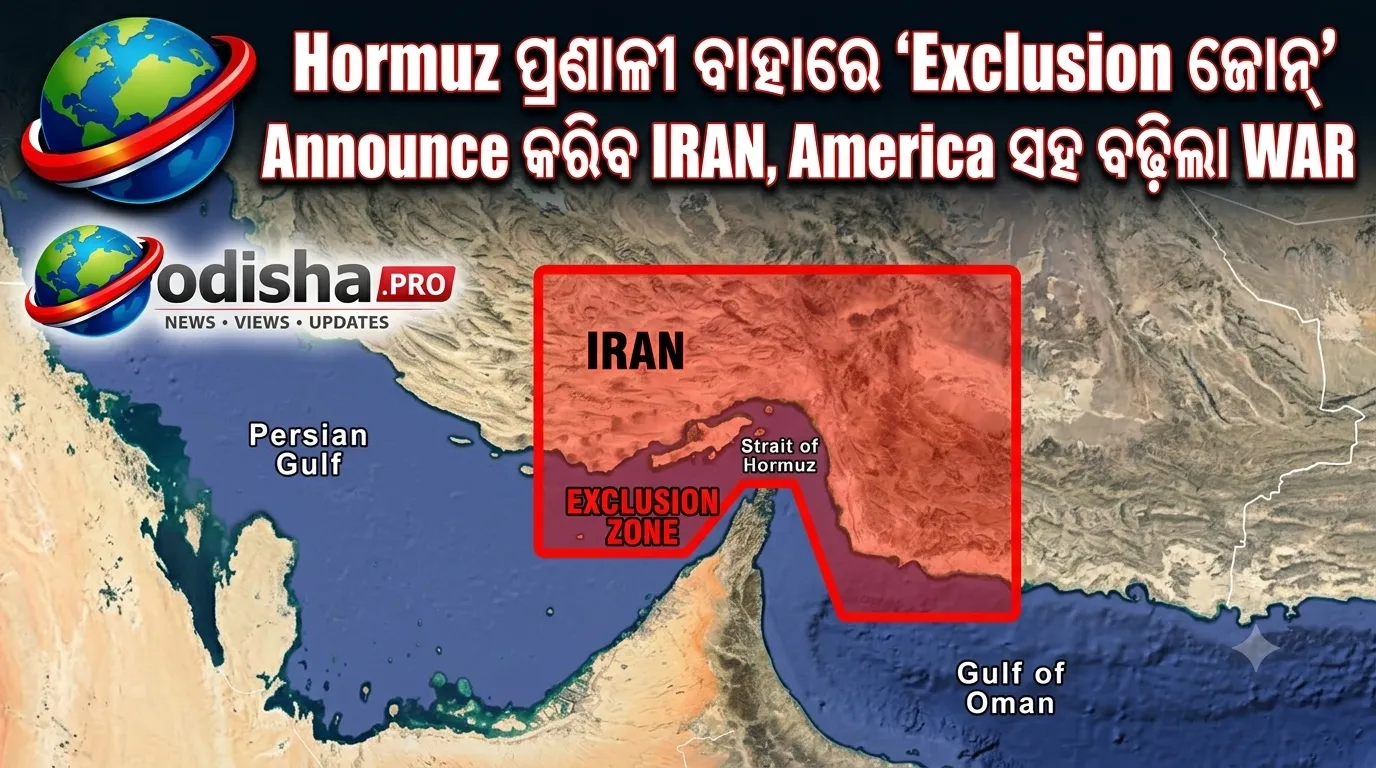
ହର୍ମୁଜ୍ ପ୍ରଣାଳୀକୁ ନେଇ ଆମେରିକା ଓ ଇରାନ ମଧ୍ୟରେ ତିକ୍ତତ...

ଜନଶୁଣାଣିରେ ଅଭାବନୀୟ ଘଟଣା ରାୟଗଡ଼ା ଜିଲ୍ଲାପାଳଙ୍କ ଜନ...

ଲ ଯିବା ବାଟରେ ତୀରମାଡ଼ ଅଭିଯୋଗ ସୋମବାର ସମ୍ବଲପୁର ଜିଲ...

ବର୍ଷା ଆସିଲେ ସ୍କୁଲ ପାଲଟିଯାଏ ଦ୍ୱୀପ ଢେଙ୍କାନାଳ ଭୁବନ...

ରୋଜଗାର ପାଇଁ ଯାଇଥିଲେ, ଫେରିଲା ମୃତଦେହ ରାୟଗଡ଼ ବ୍ଲକ...

ତାମିଲନାଡୁର ଶାସକ ମେଣ୍ଟ ଏବେ ନିଜର ଏକ ସ୍ୱତନ୍ତ୍ର ରାଜନୈତ...