



The Union Budget 2026–27 has projected that the outstanding internal and external debt and other liabilities of the Government of India will rise to approximately Rs 214 lakh crore by the end of March 2027. This marks an increase of nearly Rs 17.6 lakh crore compared to the estimated Rs 197 lakh crore at the end of March 2026.
According to the Receipt Budget 2026–27, the government’s liabilities are divided into internal and external debt:
Internal debt and other liabilities:Rs 207,70,868 crore
External debt:Rs 7,11,182 crore
Total estimated liabilities:Rs 214,82,050 crore
The data shows that the overwhelming majority of India’s central government debt is domestic. This includes borrowings through government bonds, treasury bills, and other market instruments. External debt accounts for a relatively small portion of total liabilities, reducing exposure to foreign exchange risks.
In addition to market borrowings, the government also carries liabilities under small savings schemes, provident funds, and other deposits listed separately in the Statement of Liabilities.
While the absolute debt figure appears large, economists focus more on the debt-to-GDP ratio. For 2026–27, the Centre’s debt-to-GDP ratio is estimated at 55.6%, slightly lower than 56.1% in 2025–26. The government has set a medium-term goal of reducing this ratio to around 50% by 2030.
However, this 55–56% figure refers only to central government debt. When state government borrowings are included, India’s combined public debt rises significantly. Based on RBI data, general government debt — covering both Centre and states — stood at 81.92% of GDP in 2024. Historically, this combined ratio has averaged about 70% since 1980, peaking at 89.24% during the Covid-19 period in 2020.
Lower debt relative to GDP generally provides greater financial flexibility. When debt levels are manageable:
Interest payments consume a smaller share of revenue
More funds are available for development spending
Borrowing costs tend to remain stable
Governments have greater capacity to respond to crises
If a government spends less on servicing past loans, it can allocate more resources to infrastructure, education, healthcare, and digital transformation.
Higher debt is not automatically harmful. Many advanced economies operate with elevated debt ratios. However, problems arise if debt grows faster than the economy.
As debt increases:
A larger portion of government revenue goes toward interest payments
Fiscal space for new investments shrinks
Investors may demand higher yields
Financial markets may turn cautious
In India’s case, the predominantly domestic nature of debt reduces external vulnerability, but overall levels still influence long-term fiscal stability.
For a developing and fast-growing economy like India, borrowing is often essential. Large investments in highways, rail corridors, ports, renewable energy, defence, and urban infrastructure require substantial upfront capital. The economic benefits of these projects are realized over time through higher productivity and growth.
Borrowing allows the government to invest today and repay gradually as the economy expands. The critical issue is not borrowing itself, but how responsibly the funds are used. Borrowing for productive capital assets differs significantly from borrowing merely to finance routine expenditure.
India’s central government debt is set to cross Rs 214 lakh crore by March 2027. As a share of GDP, the Centre’s debt stands around 55–56%, while total public debt including states is closer to 82%.
The direction of the debt trajectory will matter more than the headline number. If economic growth remains strong and fiscal deficits are gradually reduced, the debt burden can ease over time.
Debt is ultimately a tool. Used prudently, it can finance development and long-term growth. Managed poorly, it can constrain future policy choices. The 2026–27 Budget suggests India continues to borrow significantly, but with an intent to move toward greater fiscal stability in the coming years.
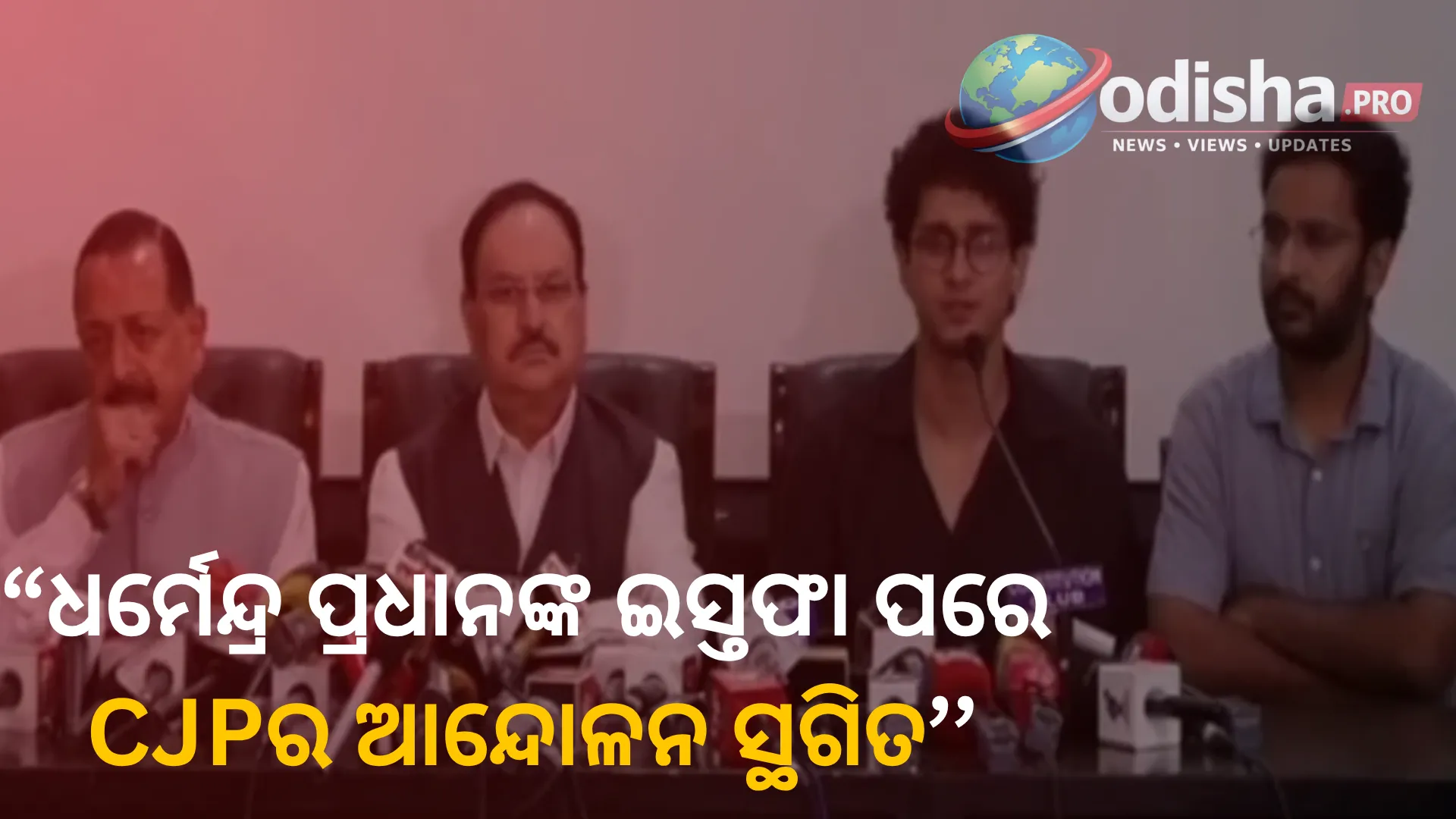
କେନ୍ଦ୍ର ସରକାର ଓ Cockroach Janta Party (CJP) ମଧ୍ୟରେ...

ଦେଶରେ ଚିକିତ୍ସା ଶିକ୍ଷା ଓ ସ୍ୱାସ୍ଥ୍ୟସେବାକୁ ଆହୁରି ସୁଦୃ...

ଅଗଷ୍ଟ ମାସରୁ ଭୁବନେଶ୍ୱରର ବିଜୁ ପଟ୍ଟନାୟକ ଆନ୍ତର୍ଜାତୀୟ ବ...

ଜାପାନରେ ପ୍ରବଳ ତାତି ଓ ଗ୍ରୀଷ୍ମ ପ୍ରବାହ ଜନଜୀବନକୁ ବିପର୍...

ମଧ୍ୟପୂର୍ବରେ ପୁଣି ଥରେ ଉତ୍ତେଜନା ବଢ଼ିବା ସହ ଯୁଦ୍ଧର ଆଶଙ...

ସାଉଦି ଆରବର ଯୁବ ପ୍ରିନ୍ସ ଅବ୍ଦୁଲ୍ଲା ବିନ୍ ଫହଦ ବିନ୍ ଅବଦ...
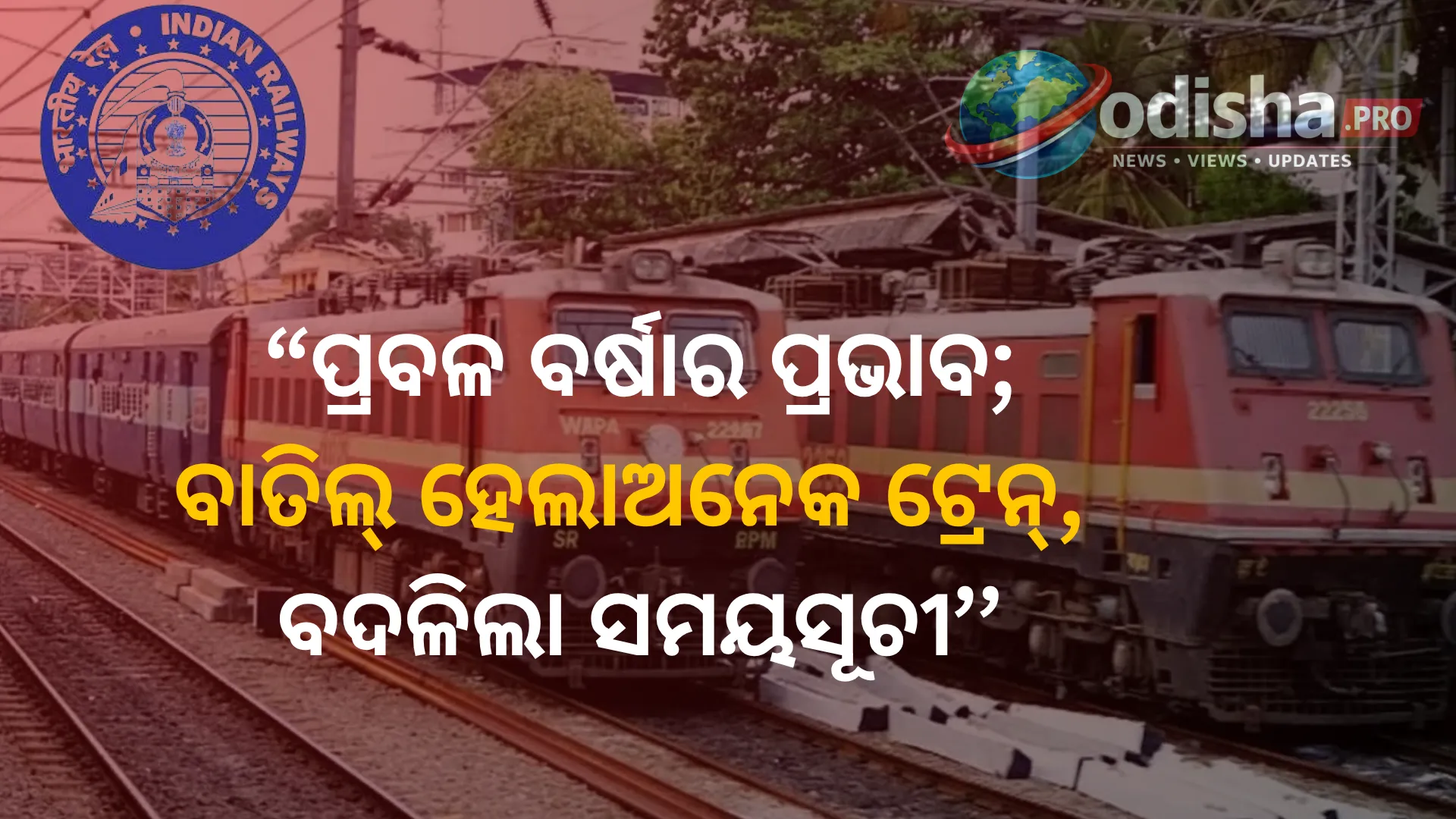
ପ୍ରବଳ ବର୍ଷା ଯୋଗୁଁ ମୁମ୍ବାଇ ରେଳ ମଣ୍ଡଳରେ ରେଳ ଚଳାଚଳ ପ୍...
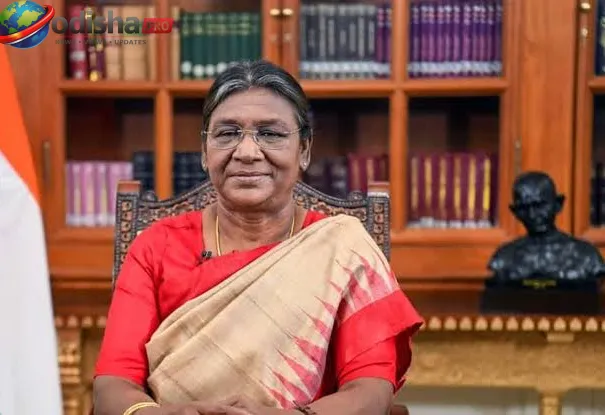
ରାଷ୍ଟ୍ରପତି ଦ୍ରୌପଦୀ ମୁର୍ମୁ ଆସନ୍ତା ଅଗଷ୍ଟ ୩ରୁ ୫ ତାରିଖ...
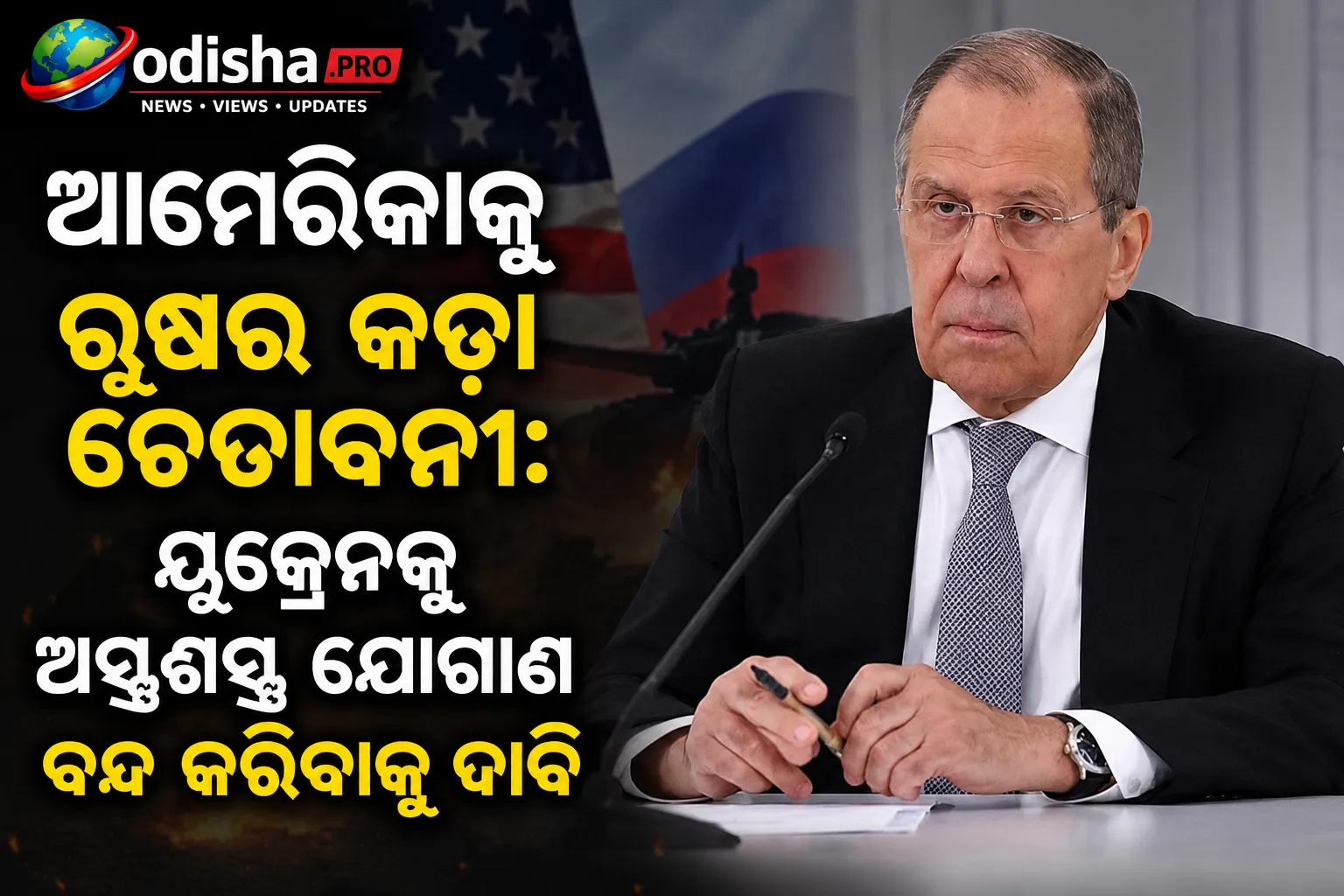
ଫିଲିପାଇନ୍ସର ରାଜଧାନୀ ମାନିଲାରେ ଆୟୋଜିତ ଆସିଆନ୍ ବୈଦେଶିକ...
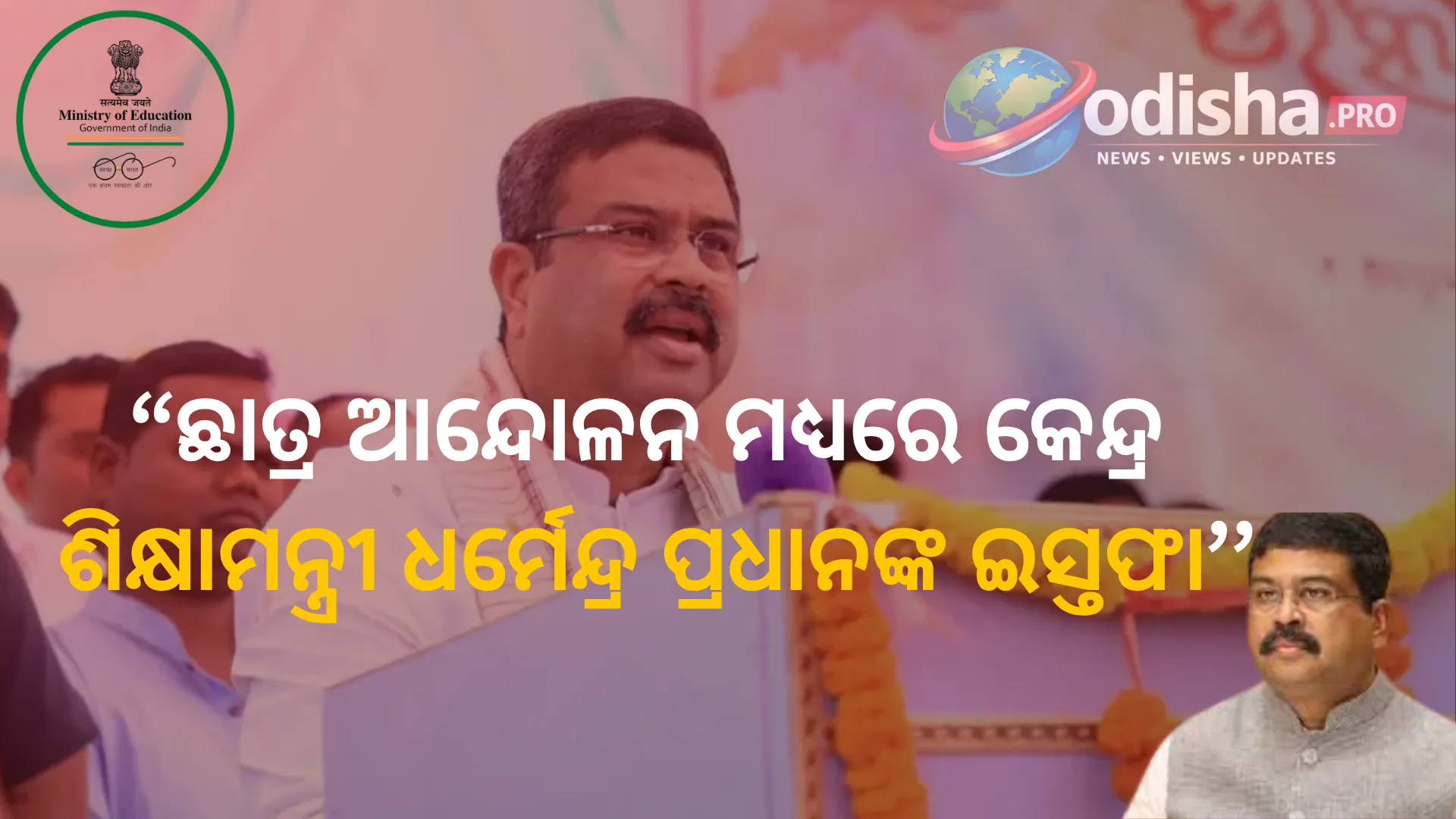
ଦେଶର ବିଭିନ୍ନ ସ୍ଥାନରେ ଚାଲିଥିବା ଛାତ୍ର ଆନ୍ଦୋଳନ ଏବଂ ପ୍...
