


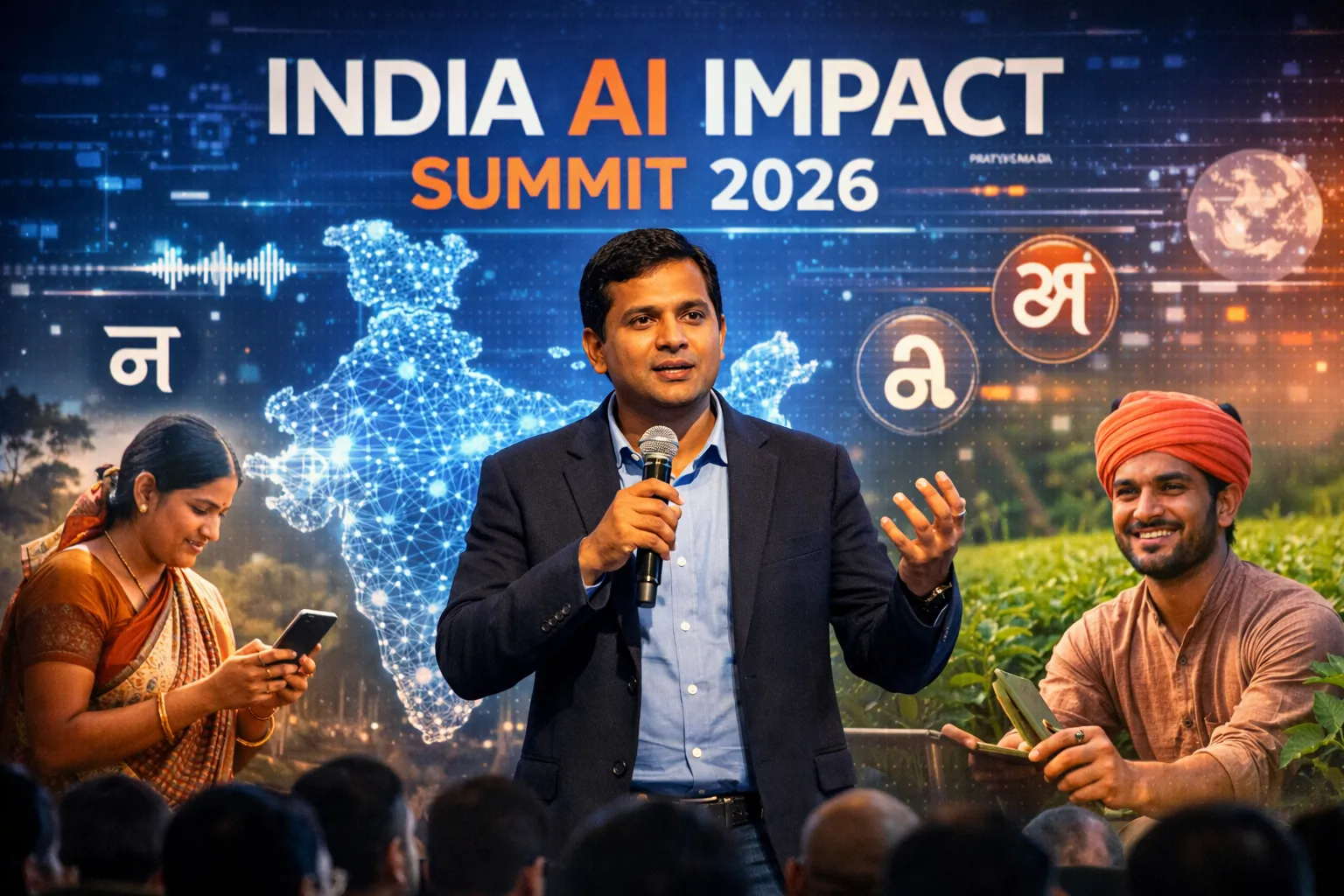
At the India AI Impact Summit 2026 held in New Delhi, Pratyush Kumar, co-founder of Sarvam AI, delivered a strong message about the future direction of artificial intelligence in India. He emphasized that if India aims to become a global AI leader, it must move beyond English-centric AI development and build systems that reflect the country’s vast linguistic and cultural diversity.
Kumar highlighted that most global AI models and benchmarks are primarily designed around English language datasets and Western contexts, which limits their relevance in a country like India, where hundreds of languages and dialects are actively spoken. He stressed that true AI inclusion means designing models that understand regional languages, local accents, rural realities, and culturally specific user behaviors. Without this shift, AI risks remaining inaccessible to a large segment of India’s population.
He also pointed out that current evaluation benchmarks fail to capture “personal signatures” such as voice patterns, multilingual interactions, and contextual nuances that are critical for Indian users. According to Kumar, building indigenous datasets and evaluation standards tailored to India’s needs will be key to driving meaningful AI adoption across sectors like education, agriculture, governance, and healthcare.
His remarks come at a time when India is actively investing in domestic AI capabilities, supported by policy initiatives and growing private sector participation. The broader message from the summit was clear: for India to truly lead in AI innovation, it must create technology that speaks the language of its people — literally and culturally.
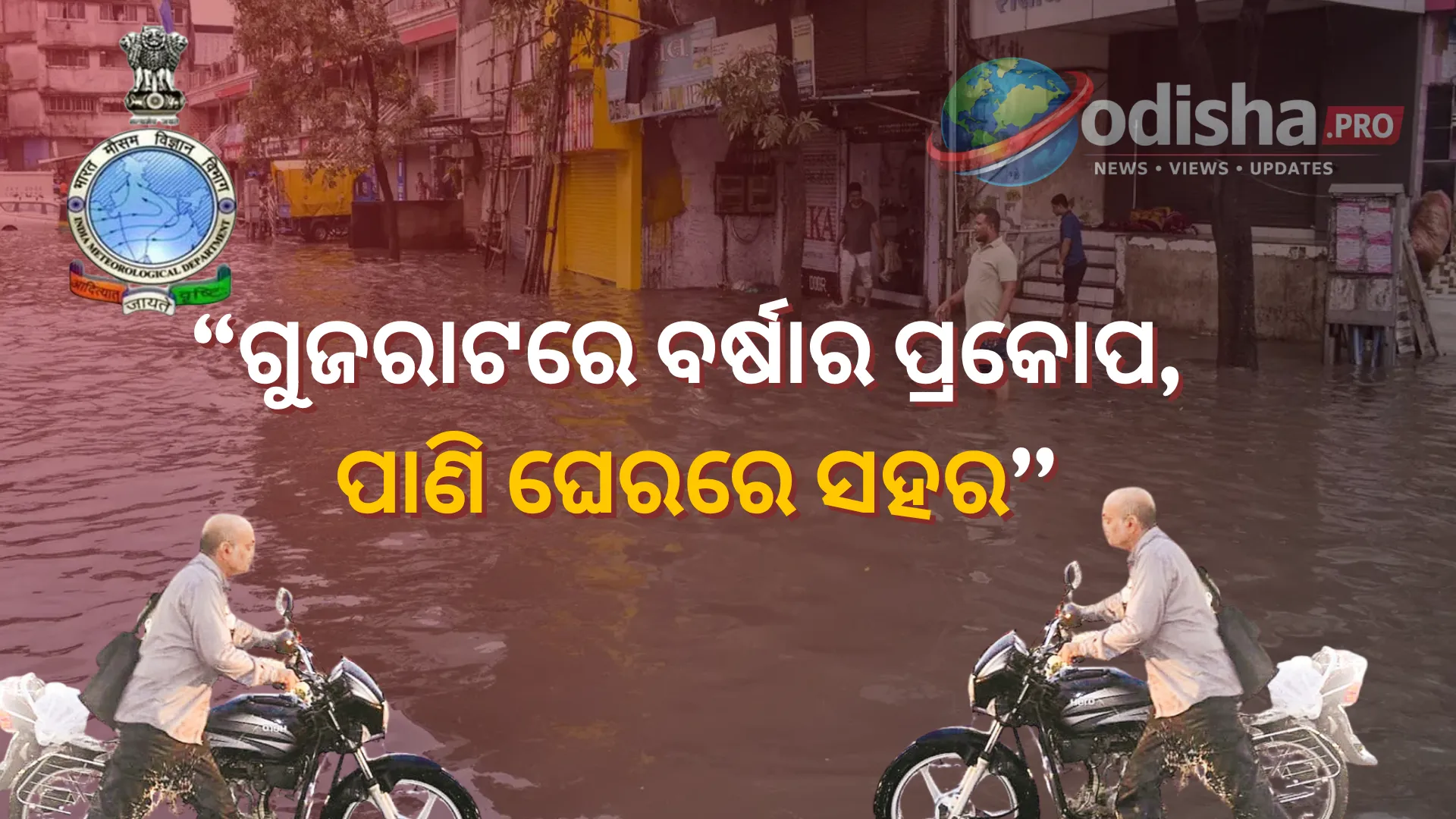
ଗୁଜରାଟରେ ଲଗାତାର ପ୍ରବଳ ବର୍ଷା ଏବଂ ବନ୍ୟା ପରିସ୍ଥିତି ପଛ...

ରଥଯାତ୍ରା ସମୟରେ ପୁରୀରେ ନିଶା କାରବାର ଉପରେ କଡ଼ା ନଜର ରଖ...

ଦାଦାବଟି ଓ ବ୍ଲାକମେଲ୍ ଅଭିଯୋଗକୁ ନେଇ ଚର୍ଚ୍ଚାରେ ଥିବା ଏକ...
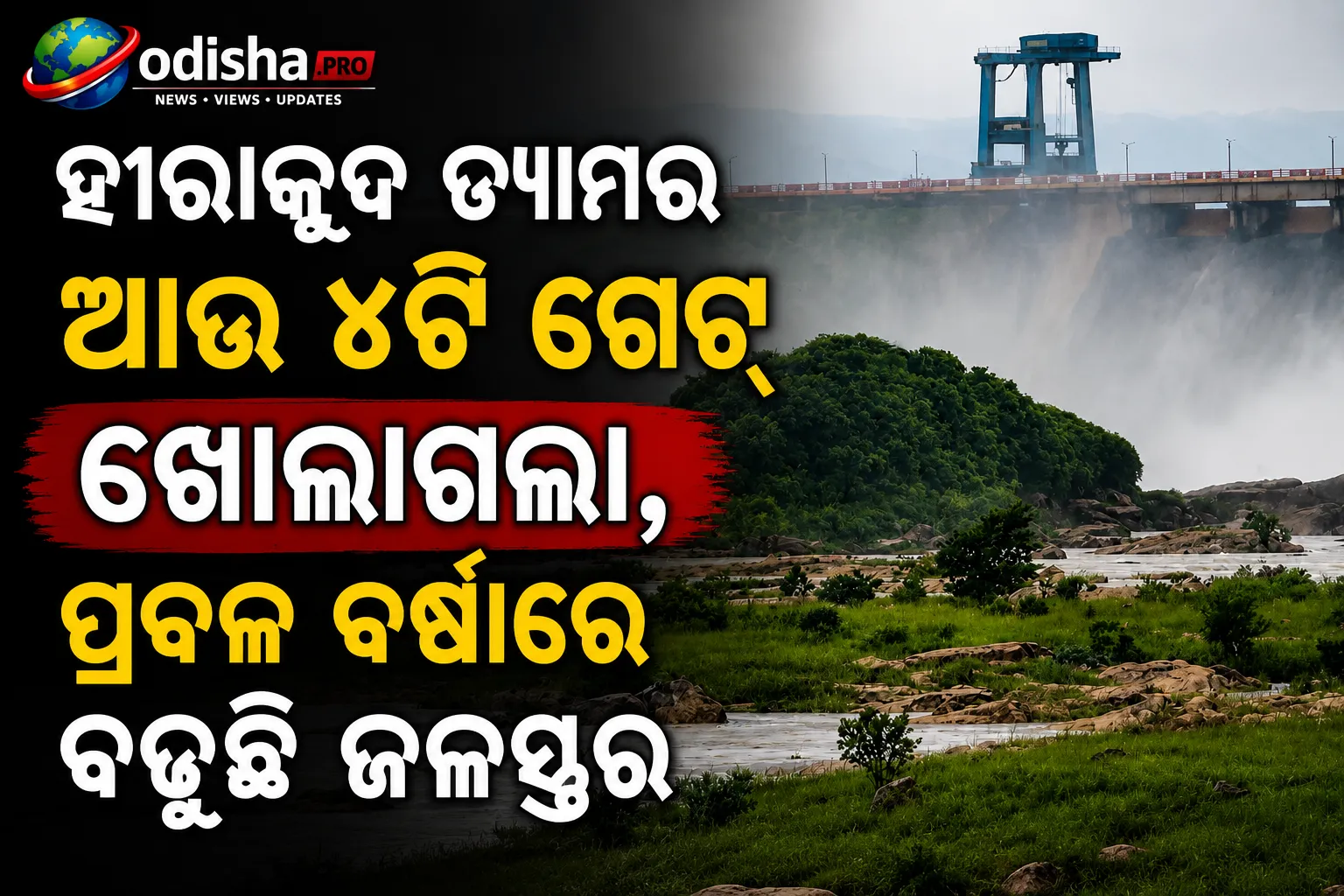
ସମ୍ବଲପୁରସ୍ଥିତ ହୀରାକୁଦ ଡ୍ୟାମର ଜଳସ୍ତର ଲଗାତାର ବଢ଼ିବାର...
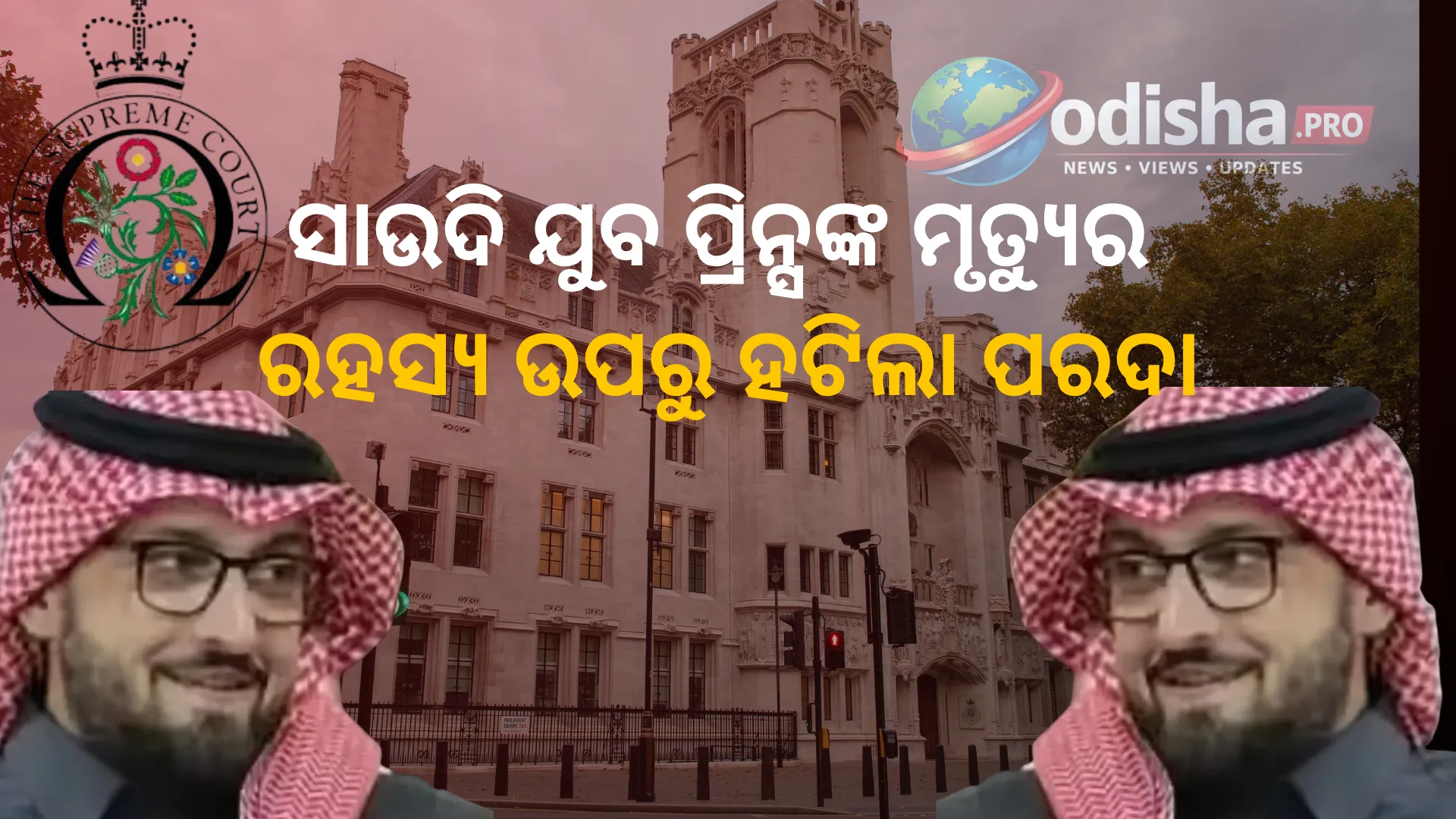
ସାଉଦି ଆରବର ଯୁବ ପ୍ରିନ୍ସ ଅବ୍ଦୁଲ୍ଲା ବିନ୍ ଫହଦ ବିନ୍ ଅବଦ...
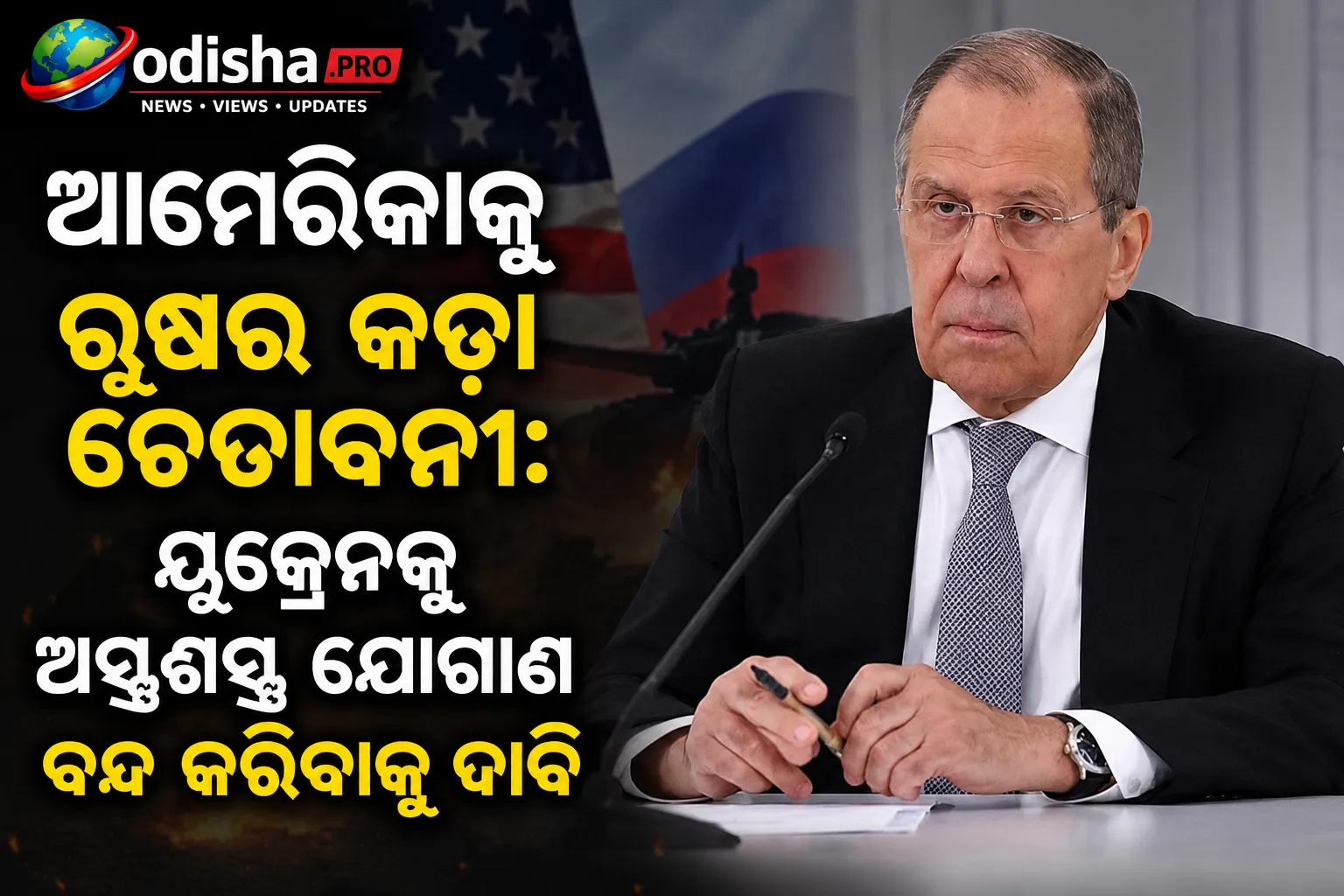
ଫିଲିପାଇନ୍ସର ରାଜଧାନୀ ମାନିଲାରେ ଆୟୋଜିତ ଆସିଆନ୍ ବୈଦେଶିକ...
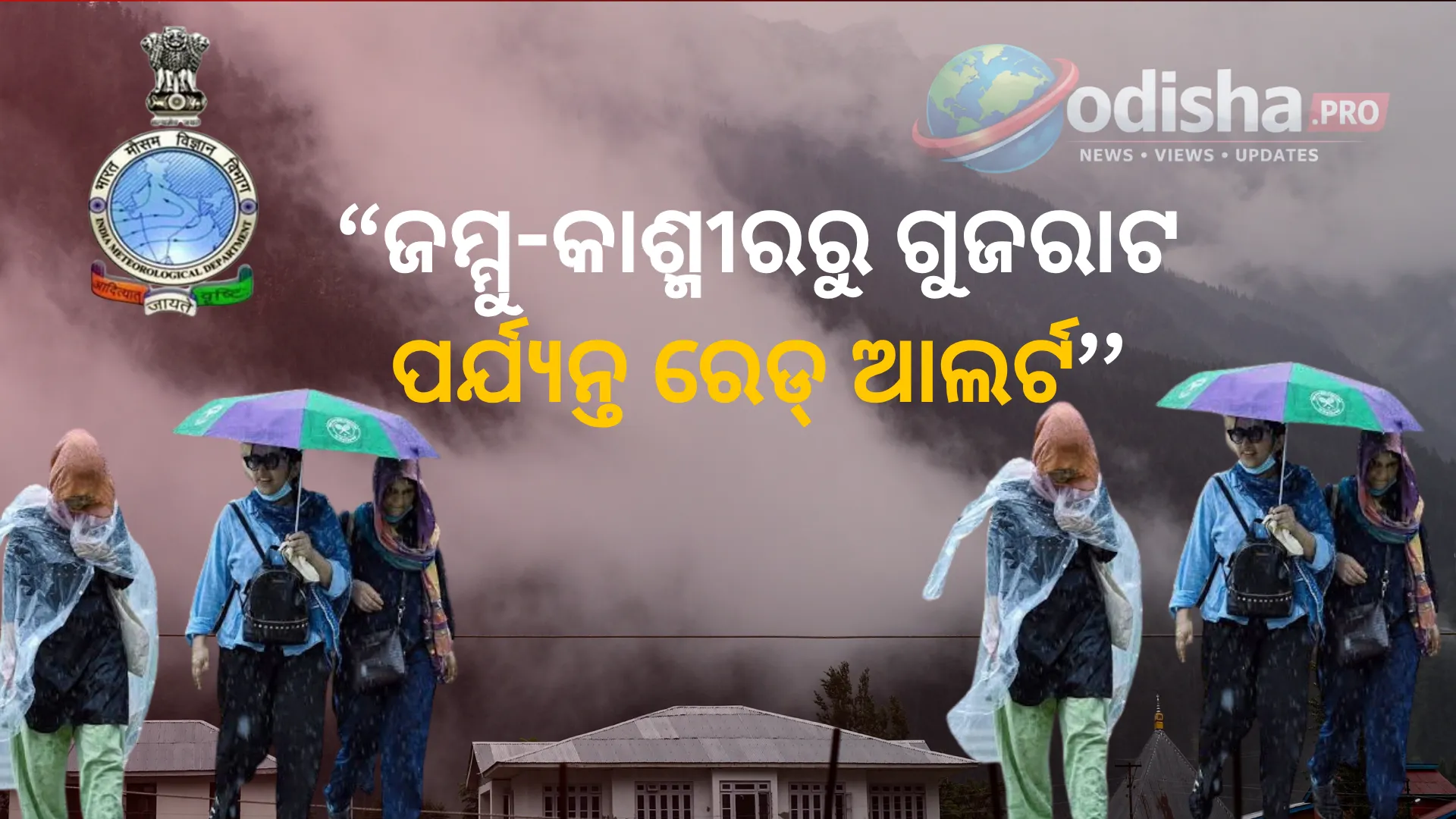
ଦେଶର ବିଭିନ୍ନ ରାଜ୍ୟରେ ମୌସୁମୀ ବର୍ଷାର ପ୍ରକୋପ ଜାରି ରହି...
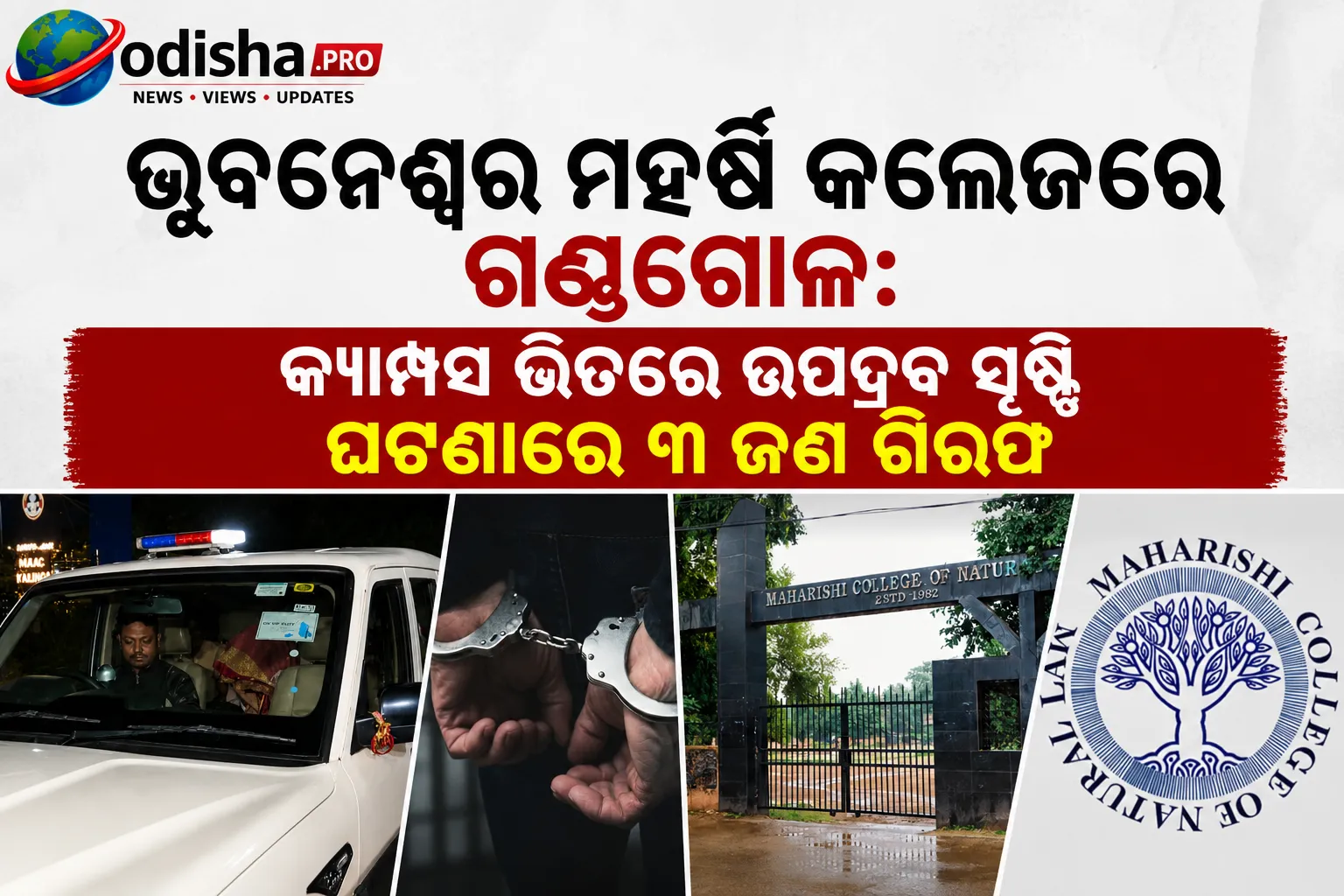
ଭୁବନେଶ୍ୱରର ମହର୍ଷି କଲେଜ କ୍ୟାମ୍ପସରେ ଘଟିଥିବା ଗଣ୍ଡଗୋଳ...
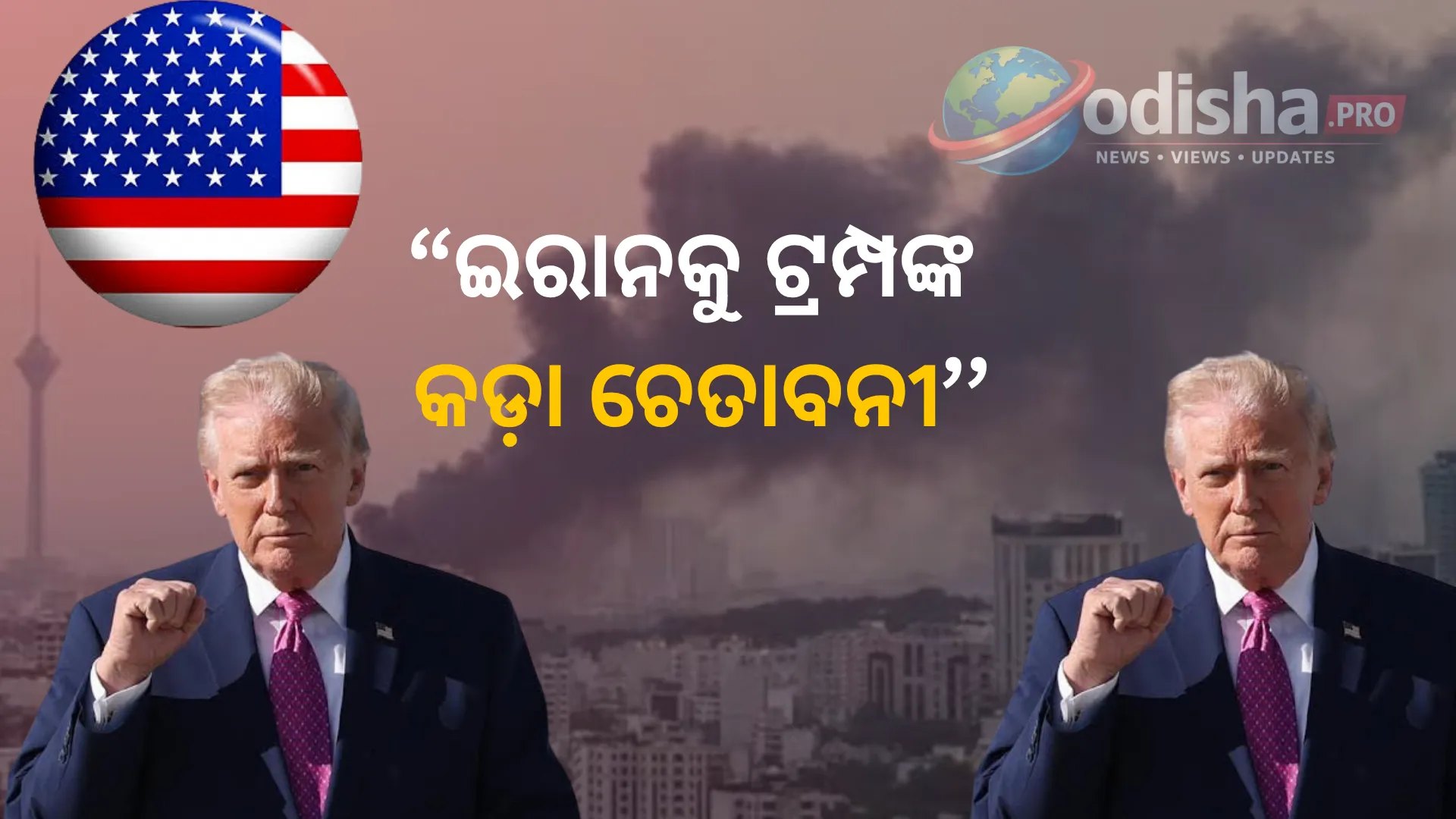
ମଧ୍ୟପୂର୍ବରେ ପୁଣି ଥରେ ଉତ୍ତେଜନା ବଢ଼ିବା ସହ ଯୁଦ୍ଧର ଆଶଙ...

ଜାପାନରେ ପ୍ରବଳ ତାତି ଓ ଗ୍ରୀଷ୍ମ ପ୍ରବାହ ଜନଜୀବନକୁ ବିପର୍...
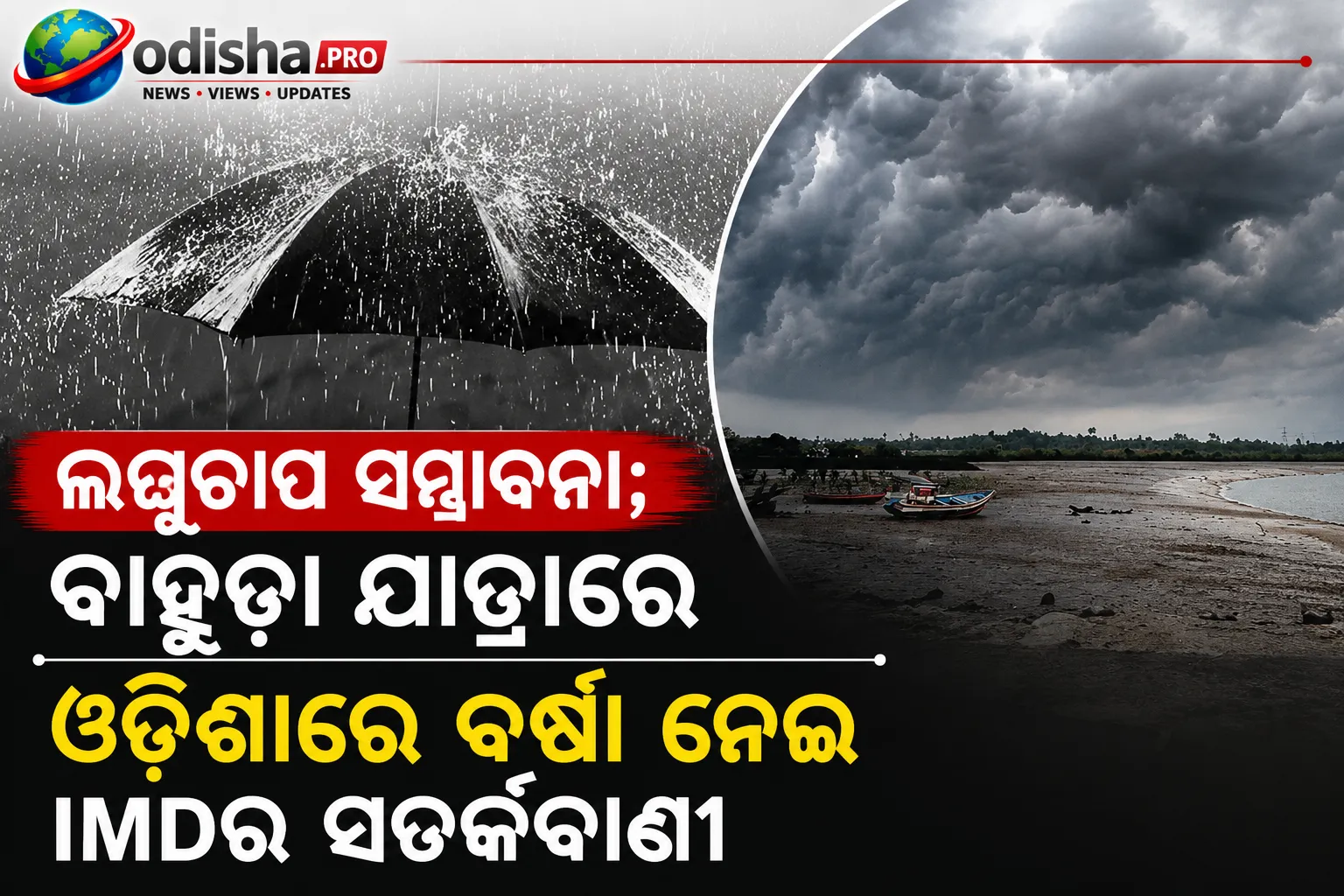
ଓଡ଼ିଶାରେ ପୁଣି ଥରେ ସକ୍ରିୟ ହେବାକୁ ଯାଉଛି ମୌସୁମୀ। ବଙ୍ଗ...
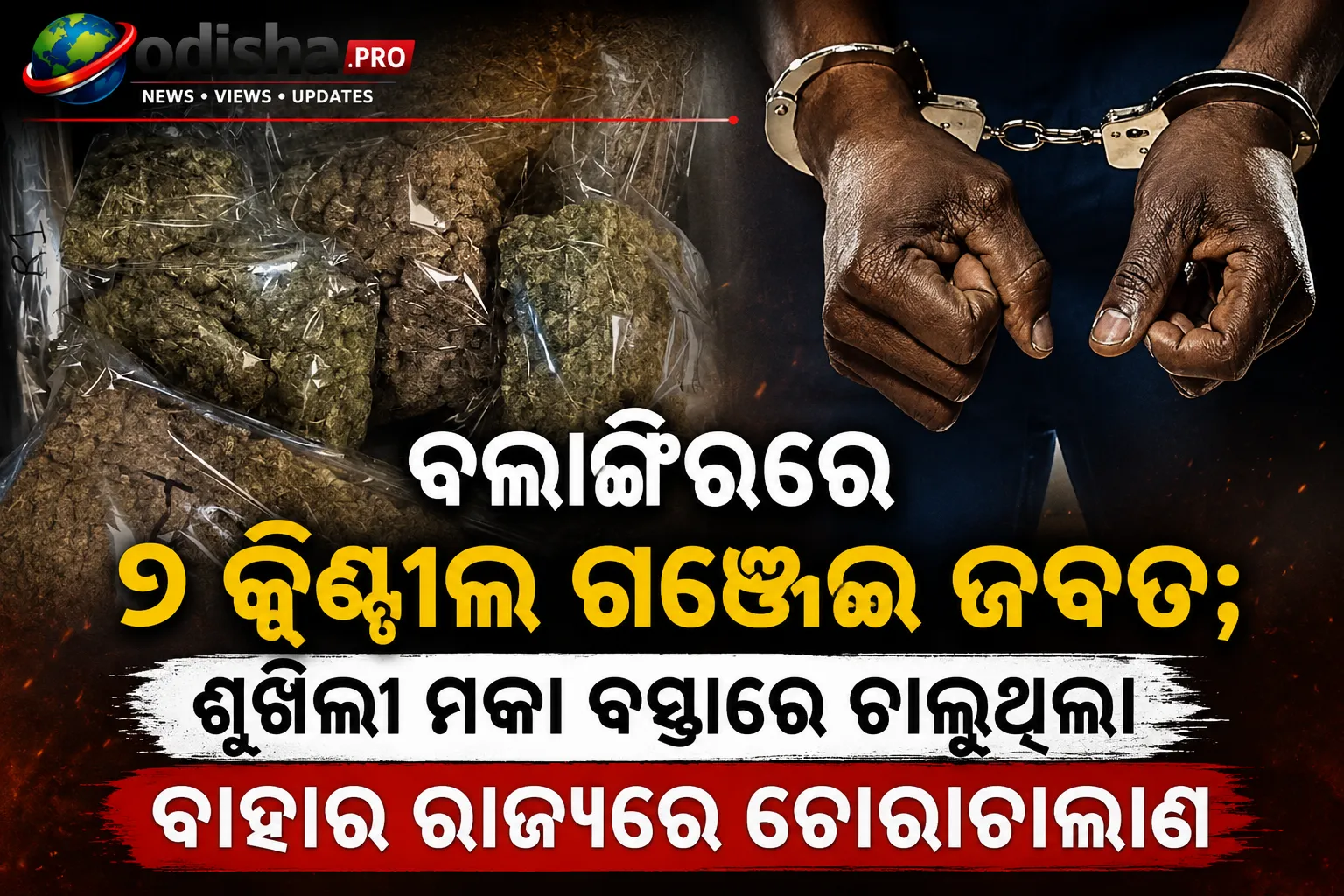
ବଲାଙ୍ଗିର ଅବକାରୀ ବିଭାଗକୁ ଏକ ବଡ଼ ସଫଳତା ମିଳିଛି। ବିଭାଗ...
