


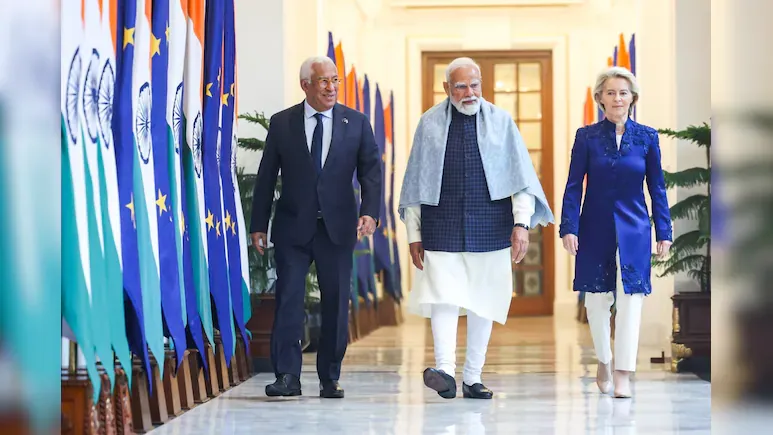
The newly detailed India–EU free trade agreement marks one of the most ambitious market-opening exercises India has undertaken in decades. The standout change is in automobiles, where tariffs on European cars will be gradually reduced to 10% from levels that currently reach nearly 70%, subject to an annual quota of 2,50,000 vehicles. The European Union believes this alone could fundamentally reset India’s premium automobile market.
Beyond autos, the agreement eliminates or reduces tariffs on more than 90% of EU exports to India. Machinery, chemicals, pharmaceuticals, aircraft, and medical equipment will see duties largely cut to zero, significantly lowering input costs for Indian industry and healthcare providers. Food and beverage imports—including wine, spirits, beer, olive oil and vegetable oils—will also see steep tariff reductions.
In return, the EU will phase out duties on 99.5% of Indian goods over seven years, covering textiles, leather, marine products, gems and jewellery, and industrial goods. The deal also opens doors for European financial and maritime services while committing EU funding to support India’s climate transition. As implementation begins, attention will turn to how Indian manufacturers adapt to deeper European competition in key sectors.

ଦିଲ୍ଲୀ ବିଶ୍ୱବିଦ୍ୟାଳୟ ଛାତ୍ର ସଂଘ (DUSU) ନିର୍ବାଚନ ୨୦୨...

କେନ୍ଦ୍ରାପଡ଼ା ଜିଲ୍ଲା କୋରୁଆ ବଜାରରେ ଅବସରପ୍ରାପ୍ତ ଜଣେ ବ...

ନିଜକୁ IAS ଅଧିକାରୀ ପରିଚୟ ଦେଇ ଲୋକଙ୍କୁ ଠକୁଥିବା ଅଭିଯୋଗ...

ଭଦ୍ରକ ଜିଲ୍ଲା ଚାନ୍ଦବାଲି ଥାନା ଅଧୀନ ପାଇକିରାପୁର ଗାଁରେ...

ଆମେରିକାନ୍ ଏୟାରଲାଇନ୍ସର ଏକ ଉଡ଼ାଣ ବେଳେ ଜଣେ ଯାତ୍ରୀଙ୍କ...
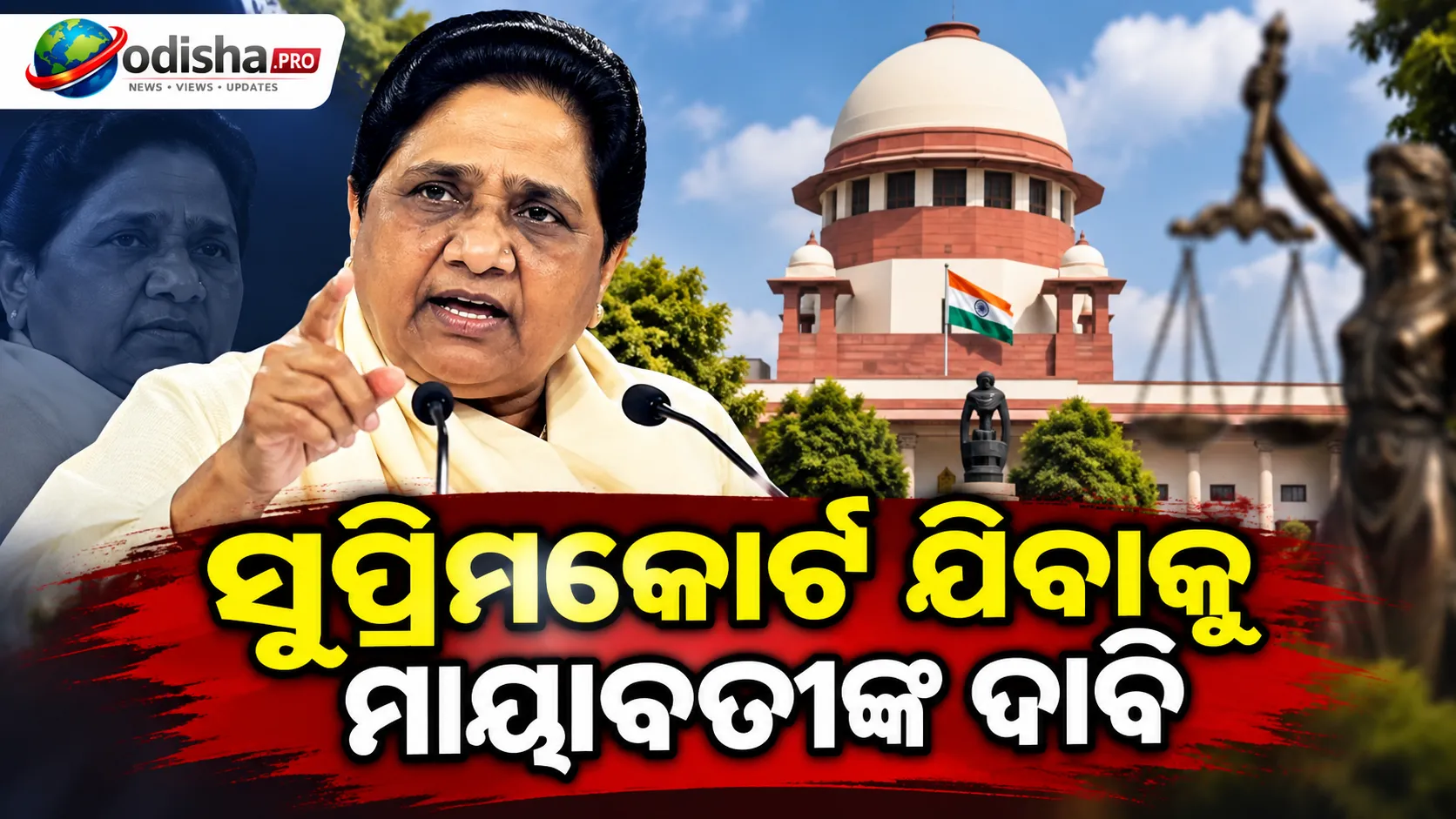
ଉତ୍ତରପ୍ରଦେଶର ୪ଟି ସରକାରୀ ମେଡିକାଲ କଲେଜ୍‌ର MBBS...

ଦିଲ୍ଲୀ ବିଶ୍ୱବିଦ୍ୟାଳୟ ଛାତ୍ର ସଂଘ (DUSU) ନିର୍ବାଚନ ୨୦୨...

ହାଇୱେ କଡ଼ରୁ ଜଣେ ଅଜଣା ବ୍ୟକ୍ତିଙ୍କ ମୃତଦେହ ମିଳିବା ପରେ...
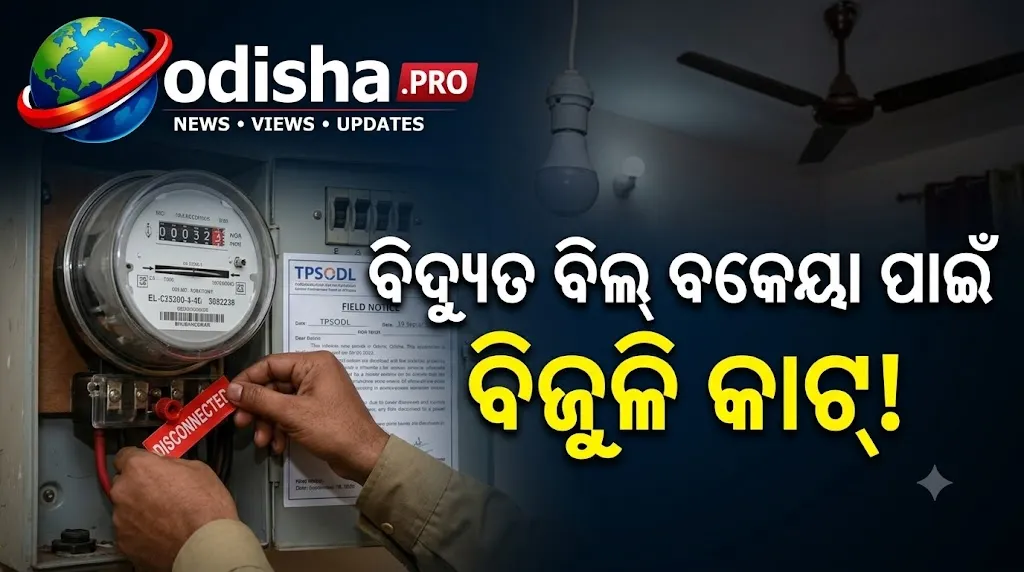
ପୁରୀ ଜିଲ୍ଲା ଡେଲାଙ୍ଗ ବ୍ଲକରେ ବିଦ୍ୟୁତ ବିଲ୍‌ ବକେୟ...