









IDFC First Bank has revealed a₹590‑crore suspected fraud, exposing a significant internal control lapse at its Chandigarh branch. The irregularity came to light when aHaryana government department sought to close its account, triggering a reconciliation process that uncovered extensive discrepancies between reported and actual balances — eventually escalating to a wide‑ranging review across multiple government accounts.
According to regulatory filings, the suspected fraud involvedunauthorized activities by certain employees and possible external parties. Four officials have beensuspended pending investigation, and the bank has filed apolice complaint and informed regulators. This has also prompteda forensic audit by KPMGto determine how the breach occurred and how much of the amount can ultimately be recovered.
The disclosure triggered asharp sell‑off in IDFC First Bank’s shares, which dropped as much as 16–20%, erasing significant market value amid investor concerns over governance and control weaknesses.
Despite the setback, theReserve Bank of India (RBI) has stated that it sees no systemic riskto the banking sector, and the bank insists the incident isisolated to one branch and a specific client group. IDFC First Bank’s management also maintains that the bank is fundamentally strong with buffers to absorb any financial impact, though the final hit will depend on recoveries, insurance, and legal outcomes.
The Haryana government has temporarilyde‑empanelled the bank for government business, transferring public funds elsewhere and demanding strict actions against those responsible. As investigations continue, the case raises deeper questions about internal oversight, compliance and trust in banking governance.
ମୋବାଇଲ୍ ରିଚାର୍ଜକୁ ନେଇ TRAI ନୂଆ ନିୟମ ଜାରି କରିଛି। Te...
ବଲିଉଡର ଲୋକପ୍ରିୟ ସସପେନ୍ସ-ଥ୍ରିଲର୍ ଫ୍ରାଞ୍ଚାଇଜ୍ **&lsq...
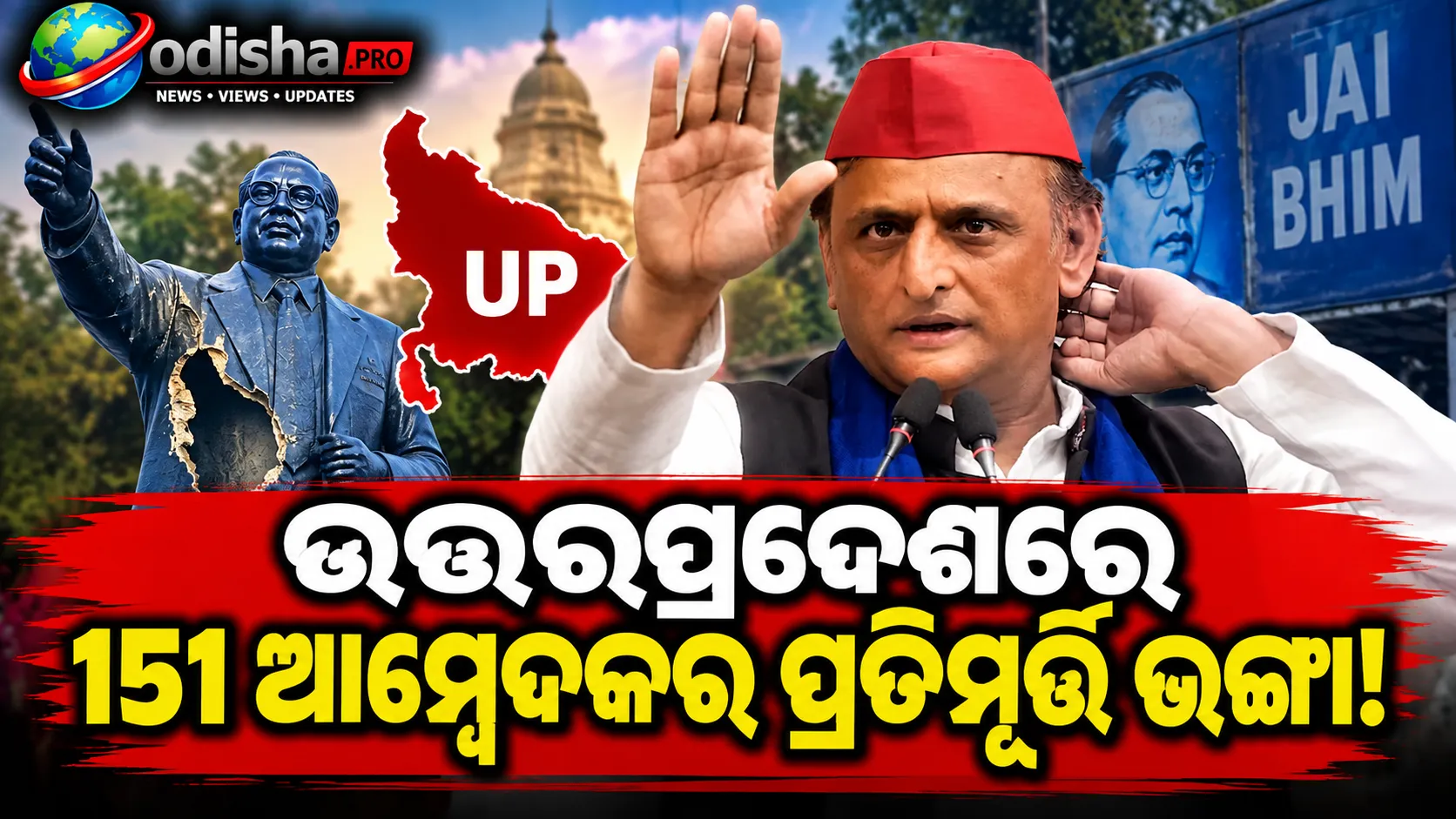
ଲକ୍ଷ୍ନୌ: ଉତ୍ତରପ୍ରଦେଶରେ ଆମ୍ବେଦକରଙ୍କ ପ୍ରତିମୂର୍ତ୍ତି ଭ...
ମାଲାୟାଲମ୍ ସିନେମା‘Bethlehem Kudumba Unit&rsqu...
ମହାଭାରତର ଅତ୍ୟନ୍ତ ଚର୍ଚ୍ଚିତ ଓ ଜଟିଳ ଚରିତ୍ର କର୍ଣ୍ଣଙ୍କ...
ଚଣ୍ଡୀଗଡ଼ରେ ମାଗଣା iPhone ବାଣ୍ଟିବାକୁ ନେଇ ଘୋଷଣା ହୋଇଥି...
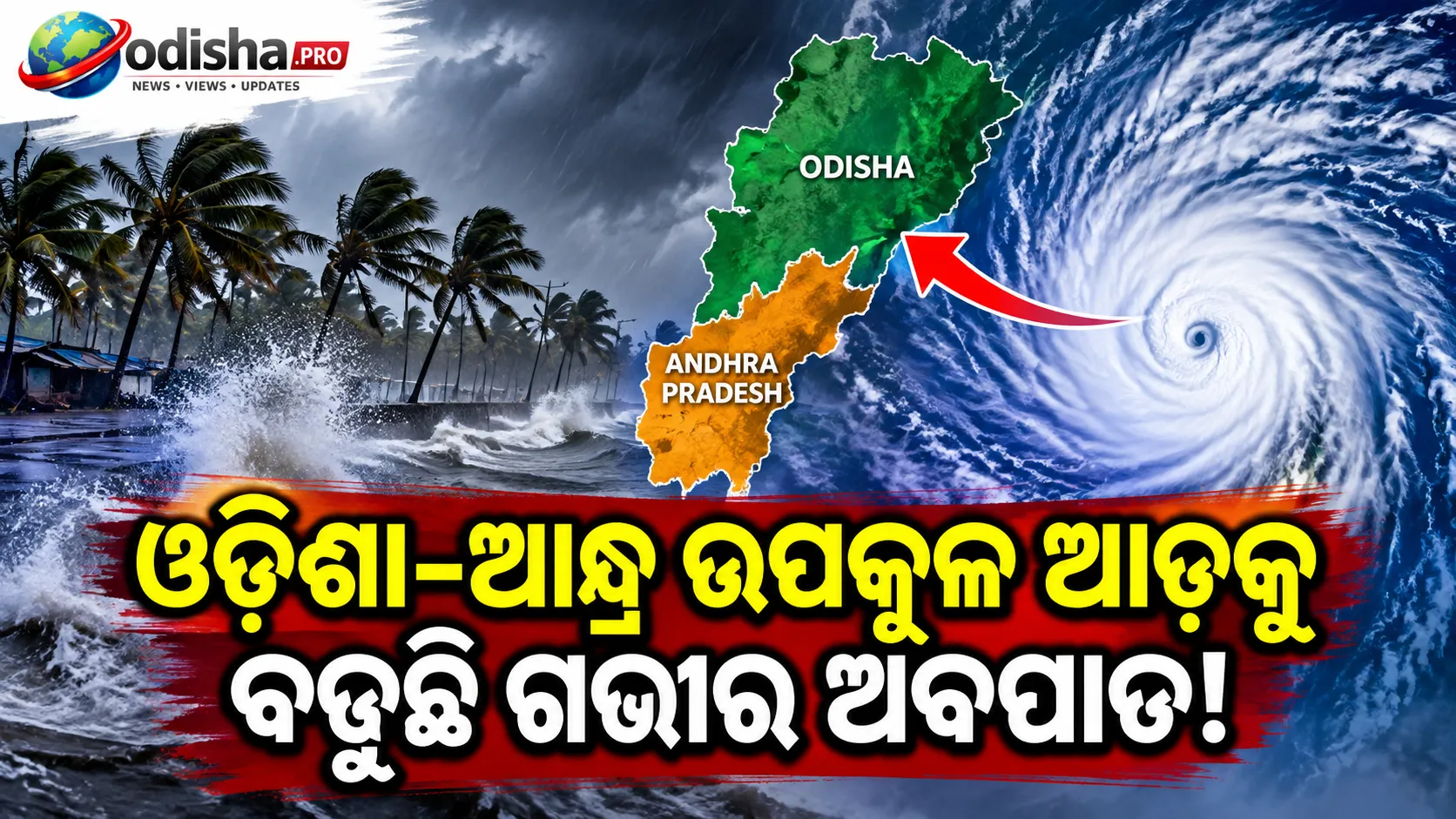
ଭୁବନେଶ୍ୱର: ବଙ୍ଗୋପସାଗରରେ ସୃଷ୍ଟି ହୋଇଥିବା ଅବପାତ ଏବେ ଓ...
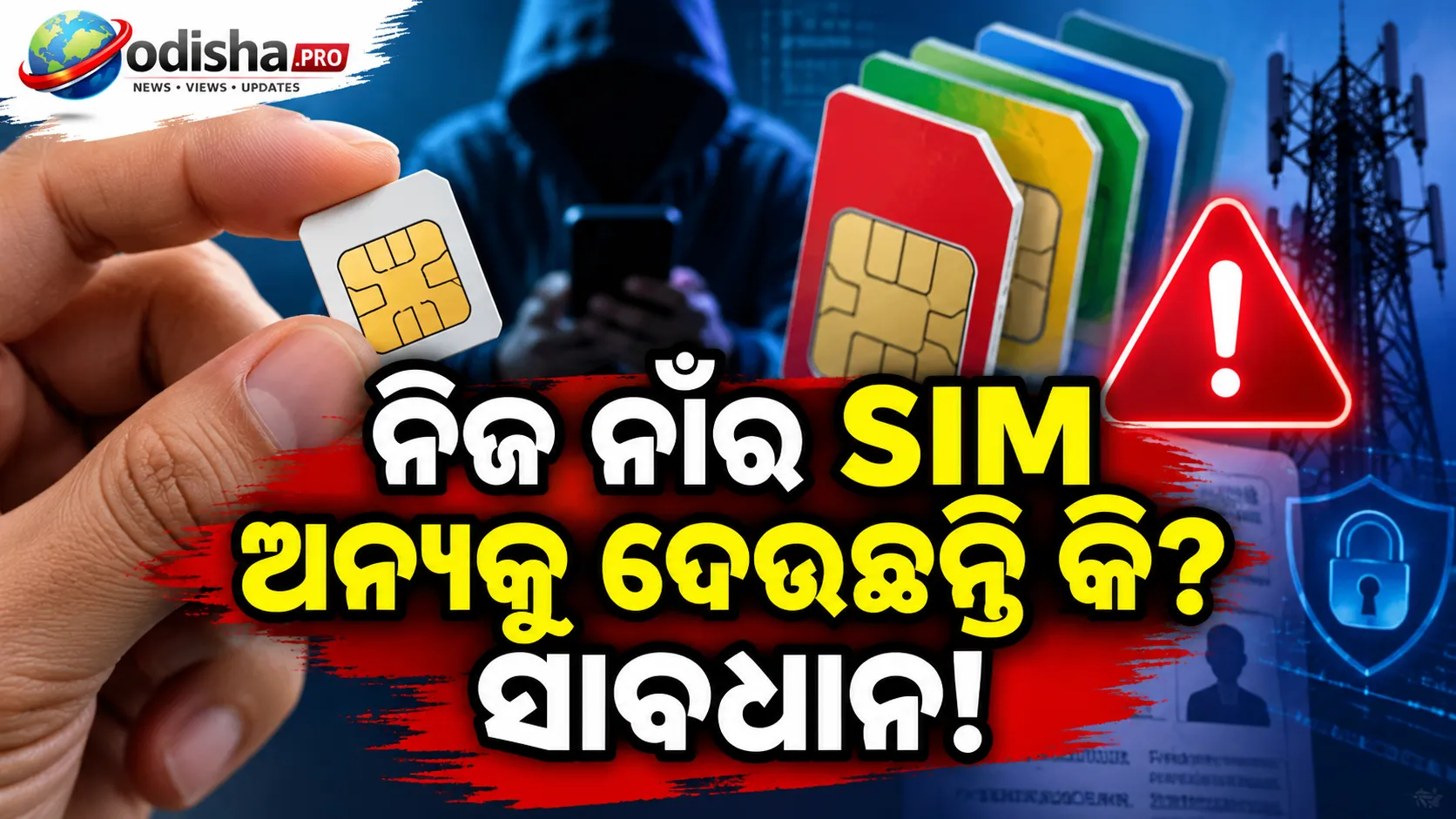
ନୂଆଦିଲ୍ଲୀ: ନିଜ ନାଁ ଓ ପରିଚୟପତ୍ରରେ ନିଆଯାଇଥିବା SIM କା...
ଗଣେଶ ଚତୁର୍ଥୀ ପର୍ବର ମାହୋଲ ମଧ୍ୟରେ ମୁମ୍ବାଇର ପ୍ରସିଦ୍ଧଲ...
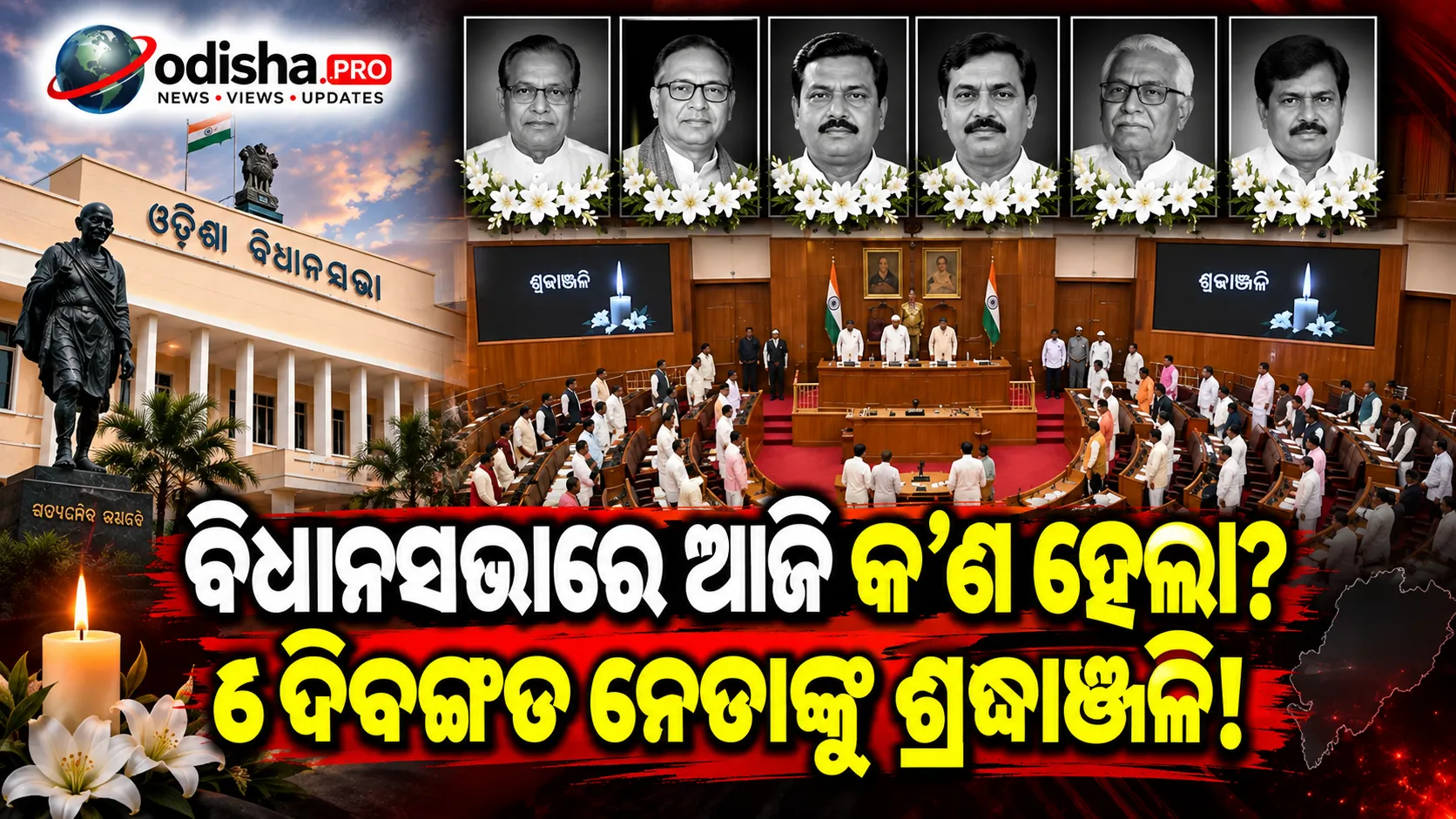
ଭୁବନେଶ୍ୱର: ଆରମ୍ଭ ହୋଇଛି ଓଡ଼ିଶା ବିଧାନସଭାର ମୌସୁମୀ ଅଧି...
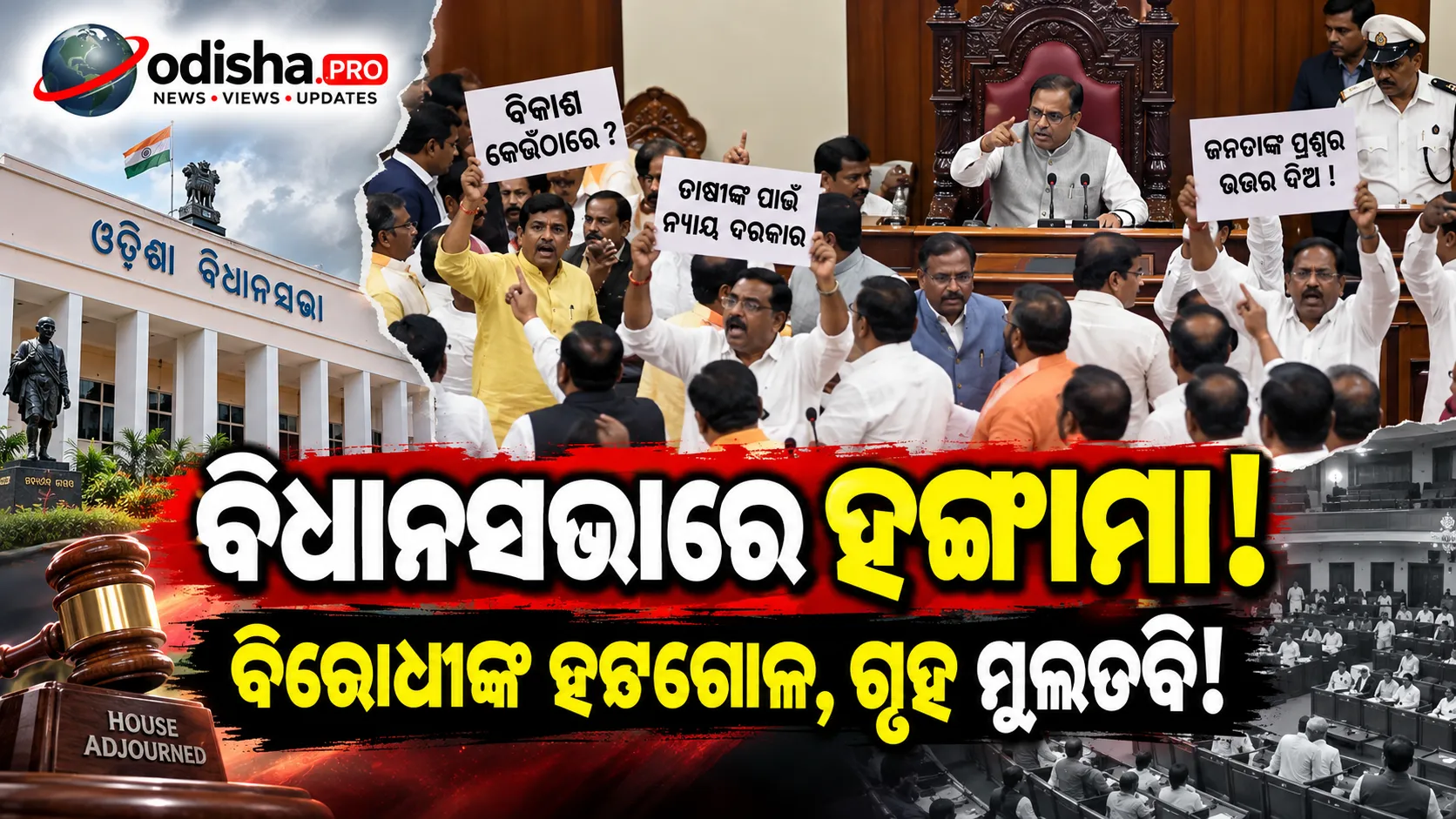
ଭୁବନେଶ୍ୱର: ଓଡ଼ିଶା ବିଧାନସଭାର ମୌସୁମୀ ଅଧିବେଶନର ପ୍ରଥମ...

ପାକିସ୍ତାନରଖୈବର ପଖ୍ତୁନଖ୍ୱାରେ ଜଣେ ପ୍ରାଦେଶିକ ମନ୍ତ୍ରୀଙ...
