



India’s OTT boom has found a new bestselling genre — the hinterland saga. From the foggy fields of Punjab to the dusty lanes of Uttar Pradesh and Bihar, stories rooted in small-town India are dominating streaming charts. With Kohrra Season 2, Netflix once again taps into raw regional storytelling, blending crime investigation with generational trauma, migration, masculinity, and fractured families — all against the textured backdrop of rural Punjab.
For years, urban-centric narratives ruled Indian OTT platforms — glossy apartments, startup struggles, metro romances. But creators gradually realised that the most layered characters and emotionally resonant conflicts lay beyond city limits. The heartland, with its contradictions and complexities, offered something deeper: authenticity.
This shift gave audiences landmark shows like Mirzapur, where crime and power politics collided with caste dynamics and ambition in small-town Uttar Pradesh. Then came Paatal Lok, which peeled back layers of crime and media while reflecting rural and semi-urban India's socio-political realities.
The trend expanded across genres. Aashram explored godmen, blind faith, and rural power structures. Maharani drew inspiration from Bihar politics, tracing a homemaker’s unexpected rise to power. Khakee: The Bihar Chapter brought systemic corruption and morality into focus, while Jamtara: Sabka Number Ayega spotlighted phishing scams emerging from a small Jharkhand town.
Yet the hinterland wave isn’t powered by crime alone. On the softer side lies Panchayat, set in the fictional village of Phulera. With understated humour and deeply human storytelling, it captures everyday rural life — unfinished roads, local politics, and community warmth. Similarly, Gullak brings alive middle-class small-town nostalgia with honesty and affection.
Actor Pankaj Tripathi, who hails from Bihar, explains the appeal simply: most Indians — even those living in metros — have roots in villages or small towns. These stories feel personal because they reflect lived realities. Writer Chandan Kumar echoes that sentiment, noting that rural settings automatically shift the storytelling canvas — conflicts, aspirations, and humour all take on new shades.
What makes hinterland content thrive?
Authenticity — dialects remain unpolished, moral lines blurred, and characters layered.
Relatability — audiences see reflections of their own journeys.
Untapped narratives — India’s villages hold countless stories mainstream cinema long overlooked.
Creative freedom on OTT — platforms allow nuanced, grounded storytelling without formulaic constraints.
Importantly, this new wave avoids stereotyping. The village is neither romanticised nor demonised. It is shown as complex — harsh yet nurturing, corrupt yet kind, oppressive yet resilient.
From gritty thrillers to heartwarming family dramas, India’s hinterland is no longer just a backdrop — it is a character in itself. As Kohrra anchors the latest wave, it’s evident that the mitti ki khushboo carries unmatched emotional power.
And this storytelling shift is far from over.

ରାଜ୍ୟରେ ଲଗାଣ ବର୍ଷା ଜାରି ରହିଥିବା ବେଳେ ବାଲେଶ୍ୱର ଜିଲ୍...

ଲଘୁଚାପ ପ୍ରଭାବରେ ଲଗାଣ ବର୍ଷା ଯୋଗୁଁ ଢେଙ୍କାନାଳ ଜିଲ୍ଲାର...

ଅନୁଗୁଳ ଜିଲ୍ଲାର ଆଠମଲ୍ଲିକ ଅଞ୍ଚଳରେ ଅବକାରୀ ବିଭାଗକୁ ଏକ...

ଆମେରିକା ଓ ଇରାନ ମଧ୍ୟରେ ବଢ଼ୁଥିବା ସାମରିକ ସଂଘର୍ଷର ପ୍ରଭ...

ଜାପାନରେ ପ୍ରବଳ ତାତି ଓ ଗ୍ରୀଷ୍ମ ପ୍ରବାହ ଜନଜୀବନକୁ ବିପର୍...
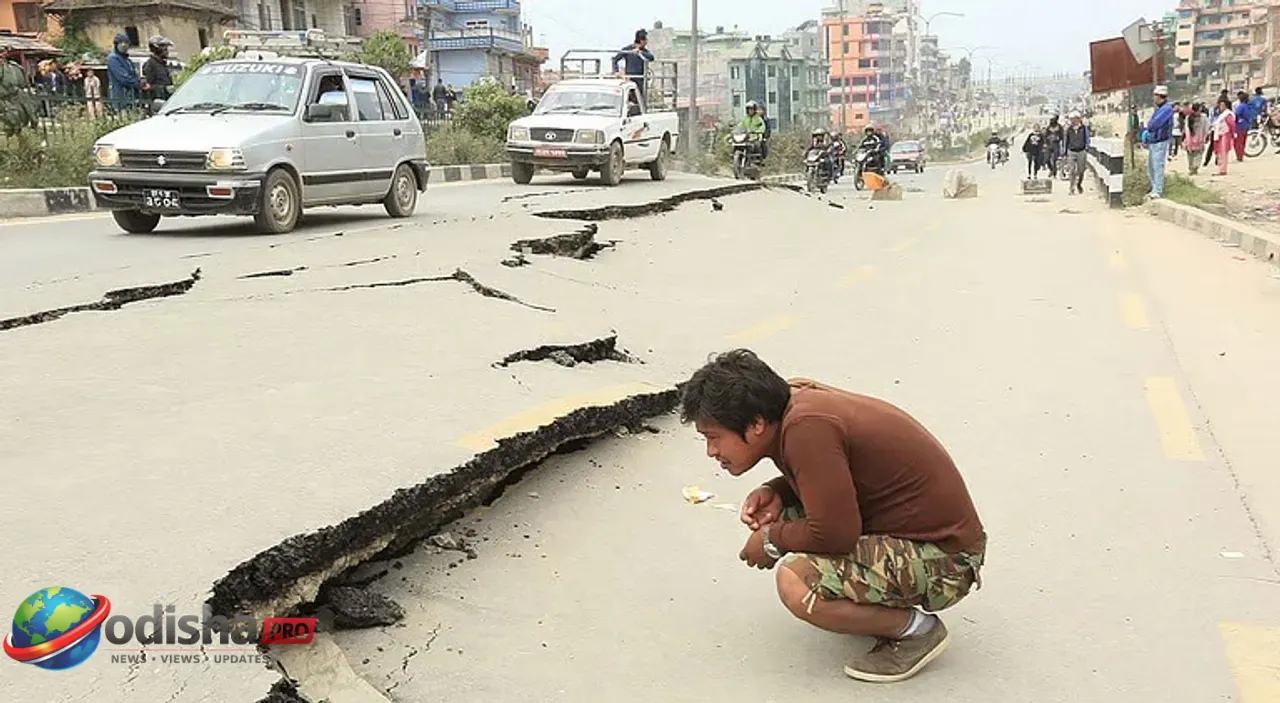
ପଶ୍ଚିମ ନେପାଳରେ ବୁଧବାର ପ୍ରତ୍ୟୁଷରେ ଏକ ମୃଦୁ ଭୂମିକମ୍ପ...

ଦିଲ୍ଲୀର ଜନ୍ତର ମନ୍ତରରେ **‘କୋକରୋଚ୍ ଜନତା ପାର୍ଟି...
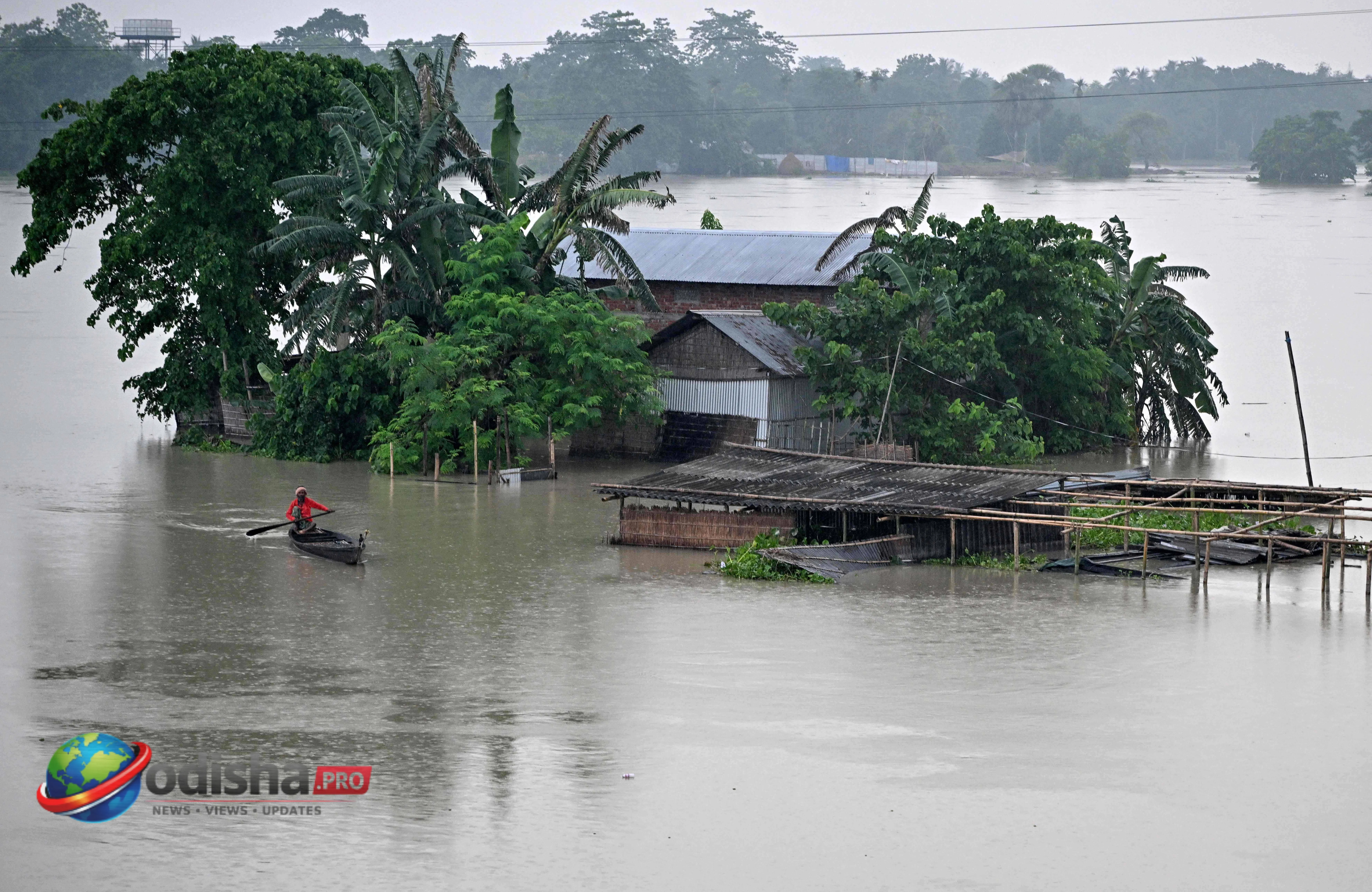
ଲଗାଣ ବର୍ଷା ପରେ ଆସାମରେ ପ୍ରକୃତିର ପ୍ରଳୟଙ୍କରୀ ରୂପ ଦେଖି...
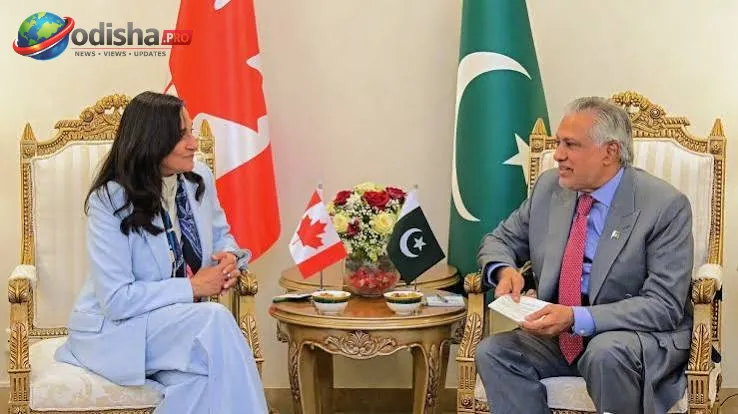
ପାକିସ୍ତାନ ଗସ୍ତରେ ଥିବା କାନାଡାର ବୈଦେଶିକ ମନ୍ତ୍ରୀ ତଥା...

ଫିଲ୍ମୀ ଶୈଳୀରେ ଏକ ହୀରା ଚୋରି ଘଟଣା ଏବେ ଚର୍ଚ୍ଚାର ବିଷୟ...

ସାଇବର ଠକମାନେ ଏବେ ସୋସିଆଲ ମିଡିଆ ପ୍ଲାଟଫର୍ମ ‘X&r...
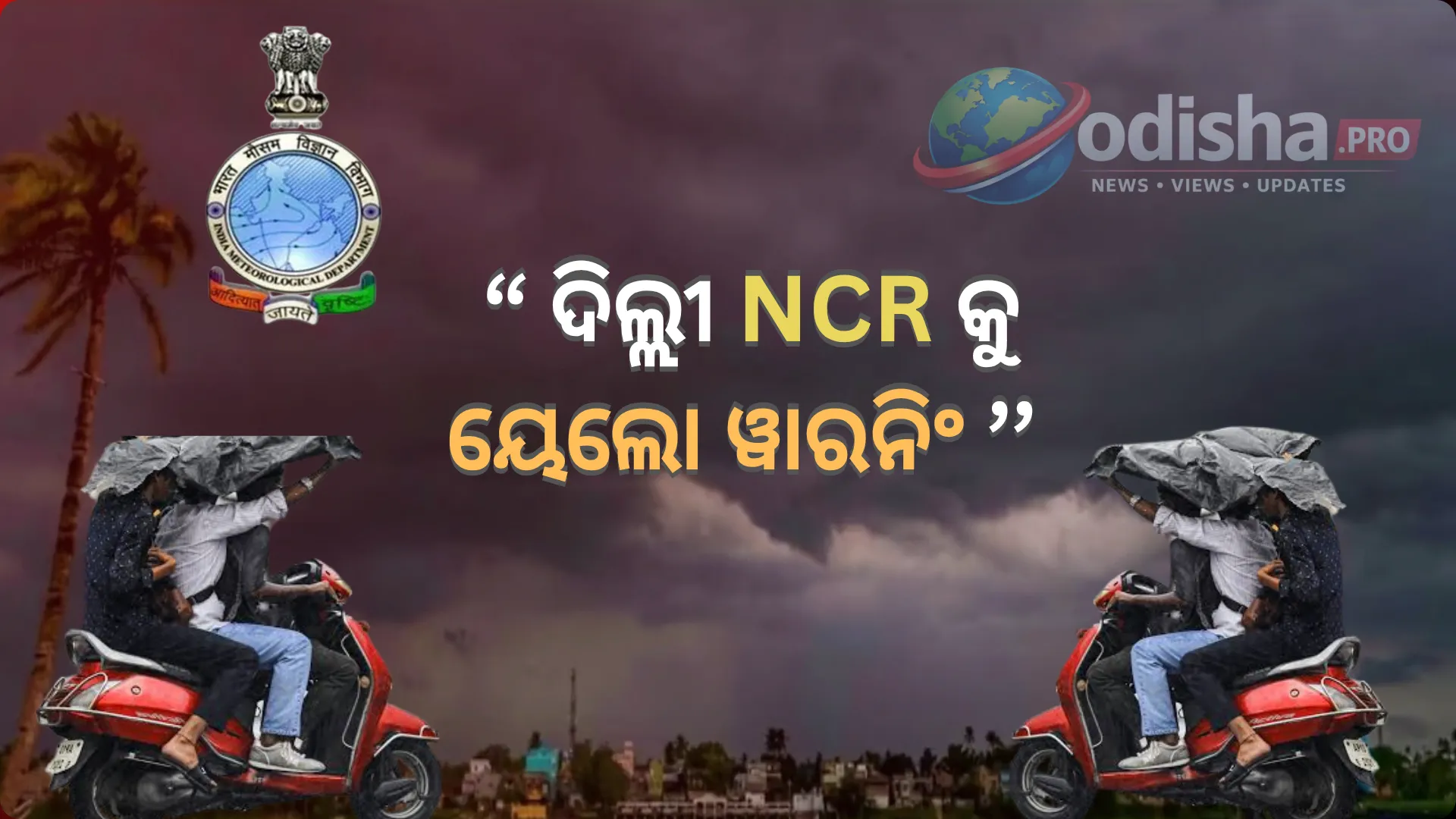
ଦିଲ୍ଲୀ-ଏନ୍‌ସିଆରରେ ପାଗରେ ହଠାତ୍ ପରିବର୍ତ୍ତନ ଦେଖା...