







At 8 am in Delhi’s Mukherjee Nagar, coaching centres fill up with graduates who once chased campus placements but now prepare for India’s toughest government exams. Among them are former software engineers, commerce graduates and science students — all part of a growing national pattern.
Over the past five years, participation and final selections of bachelor’s degree holders in the UPSC Civil Services Examination have risen steadily. Government data presented in Parliament shows a sharp rebound after the pandemic years. From 585 bachelor’s degree holders in the final list in 2021 to 848 in 2023, the increase reflects a nearly 45% jump in just two years.
Engineering graduates continue to dominate selections, but humanities and science graduates are also growing in numbers. The surge is broad-based, not confined to one academic stream.
India produces over 10 lakh engineering graduates annually, according to AISHE data, alongside millions more in arts, science and commerce. However, job absorption has not expanded proportionately.
While employability metrics have improved over the past decade, average salary packages in many Tier-2 and Tier-3 colleges remain modest — often between Rs 3–5 lakh per annum. Considering that private engineering education can cost Rs 8–15 lakh over four years, the return on investment appears uncertain for many families.
This mismatch between educational expansion and job market outcomes is widening the search for stability.
For years, engineering symbolised security. But the past five years have reshaped that perception:
Volatile tech hiring cycles
Contractual and automated entry-level roles
Layoffs in global firms
Uneven placement outcomes outside elite institutes
In contrast, government employment now appears economically rational. Stable salary progression, pension-linked benefits, and social prestige make public sector roles increasingly attractive.
Today’s aspirants rarely rely on a single exam. Instead, they prepare simultaneously for multiple recruitment pathways, including:
UPSC Civil Services Examination
RRB NTPC Examination
Staff Selection Commission Combined Graduate Level Examination
IBPS Probationary Officer Exam
This “portfolio approach” reflects rising uncertainty and risk diversification. The single-dream-exam model is fading.
Another structural shift is the increasing presence of women in final UPSC lists. Over recent cycles, women’s share has climbed from roughly one-fourth to over one-third, reflecting expanded access and participation.
Cities like Delhi, Prayagraj, Jaipur and Hyderabad have evolved into full-fledged competitive exam ecosystems. Libraries, hostels, mentorship networks and peer groups sustain long preparation cycles.
For many engineering graduates, the exam grind feels familiar. Their journey often follows a continuous competitive pipeline:
Class 11–12: JEE preparation
College years: Placement training
Post-graduation: Government exam preparation
The exam culture never truly ends.
A growing policy debate questions whether India is overproducing engineers relative to market demand. When large numbers of engineering graduates pursue administrative, clerical or non-technical roles, it signals potential misalignment between higher education output and labour market needs.
The surge in graduate participation may reflect:
Degree inflation
Underemployment
Security prioritisation over entrepreneurship
Cultural prestige attached to civil services
For middle-class households, a government job offers predictable growth, insulation from global market volatility, and long-term stability. In uncertain economic times, stability itself becomes aspirational.
Clearing the UPSC Civil Services Examination remains not just employment but symbolic achievement.
The steady year-on-year rise in bachelor’s degree holders in competitive exam selections since 2022, combined with rising application volumes and coaching enrolments, suggests a durable shift — not a temporary phase.
Graduates are not abandoning ambition. They are redefining it.
Degrees are no longer endpoints. They are stepping stones toward what many now view as calculated realism: secure, structured government careers.

ଶ୍ରୀକ୍ଷେତ୍ର ପୁରୀର ବଡ଼ଦେଉଳରେ ଚାଲିଥିବା ଶ୍ରୀକୃଷ୍ଣ ଲୀଳ...
ପାକିସ୍ତାନ କ୍ରିକେଟ୍ ବୋର୍ଡ (PCB) ଏବେ ଦଳର ଚୟନ କମିଟି ଏ...
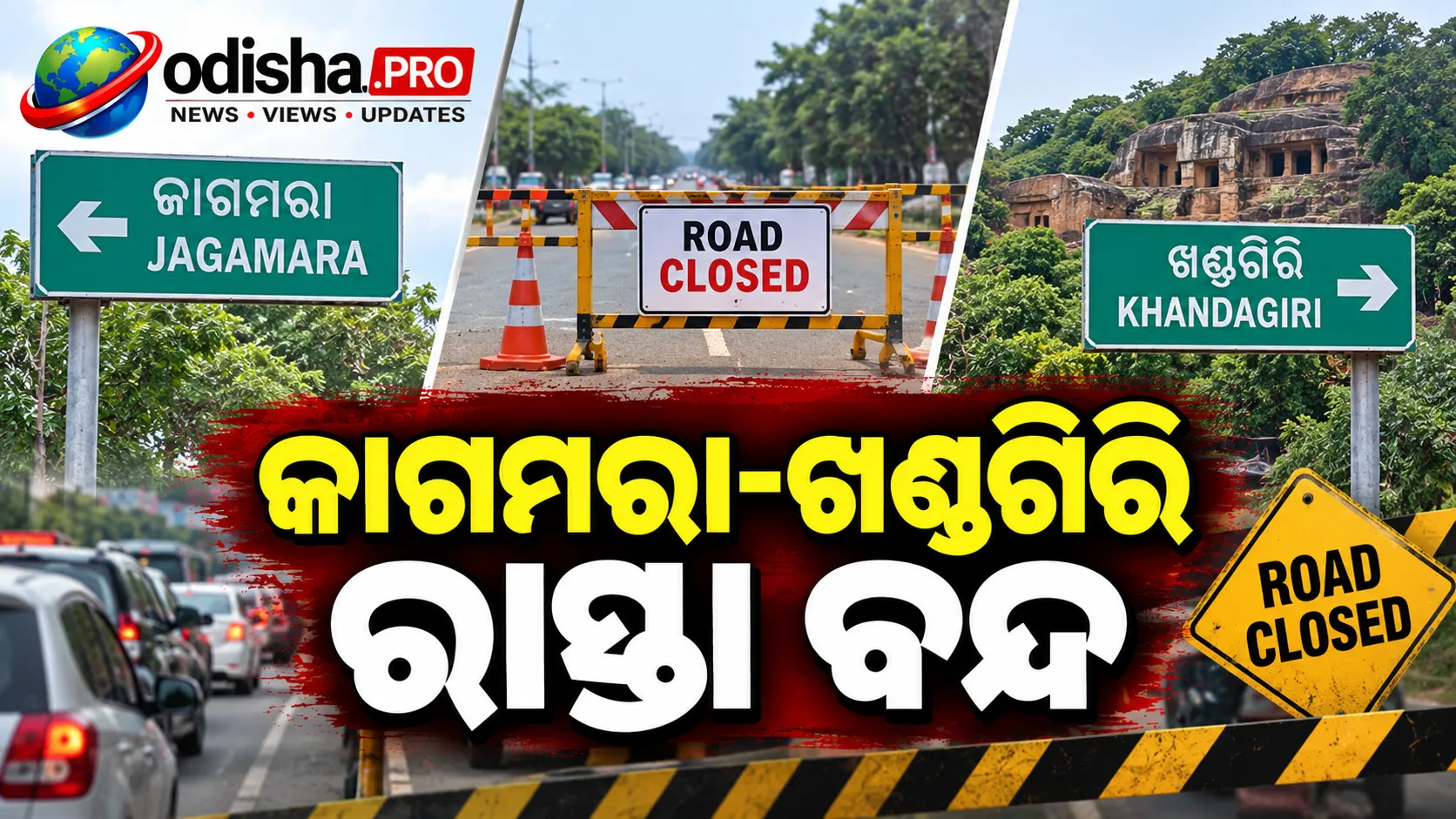
ଭୁବନେଶ୍ୱରର ଜାଗମରା, ଖଣ୍ଡଗିରି ଓ ଏହାର ଆଖପାଖ ଅଞ୍ଚଳରେ ର...

କଟକ ସହରର ବଢ଼ୁଥିବା ଟ୍ରାଫିକ୍‌ ସମସ୍ୟାକୁ ନେଇ ଓଡ଼ି...
ଇଂଲଣ୍ଡ ବିପକ୍ଷ ଟେଷ୍ଟ ସିରିଜ୍ ମଧ୍ୟରେ ପାକିସ୍ତାନ କ୍ରିକେ...
ଅନ୍ତର୍ଜାତୀୟ ଛାତ୍ରଙ୍କ ଭିସା ବ୍ୟବସ୍ଥାର ଦୁରୁପଯୋଗ ରୋକିବ...
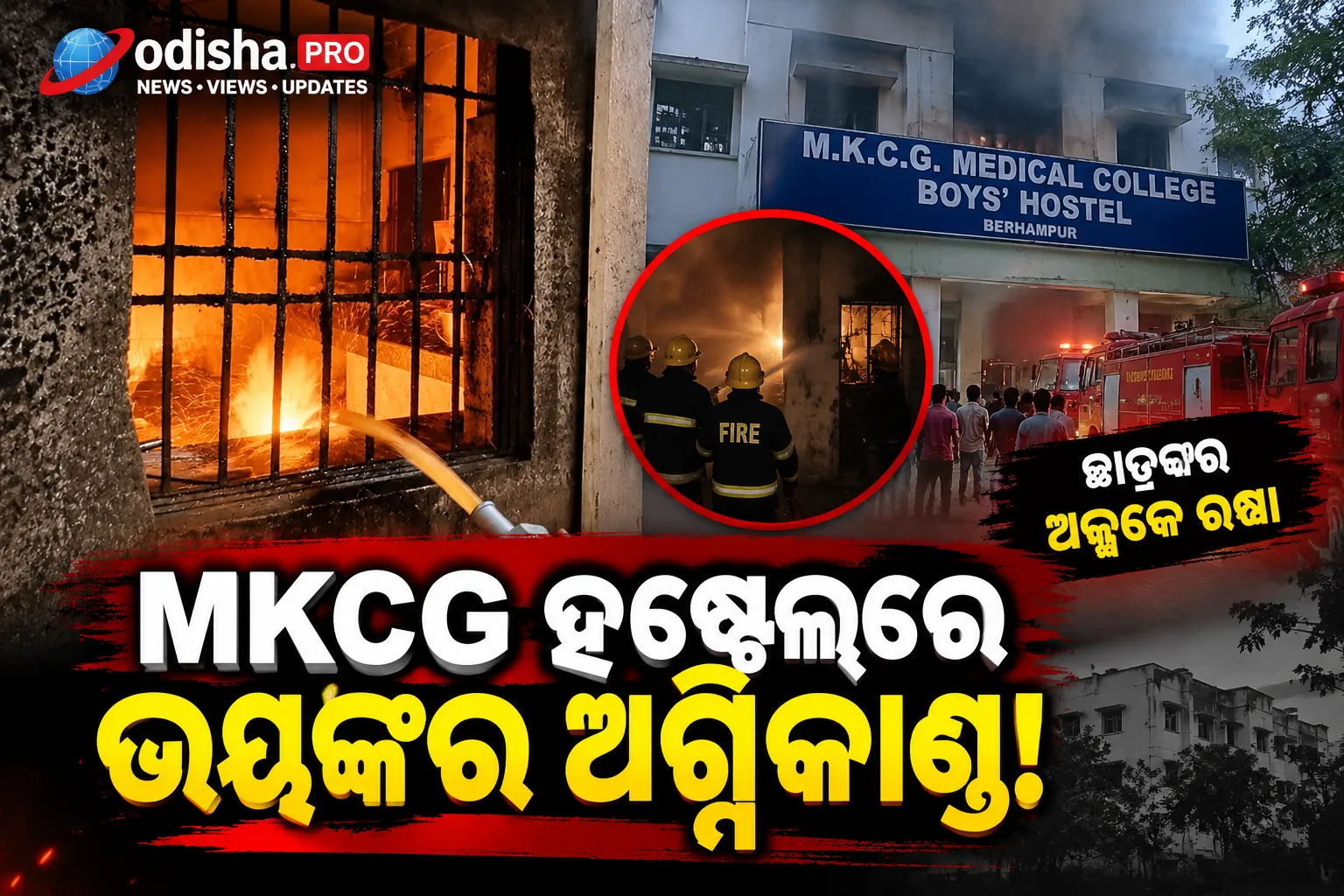
ବ୍ରହ୍ମପୁରର MKCG ମେଡିକାଲ କଲେଜ ଓ ହସ୍ପିଟାଲ୍‌ ପରି...
ଜଳନ୍ଧର କମିଶନରେଟ୍ ପୋଲିସ ଆମେରିକାରSupplemental Nutrit...