





India is facing a silent but growing health crisis: non-alcoholic fatty liver disease (NAFLD). Once considered a concern mainly for alcohol users or obese individuals, NAFLD is now emerging as a metabolic epidemic affecting young adults and even lean individuals. Leading hepatologist Dr. Shiv Kumar Sarin warns that fatty liver is closely linked to diabetes, heart disease, cancer, and early cognitive decline. “If you want to prevent lifestyle diseases, start with your liver,” he emphasizes.
Large community studies in Delhi reveal alarming trends: over 50% of adults have excess fat in their liver, and around 11% of lean individuals are also affected. Fatty liver often develops silently but can progress through stages from simple fat accumulation to fibrosis, cirrhosis, and eventually liver cancer. Early detection is possible with simple markers such as waist circumference, SGPT levels, and family history of metabolic disorders.
The good news: fatty liver is largely reversible with lifestyle interventions. Dr. Sarin recommends maintaining an ideal weight, exercising at least 30–40 minutes daily, reducing sugar intake, eating natural, minimally processed foods, timing meals within a 12-hour window, and ensuring restorative sleep. Even a 10% weight reduction can reverse fibrosis and improve liver health.
Prevention must start early. Childhood obesity is a major concern, with up to 15% of children potentially developing fatty liver by age five. Parents play a crucial role by promoting balanced diets and healthy habits, avoiding excessive sugar and processed foods.
Dr. Sarin’s message is clear and empowering: “Health cannot be procured with money; it has to be earned.” By prioritizing liver health through diet, exercise, sleep, and mindful lifestyle choices, individuals can prevent multiple metabolic diseases and take ownership of their long-term well-being.
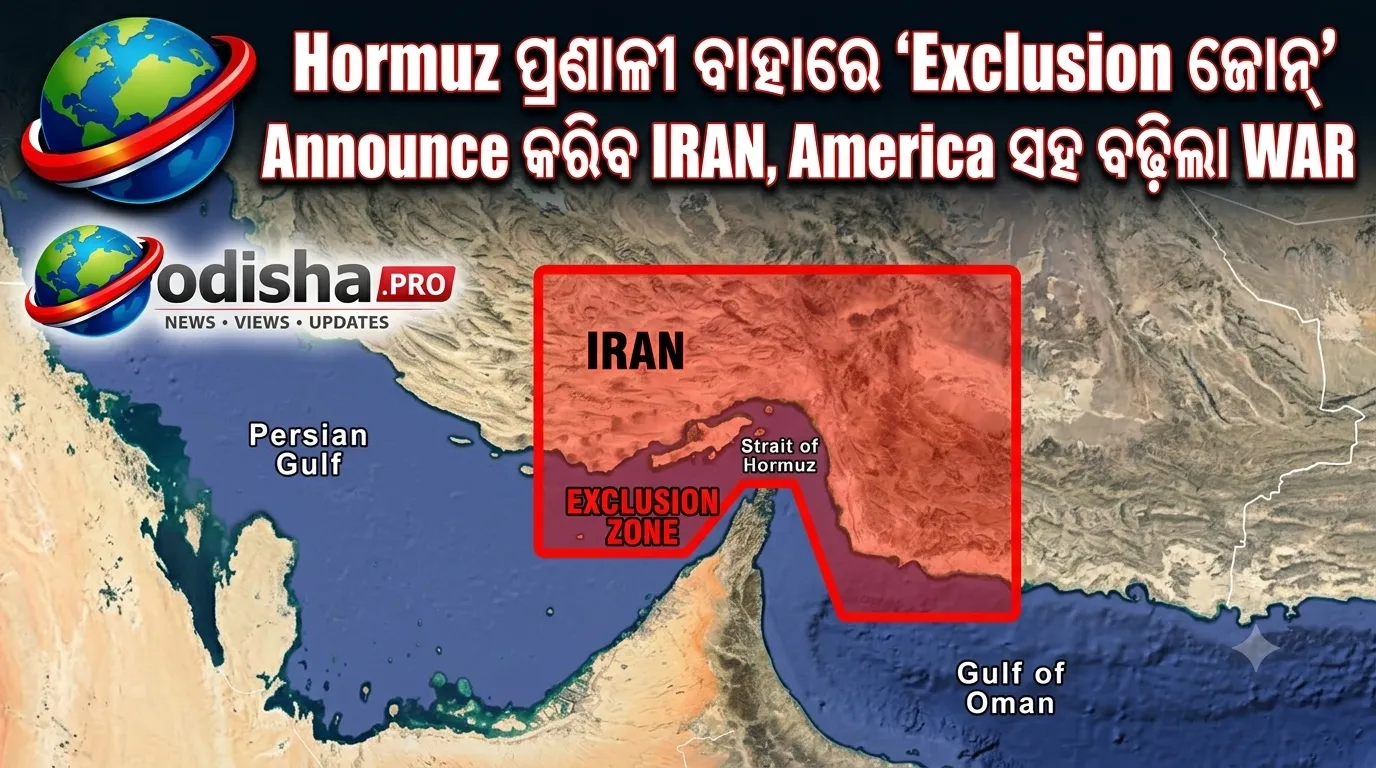
ହର୍ମୁଜ୍ ପ୍ରଣାଳୀକୁ ନେଇ ଆମେରିକା ଓ ଇରାନ ମଧ୍ୟରେ ତିକ୍ତତ...
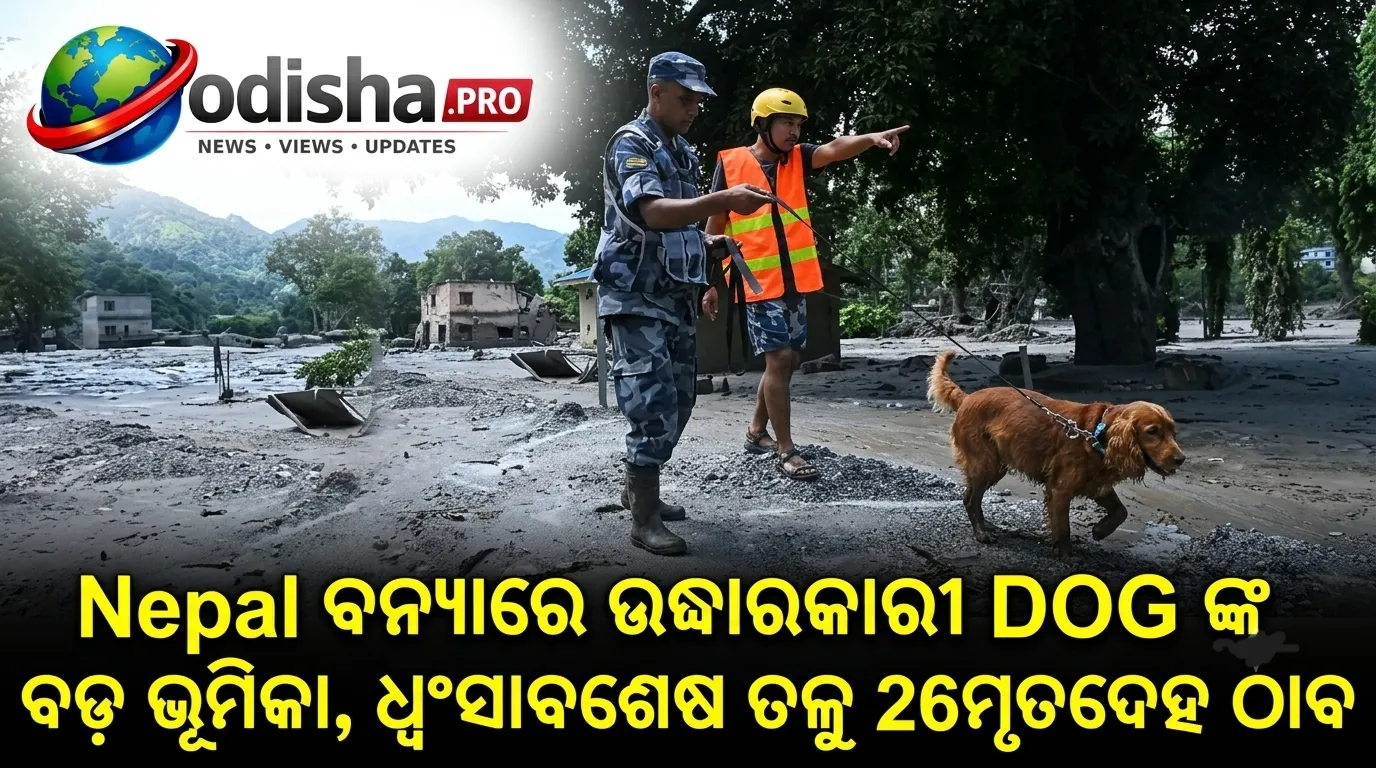
ନେପାଳର ଉତ୍ତର ଅଞ୍ଚଳରେ ଘଟିଥିବା ଭୟଙ୍କର ବନ୍ୟା ଓ ଭୂସ୍ଖଳ...
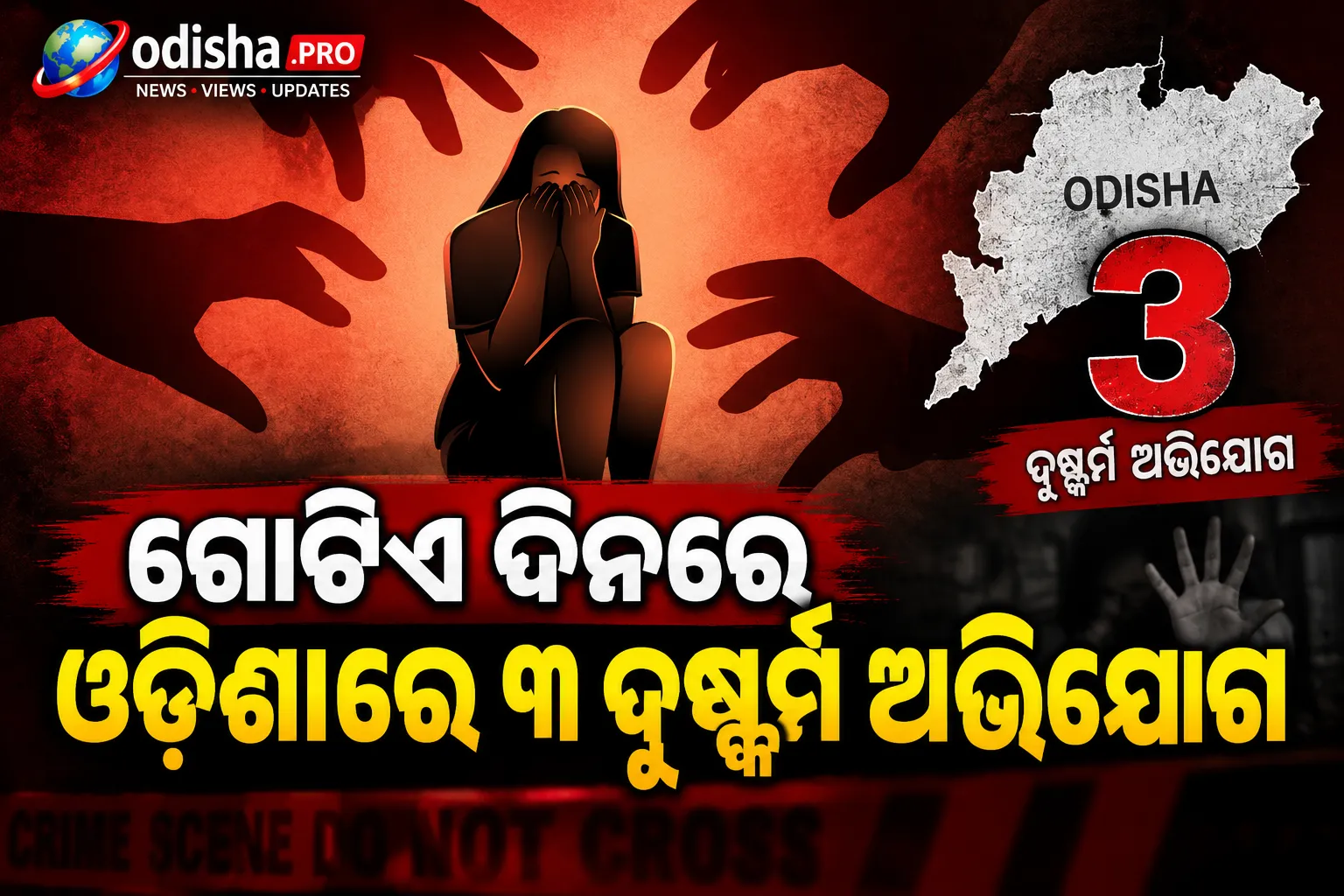
ଓଡ଼ିଶାର ବିଭିନ୍ନ ଅଞ୍ଚଳରୁ ନାବାଳିକାଙ୍କୁ ନେଇ ୩ଟି ଦୁଷ୍କ...
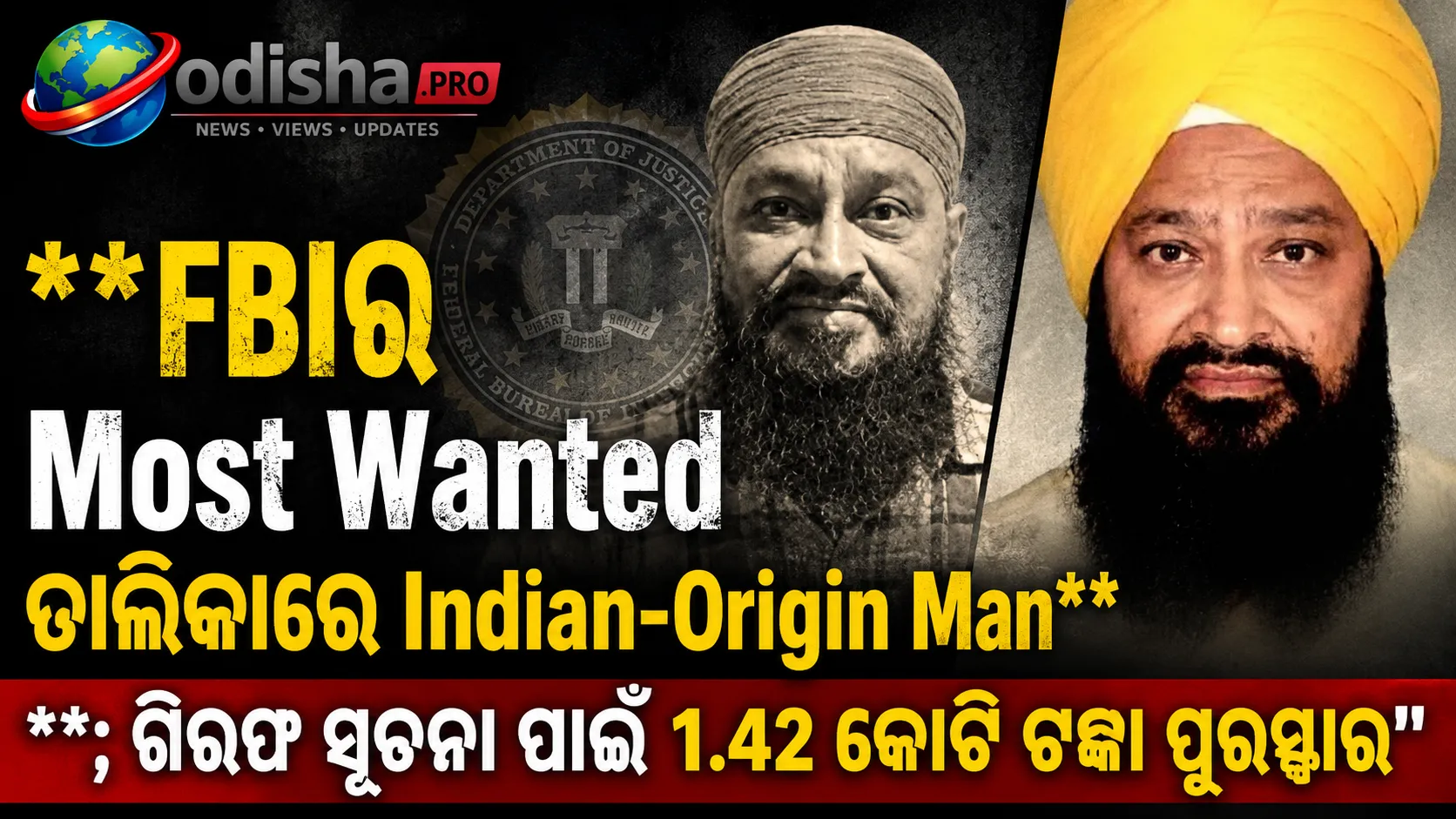
ଆମେରିକାର Federal Bureau of Investigation (FBI) ମଞ୍...
ନେପାଳରେ ଅଗଷ୍ଟ ୨୬ରେ ଘଟିଥିବା ଭୟଙ୍କର Bhotekoshi ବନ୍ୟା...
ଆମେରିକା ରାଷ୍ଟ୍ରପତିଡୋନାଲ୍ଡ ଟ୍ରମ୍ପଆମେରିକାର ରାଜ୍ୟନ୍ୟୁ...
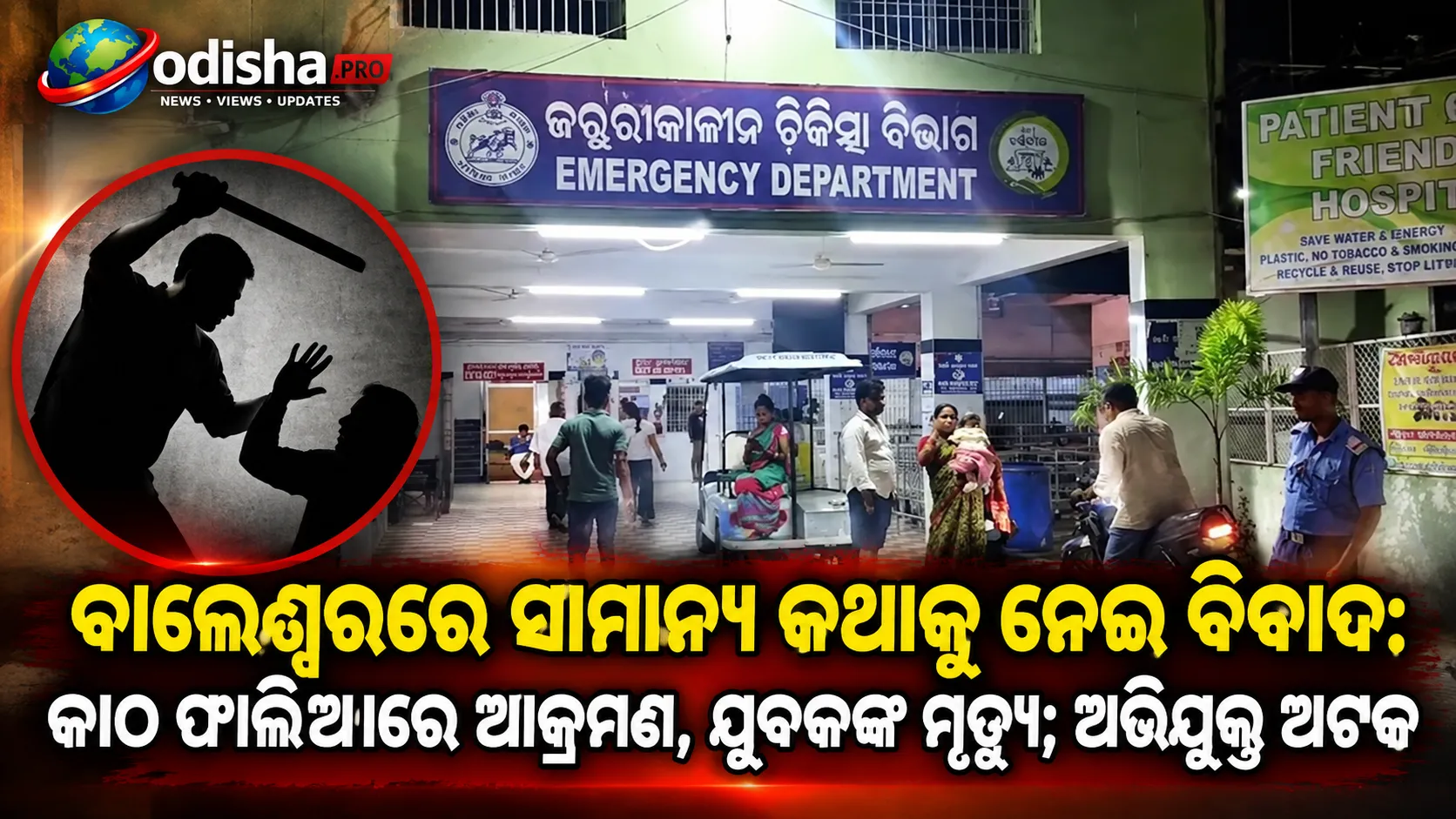
ବାଲେଶ୍ୱରରେ ସାମାନ୍ୟ କଥାକୁ ନେଇ ହୋଇଥିବା ବିବାଦ ଶେଷରେ ମ...

ଓଡ଼ିଶାରେ ମନ୍ଦିରଗୁଡ଼ିକୁ ଟାର୍ଗେଟ୍ କରି ଚୋରି ଘଟଣା ଥମିବ...
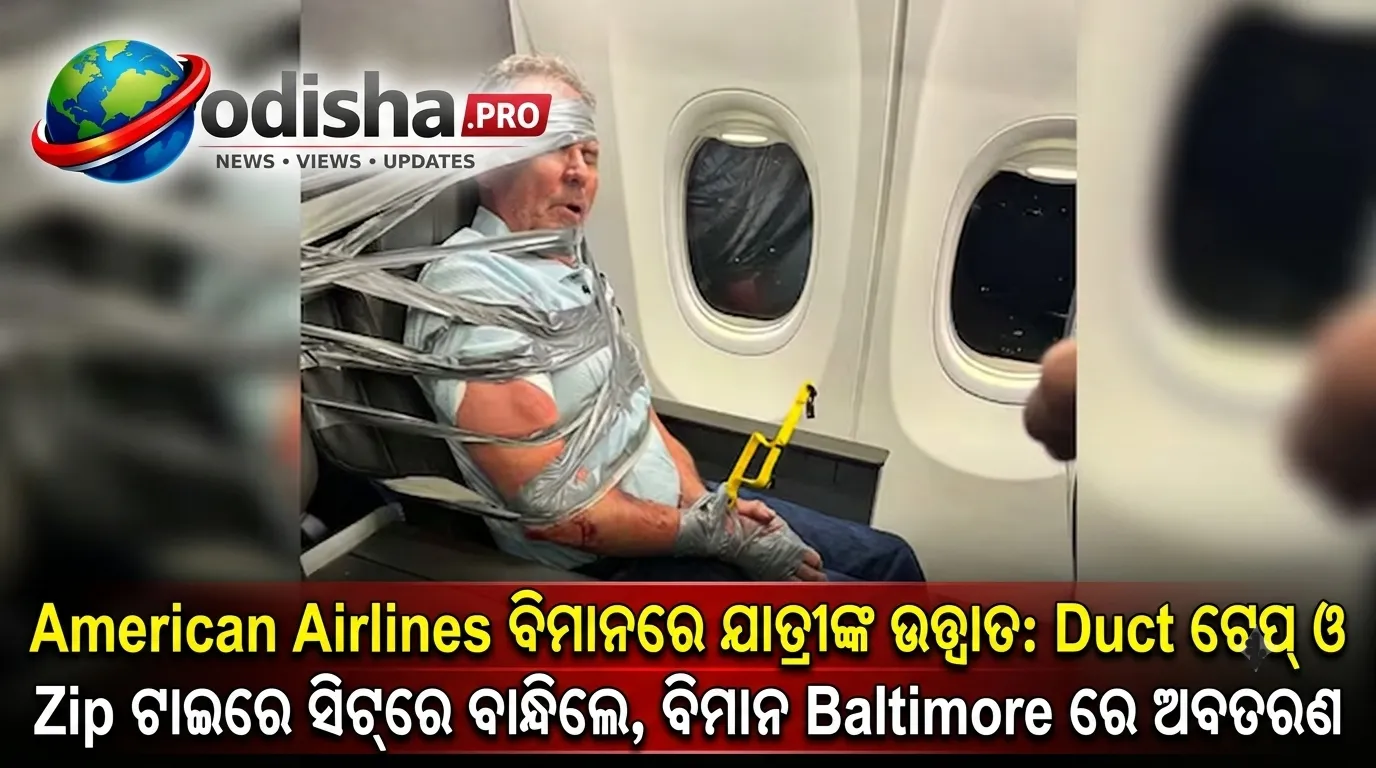
ଆମେରିକାନ୍ ଏୟାରଲାଇନ୍ସର ଏକ ଉଡ଼ାଣ ବେଳେ ଜଣେ ଯାତ୍ରୀଙ୍କ...