



The process of creating school textbooks in India is structured and multilayered, involving academic experts, institutional review bodies, and government oversight — yet even this system isn’t immune to controversy. Textbooks published by theNational Council of Educational Research and Training (NCERT)are not written by lone authors; instead, they are developed byTextbook Development Committees (TDCs)made up of university academics, subject experts, pedagogy specialists, NCERT faculty and school teachers. These committees base their work on theNational Curriculum Framework (NCF), which outlines educational goals, subject priorities and teaching philosophy.
Once the content draft is prepared, it undergoes successive rounds of internal review by NCERT’s subject departments and external scrutiny by independent experts before being approved for publication. The Ministry of Education retains policy oversight, although NCERT holds academic autonomy, meaning that large‑scale changes or contentious content can involve higher‑level intervention before distribution.
Despite these checks and balances, a chapter in theClass 8 Social Science Part 2 textbooktitledThe Role of the Judiciary in Our Society— which included references to “corruption in the judiciary,” case backlog figures and related institutional challenges — triggered strong objections from theSupreme Court of Indiawhen it was briefly released. The apex court tooksuo motucognisance of the matter, asserting that such content could undermine public confidence in the judiciary, and ordered the book’sban, seizure of copies and digital takedown. NCERT subsequently withdrew distribution and acknowledged that inappropriate material had inadvertently crept in, calling it an “error of judgement” and promising to rewrite the chapter with appropriate consultation before the next academic session.
This episode highlights how even established textbook review mechanisms can be tested by controversial content, and how corrective action is taken when content is perceived to cross acceptable boundaries. It also underscores the layered nature of approval — from curriculum frameworks to expert committees to institutional and occasionally judicial review — that shapes what students ultimately read in their textbooks.

‘Scout ଆପଣଙ୍କ ପାଇଁ କିଏ?’ ପ୍ରୋମୋରେ ର...

ନାଇଜେରିଆ ସେନା ଭାରତରେ ସ୍ୱତନ୍ତ୍ର ଜଙ୍ଗଲ ଓ ପାହାଡ଼ି ଯୁଦ...
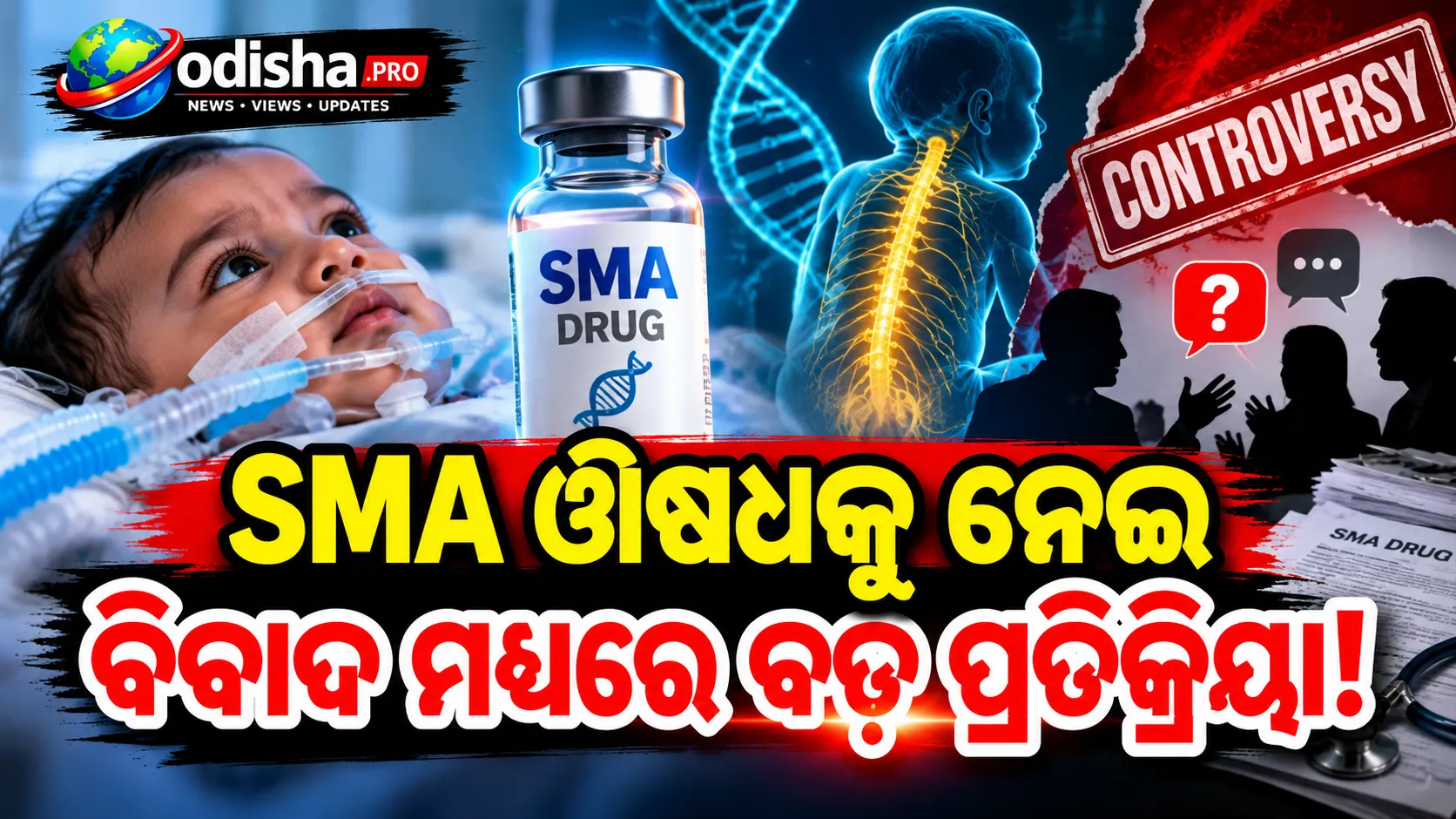
SMA ଔଷଧକୁ ନେଇ କେରଳରେ ଚର୍ଚ୍ଚା ଓ ବିବାଦ ମଧ୍ୟରେ ସ୍ୱାସ୍...
ପଶ୍ଚିମ ଓଡ଼ିଶାର ପ୍ରମୁଖ ଚିକିତ୍ସା ପ୍ରତିଷ୍ଠାନ ବୁର୍ଲା ଭ...

ନୂଆଦିଲ୍ଲୀ: ଦେଶରେ ସଡ଼କ ଦୁର୍ଘଟଣା କମାଇବା ଏବଂ ଯାତ୍ରୀଙ୍...

ଫ୍ୟାନ୍ସଙ୍କ ମଝିରେ ବସି ଦେଖିଲେ ଫିଲ୍ମ ରଜନୀକାନ୍ତଙ୍କ...
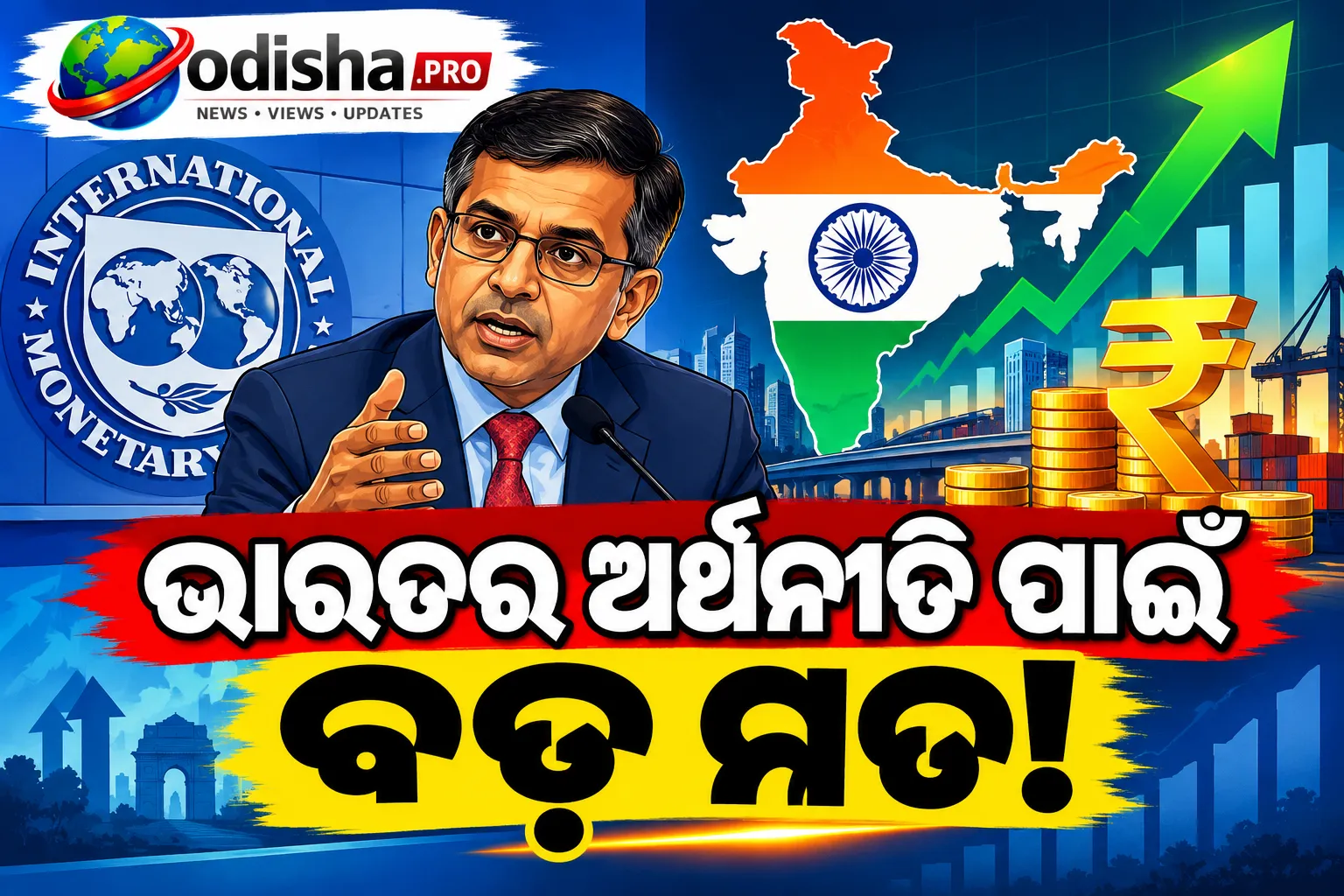
ଭାରତୀୟ ଅର୍ଥନୀତିର ବିକାଶ ହାରକୁ ନେଇ ଆଶା ବଢ଼ିଥିବାବେଳେ,...
ଡର୍ମାଟୋଲୋଜିଷ୍ଟ ଡା. ଜୁଶ୍ୟା ଭାଟିଆ ସରିନ୍ ଭାରତୀୟ ତ୍ୱଚା...